For many of us, the home office has gone from a nice-to-have to a necessity. But how do you make sure this space isn't just a place where work happens, but a place where you thrive? It's about more than just setting up a laptop; it's about cultivating an environment that supports both your professional output and your personal peace. Let's dive in.
Working from home offers incredible flexibility, doesn't it? You can ditch the commute, wear comfy clothes, and maybe even sneak in a load of laundry between meetings. But there's a flip side. The lines between work and life can blur so easily, leaving you feeling like you're always 'on.' The key to unlocking the true potential of remote work lies in mastering the art of the productive workspace – and finding that sweet spot of home office balance. It’s about designing a space that fosters focus, minimizes distractions, and respects your need for downtime. Ready to transform your work-from-home experience?
Defining Your Workspace: Location, Location, Location
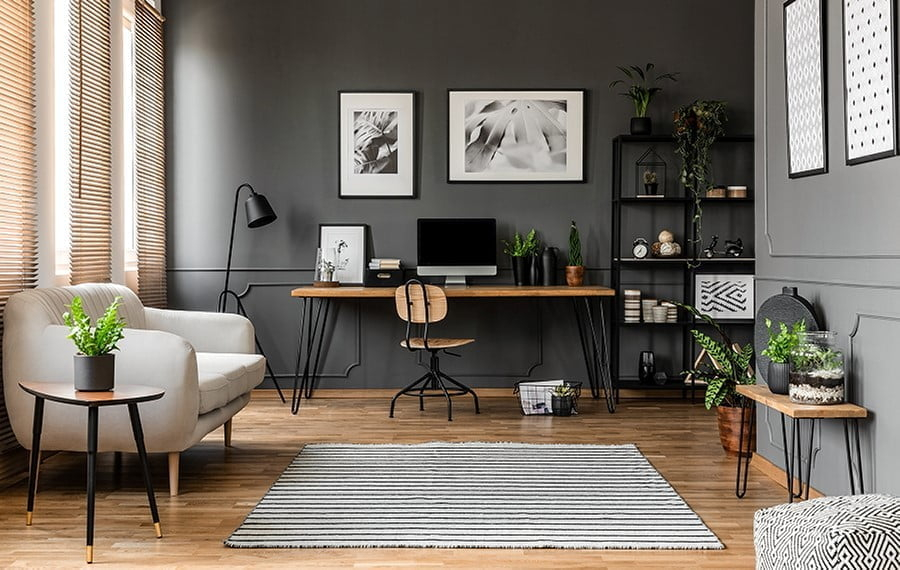
The first, and perhaps most crucial, step is picking the right spot. Ideally, you want a dedicated area that’s solely for work. This signals to your brain (and to others in your household) that when you're in this space, you're in work mode. It doesn't have to be a separate room – though that's fantastic if you have one. A quiet corner of the living room, a section of a spare bedroom, or even a well-organized nook can work wonders. The goal is to create a physical boundary. Think about natural light, noise levels, and accessibility. Is it a place where you can genuinely concentrate, or will the TV’s siren call always be within earshot? Consider your specific needs. If you have frequent video calls, good lighting and a neutral background are essential. If your work requires deep focus, minimizing foot traffic and household chatter is paramount. Even a small, dedicated space can make a huge difference in your ability to switch gears.
Ergonomics: Your Body Will Thank You
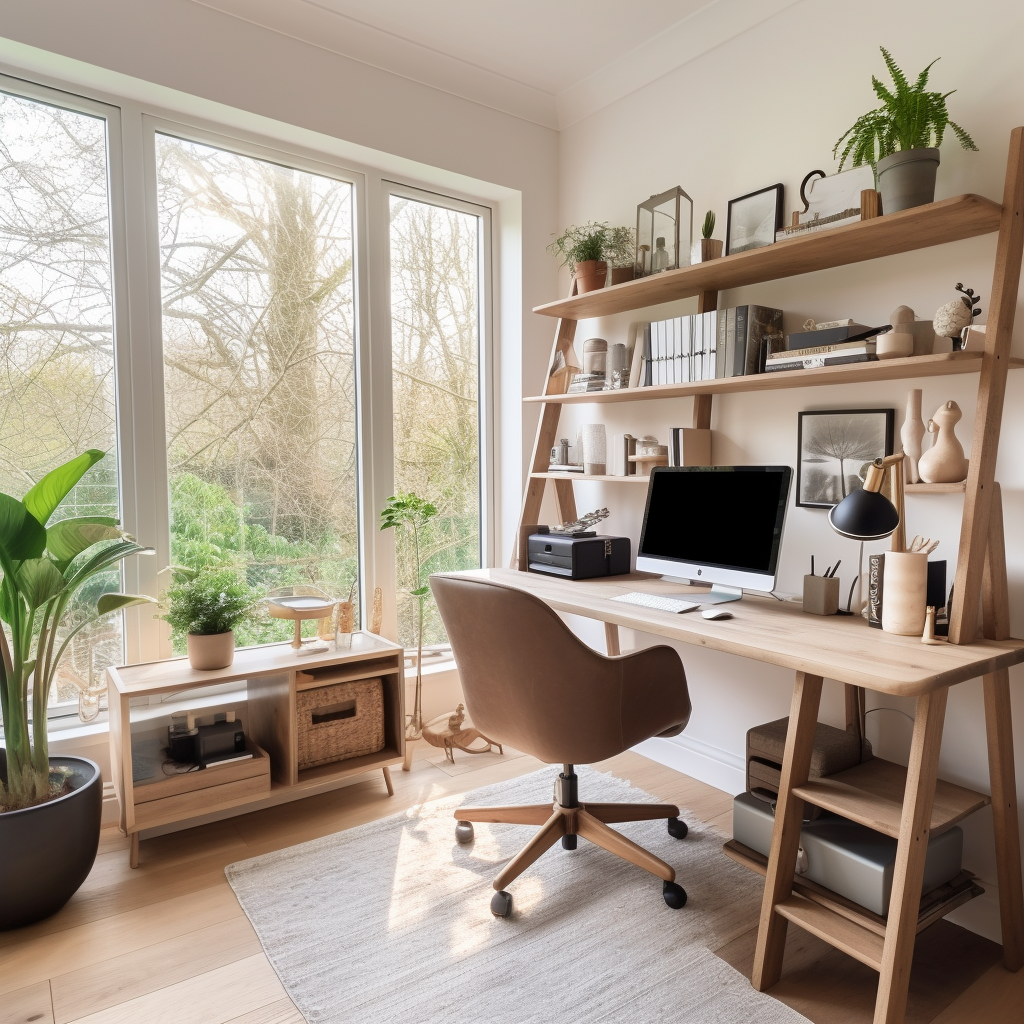
Let's talk about comfort and health. Slouching over a laptop on the sofa might seem appealing initially, but it’s a recipe for back pain and fatigue. Investing in good ergonomics is non-negotiable for long-term productivity and well-being. This means a supportive chair that allows your feet to rest flat on the floor and your arms to be at a comfortable angle. Your monitor should be at eye level to prevent neck strain. A separate keyboard and mouse can also make a big difference if you're using a laptop for extended periods. Think of it as setting up your body for success. When you're physically comfortable, your mind can focus on the task at hand, not on that nagging ache in your shoulders. Even small adjustments, like using a cushion for lumbar support or elevating your laptop with a stand, can have a significant impact. Don't underestimate the power of a well-configured setup; it's an investment in your health and your work quality.
Declutter and Organize: A Clear Space, A Clear Mind
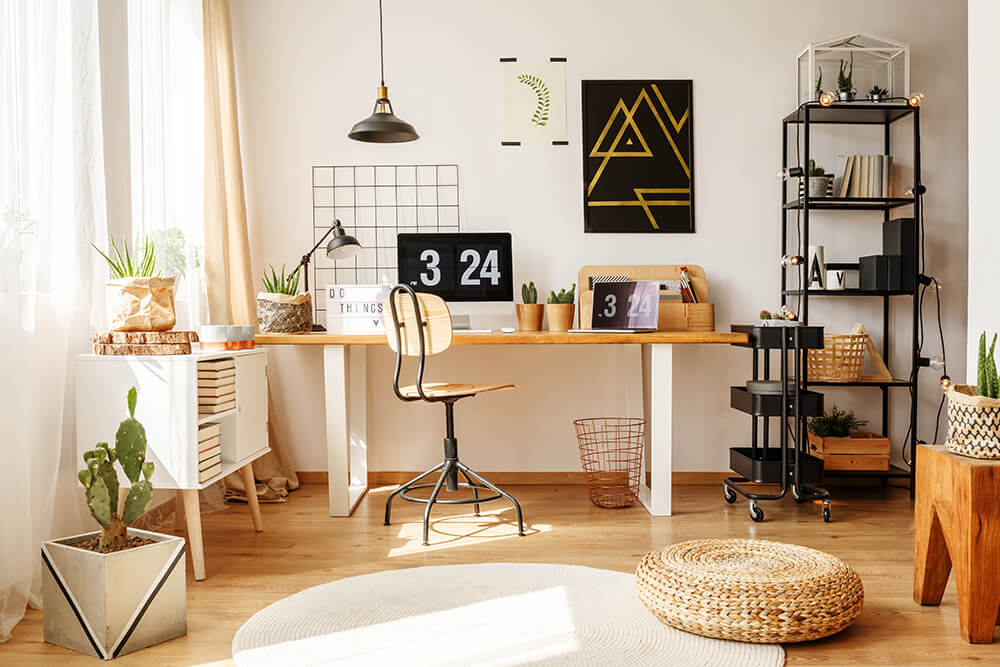
Is your desk a graveyard of old coffee cups and stray papers? Visual clutter can translate directly into mental clutter, making it harder to focus and feel motivated. Taking the time to declutter and organize your workspace is a game-changer. Everything should have a place. Use drawer organizers, shelves, file folders, and pen holders to keep things tidy. Go digital where possible, reducing the need for physical files. A clean and organized desk not only looks better but also helps you find what you need quickly, saving precious time and reducing frustration. Consider a weekly 'reset' – spend 10-15 minutes at the end of each week tidying up. This prevents the mess from accumulating and ensures you start each new week with a fresh, inviting workspace. A well-organized environment can significantly boost your sense of control and calm.
Minimizing Distractions: Taming the Chaos
This is often the biggest hurdle for home-based workers. Distractions come in many forms: social media notifications, household chores calling your name, family members or pets needing attention, or even just the lure of the refrigerator. The first step is awareness. Identify your biggest culprits. Then, implement strategies to combat them. For digital distractions, use website blockers or turn off non-essential notifications. Communicate with your household about your work hours and when you need uninterrupted time. If possible, position your desk away from high-traffic areas. Noise-canceling headphones can be a lifesaver. Sometimes, it’s about setting clear boundaries, both with technology and with people. It might feel awkward at first, but it's essential for maintaining focus and ensuring you're actually getting work done. Remember, focused work sessions are far more productive than fragmented ones.
Personalizing Your Space: Making it Yours
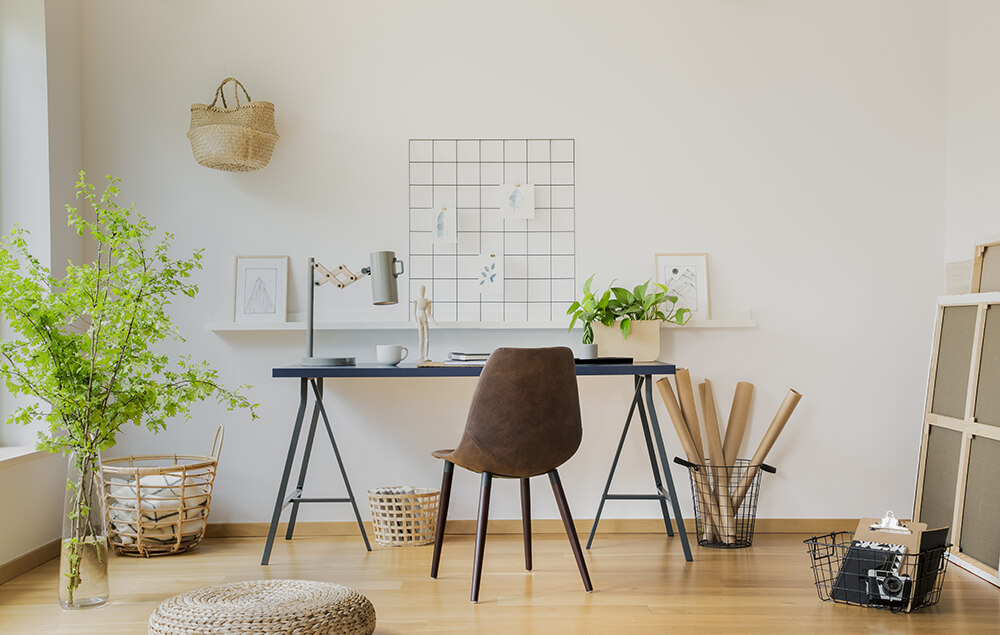
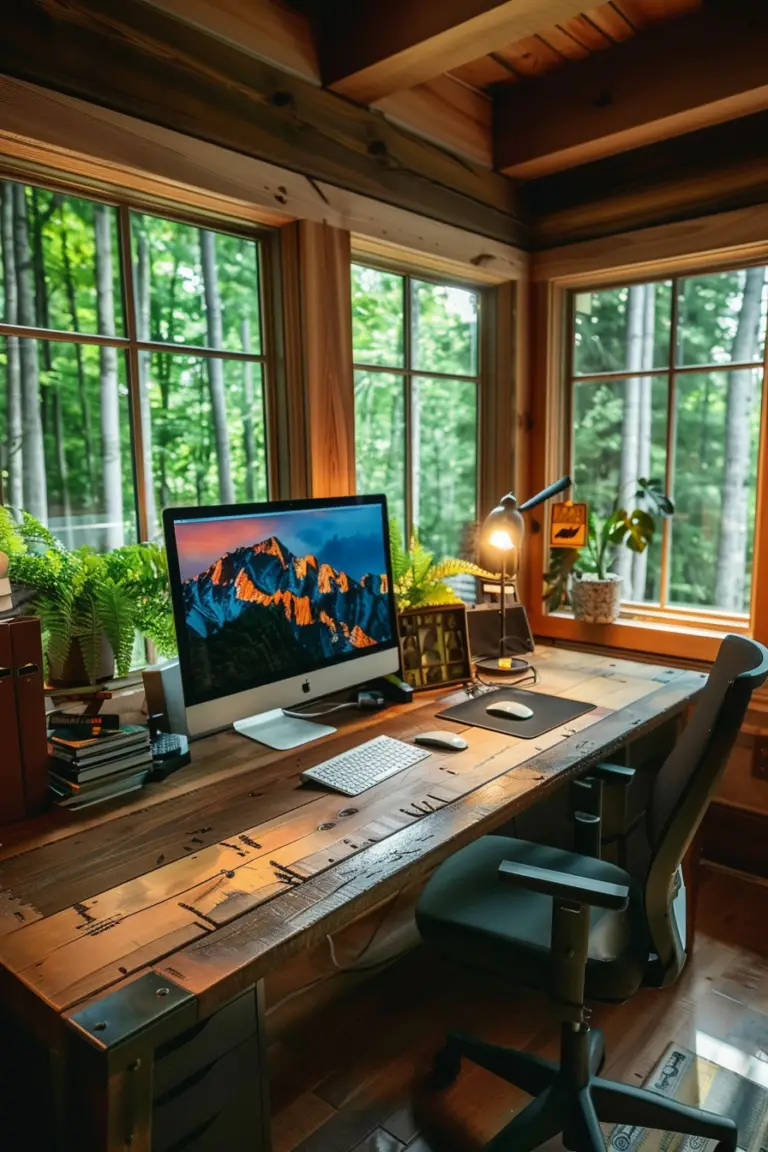
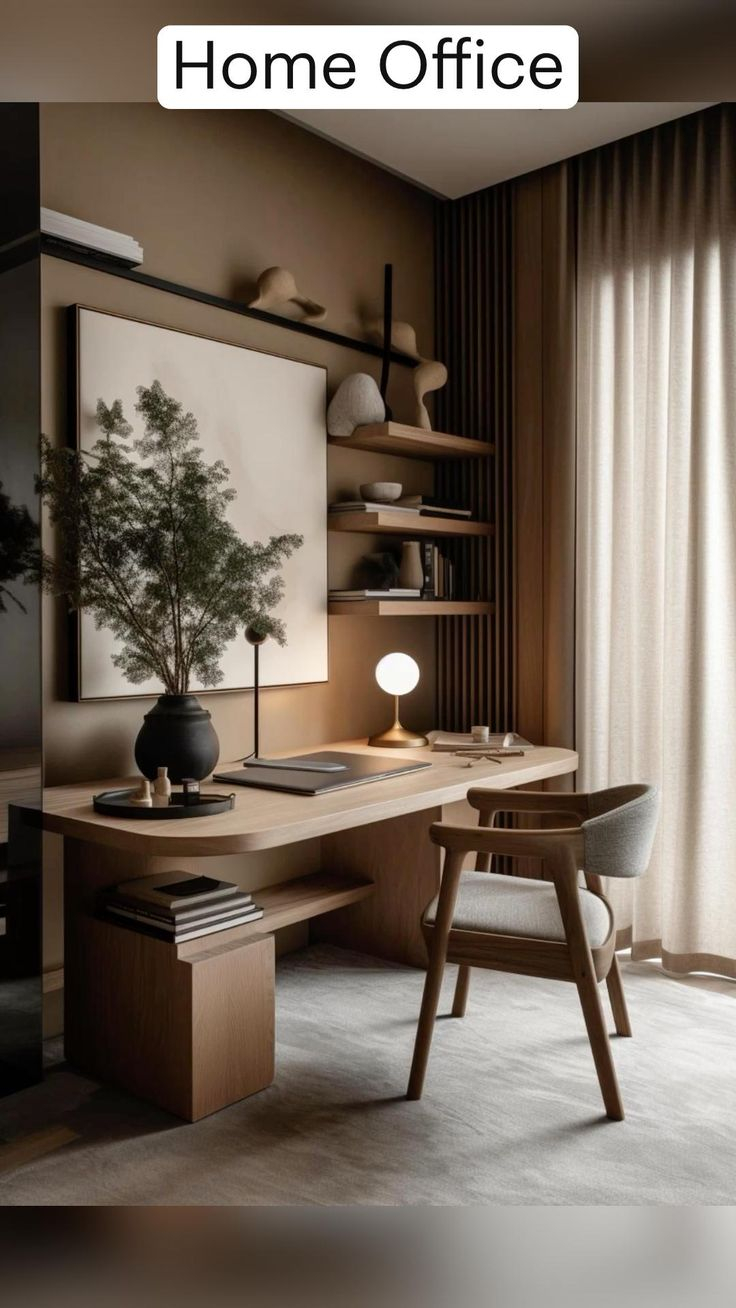
While functionality is key, your workspace should also be a place you enjoy being in. Personalizing the space can boost your mood and creativity. Add a plant to bring in some life and improve air quality. Display a few cherished photos or inspiring artwork. Choose colors that you find calming or energizing. Good lighting, beyond just task lighting, can also make a big difference – consider a nice desk lamp or even string lights for a cozier feel. The goal is to create an atmosphere that feels welcoming and conducive to your best work. It’s about making it a space that reflects you, making it a place you’re happy to return to each day. This isn't about extravagance; it's about thoughtful touches that enhance your experience.
The 'Off' Switch: Maintaining Work-Life Balance
Perhaps the most challenging aspect of a home office is knowing when to switch off. Without a physical commute to delineate the end of the workday, it's easy for work to bleed into personal time. Establish a clear end to your workday. This might involve a ritual, like closing your laptop firmly, tidying your desk, or even changing clothes. It’s about creating a mental break. Set boundaries for checking emails and responding to messages outside of work hours. Schedule non-work activities that you look forward to, whether it's exercise, a hobby, or spending time with loved ones. Your workspace should be productive when you need it to be, but it shouldn't consume your life. Remember, rest and rejuvenation are crucial for sustained productivity and overall happiness. The best home offices support a healthy balance, not an endless work cycle.
Creating a productive and balanced home office is an ongoing process, not a one-time fix. It requires a bit of intention and willingness to adapt. By thoughtfully considering your space, your comfort, your organization, and your boundaries, you can transform your work-from-home experience from a struggle into a success. It's about building a sanctuary that empowers you to do your best work while also protecting your precious personal time and well-being. So, take a look around your current setup. What's one small change you can make today to bring you closer to your ideal productive workspace and that all-important home office balance. You've got this.