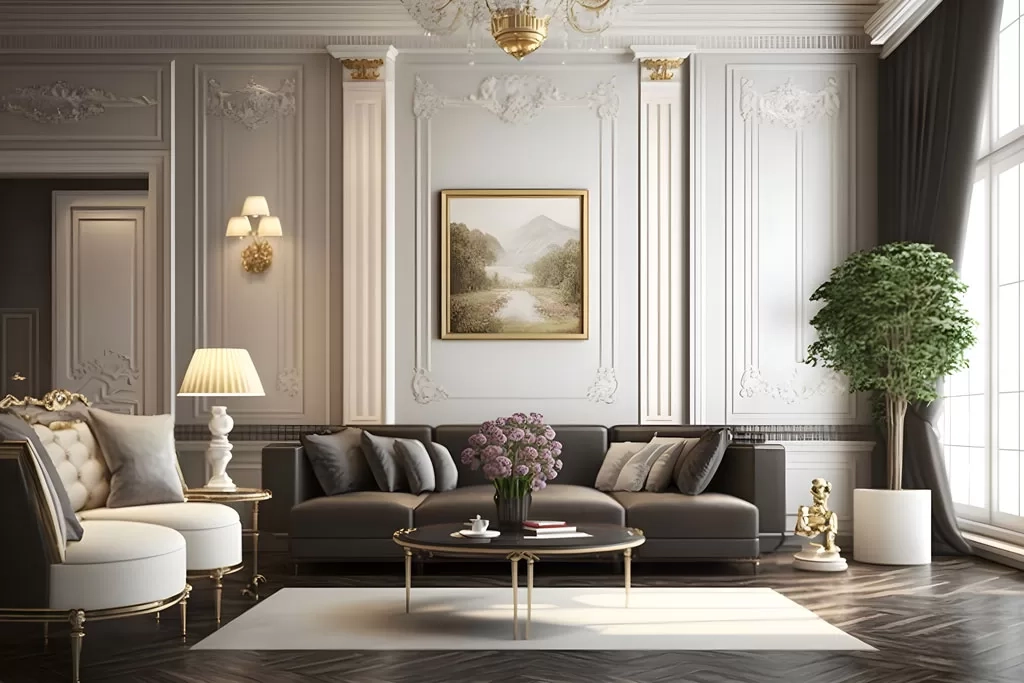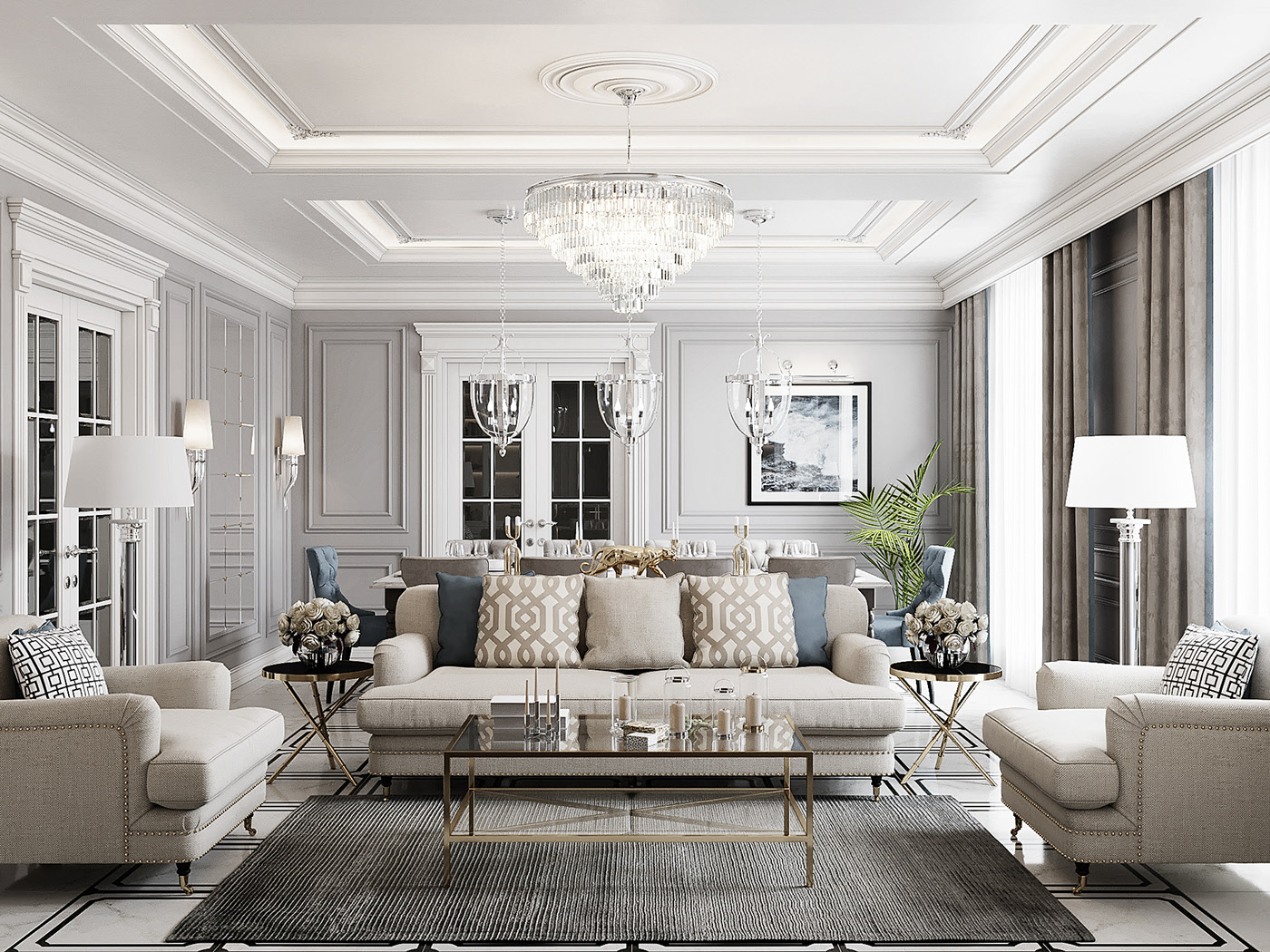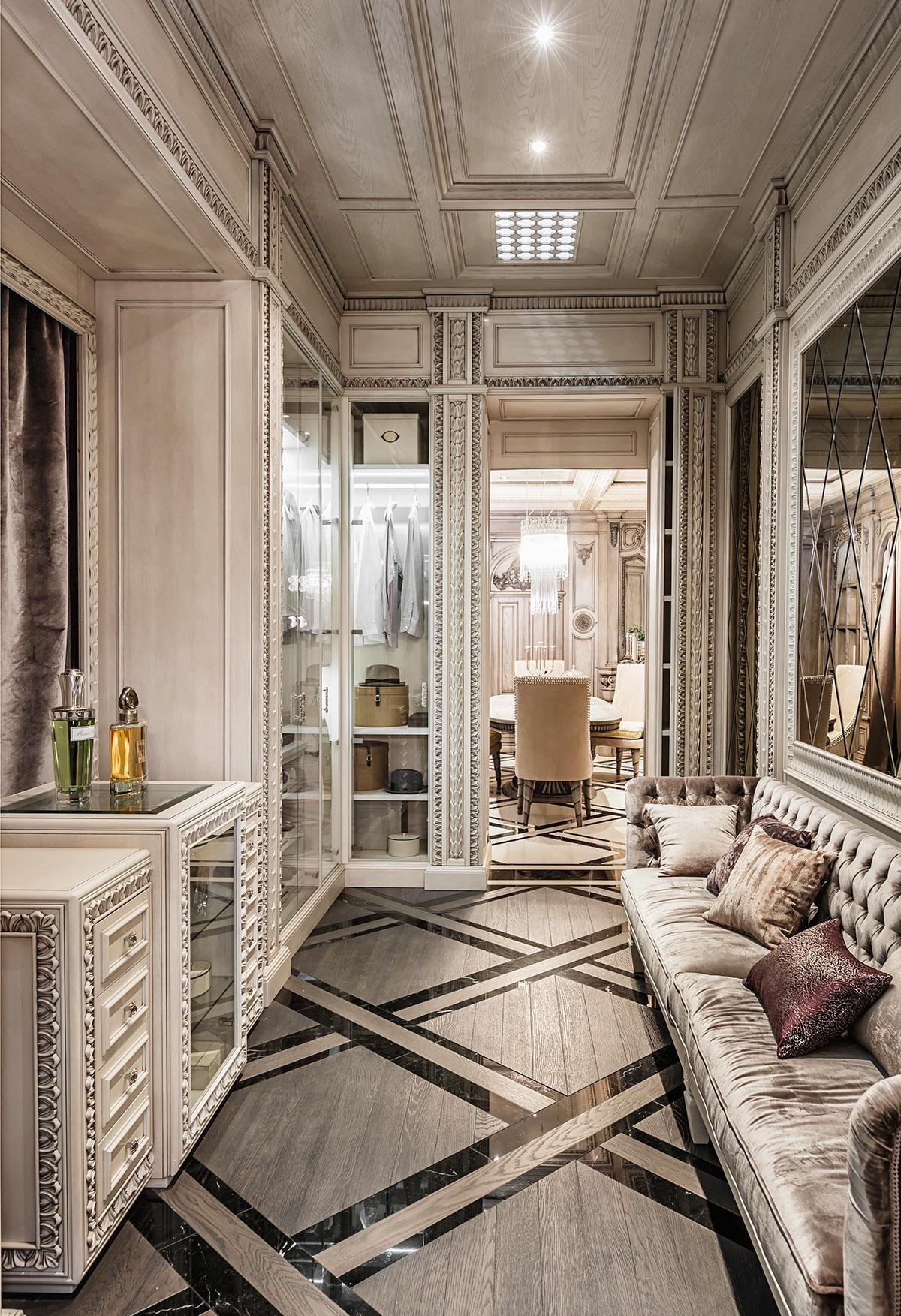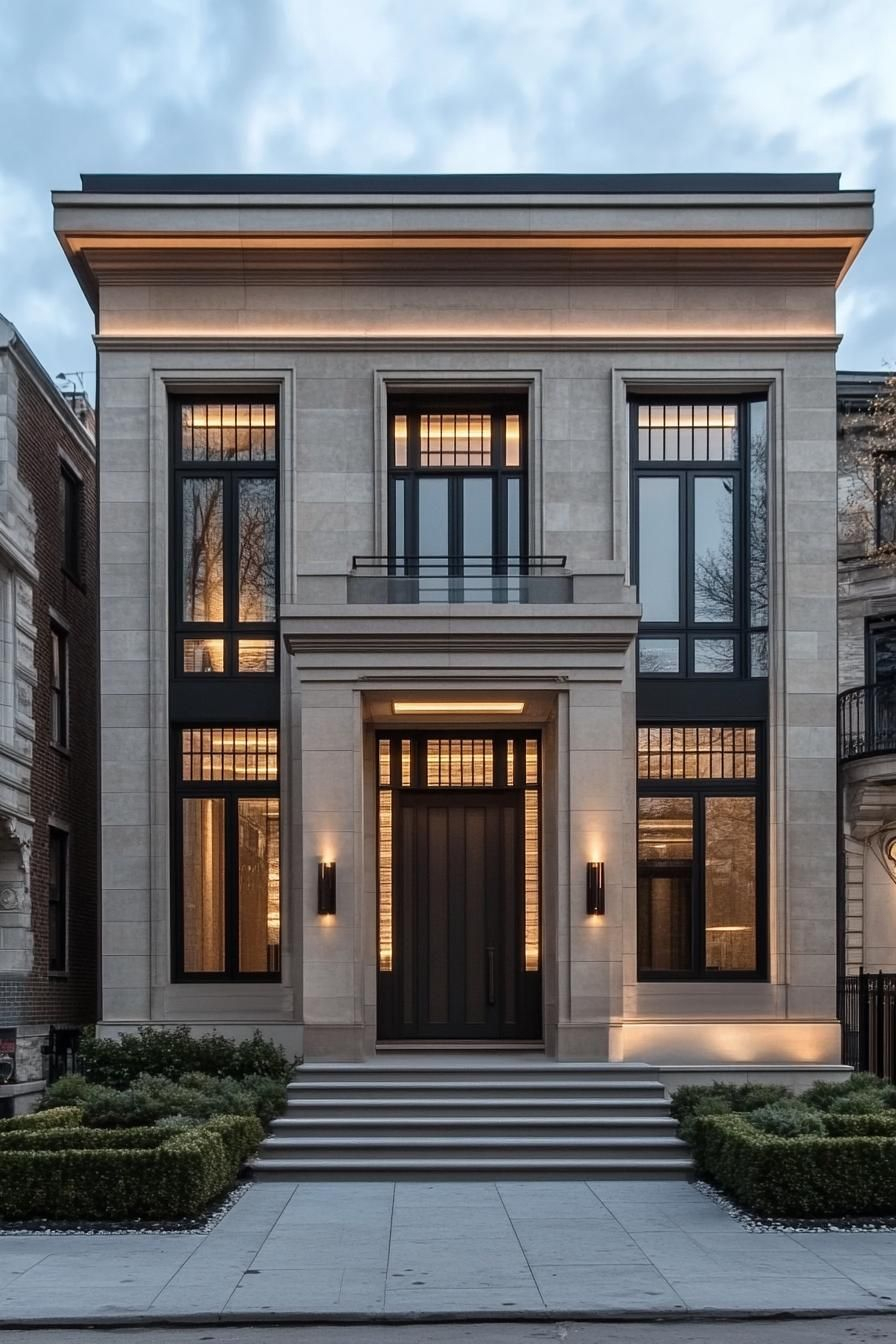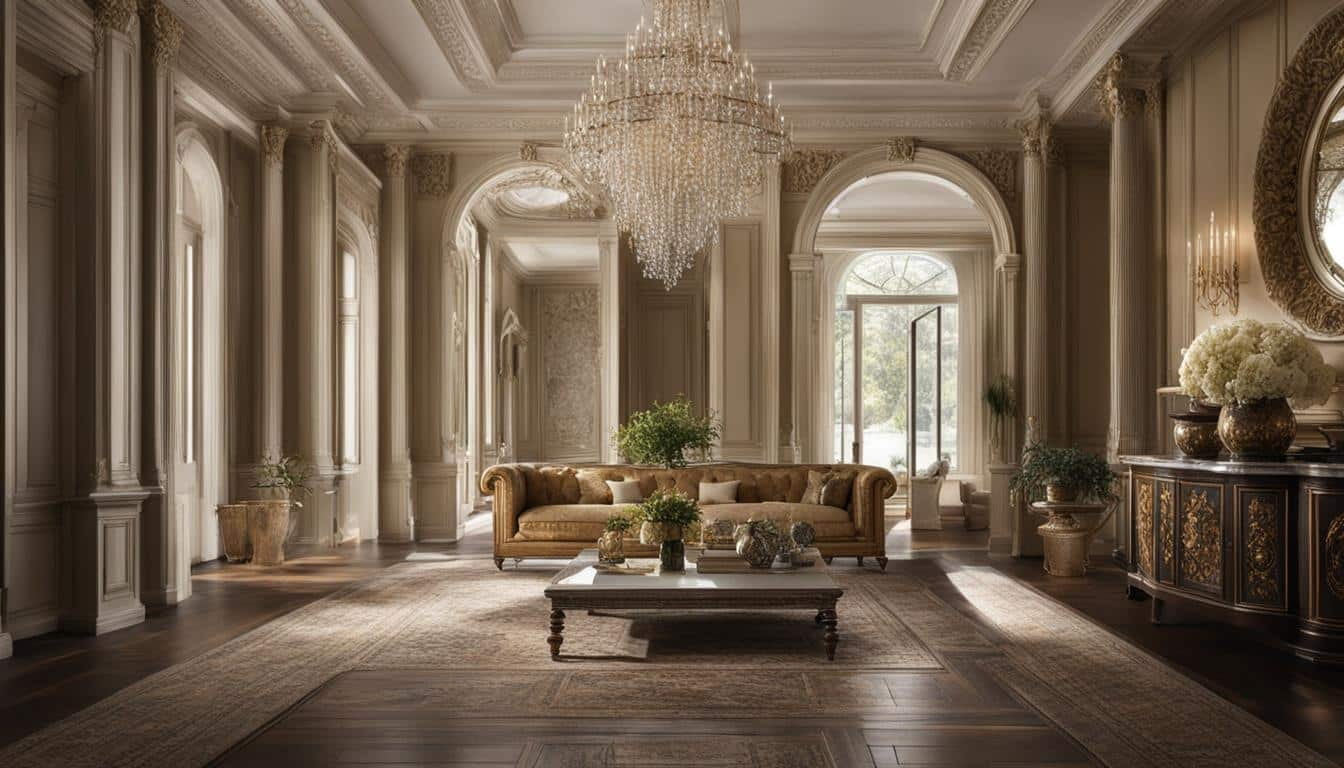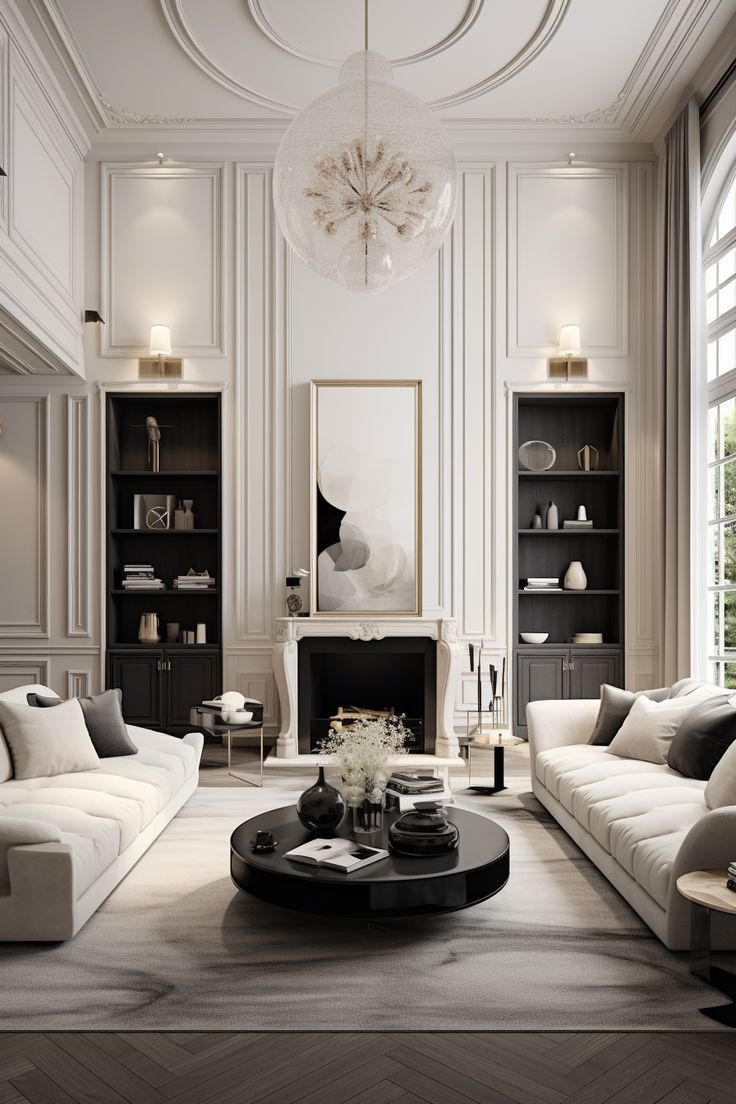
Ever admired the grandeur of Neoclassical design – those stately columns, symmetrical layouts, and rich ornamentation – but felt it was a bit too... well, old? You're not alone. Many people are drawn to its timeless appeal but want to inject a sense of current style. The good news? You don't have to choose between old-world elegance and modern flair. Transitional decor is all about that perfect marriage, and we're here to show you how to infuse your Neoclassical spaces with a refreshing dose of modernity. It's about creating a home that feels both rooted in history and vibrantly alive today.
Neoclassical decor, with its roots in ancient Greek and Roman aesthetics, conjures images of sophistication and order. Think balanced proportions, clean lines (despite the ornamentation!), and a sense of enduring quality. It speaks of history, culture, and a certain refined taste. However, in today's fast-paced world, a space that feels too historically accurate can sometimes feel a little stuffy or dated. We crave comfort, functionality, and a reflection of our own personalities, which often lean towards contemporary sensibilities. Transitional design offers the ideal solution, allowing us to honor the past while embracing the present. It’s about finding that sweet spot where classic meets current, creating interiors that are both comfortable and chic. Let's explore how to achieve this harmonious blend.
Deconstructing Neoclassical: What to Keep, What to Adapt
Before we start adding, it's helpful to understand the core elements of Neoclassical design. We're talking about symmetry, architectural details like pilasters and pediments, rich fabrics (velvet, silk), ornate furniture, and a color palette often featuring creams, golds, and deep jewel tones. When infusing modernity, we don't discard these elements entirely. Instead, we selectively reinterpret them.
Consider the essence of symmetry. Does it need to be perfectly mirrored, or can a balanced, asymmetrical arrangement achieve a similar sense of order with a modern twist? Perhaps you keep a symmetrical furniture layout but introduce modern art on one side and a sleek floor lamp on the other. The key is identifying the foundational principles and then finding contemporary ways to express them. It's like taking a classic melody and adding a modern beat.
The Power of Palette: Shifting Your Color Story
Neoclassical often leans towards deep, rich colors or softer, antique-inspired hues. To modernize, we can introduce brighter, cleaner shades or more muted, sophisticated neutrals.
Think about this:
- Crisp Neutrals: Instead of a creamy ivory, opt for a stark white or a cool, pale grey. This immediately brightens the space and provides a neutral canvas for bolder accents.
- Pops of Color: If you love jewel tones, try a more vibrant, saturated version, or use them sparingly in accessories rather than large upholstered pieces. A deep emerald green sofa might be classic, but a pair of emerald accent pillows on a neutral sofa feels decidedly modern.
- Metallic Accents: While gold is traditional, consider mixing in brushed brass, matte black, or even chrome for a more contemporary feel. These unexpected metallic combinations add visual interest.
Furniture Fusion: Mixing Old and New
This is where the magic of transitional design truly shines. Combining Neoclassical pieces with modern furniture creates a dynamic and unexpected look.
Here's how to do it effectively:
- The Statement Piece: Introduce one or two contemporary furniture items into a room with predominantly Neoclassical pieces. A sleek, minimalist coffee table in front of a more ornate sofa, for instance.
- Modern Upholstery: If you have a classic chair frame, consider reupholstering it in a modern fabric – perhaps a textured linen, a geometric pattern, or even a bold, solid color. This gives the old form a completely new personality.
- Clean Lines: Look for modern pieces with clean, simple lines that complement, rather than compete with, the more detailed Neoclassical elements. A simple modern armchair can sit comfortably next to an antique console table.
Textiles and Textures: A Layered Approach
Fabric choices can dramatically shift the feel of a room. While Neoclassical often features heavy brocades and damasks, modern design embraces a wider range of textures.
Consider incorporating:
- Natural Fibers: Linen, cotton, and wool in their natural, unadorned forms add a touch of understated elegance and a modern, breathable quality.
- Geometric Patterns: Move beyond florals and scrolling motifs. Introduce contemporary geometric patterns in rugs, throw pillows, or even curtains.
- Contrasting Textures: Juxtapose the smooth, polished surfaces of Neoclassical pieces with rougher, more organic textures. Think a chunky knit throw on a velvet chaise lounge, or a natural wood accent table next to a marble-topped piece. This contrast adds depth and visual intrigue.
Art and Accessories: The Finishing Touches
Accessories are your secret weapon for infusing modernity. They’re easier to swap out and can make a significant impact.
Think about:
- Modern Art: A large abstract painting or a series of minimalist prints can instantly update a room with classical architecture.
- Sculptural Elements: Opt for modern, sculptural vases or decorative objects rather than overly fussy figurines.
- Lighting: Swap out traditional chandeliers for more contemporary fixtures. This could be a sleek, metallic pendant light, a minimalist floor lamp, or even a series of modern sconces. Good lighting is crucial for setting the mood and can really modernize a space.
- Greenery: Fresh plants or modern-styled artificial greenery can bring life and a contemporary organic feel into the room.
Layout and Flow: Embracing Openness
Neoclassical interiors often adhere to strict symmetry and formal room arrangements. Modern living, however, often favors more open, flexible spaces.
To achieve this:
- Declutter: A minimalist approach to accessories and furniture placement can create a sense of spaciousness and airiness, which is very modern.
- Traffic Flow: Consider how you move through the space. Can you create more intuitive pathways? Perhaps by repositioning furniture slightly away from rigid symmetry.
- Multi-functional Pieces: Incorporate furniture that serves multiple purposes, reflecting a practical, modern lifestyle. A storage ottoman can double as a coffee table or extra seating.
Infusing modernity into your transitional Neoclassical decor isn't about erasing the past; it's about celebrating it in a new light. It’s a delicate dance between the ornate and the simple, the traditional and the contemporary. By thoughtfully updating your color palette, mixing furniture styles, playing with textures, and choosing modern accessories, you can create a space that feels both grand and inviting, timeless and current. Remember, the goal is to create a home that feels authentic to you, a sanctuary that honors historical elegance while embracing the dynamism of modern living. So go ahead, experiment, and find that perfect balance that makes your space uniquely yours.