Ever walked into a room and felt… nothing? Or perhaps, you’ve admired spaces that just feel right, bursting with personality and stories. The secret often lies in how a space showcases art. It’s not just about hanging pictures; it’s about curating an experience, transforming your house into a reflection of your soul and a place that truly inspires. Let's explore how you can make your home a living gallery, a space that breathes with creativity and tells your unique narrative.
Think about your favorite museum or gallery. What draws you in? It’s usually more than just the art itself; it's the atmosphere, the way pieces are presented, and the emotional connection they forge. Now, imagine bringing that same magic into your own home. Transforming your living space into a personal art gallery isn't about replicating a sterile museum environment. It's about infusing your daily life with beauty, meaning, and conversation starters. It’s about making your home a dynamic, evolving canvas that celebrates what you love. Ready to start curating your own masterpiece? Let's dive in.
Defining Your Artistic Vision
Before you start hanging anything, take a moment to consider your artistic identity. What kind of art speaks to you? Is it bold abstract paintings, serene landscapes, vibrant photography, or perhaps eclectic sculptures and crafts? Think about the colors, themes, and emotions you're drawn to. Your art collection should feel like a natural extension of your personality and your home’s existing style. Don't be afraid to mix and match, but having a general direction will help you make cohesive choices. For instance, if you love the calm of nature, you might lean towards botanical prints and earthy tones. If you're drawn to the energy of the city, perhaps black and white photography and geometric pieces would fit. It’s your space, your rules.
Choosing the Right Pieces: Beyond the Obvious
Your art doesn't have to be expensive or by a famous artist to be meaningful. What matters is its personal significance. This could include:
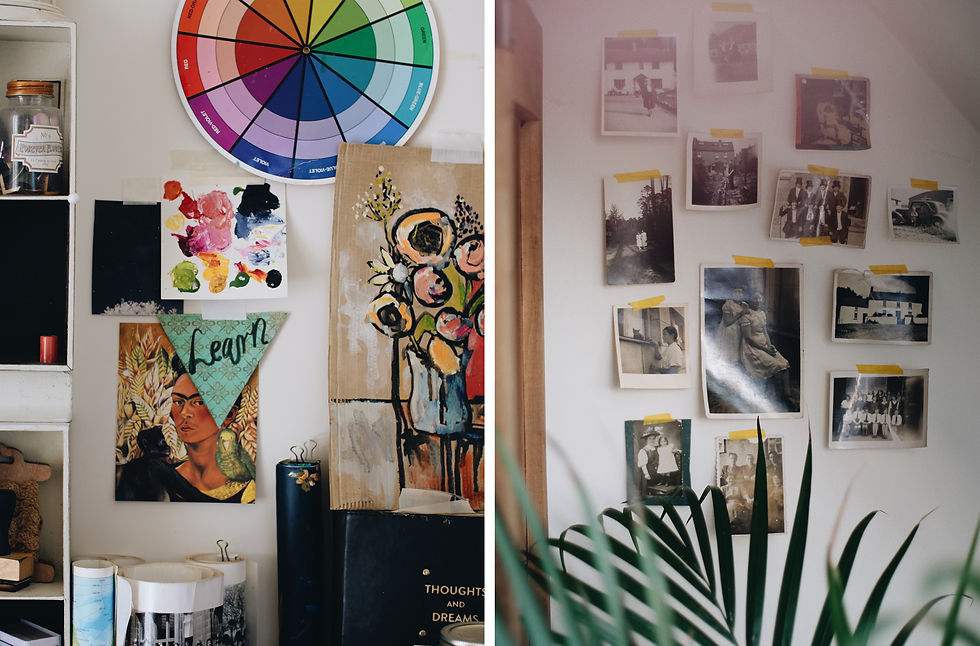
- Family heirlooms and photos: Old portraits, cherished snapshots, or even your children's early artwork can add immense sentimental value.
- Travel souvenirs: Remember that stunning view from your vacation? A print or even a small sculpture from your travels can evoke wonderful memories.
- Local artists: Supporting artists in your community not only adds unique pieces to your home but also connects you to your surroundings.
- Crafts and textiles: Hand-woven rugs, intricate pottery, or unique textile art can be just as impactful as paintings.
- Your own creations: If you're artistically inclined, displaying your own work is a powerful way to personalize your space.
It's about building a collection that tells your story. Think of each piece as a chapter in your home's narrative.
Strategic Placement: Where to Hang What
The placement of your art is crucial. It’s not just about filling empty space. Consider the flow of your home and how each room is used.
- Entryway: This is your first impression. A striking piece here sets the tone for the rest of your home. A welcoming abstract or a bold portrait can immediately engage visitors.
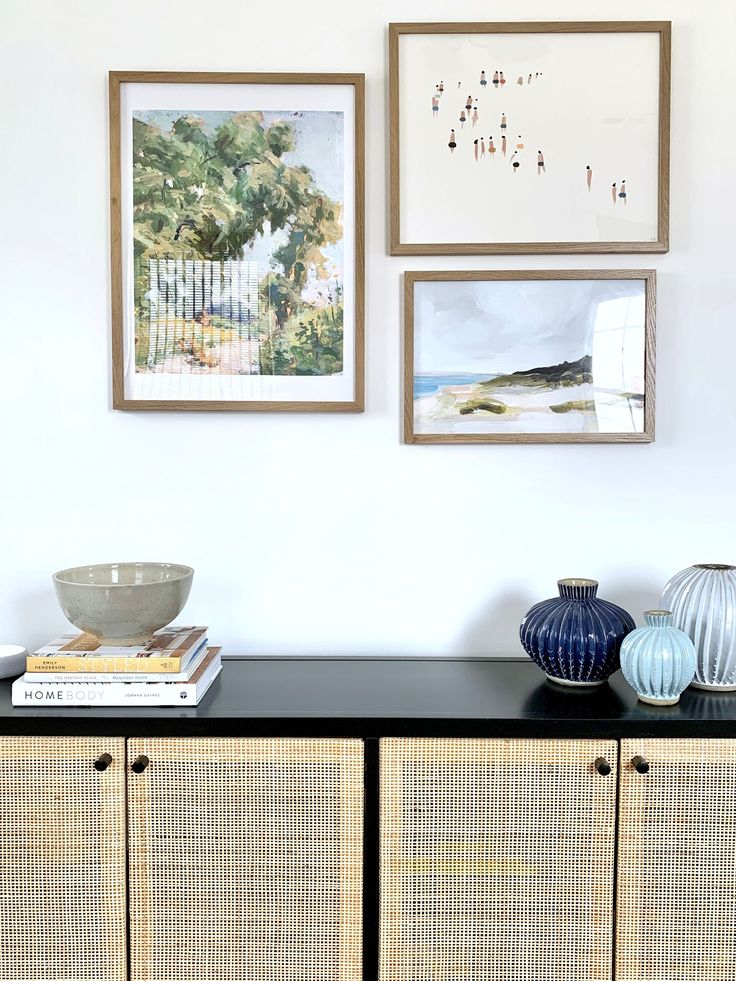
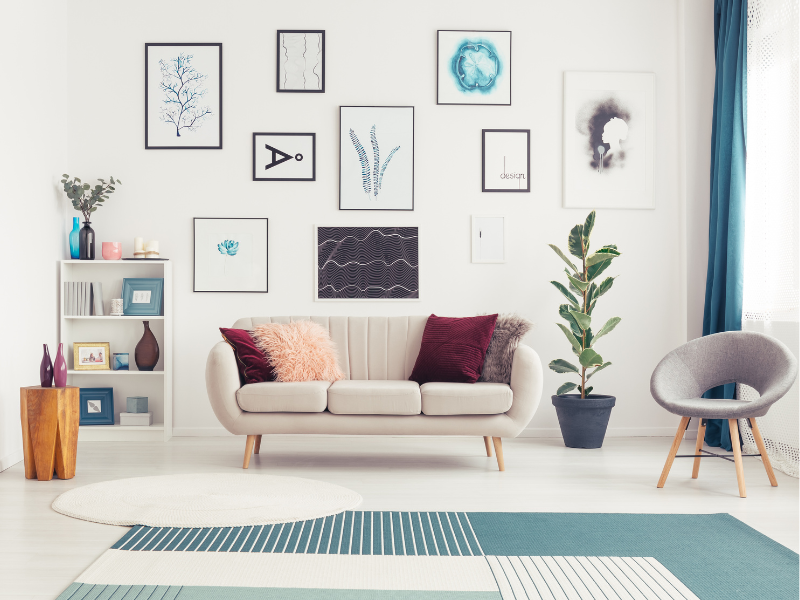
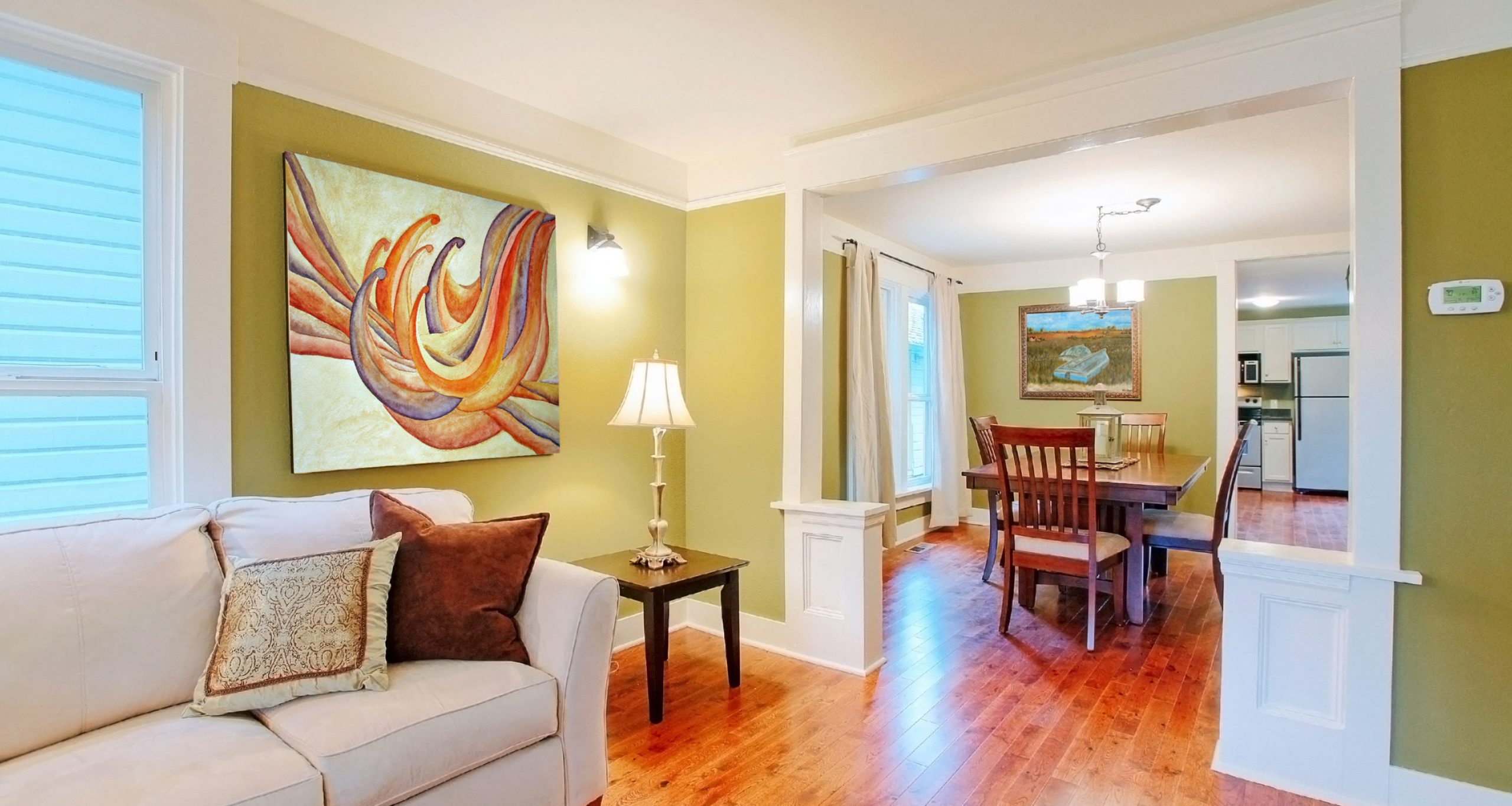
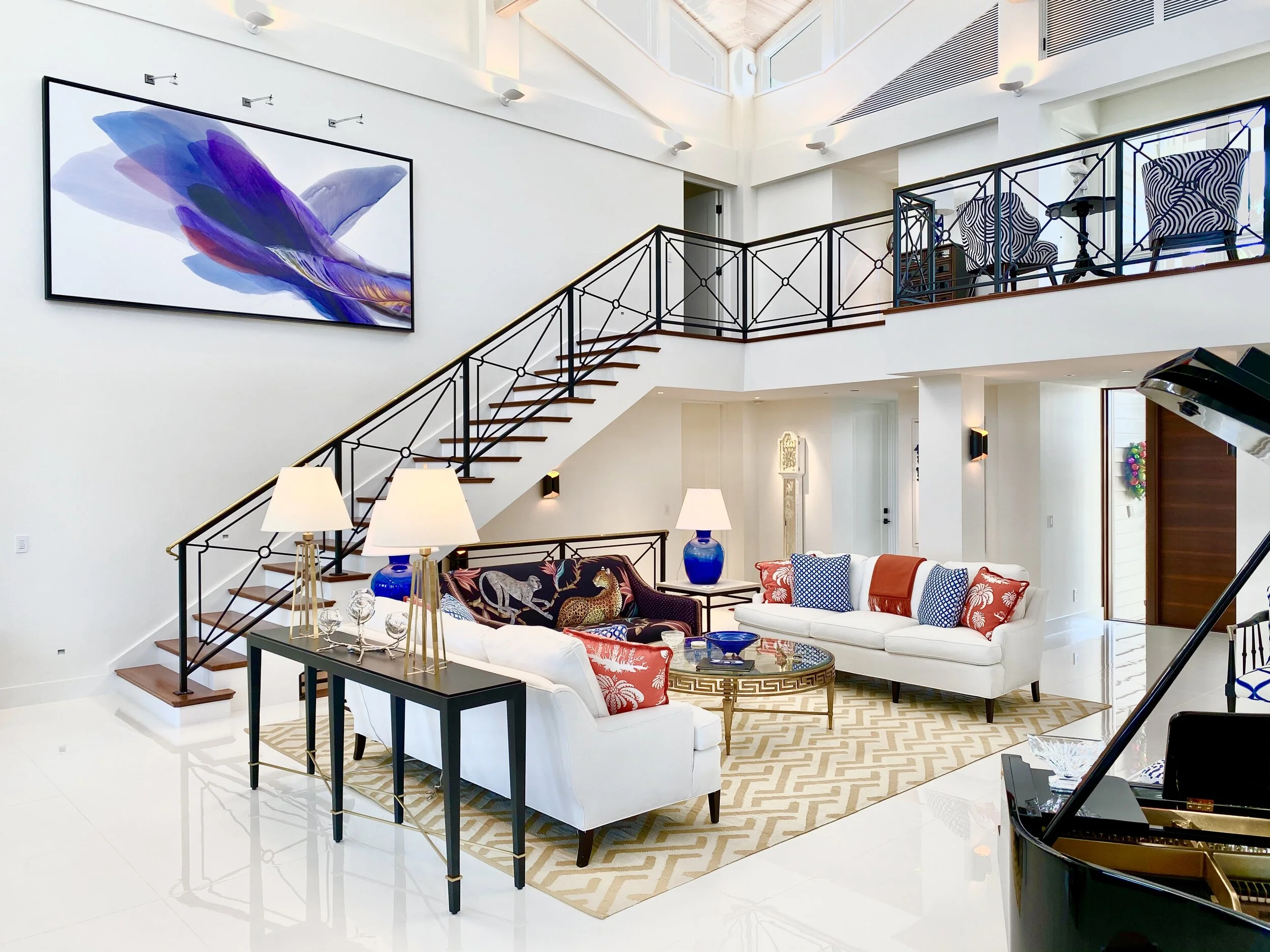
- Living Room: This is often the heart of the home. You can create a gallery wall with a mix of framed prints and photographs, or opt for one large statement piece above the sofa. Think about conversation areas and how art can enhance them.
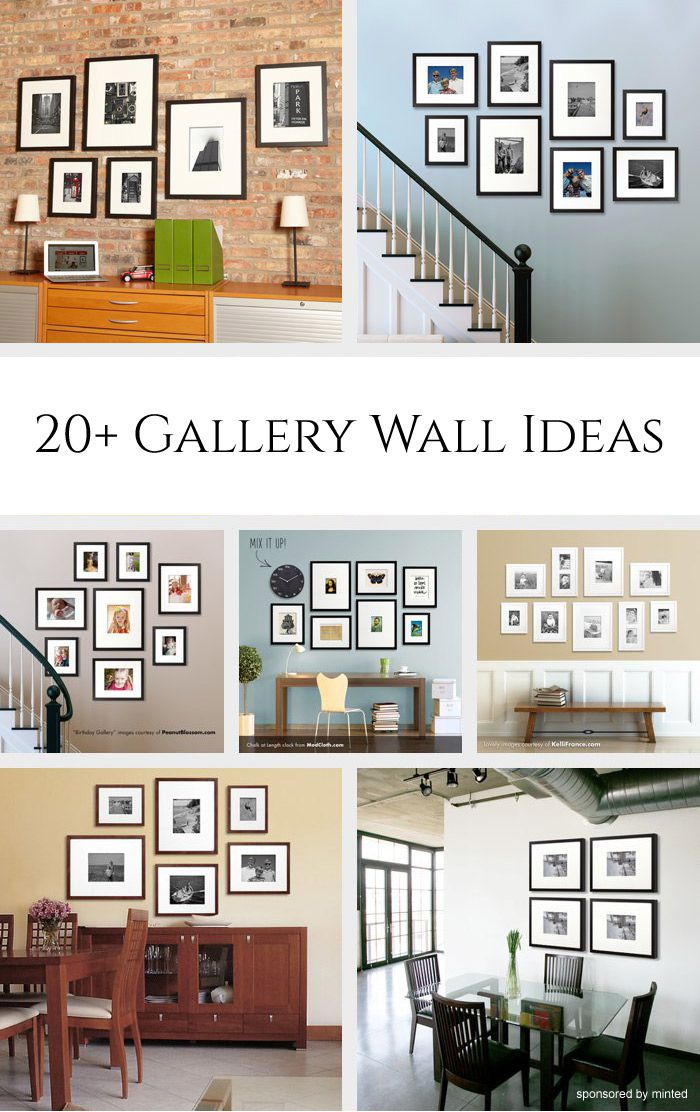
- Hallways: Often overlooked, hallways can become stunning galleries. A series of smaller pieces or a long, narrow artwork can guide the eye and add visual interest.
- Kitchen and Dining Areas: Consider art that complements the function of these spaces. Perhaps still lifes, or pieces with vibrant, appetite-stimulating colors. Be mindful of moisture and heat, though.
Remember the golden rule: hang art at eye level. The center of the artwork should generally be about 57-60 inches from the floor.
Framing and Presentation: The Finishing Touches
The right frame can elevate any piece of art. It’s not just a border; it's part of the artwork’s presentation.
- Consistency vs. Eclecticism: You can opt for a consistent framing style throughout your home for a cohesive look, or embrace a more eclectic approach where different frames complement individual pieces.
- Matting: Using mats (the cardboard-like border) can make smaller pieces appear more substantial and help them stand out. White or off-white mats are classic and versatile.
- Consider the medium: A delicate watercolor might need a simple, understated frame, while a bold oil painting could handle a more ornate one.
- Gallery walls: When creating a gallery wall, you can use a mix of frame styles and sizes, but try to maintain some visual harmony, perhaps through color or material.
Don't underestimate the power of good lighting, either. Spotlights or track lighting can beautifully illuminate your chosen pieces and create a true gallery feel.
Lighting Your Masterpieces
Great art deserves to be seen, and lighting plays a pivotal role in that. Proper illumination can highlight textures, colors, and details, transforming a piece from flat to dynamic.
- Natural Light: While beautiful, direct sunlight can fade artwork over time. Position pieces where they get diffused natural light, or use UV-protective glass in frames.
- Ambient Lighting: This is the general illumination of the room. Think lamps and overhead fixtures that provide a soft glow.
- Accent Lighting: This is where the gallery magic happens. Track lighting, picture lights, or spotlights directed at specific artworks draw attention and create dramatic focal points.
- Dimmable Switches: Installing dimmers allows you to control the mood and intensity of light, adapting your gallery to different times of day or occasions.
Experiment with different lighting options to see how they affect your art. What looks good one way might look even better another.
Evolving Your Gallery: A Living, Breathing Space
Your home gallery shouldn't be static. As your tastes evolve, your collection can too. Don't be afraid to rotate pieces, bring out seasonal art, or swap out items that no longer resonate. Perhaps you acquire a new favorite painting, or a friend gifts you a beautiful sculpture. Integrate these new treasures! Rearrange existing pieces to create fresh perspectives. Your home gallery is a reflection of your life, and life is always changing. Embrace that evolution. It keeps your space dynamic and exciting, always offering something new to discover.
Transforming your home into a living art gallery is a personal journey. It’s about more than just decorating; it’s about curation, expression, and creating a space that truly nourishes your spirit. By thoughtfully selecting, placing, and presenting your art, you can imbue your home with personality, warmth, and a unique sense of beauty. So go ahead, start exploring your walls, and let them tell the stories you want to share. Your masterpiece awaits.