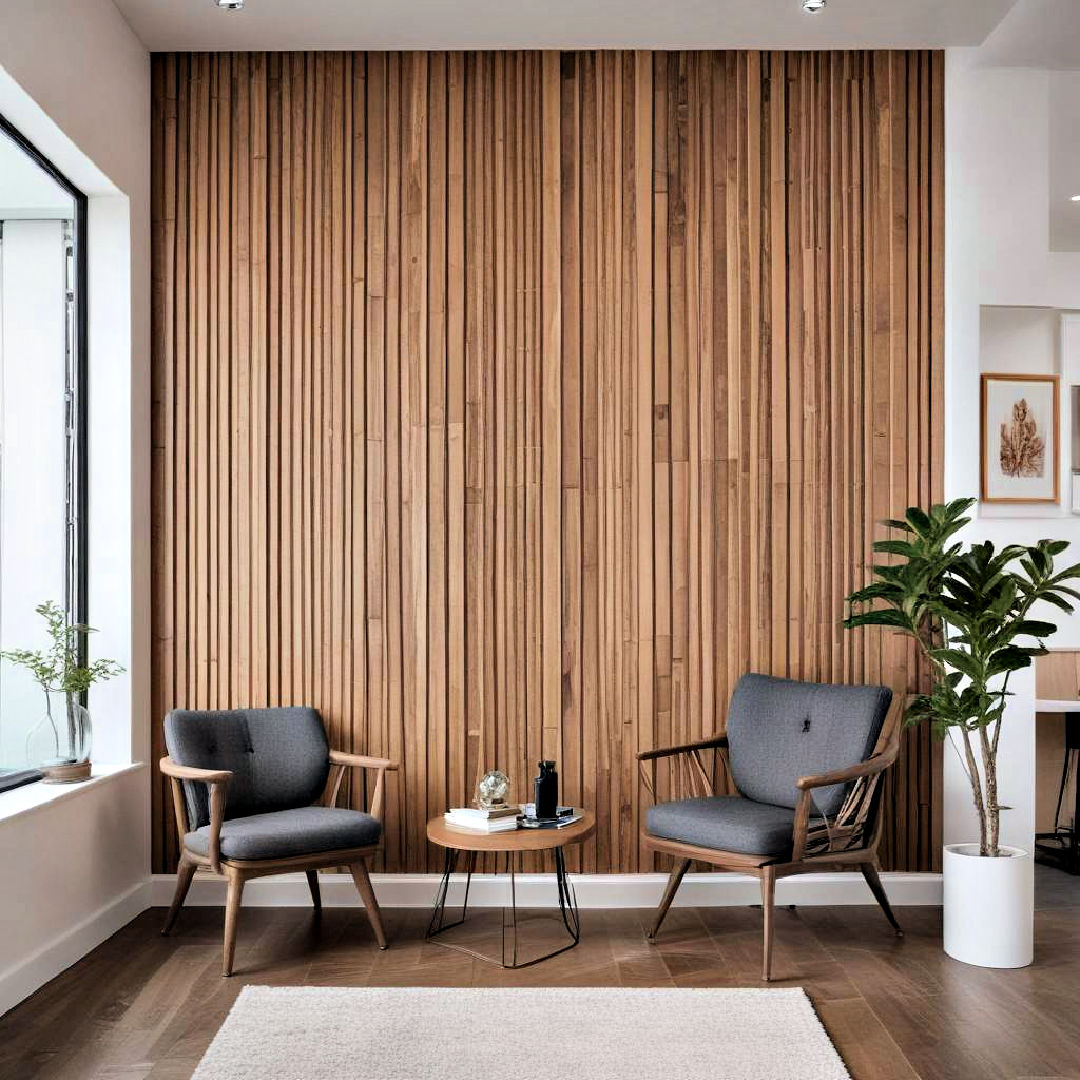
Ever walked into a room and felt an undeniable sense of warmth and personality? Often, that feeling comes from the thoughtful use of wood finishes. For a long time, the conventional wisdom was to stick to one type of wood or finish throughout your home. But times have changed, and so has our understanding of interior design. Mixing wood finishes isn't just acceptable now; it's a powerful way to add depth, character, and a truly bespoke feel to your living spaces. It's about creating a curated look that feels intentional and lived-in, not like you’re trying too hard. Think of it like composing a great piece of music – you need different instruments playing in harmony to create something truly special. Let's explore how you can achieve that beautiful blend in your own home.
The idea of mixing wood finishes might sound a little daunting at first. After all, we've been conditioned to believe that everything should match perfectly, right? But in reality, a monochromatic approach to wood can sometimes feel a bit flat or even sterile. When you introduce a variety of wood tones and finishes, you bring in visual interest and a sense of layered sophistication. It allows you to tell a story with your furnishings and architectural elements. Imagine a room with a rich, dark wood dining table, complemented by lighter wood chairs and perhaps a medium-toned wood sideboard. This isn't a clash; it's a conversation between different materials, creating a dynamic and inviting atmosphere. It’s about embracing variety and using it to your advantage to craft a space that feels uniquely yours.
Understanding the Basics: The Color Wheel and Undertones
Before you start grabbing cans of stain, it’s helpful to understand a few fundamental concepts. Just like with paint, wood has undertones. These can be warm (red, yellow, orange), cool (blue, gray, green), or neutral. Recognizing these undertones is crucial for successful mixing. For instance, mixing two warm-toned woods is generally easier than trying to pair a strongly warm wood with a strongly cool one without a mediating element. Think about your existing furniture or flooring. What are their undertones? Are you working with a honey-toned oak (warm), a grayish weathered pine (cool), or a rich cherry (warm with red undertones)? Understanding this will guide your choices. A good rule of thumb is to try and have one dominant wood tone and then use others as accents. This creates a sense of order within the variety.
The 'Rule of Three' and Balancing Your Palette
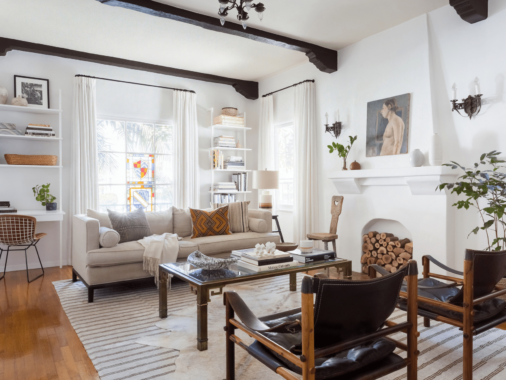
A fantastic guideline for mixing wood finishes is the 'Rule of Three'. This suggests using three different wood tones in a space. This doesn't mean you need three distinct types of wood, but rather three different shades or finishes. For example, you might have a medium-toned wood floor, a lighter wood coffee table, and a darker wood accent chair. The key here is balance. You don't want three equally dominant woods competing for attention. Instead, aim for a primary wood that anchors the room, a secondary wood that complements it, and a tertiary wood or accent that adds a touch of contrast or interest. Consider the scale of each wood element. A large item like a sofa or flooring will have a greater impact than a small decorative bowl. Balancing the visual weight is important for a cohesive look.
Bridging the Gap: Using Transitional Elements
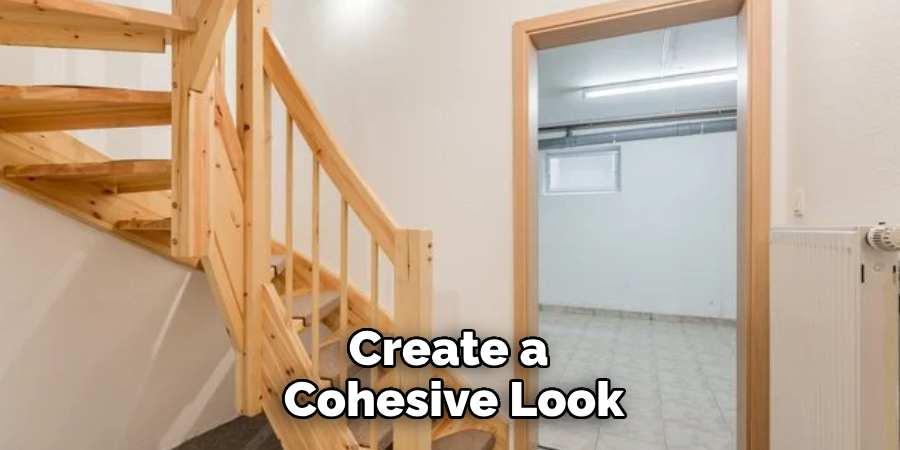
Sometimes, the leap between different wood finishes can feel a bit abrupt. That's where transitional elements come in. These are items that help bridge the gap between your primary and secondary wood tones. Think about elements with a neutral finish, like black, white, or a brushed metal. A black metal lamp on a walnut side table, for instance, can create a visual connection between the wood and other elements in the room. Upholstered furniture in neutral fabrics can also serve this purpose. Even painted furniture can act as a buffer. If you have a very warm oak floor and a cool gray sofa, a cream-colored accent chair or a wooden stool with a natural, un-dyed finish can help smooth the transition and make the overall scheme feel more harmonious. Don't underestimate the power of a well-placed rug or a piece of art to tie disparate elements together.
Texture and Finish: Adding Another Layer of Interest
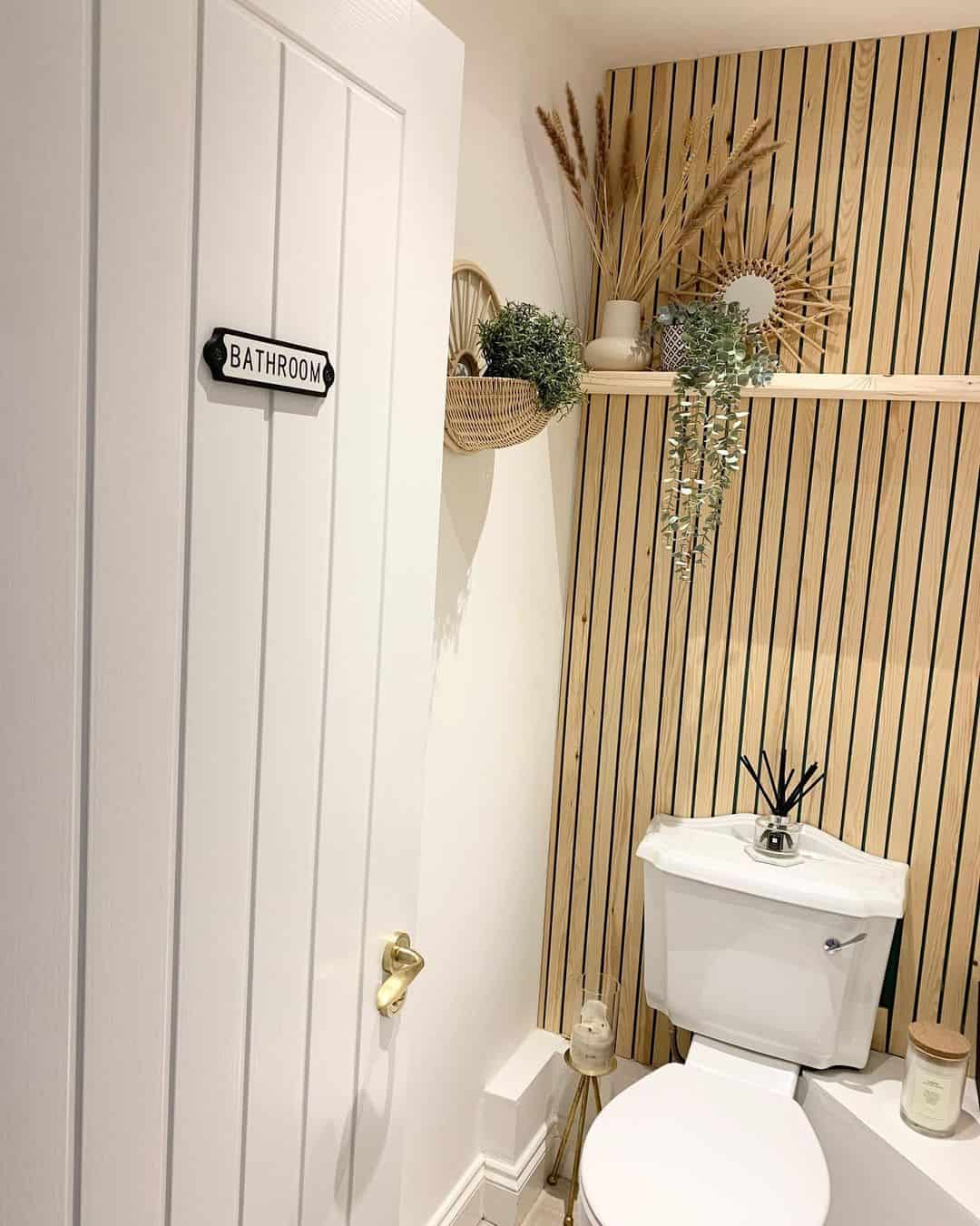
It's not just about the color of the wood; the finish and texture play a huge role too. Mixing different finishes – like matte, satin, high-gloss, or even distressed – can add a lot of character. Consider pairing a smooth, sleek modern wood with something more rustic and textured, like reclaimed wood. The contrast in texture can be just as impactful as the contrast in color. For example, a live-edge wood countertop with a natural, matte finish can look stunning against sleek, painted cabinetry with a satin sheen. Or, perhaps a distressed wood accent wall behind a modern, polished wood media console. These variations in texture and sheen prevent the space from feeling monotonous and add a tactile dimension that invites closer inspection. It’s about creating a sensory experience.
Practical Tips for Mixing Wood: Start Small and Experiment
Feeling inspired but still a bit hesitant? Start small. You don't need to re-stain all your furniture overnight. Try introducing a new wood accent piece, like a set of wooden coasters, a decorative tray, or a small side table. See how it interacts with your existing pieces. Another great way to experiment is with accessories. Wooden picture frames, decorative bowls, or even wooden blinds can introduce new tones without a major commitment. When you're ready for bigger changes, consider refinishing one piece of furniture to complement your existing scheme. Always test stains on scrap wood or an inconspicuous area first to ensure you like the color and how it interacts with the wood's natural grain. Don't be afraid to play around; interior design is a journey, and sometimes the happiest accidents lead to the most beautiful results. Remember, it’s your space, so make it feel like you.
Common Pitfalls to Avoid
While mixing wood finishes is encouraged, there are a couple of common mistakes to watch out for. The first is simply throwing too many different wood tones together without a unifying theme or balance. This can make a room feel chaotic rather than curated. Ensure there’s a dominant wood tone and that your accent woods have some connection, whether it's a shared undertone or a bridging element. Another pitfall is ignoring the scale. A room with only small, disparate wooden accents might feel disconnected. Conversely, too many large pieces of equally strong, different wood tones can overwhelm the space. Pay attention to how the different woods relate to each other in terms of their visual weight and presence. And lastly, don't forget the overall style of your home. While mixing is great, ensure the woods you choose align with the aesthetic you’re aiming for, whether it's modern, rustic, traditional, or eclectic. It's all about creating a cohesive and pleasing whole.
Mixing wood finishes is a sophisticated way to imbue your home with personality and warmth. By understanding undertones, applying the Rule of Three, utilizing transitional elements, and playing with texture and finish, you can create interiors that feel layered, curated, and deeply inviting. Don't be afraid to step outside the traditional matching boxes. Start with small experiments, trust your instincts, and remember that the goal is to create a space that truly reflects your style and feels like home. The richness and depth that varied wood tones bring are unparalleled, transforming ordinary rooms into extraordinary ones. So go ahead, embrace the blend, and unlock your home's full potential.