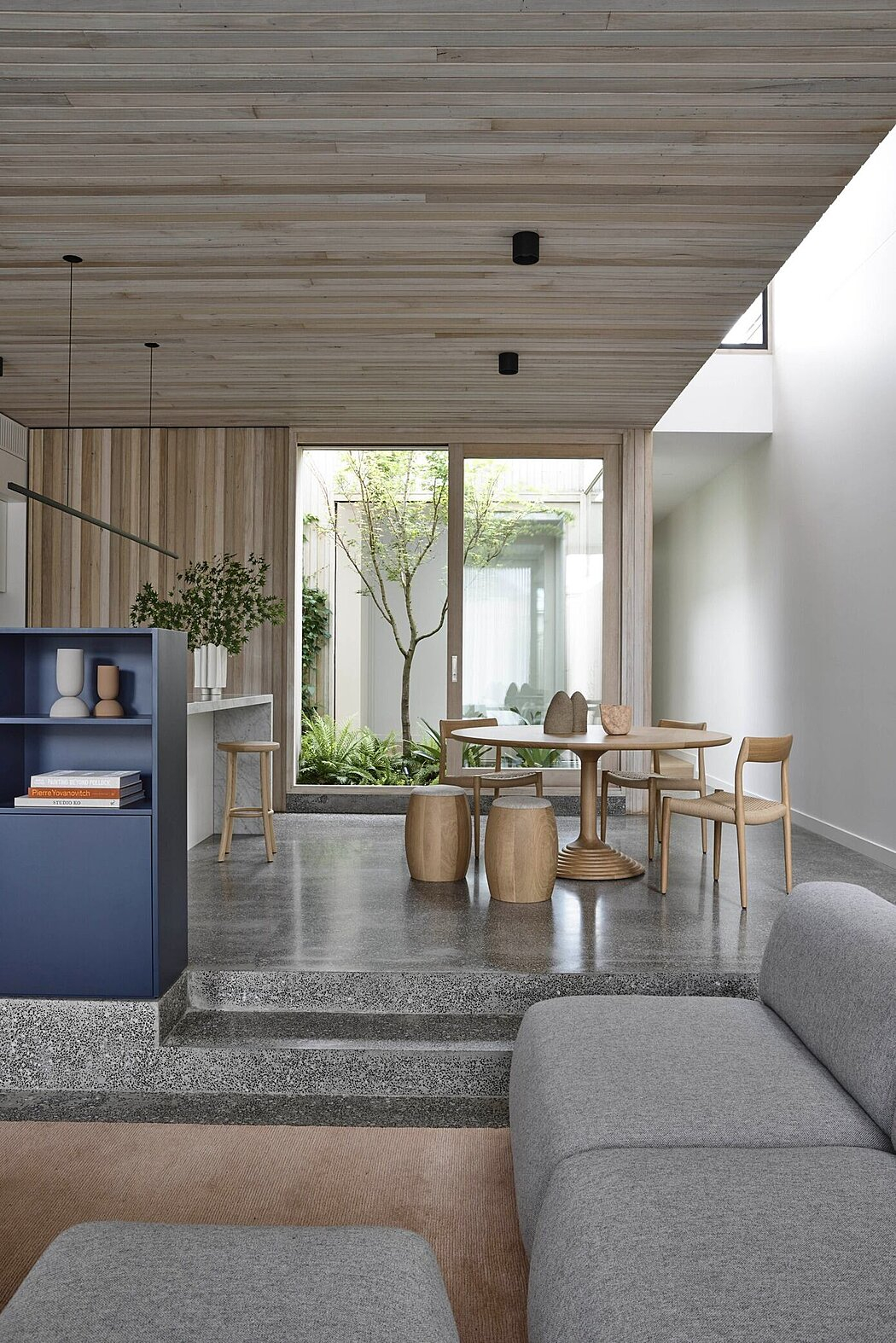
Step into a realm where every hue tells a story and every design echoes centuries of tradition. Eastern interiors are more than just spaces; they are living narratives, woven with the rich threads of heritage and expressed through a breathtaking palette of colors. Let's embark on a journey to understand what makes these spaces so captivating and deeply resonant.
Have you ever walked into a room and felt an immediate sense of peace, vibrancy, or deep history? That's the magic of interior design, and when it comes to Eastern aesthetics, this feeling is amplified tenfold. It’s not just about furniture and paint; it’s about a profound connection to culture, spirituality, and the very essence of life. Eastern interiors, drawing from diverse traditions across Asia, are a testament to this. They speak of ancestral wisdom, spiritual beliefs, and an appreciation for the natural world, all communicated through the powerful language of color and inherited design principles.
The Language of Hues: Symbolic Meanings in Eastern Color
Color in Eastern cultures isn't just for decoration; it’s a sophisticated language with deep symbolic meanings. Think about red in China – it’s not just a bright color, it signifies good fortune, joy, and vitality. It’s used in celebrations, weddings, and New Year festivities to usher in prosperity and ward off evil. Then there's gold or yellow, often associated with royalty, wealth, and spiritual enlightenment, particularly in Buddhist traditions.
In India, saffron is sacred, representing purity and sacrifice, while blue is linked to Lord Krishna and is often seen in temples and traditional art. Green symbolizes new life and fertility in many Islamic cultures, appearing in the intricate tilework of mosques. Even white, which might seem neutral, holds significance. In some Eastern contexts, it represents mourning and purity, used in funerals and religious ceremonies. Understanding these color associations is key to appreciating the soul of these interiors.
Heritage in Every Detail: Traditional Motifs and Patterns
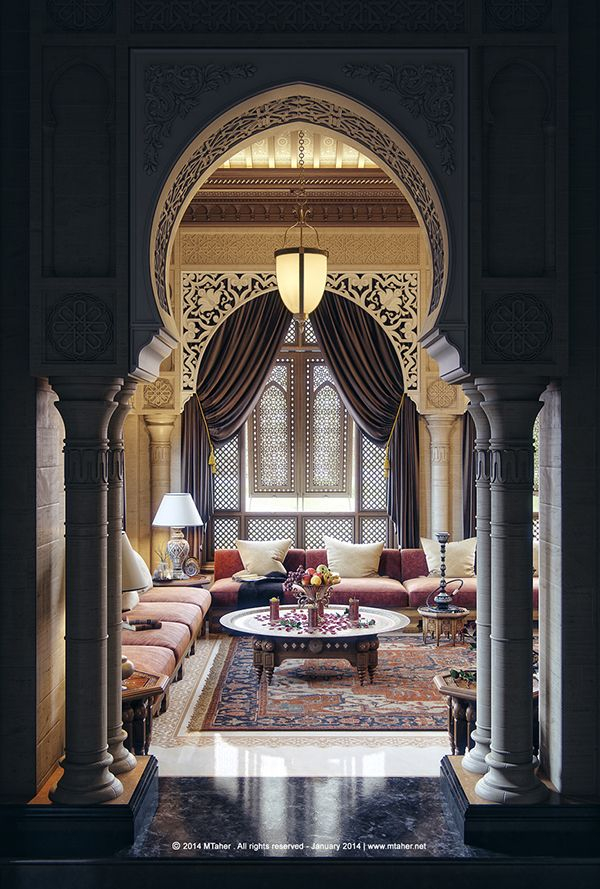
Beyond color, heritage is embedded in the very patterns and motifs used. Take, for instance, the intricate floral designs found in Persian carpets or the geometric patterns that adorn Islamic architecture. These aren't random; they often have spiritual or philosophical underpinnings. The arabesque, a flowing, abstract pattern, is meant to symbolize the infinite nature of God and the interconnectedness of all things.
In Japan, motifs like the cherry blossom (sakura) represent the fleeting beauty of life, while the crane symbolizes longevity and good fortune. These symbols are not just decorative elements; they are visual prayers, stories, and philosophies brought into the living space. You’ll see them in textiles, wood carvings, and even the arrangement of objects, each carrying a piece of history and cultural wisdom.
Harmony and Balance: Philosophies Shaping Design
Eastern interior design is deeply influenced by philosophies that seek harmony and balance. Feng Shui, originating from China, is perhaps the most well-known. It’s all about arranging your living space to channel positive energy (qi) for health, wealth, and happiness. This involves careful consideration of placement, materials, and, of course, color. For example, placing a water feature in a certain area can be seen as inviting prosperity.
Similarly, the Japanese concept of 'Wabi-Sabi' embraces imperfection and transience. Interiors designed with Wabi-Sabi in mind often feature natural, unadorned materials, muted colors, and a sense of quiet simplicity. It’s about finding beauty in the imperfect and the aged, reflecting a deep respect for nature and the passage of time. These philosophies aren't just about aesthetics; they're about creating environments that support well-being and spiritual connection.
Materials of Meaning: Natural Elements and Craftsmanship
The materials chosen for Eastern interiors often carry their own significance and are a direct link to heritage. Wood, particularly dark, polished woods, is prevalent, symbolizing strength and stability. Bamboo, with its rapid growth and resilience, represents flexibility and good luck. Natural stones, like jade, are prized for their beauty and protective qualities.
Think about the intricate woodwork in a traditional Indian haveli or the delicate paper screens (shoji) in a Japanese home. These aren't just functional; they showcase generations of craftsmanship and a deep understanding of natural materials. The textures and colors of these elements contribute significantly to the overall atmosphere, creating spaces that feel grounded and authentic. The emphasis is often on handcrafted pieces, each with a unique story and a connection to the artisan’s skill.
Bringing the East Home: Modern Interpretations
You don't need to live in an ancient palace to embrace Eastern interior design. Many principles can be beautifully adapted for contemporary living. Start with a calming color palette inspired by nature – soft blues, earthy greens, and warm beiges. Incorporate natural materials like wood, rattan, or stone through furniture, flooring, or decorative accents.
Consider adding a few carefully chosen pieces that carry cultural significance, perhaps a piece of calligraphy, a Buddha statue, or a beautifully patterned cushion. Even the arrangement of your space can benefit from a touch of Eastern philosophy; think about creating distinct zones for relaxation and activity, or ensuring good flow and natural light. It’s about selecting elements that resonate with you and bring a sense of tranquility and meaning into your home.
The Enduring Allure: Why Eastern Interiors Captivate
What is it about these interiors that continues to draw us in? It’s the profound sense of history, the spiritual depth, and the sheer beauty that transcends time. Eastern interiors offer a sanctuary, a place where color and design work in concert to create an atmosphere of peace, balance, and cultural richness. They remind us of the importance of heritage, the wisdom of ancient philosophies, and the power of thoughtful design to shape our well-being.
Whether it’s the vibrant energy of a Moroccan riad, the serene minimalism of a Japanese tea house, or the intricate elegance of an Indian palace, these spaces invite us to slow down, connect with something deeper, and appreciate the artistry that comes from a rich cultural tapestry. They are, in essence, invitations to experience a different way of living, a way that is deeply rooted and beautifully expressed.
Discovering the soul of Eastern interiors through color and heritage is a continuous exploration. It’s about understanding that a space can be more than just shelter; it can be a vessel for stories, a reflection of values, and a source of profound inspiration. By appreciating the symbolic language of color, the traditional motifs, the guiding philosophies, and the carefully chosen materials, we gain a deeper understanding of the cultures that created them. And in doing so, we can bring a touch of that timeless beauty and meaningful design into our own lives, creating homes that are not only visually stunning but also deeply soulful. It’s a beautiful journey, and one that offers endless rewards.