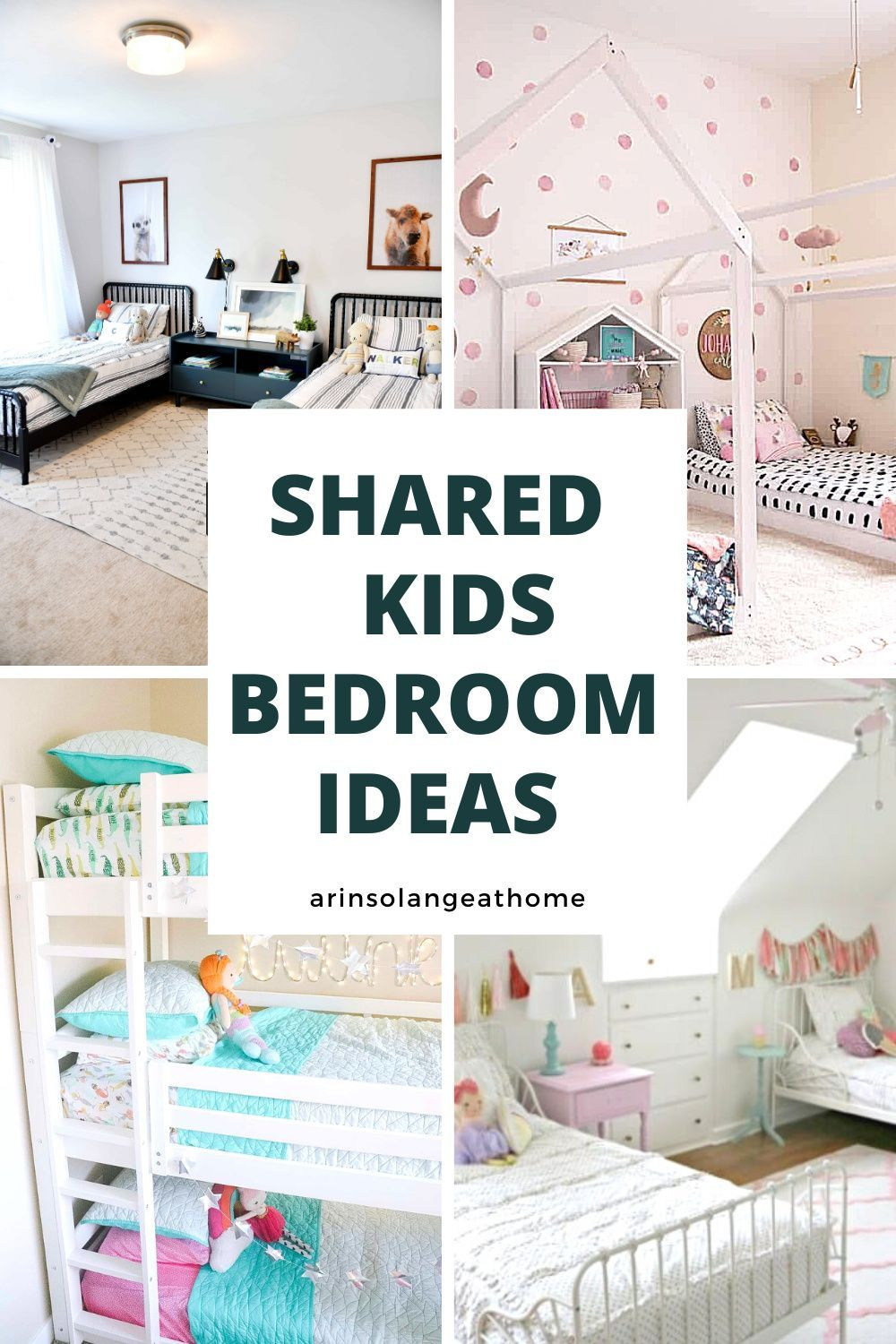
Sharing a room can be a big deal for kids. It's not just about bunk beds and storage bins; it's about creating a personal sanctuary where each child feels seen, respected, and comfortable, even when their sibling is just a few feet away. But how do you make a shared space that’s both functional and fosters a sense of individuality and peace? It’s a puzzle many parents face, and the good news is, with a little thought and creativity, you can build rooms that your kids will adore.
Ah, the shared kids' room. It’s a space that can be a source of both joy and, let’s be honest, a little bit of chaos. Whether you’ve got twins, siblings close in age, or just need to consolidate your living space, designing a room for two or more children presents a unique set of challenges and opportunities. It’s about more than just fitting two beds into one space. It’s about crafting an environment where each child can thrive, maintain their own identity, and learn the valuable skill of coexisting harmoniously. Think of it as designing a mini-community, a place where personal space and shared experiences beautifully intertwide.
Defining Personal Territory: The Foundation of Harmony
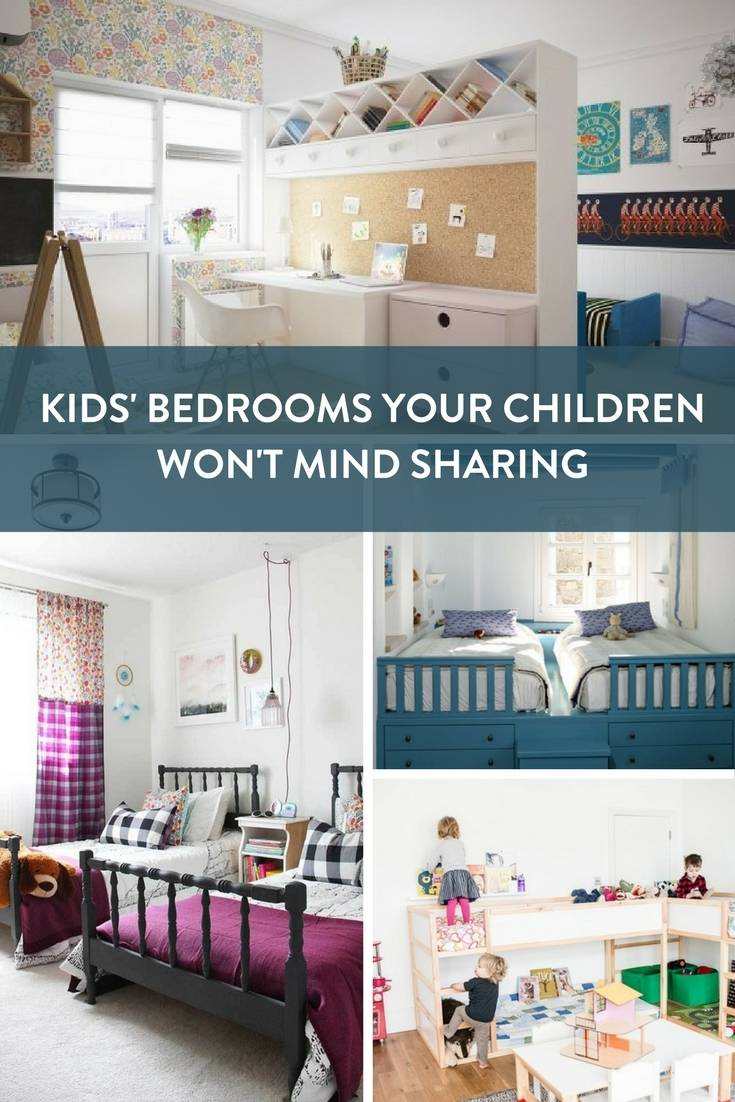
One of the most crucial elements in a successful shared room is establishing a sense of personal space for each child. Even in a small room, this can be achieved. Think about visual dividers. This could be as simple as a strategically placed bookshelf, a tall dresser, or even a low-profile room divider screen. For a more permanent solution, consider curtains that can be drawn for privacy. Each child should have their own designated sleeping area, and ideally, a small zone for their personal belongings. This might be a specific shelf, a drawer, or even a small corner of their closet. When kids know their things are in their own spot, and they have a little visual separation, it can significantly reduce squabbles over possessions and personal space. For example, giving each child their own bedside table with a drawer can be a game-changer for keeping small treasures and essentials organized and private.
Smart Storage Solutions: Taming the Toy Tornado
Storage is king, queen, and the entire royal court in a shared kids' room. When you have multiple children, the volume of toys, books, and clothes can quickly become overwhelming. The key is to maximize vertical space and get creative. Think about under-bed storage drawers or bins – these are fantastic for stashing extra bedding, out-of-season clothes, or less-frequently used toys. Utilize wall-mounted shelving and cubbies to keep things off the floor. Baskets and bins are your best friends here; label them clearly so everyone knows where things belong. Consider a shared toy chest with individual bins inside for each child’s personal toys. This helps with organization and also teaches cooperation and respect for each other’s belongings. Don’t forget about closet organizers; maximizing that space can make a huge difference. And remember, a good decluttering session before you even start planning the room is always a good idea!
Sleeping Arrangements: Bunk Beds, Loft Beds, and Beyond
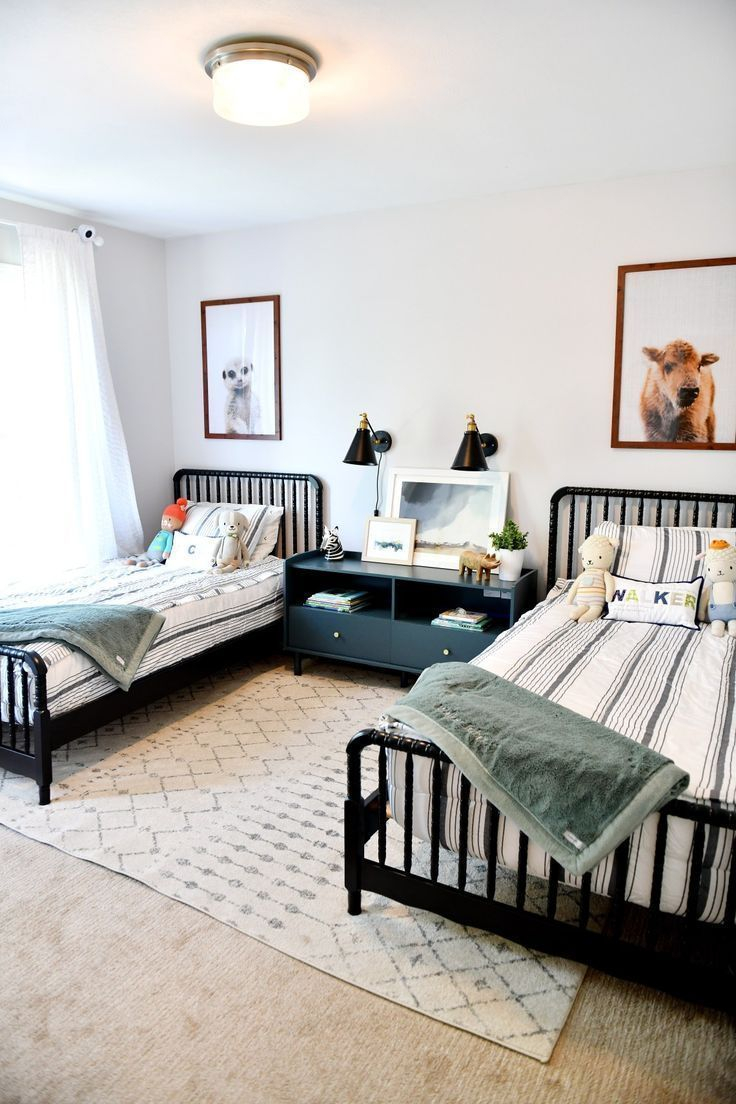
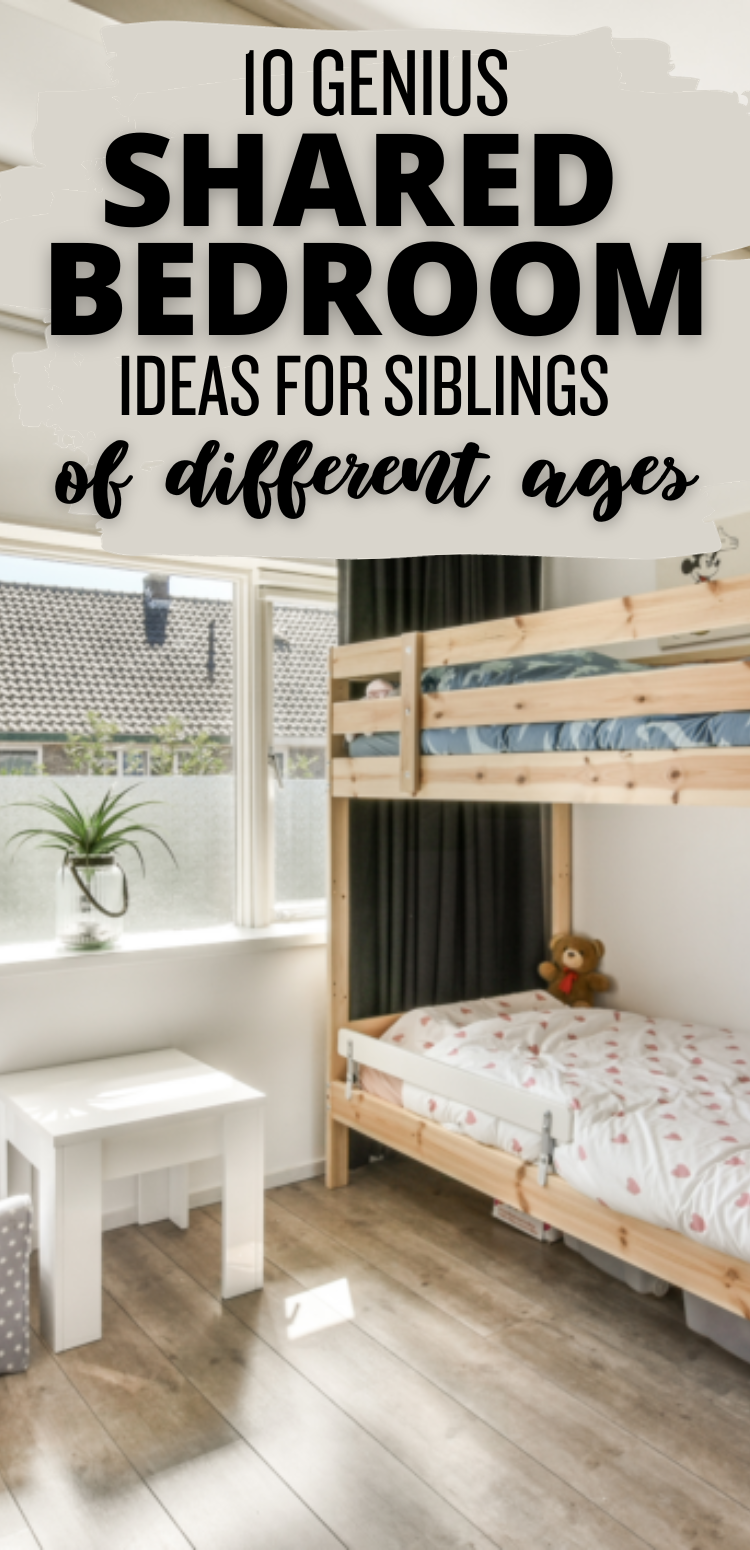
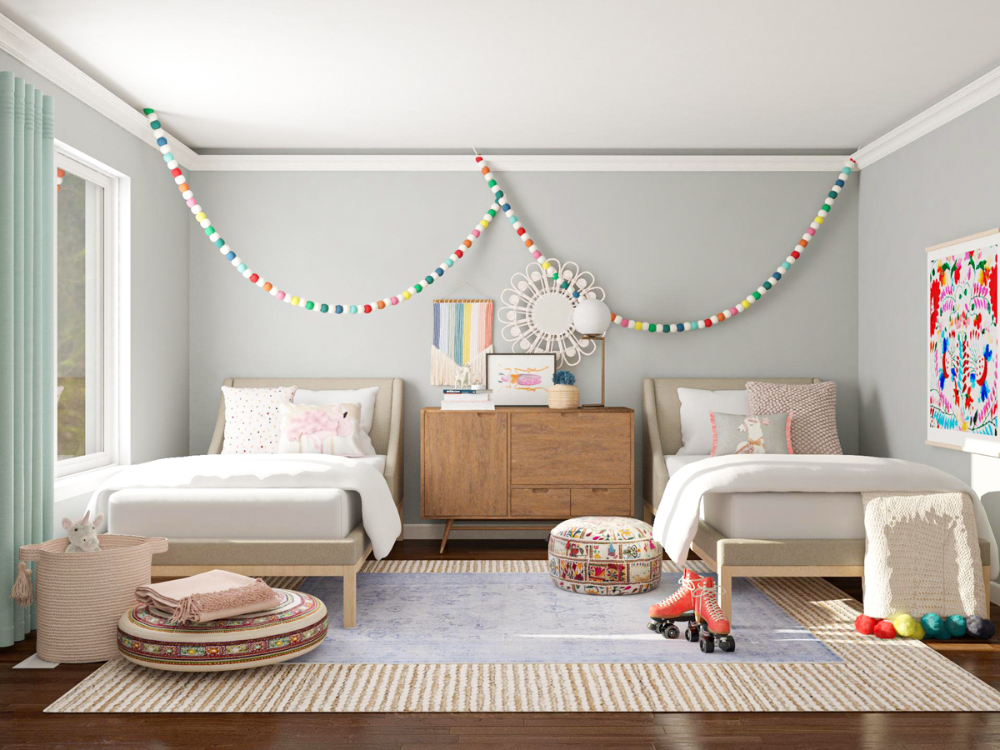
The sleeping arrangement is often the biggest decision. Bunk beds are a classic for a reason – they save a ton of floor space and can be a lot of fun for kids. If you opt for bunks, ensure they meet current safety standards. Loft beds are another excellent space-saving option, freeing up the area underneath for a desk, a reading nook, or more storage. If bunks or lofts aren't suitable, consider two separate twin beds. If space is really tight, you might even look at trundle beds that can be pulled out when needed. The placement of the beds is also important. Try to position them so that each child has a bit of separation and doesn't feel like they're sleeping directly on top of or beside their sibling. For instance, placing beds on opposite walls can create a sense of individual zones.
Personalization Station: Celebrating Individuality
While it's a shared room, it’s vital that each child’s personality shines through. Encourage them to pick out elements that are uniquely theirs. This could be their bedding, a favorite poster, a specific color accent, or a special decorative item. Assigning each child a color or a theme that they can incorporate into their personal space can be a fun way to do this. For example, one child might have blue accents and dinosaur-themed decor, while the other has green accents and space-themed items. Displaying their artwork or photos prominently in their designated area also helps them feel a sense of ownership and pride in the room. It’s about making sure that while they share the space, their individuality isn’t lost in the shuffle.
Creating Zones for Play, Study, and Relaxation
A well-designed shared room isn't just for sleeping. It should accommodate other essential childhood activities. Think about creating distinct zones. A small study area with a shared desk or individual small desks can be beneficial for homework or creative projects. Ensure adequate lighting for both reading and studying. A cozy corner with a couple of beanbags or floor cushions can serve as a reading nook or a quiet space for each child to decompress. Even a small rug can help define a play area. The goal is to have different areas for different purposes, which can help minimize distractions and encourage focused activity. For instance, a loft bed can create a perfect nook underneath for a small desk and chair, separating study from sleep.
Fostering Cooperation and Respect
Beyond the physical design, the room itself can be a tool for teaching valuable life skills. Encourage open communication about the room and its use. Involve your children in the design process and the ongoing tidying. Establish clear, simple rules together, such as respecting each other’s quiet time or keeping personal items within their designated zones. Make tidying up a team effort. When kids feel they have a voice in how their shared space is managed, they’re more likely to respect it and each other. Celebrate successes, like a week of tidy shared spaces. It’s a continuous process, and a little bit of patience and positive reinforcement goes a long way in building a harmonious shared environment.
Designing a shared kids' room is a rewarding endeavor. It’s a chance to create a functional, beautiful, and nurturing environment that supports your children’s development and their relationship with each other. By focusing on personal space, smart storage, thoughtful sleeping arrangements, celebrating individuality, creating functional zones, and fostering cooperation, you can transform a potentially challenging situation into a positive and memorable experience for your whole family. Remember, the best shared rooms are those that are loved and lived in, filled with laughter, learning, and the unique bonds of siblinghood. Happy designing!