Ever feel like your surroundings are closing in on you? That the walls are a little too close for comfort, or perhaps your schedule is bursting at the seams. Many of us navigate life feeling confined, as if space itself is a luxury we can't quite grasp. But what if I told you that the feeling of spaciousness isn't just about square footage? It’s about perception, intention, and a little bit of clever design. Let's dive into how we can all unlock a more expansive way of living, no matter the size of our homes or the demands on our time.
We often associate 'space' with physical room to roam. Think of wide-open fields or vast ocean vistas. These environments naturally evoke feelings of freedom and calm. But this feeling isn't solely dependent on the physical dimensions around us. It's deeply rooted in our psychology. Our brains are wired to interpret visual cues and sensory input, and these interpretations can significantly impact our perception of space. When we feel cluttered, whether it's our physical environment or our mental landscape, we tend to feel stressed and restricted. Conversely, when things feel organized and open, our minds tend to feel clearer and more at ease. So, how do we trick our brains, in the best possible way, into feeling like our world is bigger, lighter, and more breathable? It starts with understanding what creates that illusion.
Declutter Your Domain: The Foundation of Freedom
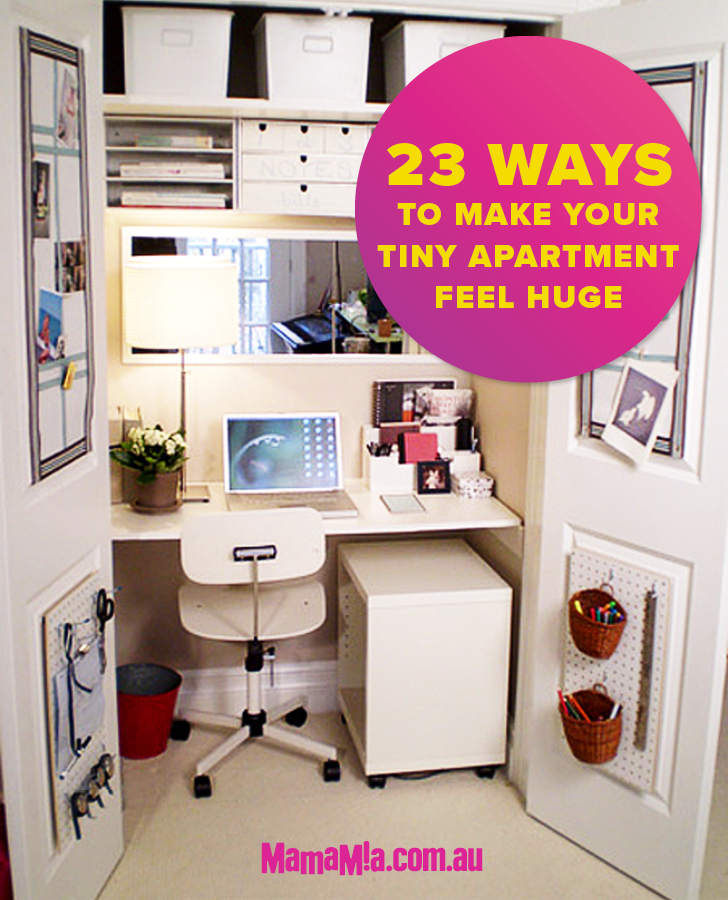
This is probably the most obvious, but it's also the most crucial step. Physical clutter is the enemy of spaciousness. Every item that doesn't serve a purpose or bring you joy takes up not only physical space but also mental real estate. Think about it: when your countertops are clear, your desk is tidy, and your closets aren't overflowing, doesn't your entire home just feel bigger?
Start small. Tackle one drawer, one shelf, or one corner at a time. Ask yourself: Do I use this? Do I love this? If the answer is no to both, it’s time to let it go. Consider donating, selling, or responsibly discarding items. This process isn't just about tidying up; it's about making conscious choices about what you allow into your personal environment. It’s liberating! For instance, imagine walking into a kitchen where every utensil has its place, and the counters are clear. It instantly feels more serene and spacious than one piled high with dishes and appliances, wouldn't you agree?
Visual Tricks: Playing with Light and Color
Our eyes can be wonderfully deceived. Light and color are powerful tools in creating the illusion of space.
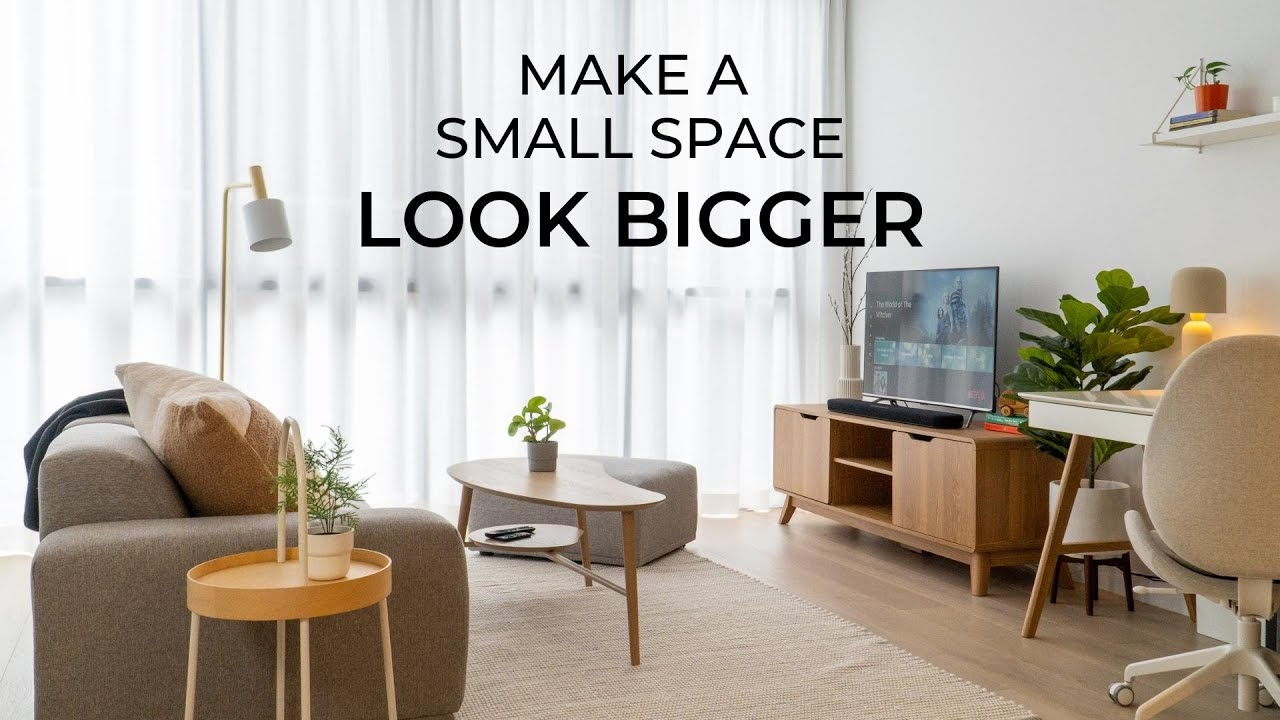
Light: Maximizing natural light is paramount. Keep windows clear of heavy drapery, opting for sheer fabrics or blinds that can be fully opened. Mirrors are also fantastic for bouncing light around a room, making it feel brighter and more expansive. Placing a mirror opposite a window can double the perceived light and space.
Color: Lighter, cooler colors tend to recede, making walls appear further away. Think soft blues, greens, and off-whites. Painting walls and ceilings in similar light tones can also blur the lines between surfaces, creating a seamless, open feel. A monochromatic color scheme, using variations of a single light color, can be incredibly effective at making a room feel larger and more cohesive. Even a pop of a brighter color can draw the eye, but the overall palette should lean towards the airy and bright.
Smart Furniture and Layout: Maximizing Flow
The furniture you choose and how you arrange it can dramatically impact how spacious a room feels.
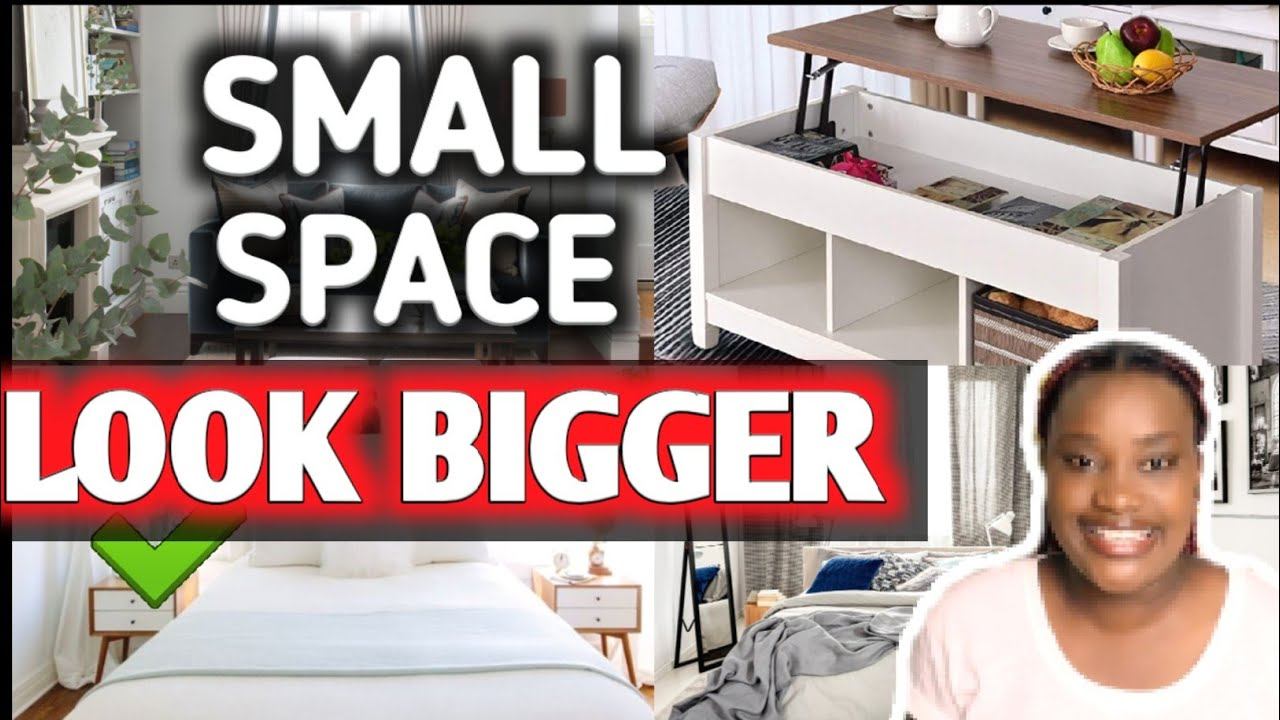
Furniture Choices: Opt for furniture that has a smaller visual footprint. Pieces with exposed legs, for example, allow light and air to flow underneath, making the room feel less heavy and more open. Multifunctional furniture is also a lifesaver in smaller spaces. A storage ottoman, a sofa bed, or a nesting table set can serve multiple purposes without taking up extra room.
Layout: Avoid pushing all your furniture against the walls. Sometimes, pulling pieces slightly away can create a sense of breathing room. Create clear pathways for movement. If you have to constantly navigate around obstacles, the space will feel cramped. Consider vertical space, too. Wall-mounted shelves or cabinets draw the eye upward, creating a feeling of height and spaciousness.
Embrace Transparency and Verticality
Transparency and an upward visual focus are key players in the spaciousness game.
Transparency: Materials like glass, acrylic, or open shelving can make a significant difference. A glass coffee table, for instance, doesn't visually block the space in the same way a solid wood one might. Open shelving, when kept tidy, can make a wall feel less imposing than a solid cabinet.
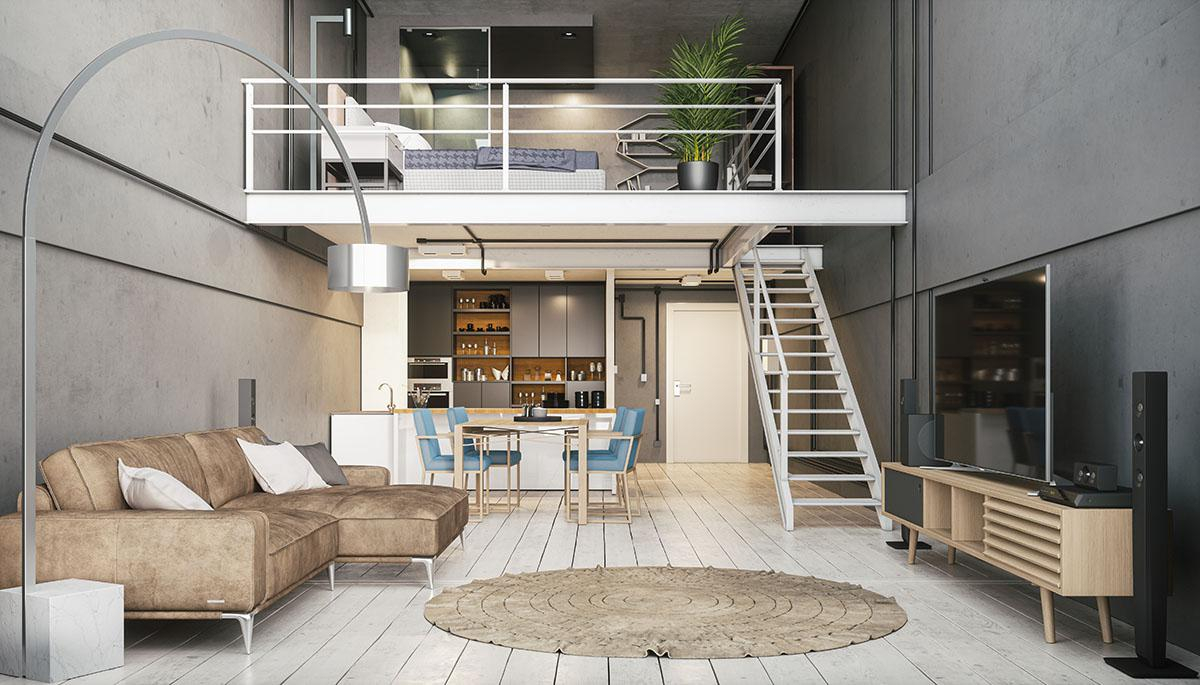
Verticality: As mentioned before, drawing the eye upwards is crucial. Tall, slender bookshelves, floor-to-ceiling curtains (even if the windows aren't that tall), or artwork placed higher on the walls can all contribute to a sense of height. This vertical emphasis redirects attention away from the perceived limitations of width and depth, making the entire environment feel more airy and grand.
Beyond the Physical: Cultivating Mental Space
The illusion of space isn't confined to our homes. It extends to our minds and our schedules. Just as clutter can make a room feel small, an over-scheduled life or a cluttered mind can make us feel overwhelmed and restricted.
Mindful Scheduling: Learn to say no. Prioritize tasks and commitments that truly matter. Block out time for rest and rejuvenation. Treat your calendar like a precious resource, not an endless to-do list.
Mindfulness Practices: Simple mindfulness exercises, like deep breathing or meditation, can create mental breathing room. Even a few minutes of quiet reflection can help clear your head and reduce feelings of being overwhelmed. It’s about creating pockets of peace and openness within your day.
The Power of Intentionality and Openness
Ultimately, creating a sense of spaciousness is an act of intentionality. It’s about making conscious choices that foster openness and freedom, both in our physical surroundings and in our lives. It’s about curating an environment and a lifestyle that supports well-being and reduces unnecessary stress.
When you approach your home and your days with this mindset, you begin to see possibilities where you once saw limitations. You start to understand that even the smallest studio apartment can feel like a sanctuary, and even the busiest week can have moments of calm. It's a journey, and every small step towards decluttering, simplifying, and bringing in light makes a difference. Embrace the process, and discover the expansive living that awaits you.
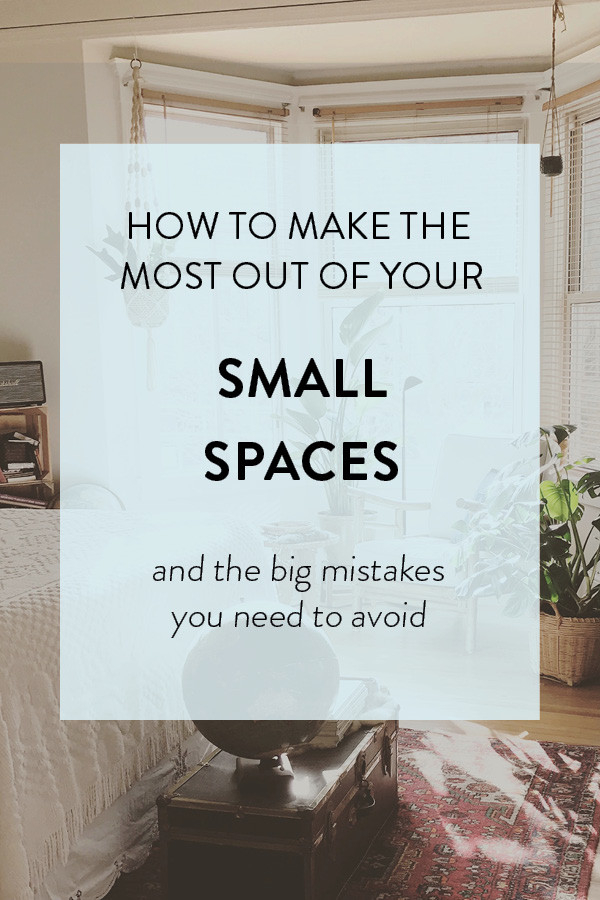
So there you have it. Unlocking the illusion of space is a multifaceted approach, blending practical décor tips with mindful living strategies. By decluttering your domain, playing with light and color, making smart furniture and layout choices, embracing transparency and verticality, and cultivating mental space, you can transform your environment and your outlook. Remember, spaciousness is a feeling, a perception, and a state of mind. Start implementing these ideas today, and watch as your world begins to feel a whole lot bigger, brighter, and more liberating. It’s not about having more space; it’s about experiencing more of it.