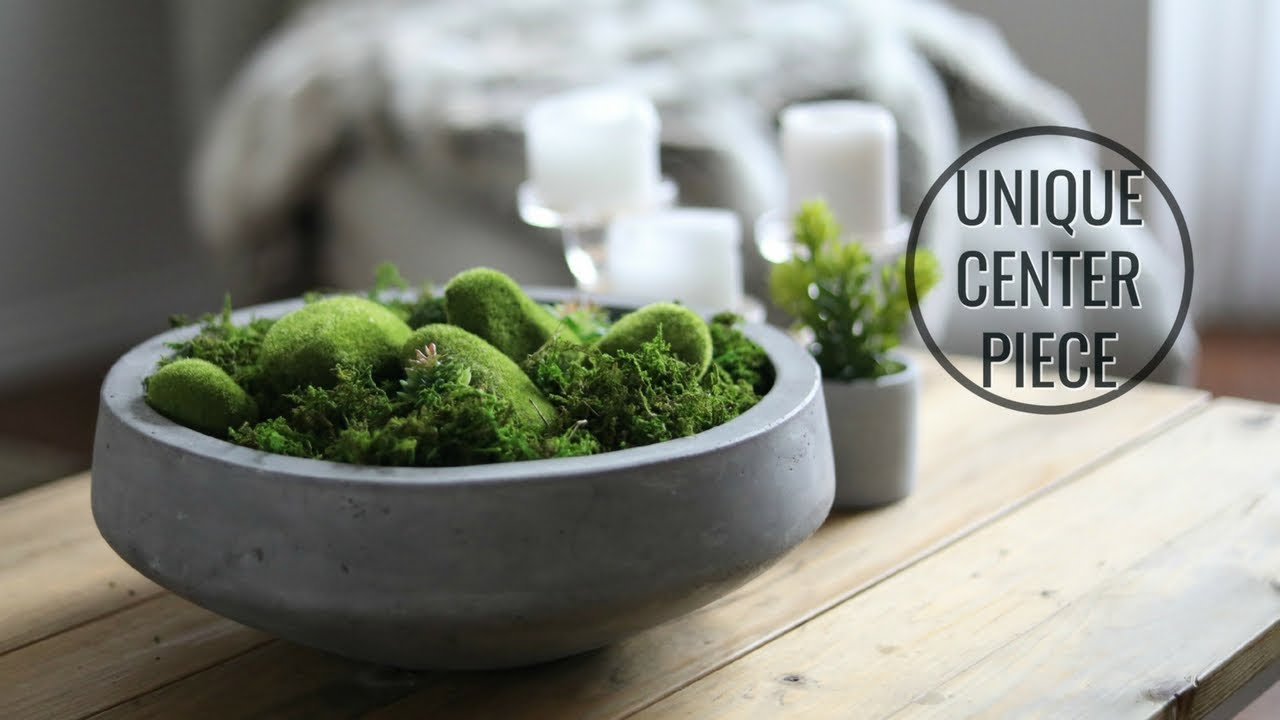
There's something undeniably captivating about moss ball homes crafted from ceramic. They blend the organic beauty of nature with the artistry of human hands, creating miniature worlds that are both soothing and visually striking. These aren't just decorative items; they're tiny ecosystems that bring a touch of tranquility to any space. Have you ever admired one and wondered how they’re made or what it takes to keep them thriving? Well, let’s dive in and explore all that.
Ceramic moss ball homes, often seen as charming little dwellings for Marimo moss balls, have really captured the imagination of plant lovers and art enthusiasts alike. Picture a tiny, handcrafted ceramic house, complete with a little opening, housing a vibrant green moss ball. It's like a fairy’s abode or a hobbit’s hideaway, scaled down for your desk or shelf. Their appeal lies in their simplicity, their connection to nature, and the sheer cuteness factor. But beyond the initial 'aww,' there's a depth to their aesthetic and a straightforwardness to their care that makes them truly special.
Understanding the Aesthetic Appeal
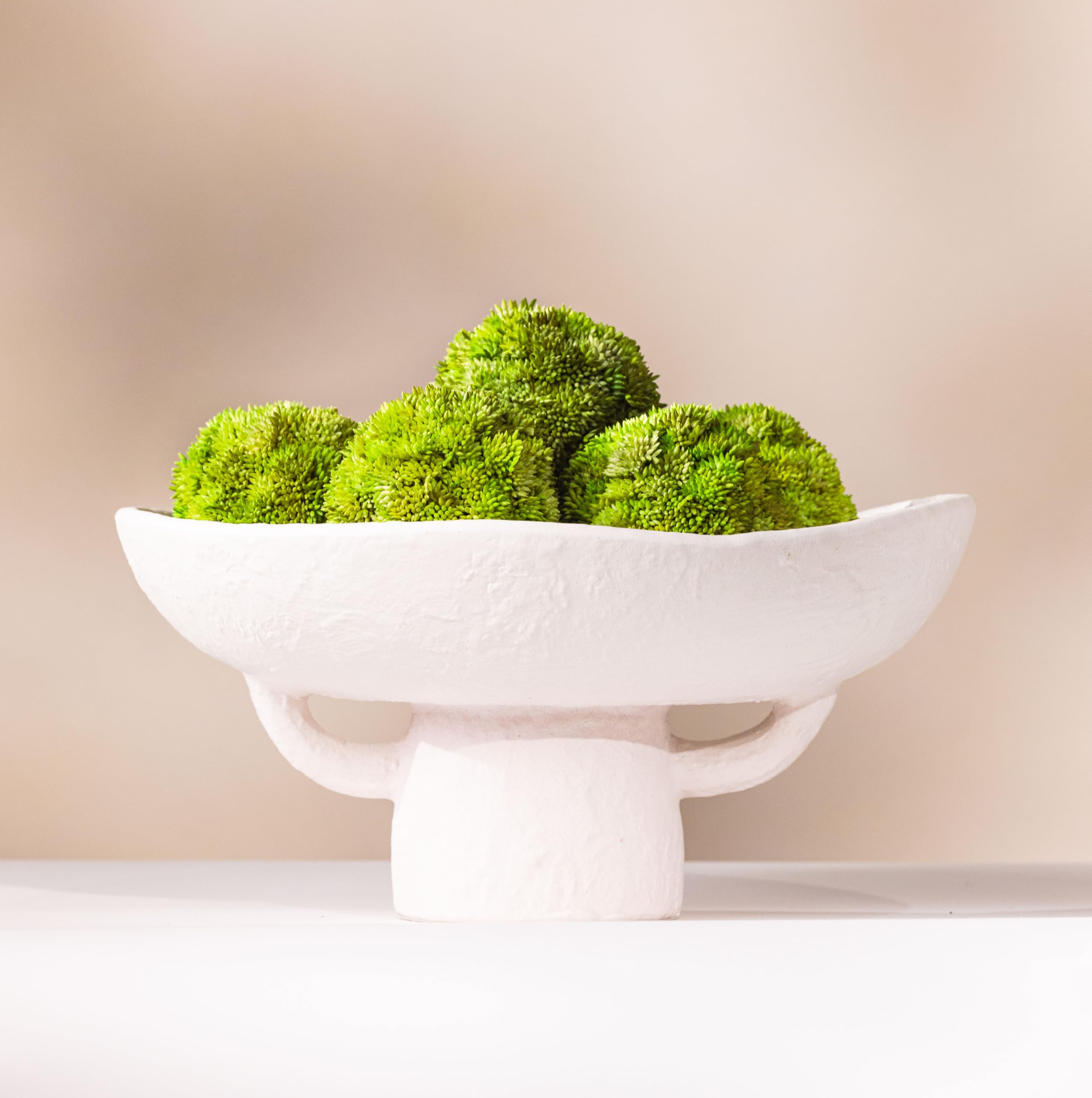
What makes these little homes so appealing? It’s a blend of factors. Firstly, the ceramic itself offers a grounding, earthy feel. Whether it’s glazed in soft, muted tones or left with a natural, matte finish, it complements the living green of the moss ball perfectly. The designs vary wildly, from rustic cottages and whimsical mushrooms to minimalist spheres with subtle textures. Each piece is a unique work of art. Think about the textures – the smooth, cool feel of the ceramic against the slightly fuzzy, soft texture of the moss. It’s a tactile experience as well as a visual one. And the scale! These miniature homes invite close inspection, creating a sense of intimacy and wonder. They're like little stories waiting to be discovered on your windowsill.
The Marimo Moss Ball: A Living Companion
The heart of a ceramic moss ball home is, of course, the Marimo moss ball itself. These aren't technically moss, but a rare species of algae that grows into a spherical shape. They're incredibly low-maintenance, which is a huge part of their charm. They thrive in cool, filtered light and need regular water changes. Their slow growth means they won't outgrow their ceramic homes anytime soon, and their gentle, rolling movement in the water adds a dynamic element to the display. They're like little, living pets that don't demand much but offer a lot of serene beauty in return.
Setting Up Your Ceramic Moss Ball Home
Getting started is wonderfully simple. You’ll need your ceramic home, a healthy Marimo moss ball, and some clean, dechlorinated water. Gently place the moss ball into its ceramic dwelling. Ensure there’s enough water to keep the moss ball submerged. Most ceramic moss ball homes are designed with an opening that allows for easy water changes and air circulation. Avoid direct sunlight, which can scorch the algae and encourage unwanted growth like brown spots. Indirect light, like that found near a window that doesn't get harsh sun, is ideal. Some people like to add a few small pebbles or decorative stones to the bottom of the ceramic piece for added visual interest, and that’s perfectly fine too.
Essential Care and Maintenance
Caring for your ceramic moss ball home is surprisingly easy. The most crucial aspect is regular water changes. Aim to change the water about once a week, or whenever it starts to look cloudy. Use room-temperature, dechlorinated water. Tap water can be used if you let it sit out for 24 hours to allow the chlorine to evaporate. When you change the water, you can gently rinse the moss ball under cool, running water, or give the ceramic home a gentle clean if needed. Avoid using soaps or detergents, as these can harm the moss ball. Occasionally, you might notice brown spots forming on your Marimo. This is usually a sign of too much light or insufficient water changes. You can try gently rolling the moss ball in your hands under cool water to help it regain its shape and potentially encourage even growth. Patience is key here; Marimo are slow growers and resilient.
Troubleshooting Common Issues
While Marimo are hardy, a few common issues can pop up. As mentioned, brown spots are frequent. If you see them, reduce light exposure and ensure you're doing those weekly water changes diligently. Sometimes, Marimo can become a bit flattened if they’ve been sitting in one position for too long. Giving them a gentle roll during water changes can help maintain their spherical form. If your moss ball starts to feel slimy or disintegrate, it might be a sign of poor water quality or excessive heat. In such cases, a thorough cleaning and fresh water are essential. It’s also worth noting that different ceramic designs might hold water differently, so observe your specific setup and adjust your routine as needed. For instance, a fully enclosed ceramic home might require more frequent airing than an open-top one.
Beyond the Basics: Enhancing Your Display
Once you've mastered the basic care, you might want to elevate your ceramic moss ball home display. Consider pairing it with other small, low-light plants or decorative elements that complement its natural aesthetic. A small piece of driftwood, a few polished stones, or even a tiny ceramic figurine can create a more elaborate miniature scene. Think about the placement too. A collection of these homes on a shelf, or a single, well-placed one on a bedside table, can add a unique focal point to your decor. Some crafters even create custom ceramic homes tailored to specific Marimo sizes or preferences, showing the potential for personalization in this hobby. It’s a wonderful way to express your creativity and create a living piece of art that’s uniquely yours.
Ceramic moss ball homes offer a delightful way to connect with nature, even in the smallest of spaces. Their charming aesthetic, combined with the simple, rewarding care of Marimo moss balls, makes them an accessible and beautiful addition to any home or office. They’re more than just decorative objects; they’re tiny, living sculptures that bring a sense of calm and a touch of the natural world indoors. So, whether you’re a seasoned plant parent or just starting your green journey, these miniature ceramic abodes are definitely worth exploring for their unique beauty and the tranquility they provide.