There's something undeniably captivating about European interiors and exteriors. It’s more than just pretty furniture or a grand facade; it’s a feeling. A sense of history, comfort, and timeless elegance. Ever wondered what makes a Parisian apartment feel so chic, or a Tuscan villa so inviting? It’s not just luck or a massive budget. It’s a collection of thoughtful design choices, often passed down through generations. Let's pull back the curtain and explore 15 secrets that create that unmistakable European charm, far beyond the iconic Eiffel Tower.
European design isn't a single style; it's a rich tapestry woven from centuries of history, diverse cultures, and regional influences. Think of the rustic warmth of a Spanish finca, the refined sophistication of a London townhouse, or the cheerful simplicity of a Scandinavian cottage. Yet, common threads bind them all, creating spaces that feel lived-in, welcoming, and deeply personal. It’s about creating an atmosphere, a feeling of belonging, and a connection to the past. Ready to infuse your own space with a touch of this magic? Let’s dive in.
1. The Art of Layering Textures
One of the most significant secrets is the masterful use of textures. Europeans excel at layering different materials to create depth and visual interest. Imagine a plush velvet sofa paired with a chunky knit throw, a distressed leather armchair, and perhaps a smooth silk cushion. Add in natural elements like wood and stone, and you have a space that’s not just beautiful but also incredibly tactile and inviting. It’s about creating a sensory experience, making you want to reach out and touch everything. This layering adds warmth and coziness, especially crucial in older buildings that might otherwise feel a bit stark.
2. Embrace Imperfection: Wabi-Sabi's Influence
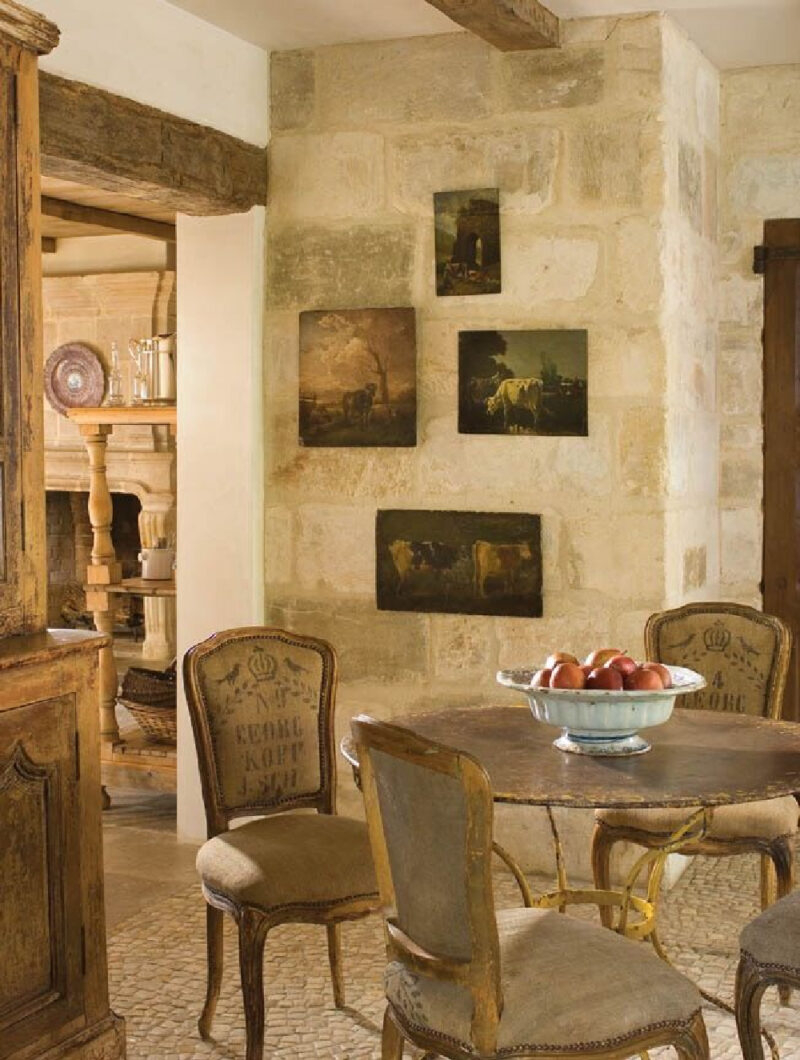
While not exclusively European, the appreciation for imperfection, or 'wabi-sabi,' plays a crucial role. Think of antique furniture with a few nicks and scratches, a slightly faded rug, or a handmade pottery vase. These aren't flaws; they're stories. They add character and a sense of history, making a space feel authentic and lived-in, rather than sterile and showroom-perfect. It’s a rejection of the mass-produced and a celebration of the unique and enduring. This philosophy makes a home feel more grounded and real.
3. A Palette Rooted in Nature
European design often draws its color inspiration from the natural world. Think earthy tones – warm ochres, deep forest greens, muted blues, and creamy whites. These colors create a serene and sophisticated backdrop that allows other elements, like art and furnishings, to shine. They also have a grounding effect, making spaces feel more comfortable and connected to the outdoors. Even vibrant accents are often used judiciously, like a splash of deep red in a tapestry or a sapphire blue throw pillow.
4. Architectural Details Matter
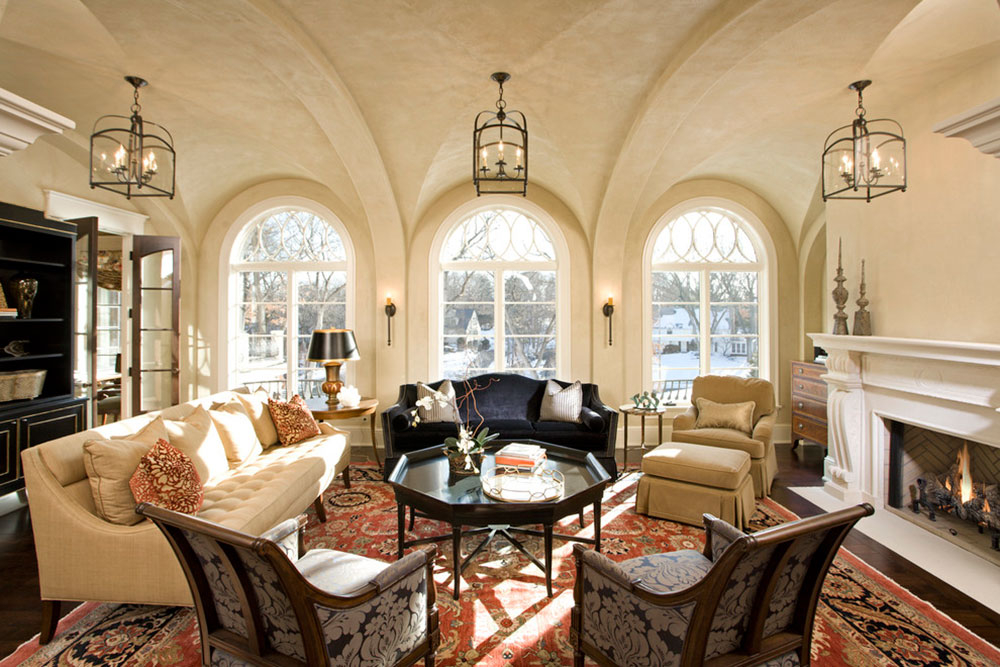
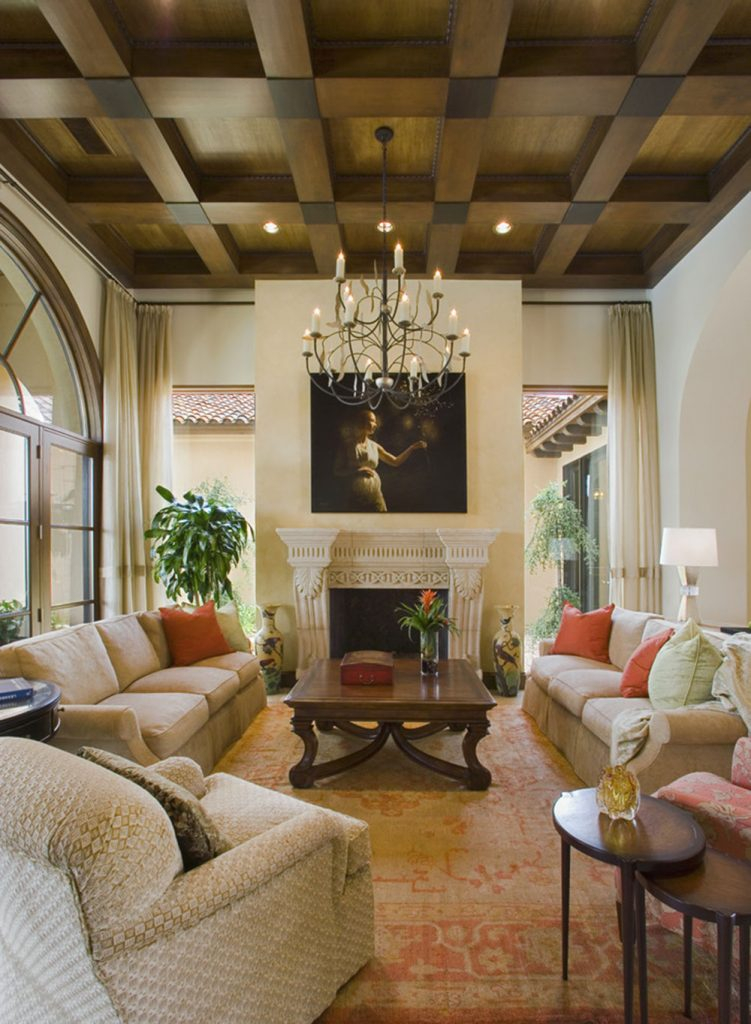
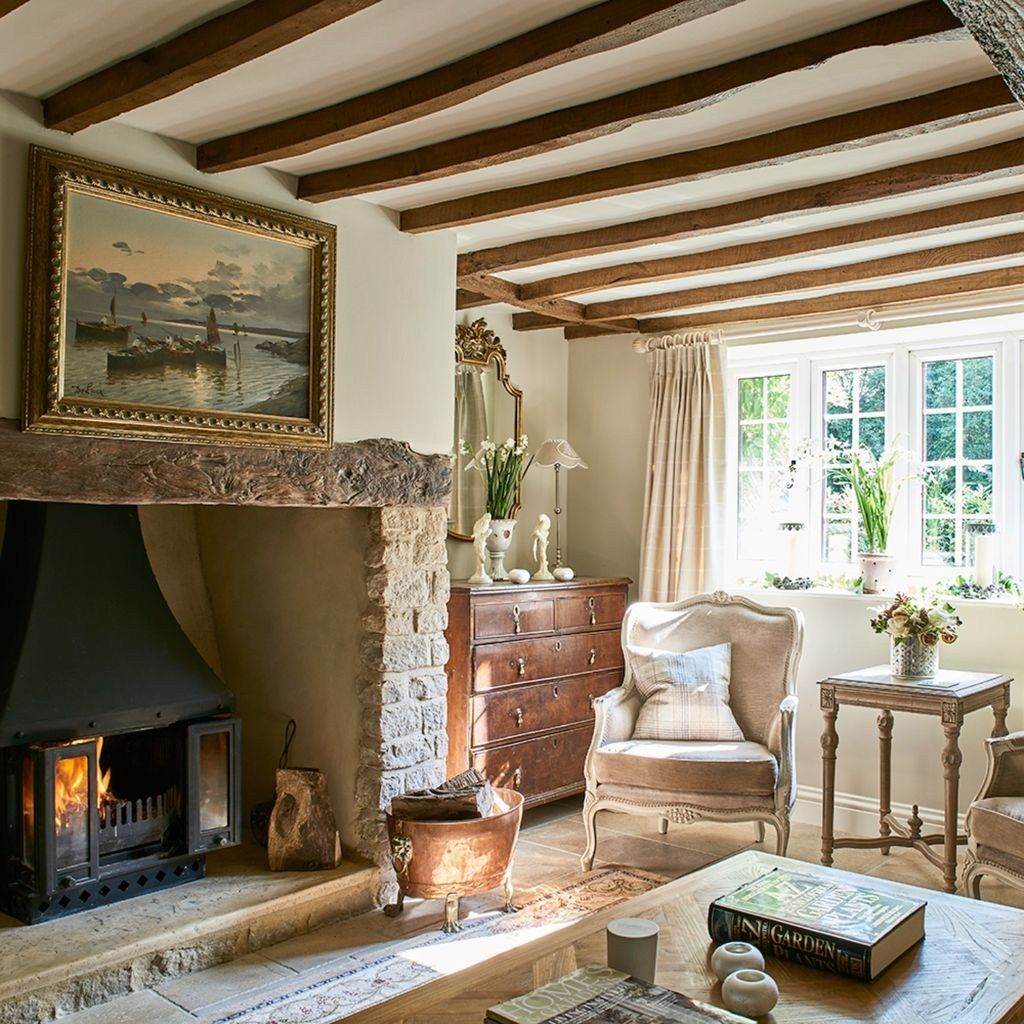
The bones of a building are paramount. Exposed beams, intricate moldings, original tilework, or grand fireplaces are often celebrated and preserved. These architectural features add inherent character and a sense of history that’s hard to replicate. When renovating, many Europeans prioritize maintaining or restoring these original elements, understanding their value in creating a unique and charming space. Even in newer constructions, designers often incorporate elements that mimic these classic details to evoke a similar feeling.
5. The Power of Symmetry and Balance (with a Twist)
While perfect symmetry can sometimes feel too formal, a sense of balance is key. Think of a beautifully arranged bookshelf, a pair of bedside tables, or a symmetrical fireplace flanked by identical chairs. This creates a sense of order and harmony. However, it’s often balanced with a touch of asymmetry – perhaps a single, striking piece of art on one wall or an interestingly shaped antique mirror. This prevents the space from feeling too rigid and adds a touch of personality.
6. Lighting: Setting the Mood
Lighting is treated as an art form. Instead of relying on one harsh overhead light, Europeans use multiple light sources at different levels. Think ambient lighting from wall sconces, task lighting from table lamps, and accent lighting to highlight artwork or architectural features. Dimmers are essential for controlling the mood. Warm, soft light is preferred, creating an intimate and inviting atmosphere, perfect for evening gatherings or quiet nights in. It’s about creating pools of light that draw you in.
7. Curated Collections and Personal Touches
Homes feel lived-in because they are. Europeans often display personal collections – antique books, vintage photographs, travel souvenirs, or family heirlooms. These items aren't just clutter; they're carefully curated and arranged to tell a story. They reflect the inhabitants' passions, travels, and history, making the space uniquely theirs. It’s this personalization that truly transforms a house into a home. It’s about showcasing what you love, not just what’s on-trend.
8. The Importance of Antiques and Vintage Finds
Mixing old with new is a hallmark of European design. Antique furniture pieces, vintage rugs, or retro lighting fixtures add character and soul that modern items often lack. These pieces have a history and a patina that tells a story. They also provide a beautiful contrast to contemporary elements, creating a dynamic and layered look. Don’t be afraid to scour flea markets or antique shops for that perfect, unique find. It can truly elevate a space.
9. Functional Yet Beautiful Furniture
Furniture in European homes is often both practical and aesthetically pleasing. There’s a focus on quality craftsmanship and timeless design. Pieces are chosen not just for their looks but for their comfort and longevity. Even a simple wooden chair might have beautifully carved details or a perfectly ergonomic shape. It’s about investing in pieces that serve a purpose well and look good doing it, avoiding disposable trends.
10. Greenery Indoors
Bringing the outdoors in is a common practice. Potted plants, fresh flowers, and even small indoor trees are frequently used to add life, color, and a sense of freshness to interiors. They soften spaces and create a connection to nature. Whether it’s a trailing ivy on a bookshelf or a statement fiddle-leaf fig in a corner, plants add an essential organic element that enhances the overall charm. It’s a simple yet powerful way to make a space feel more vibrant.
11. Thoughtful Window Treatments
Windows aren't just openings; they're framing opportunities. Europeans often opt for elegant yet functional window treatments. Think flowing linen curtains that add softness, or perhaps more structured Roman blinds. Layering is also common, with sheer curtains for diffused light and heavier drapes for privacy and warmth. The focus is on enhancing natural light and adding a touch of softness and sophistication. Proper treatments can also improve insulation, a practical consideration.
12. Art as a Focal Point
Art is an integral part of many European homes, displayed not just in galleries but as part of everyday living. Whether it's a grand oil painting, a collection of vintage posters, or a series of personal photographs, art adds personality and visual interest. It’s often placed thoughtfully, becoming a focal point that anchors a room or adds a splash of color and inspiration. Don’t be afraid to hang art at different heights or create a gallery wall.
13. The Lived-In Kitchen
Kitchens in Europe are often the heart of the home, and they reflect this. While modern appliances are common, there’s usually an element of warmth and character. Open shelving displaying beautiful crockery, a vintage butcher block, or a rustic farmhouse table can all contribute. It’s about creating a space that’s functional for cooking but also welcoming for lingering conversations and shared meals. It feels less like a sterile laboratory and more like a convivial gathering spot.
14. Cozy Nooks and Reading Corners
Creating intimate, cozy spaces within a larger room is a subtle art. Think of a comfortable armchair placed by a window with a good reading lamp and a small side table for a cup of tea. These designated spots invite relaxation and offer a sense of personal retreat. They break up larger rooms and add functional charm, making the entire space feel more inviting and thoughtfully designed for everyday living. It’s about creating moments of quiet enjoyment.
15. A Sense of Storytelling Through Decor
Ultimately, European charm comes from homes that tell a story. Each element, from the furniture to the art to the smallest decorative object, contributes to a narrative. It’s a reflection of the people who live there, their experiences, and their tastes. This cohesive storytelling creates a space that feels authentic, personal, and deeply resonant. It’s about creating a home that feels truly yours, filled with meaning and memories.
So, there you have it – 15 secrets to unlocking that coveted European charm. It’s not about replicating a specific look, but about embracing a philosophy: one that values history, texture, imperfection, and personal expression. By layering textures, embracing natural palettes, cherishing architectural details, and infusing your space with personal touches and stories, you can create a home that feels both timeless and uniquely yours. Start small, experiment, and most importantly, create a space that brings you joy and comfort. Happy decorating.