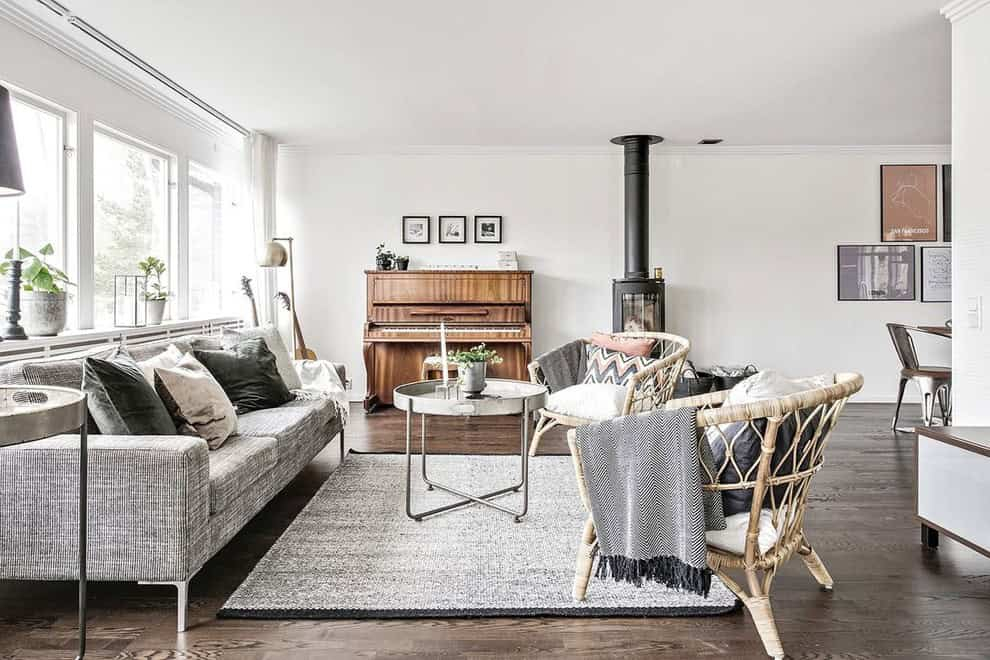
Have you ever walked into a room and just felt… calm? Like a deep breath of fresh air. That’s often the magic of Scandinavian design. It’s more than just minimalist furniture and pale colors; it’s about creating a space that feels genuinely welcoming, a sanctuary from the everyday hustle. It’s a design philosophy rooted in simplicity, functionality, and a profound connection to nature, all aiming to bring a sense of peace and well-being into your home. Let’s explore how to achieve that perfect balance.
When we talk about Scandinavian living rooms, images of clean lines, light wood, and a neutral palette often come to mind. And yes, those are certainly elements. But the essence goes deeper. It’s a style born from necessity and a deep appreciation for the natural world, particularly in regions with long, dark winters. The goal is to maximize natural light, create cozy interiors, and foster a sense of hygge – that uniquely Danish concept of coziness and contentment. It's about finding beauty in the understated and creating spaces that are both beautiful and deeply livable. Think of it as a gentle embrace, not a stark statement.
The Power of Light and Air
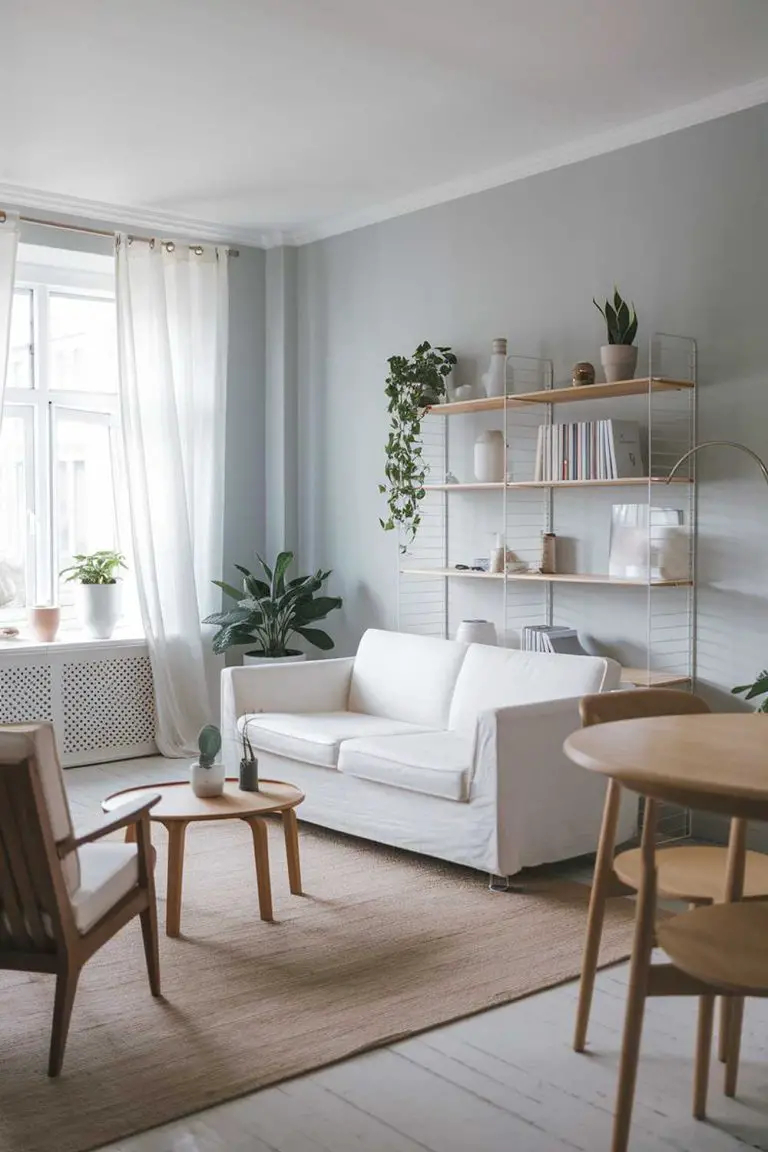
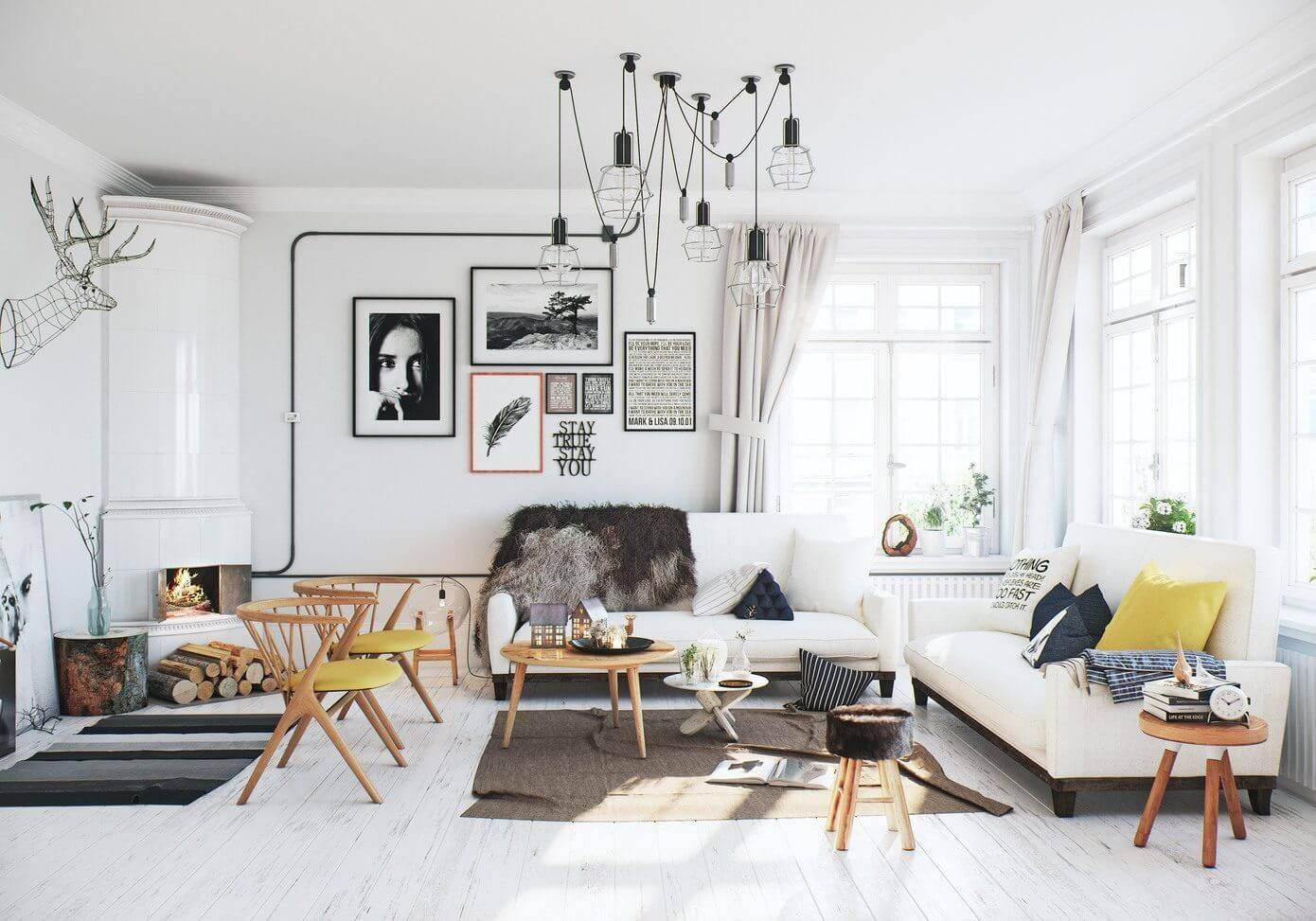
One of the cornerstones of Scandinavian design is its relationship with light. Given the shorter days in Nordic countries, maximizing natural light is paramount. This means keeping window treatments minimal – think sheer curtains or even no curtains at all, if privacy allows. Large, unadorned windows are key. When it comes to artificial lighting, layering is important. Instead of one harsh overhead light, opt for a mix of floor lamps, table lamps, and perhaps a pendant light. This creates warm pools of light, making the space feel more inviting and intimate, especially during the evening hours. The idea is to mimic the soft glow of natural daylight and create a gentle ambiance. It’s about making your living room feel airy and open, even if the square footage isn't vast.
Embracing Natural Materials
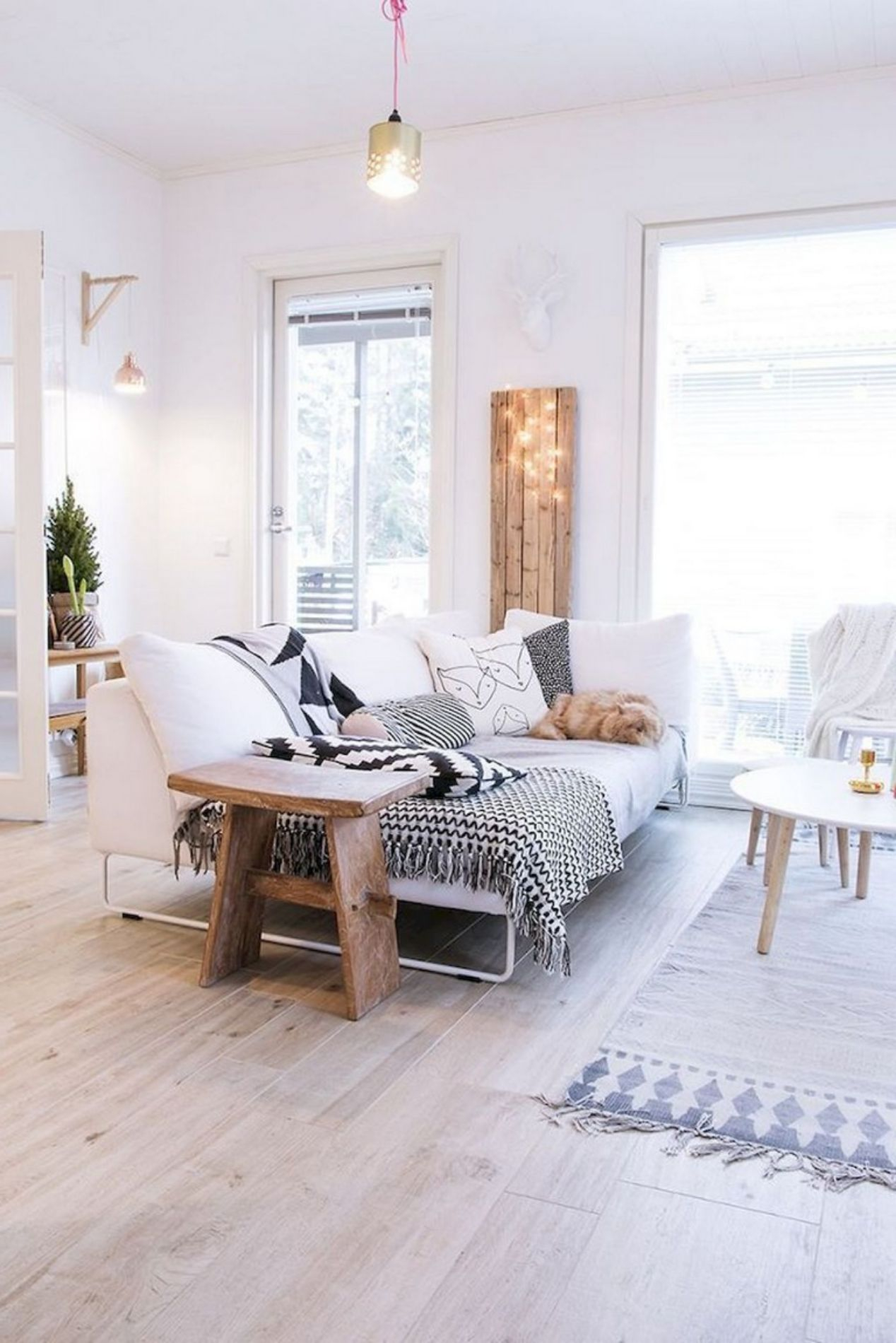
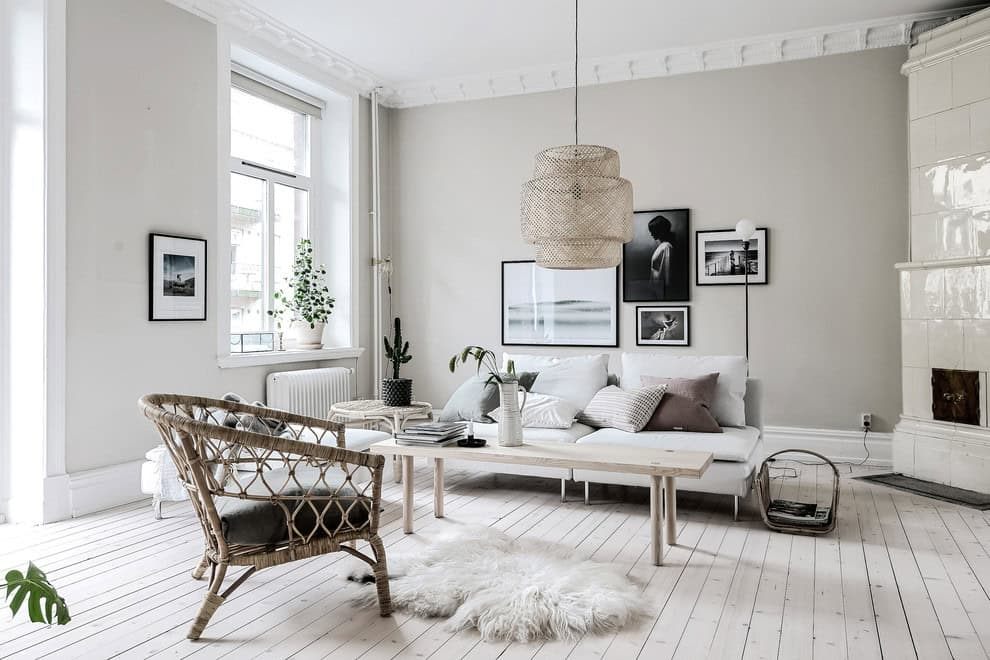
Nature is a huge inspiration for this style. You’ll see a lot of light-colored woods like birch, ash, and pine. These materials bring warmth and texture into the room without feeling heavy. Think about furniture made from these woods – a simple coffee table, a sleek bookshelf, or the legs of your sofa. Beyond wood, natural fibers are also essential. Wool throws, linen cushions, cotton rugs, and even leather accents add layers of comfort and tactile interest. These materials not only look good but also feel good to the touch, contributing to that overall sense of coziness. It’s about bringing the outdoors in, in a subtle and sophisticated way.
Simplicity and Functionality: Less is More
Scandinavian design is famously minimalist, but it’s not about austerity. It’s about intentionality. Every piece in the room should have a purpose and be well-crafted. Clutter is the enemy of calm, so a key principle is to keep surfaces clear and organized. Choose furniture that is both beautiful and practical. Storage solutions are often integrated seamlessly, like a sideboard or a media unit with clean lines that hides away electronics and everyday items. This focus on functionality means the space remains uncluttered, allowing the beauty of each carefully chosen item to shine through. It’s about curating your belongings, not just accumulating them.
The Palette: Neutrals with a Touch of Warmth
While white is a popular base, it’s not the only color. The Scandinavian palette is typically neutral, relying on shades of white, cream, grey, and beige. These colors reflect light beautifully and create a serene backdrop. However, to avoid a sterile feel, pops of color and warmth are introduced through accessories and natural materials. Think muted blues, soft greens, or even a touch of blush pink in cushions or artwork. Earthy tones also play a role, bringing in a grounded feel. The key is to keep the overall impression light and airy, with these warmer hues acting as gentle accents rather than dominant features.
Comfort and Coziness (Hygge)
This is where the soul of Scandinavian design truly lies. Hygge is about creating a warm, inviting atmosphere and enjoying the good things in life with good people. In your living room, this translates to soft textures, comfortable seating, and elements that encourage relaxation. Layering blankets and cushions on your sofa is a must. Add a soft rug underfoot. Consider a fireplace or even candles to create a warm glow. Plants also play a significant role, bringing life and a touch of nature indoors. It’s about creating a space where you can truly unwind and feel at home, a place that nurtures your well-being.
Practical Tips for Your Space
So, how do you bring this into your own living room? Start by decluttering and clearing out anything that doesn't serve a purpose or bring you joy. Choose a light, neutral color for your walls. Invest in one or two key pieces of furniture with clean lines and natural wood elements. Layer in soft textiles like wool throws and linen cushions. Add a few carefully chosen plants. Ensure you have ample, layered lighting – a mix of overhead, task, and ambient light. And most importantly, focus on creating a feeling of comfort and warmth. It’s a journey, not a destination, so enjoy the process of making your space your own.
Creating a harmonious Scandinavian living room is all about embracing simplicity, light, and comfort. It’s a design philosophy that prioritizes well-being and creates spaces that are not only aesthetically pleasing but also deeply functional and inviting. By focusing on natural materials, a soft color palette, and thoughtful layering of light and texture, you can transform your living room into a serene sanctuary. Remember, it’s less about perfection and more about creating a feeling – a feeling of peace, warmth, and contentment that truly makes a house a home. So go ahead, embrace the calm and enjoy your beautifully balanced space.