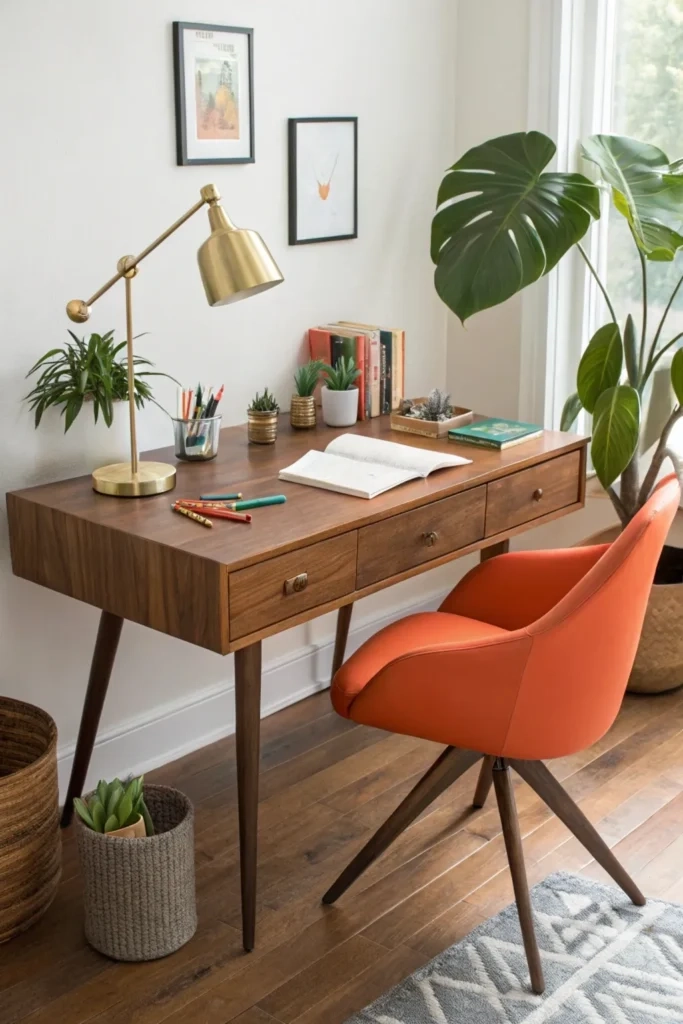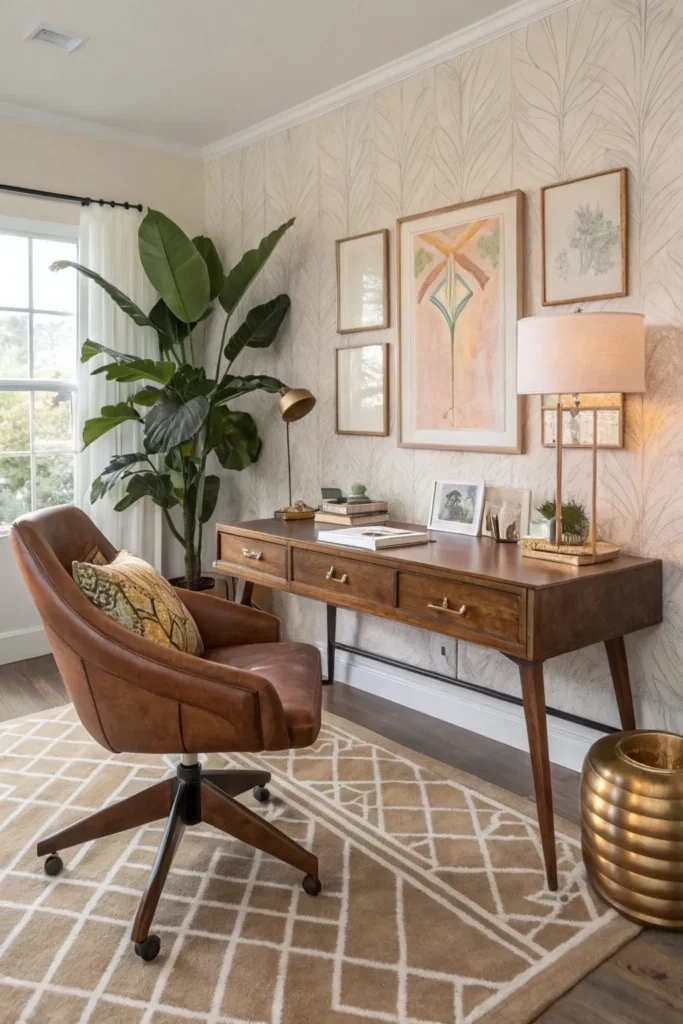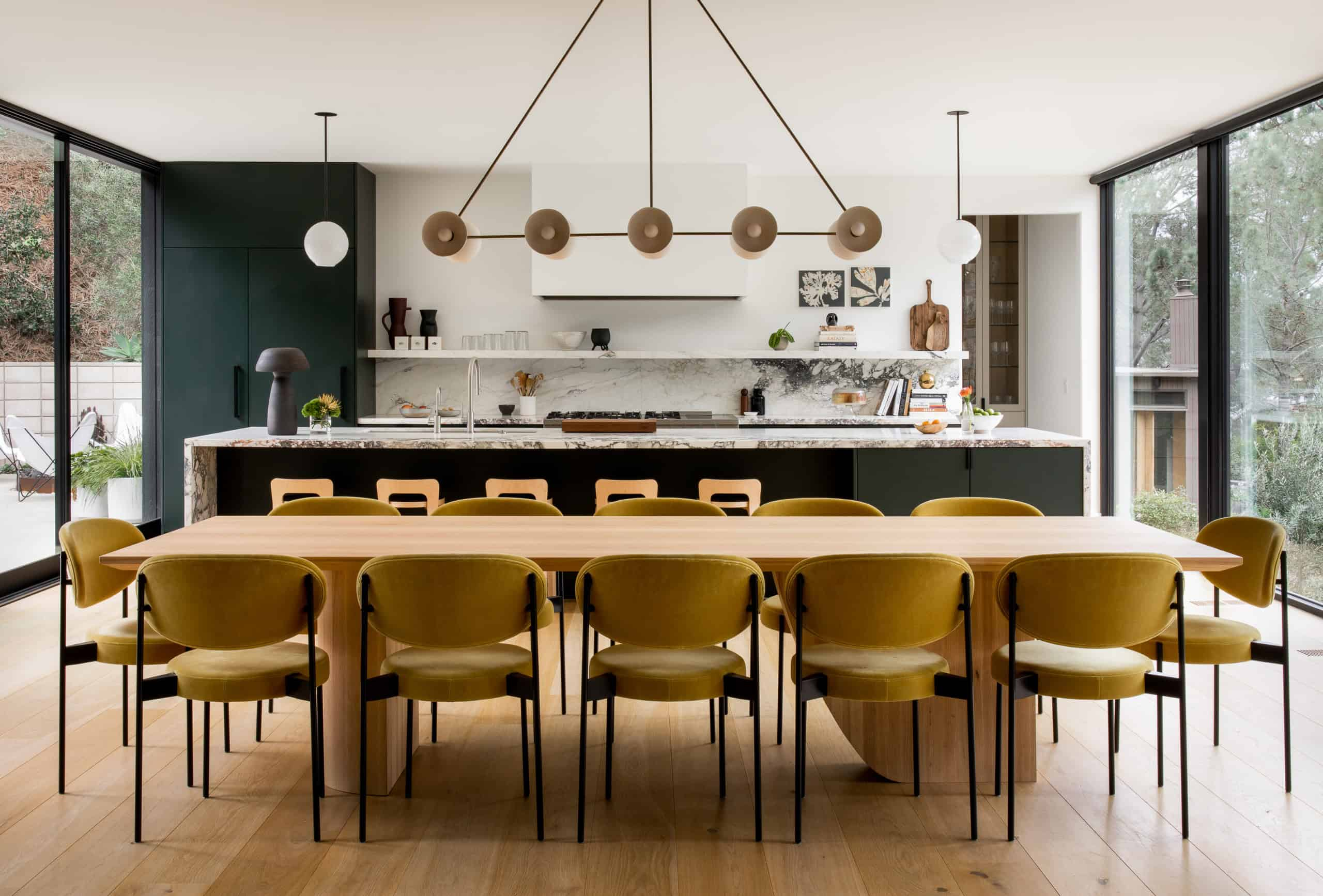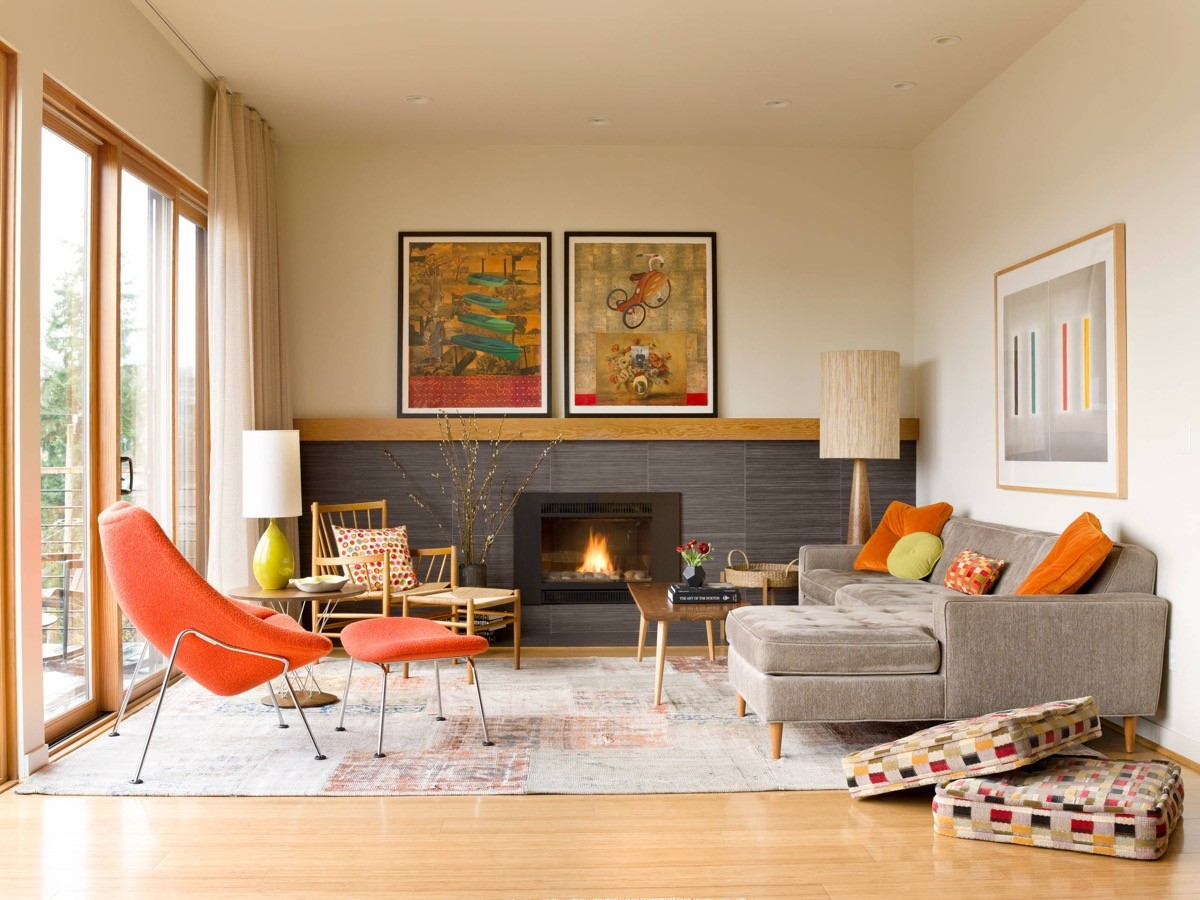
Ever walk into a room and just feel… good? Like everything belongs, and it’s all so effortlessly cool? Chances are, you've just experienced the magic of Mid-Century Modern design. It's not just about a chair or a lamp; it's a whole vibe, a way of living that keeps pulling us in, year after year. What is it about this particular esthetic that makes us keep coming back for more, even decades later? Let's dive in and unpack the enduring appeal of this truly iconic period.
So, what exactly is Mid-Century Modern? Think of it as a design movement that really took off roughly between the mid-1940s and late 1960s, right after World War II. It was a time of huge change, of looking forward and wanting to rebuild, and that feeling really seeped into the design world. People were eager for new ideas, new materials, and a fresh start. This era wasn't just about making things look pretty; it was about making them work better, be more accessible, and fit into a modern way of life. It was a true revolution in form and function, shaping homes and lives in ways we still admire today.
The Philosophy Behind the Form: Function First, Always
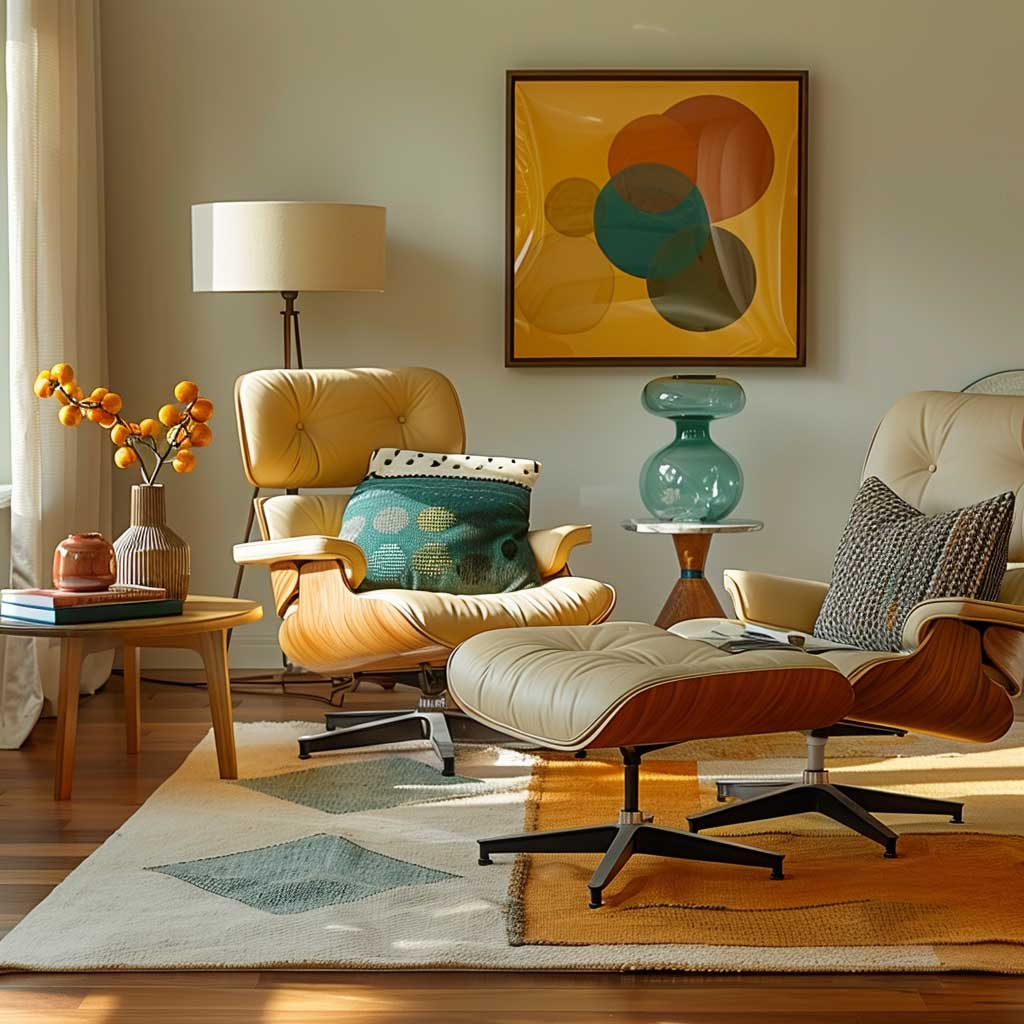
One of the absolute cornerstones of Mid-Century Modern design is its unwavering commitment to functionality. This wasn't about fussy ornamentation or overly elaborate details. Nope. Designers from this period were obsessed with how things worked and how they could make everyday life easier and more enjoyable. Take, for instance, the classic Eames Lounge Chair. It’s undeniably beautiful, but every curve, every angle, is designed for ultimate comfort and support. It’s not just a showpiece; it’s a chair you actually want to sink into after a long day. This practicality is woven into the very fabric of the style, making it incredibly livable and approachable. It's design that serves you, not the other way around. Think about the modular shelving units, too – adaptable, versatile, and perfect for the evolving needs of a family.
Materials Matter: Embracing the New and Natural
The post-war era brought with it a surge of new materials and manufacturing techniques, and Mid-Century Modern designers were quick to experiment. You'll see a wonderful blend of natural materials like teak, walnut, and rosewood – often with beautiful, exposed grains – alongside innovative new ones. Plywood, for example, was bent and molded into incredible, organic forms, creating chairs that were both strong and surprisingly light. Fiberglass, plastic, and even aluminum found their way into furniture, lighting, and home accessories, pushing the boundaries of what was possible. This mix of the earthy and the industrial gives the style a unique warmth and a sense of forward-thinking innovation. It's about honesty in materials, letting their inherent beauty shine through rather than hiding it.
Clean Lines and Organic Shapes: A Harmonious Balance
If you had to pick two defining visual characteristics, it would be the emphasis on clean lines and the surprising use of organic, fluid shapes. It sounds like a contradiction, doesn't it? But somehow, Mid-Century Modern manages to blend them seamlessly. You'll see sleek, minimalist silhouettes in sofas and sideboards, often elevated on slender legs, giving a sense of lightness and openness. Then, juxtaposed against that, you have the soft, curving forms of an Saarinen Womb Chair or a Noguchi coffee table, mimicking shapes found in nature. This interplay creates a dynamic yet balanced esthetic that feels both modern and comforting. It's a dance between simplicity and softness, perfectly calibrated.
Color Palettes That Pop (or Soothe): A Spectrum of Expression
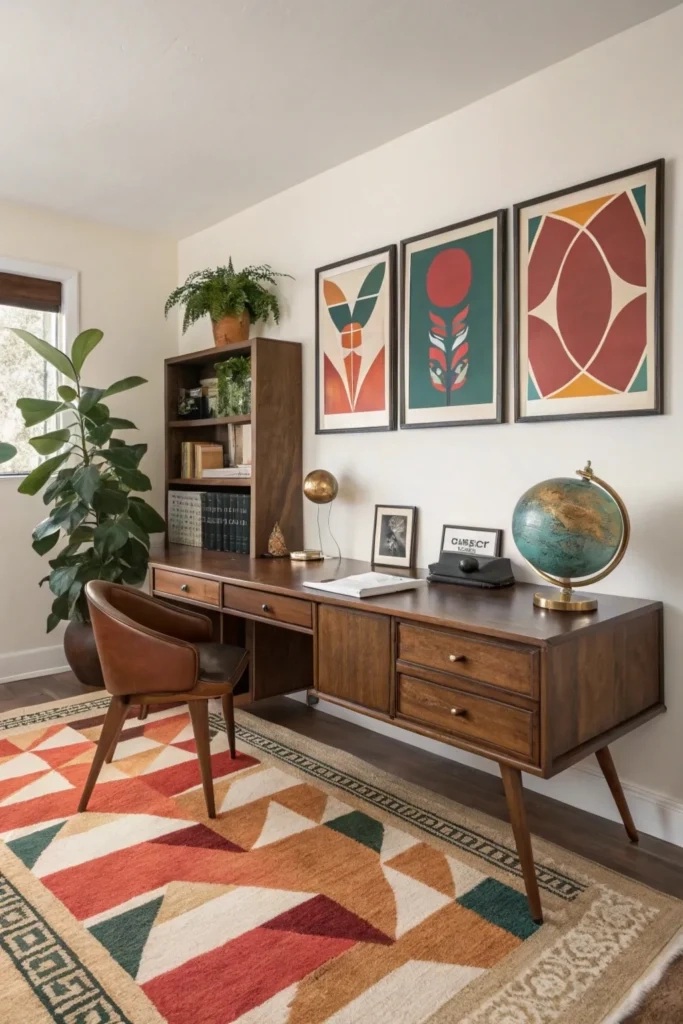
The color stories in Mid-Century Modern design are just as captivating as the forms. While you often associate the style with earthy tones – think avocado green, mustard yellow, and burnt orange – there was also a strong embrace of vibrant, punchy hues. Teal, bright red, and sunny yellow were frequently used as accents, adding playful pops of color against more neutral backdrops. This flexibility in color allows the style to adapt to different personalities and preferences. Whether you prefer a calming, muted scheme or something more lively and energetic, Mid-Century Modern has a palette for you. It's about creating spaces that feel inviting and stimulating, never bland.
Iconic Designers and Their Lasting Legacies
You can't talk about Mid-Century Modern without mentioning the brilliant minds who created it. Names like Charles and Ray Eames, Florence Knoll, Arne Jacobsen, George Nelson, Eero Saarinen, and Isamu Noguchi are synonymous with the movement, and for good reason. These designers weren't just making furniture; they were thinking about how people lived, how societies were evolving, and how design could improve quality of life. Their innovations, from the molded plywood techniques of the Eameses to Saarinen's pedestal bases that eliminated 'a confusing jumble of legs,' continue to influence contemporary design. Their pieces aren't just artifacts; they're living testaments to creativity and ingenuity, often becoming cherished family heirlooms.
More Than a Trend: Why it Endures
So, why has Mid-Century Modern design not faded into obscurity like so many other trends? Why does it continue to be so widely loved and sought after? Perhaps it's its inherent versatility. It plays well with other styles, whether you're mixing it with contemporary pieces or even more traditional ones. Its clean lines and natural materials provide a fantastic foundation for almost any interior. It’s also incredibly well-made; many original pieces from the era are still in fantastic condition today, a testament to their quality craftsmanship. And maybe, just maybe, it’s because it represents a hopeful time, a period of optimism and innovation that we still find inspiring. It’s elegant, yet unpretentious. Sophisticated, yet comfortable. It's design that truly stands the test of time, proving that good design is always relevant.
From its thoughtful embrace of function and its innovative use of materials to its elegant lines and playful colors, Mid-Century Modern design offers a masterclass in enduring style. It’s a testament to the idea that true beauty lies not just in appearance, but in how things are made and how they enhance our lives. It’s not just a passing fad; it’s a fundamental approach to living that continues to resonate with people across generations. And that, really, is the secret to its timeless allure. It just feels right, doesn't it.