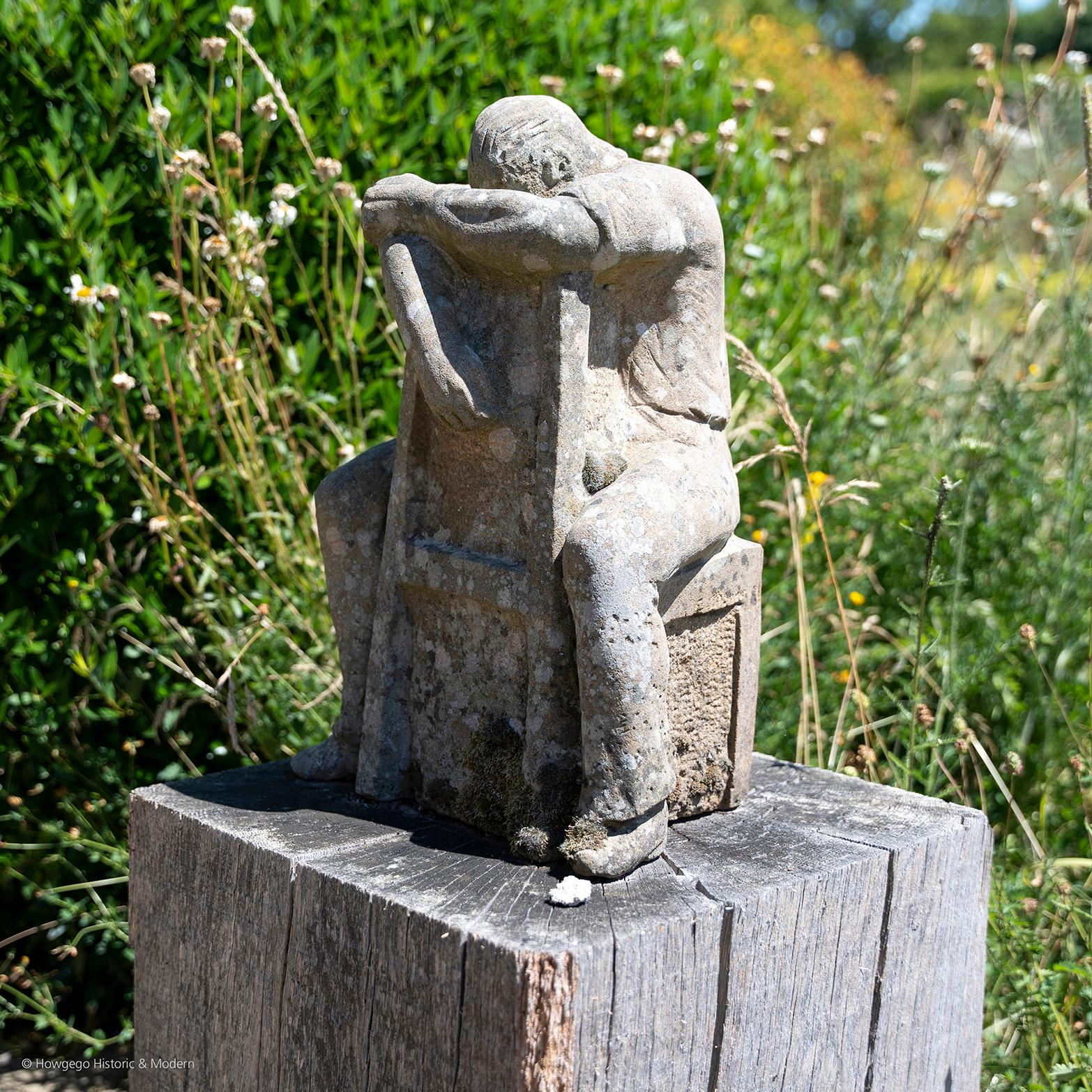
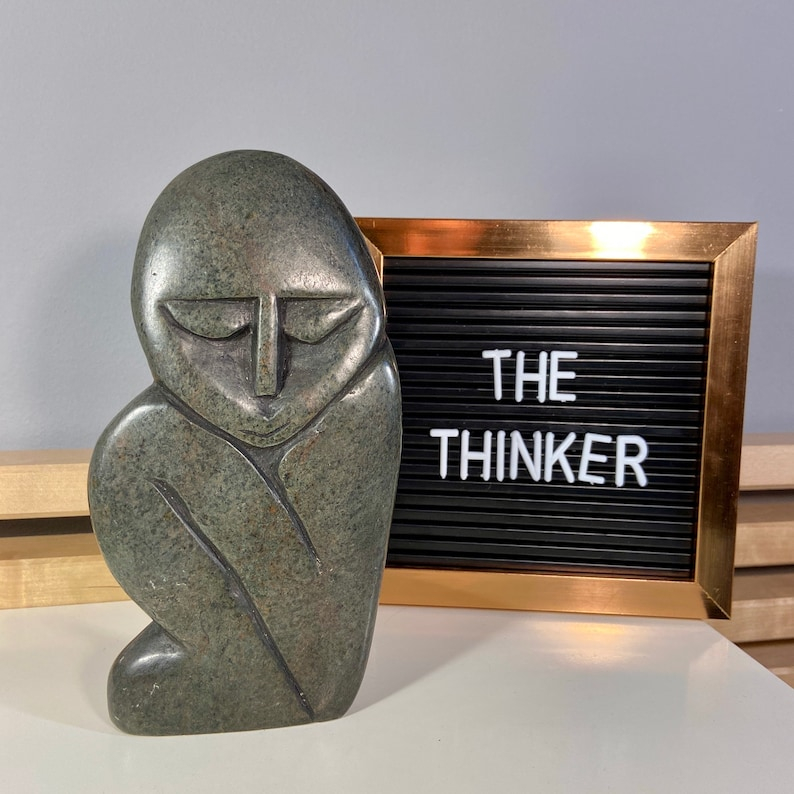
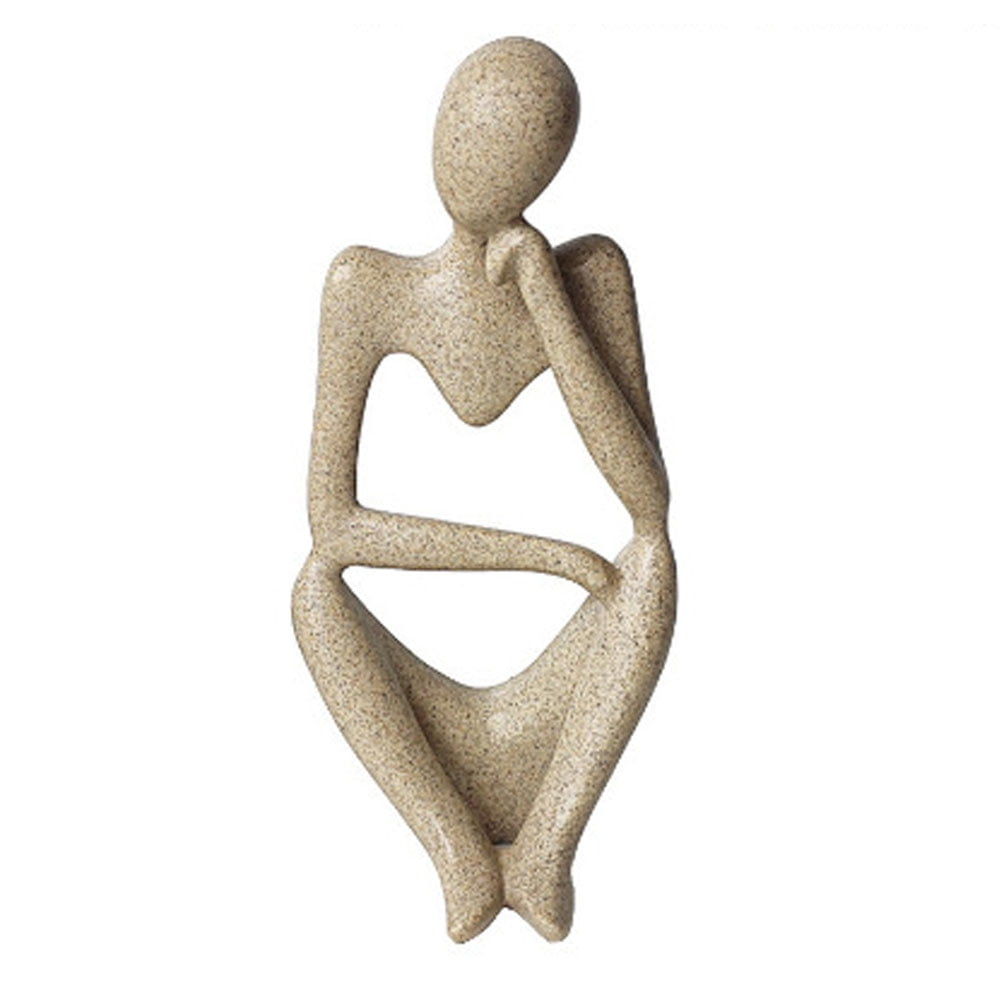
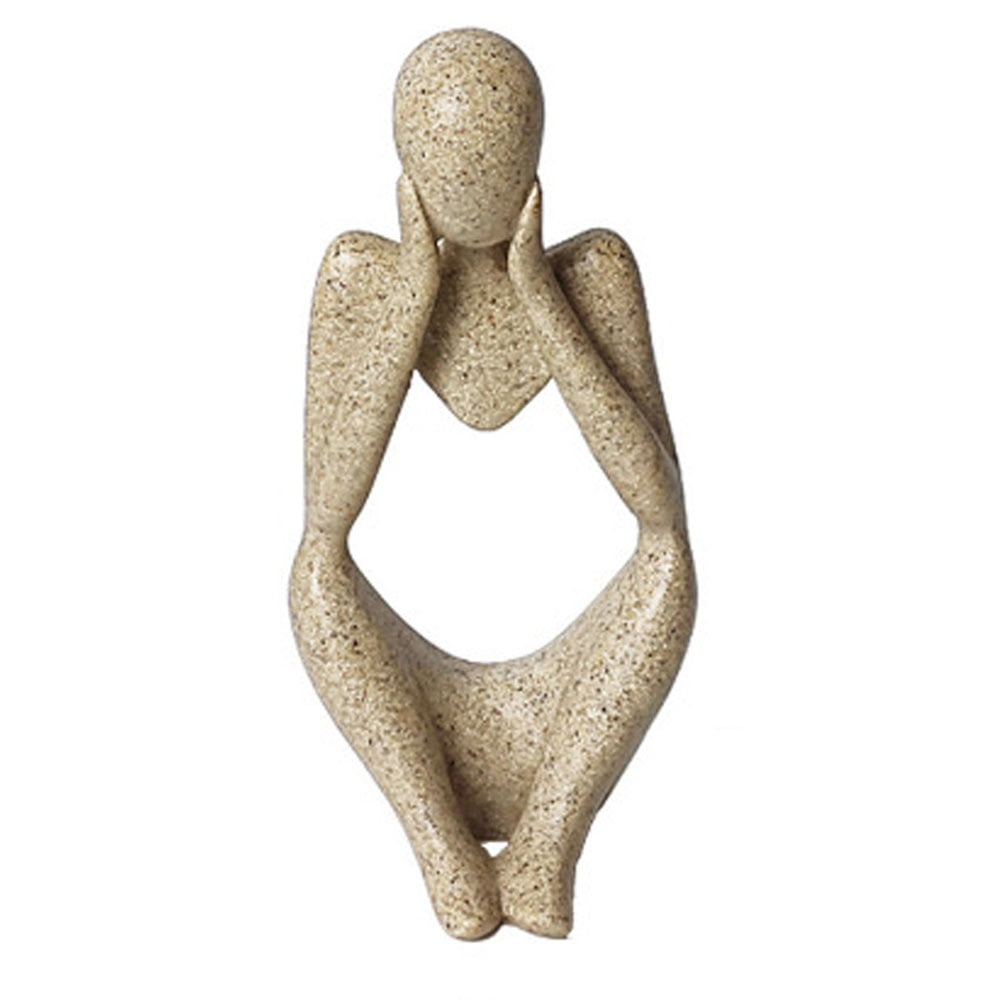
Have you ever seen a sculpture that just gets you? A piece that seems to hold a universe of meaning in its stillness? That's often the magic of 'thinker' art, especially when it's carved from something as ancient and earthy as sandstone. It's more than just a statue; it's a conversation starter, a silent observer, and a profound invitation to pause and ponder. Let's delve into what makes these pieces so compelling and how they come to be.
Imagine a block of sand, compressed over eons, transformed by the patient hand of an artist into a figure lost in thought. This is the essence of sandstone thinker art. It's a fusion of nature's raw beauty and human creativity, resulting in sculptures that radiate a sense of deep contemplation and enduring strength. But what exactly goes into making these thoughtful stone companions? It's a journey, a dance between the artist's vision and the stone's inherent qualities, and it's quite fascinating.
Choosing the Right Stone: More Than Just Sand
Not all sandstone is created equal, you know. For a 'thinker' sculpture, the choice of material is paramount. Artists look for sandstone that has a fine, consistent grain; something that will allow for intricate details without crumbling. Color variations, from warm ochres to cool grays, also play a huge role, influencing the overall mood of the finished piece. Some sandstones are softer, easier to carve, but might lack the durability for outdoor display, while others are incredibly hard, demanding more effort but promising greater longevity. It's a delicate balance, and often, the stone itself dictates a bit of the final form, whispering its potential to the sculptor.
The Vision Takes Shape: Conceptualization and Design
Before the first chisel strikes, there's a period of deep thought, much like the figures themselves. An artist doesn't just hack away at a rock. They spend time visualizing, sketching, perhaps even making small clay models. What kind of 'thinker' will this be? Is it a figure of quiet sorrow, intense concentration, or peaceful meditation? The posture, the tilt of the head, the placement of the hands—every element is carefully considered to convey a specific emotion or state of mind. It’s about more than just replicating a human form; it's about capturing an internal world, frozen in stone. Sometimes, the initial idea evolves as the artist interacts with the stone, a truly organic process.
The Art of Carving: Tools and Techniques
This is where the real muscle and finesse come into play. Carving sandstone requires a specific set of tools, from heavy mallets and chisels for removing large sections to delicate rifflers and rasps for refining details. The process is subtractive, meaning there's no going back once stone is removed. It demands precision, patience, and a deep understanding of the material. Artists often work slowly, layer by layer, revealing the form within the block. Dust flies, muscles ache, but with each carefully placed blow, the form emerges. It's a meditative, almost ritualistic practice, where the sculptor becomes one with the stone, coaxing out the hidden spirit of contemplation.
Refinement and Finishing: Bringing Out the Soul
Once the basic form is established, the real magic of refinement begins. This stage involves smoothing surfaces, defining contours, and adding subtle textures that give the piece its unique character. Sanding, often with progressively finer grits, brings out the natural beauty of the sandstone, making it smooth and inviting to the touch. Sometimes, a protective sealant is applied to enhance durability and protect against the elements, especially if the sculpture is destined for an outdoor setting. It's in these final touches that the 'thinker' truly comes alive, its silent narrative speaking volumes. You can almost feel the weight of its thoughts, can't you?
The Enduring Appeal: Why These Sculptures Speak to Us
So, why do these sandstone thinkers resonate so deeply with people? Perhaps it's their universality. Everyone contemplates, everyone grapples with thoughts and emotions. These sculptures offer a mirror, a quiet reflection of our own inner lives. They don't demand attention with flashy colors or dynamic poses; instead, they invite us into their stillness, encouraging us to slow down, to breathe, and to simply be. They stand as timeless reminders that thought, in all its forms, is a powerful, beautiful thing, worthy of being celebrated and preserved in the enduring embrace of stone. They're not just decorations; they're companions for our contemplative journeys, a steady presence in a chaotic world.
Caring for Your Stone Companion
If you're lucky enough to have a sandstone thinker in your life, a little care goes a long way. For indoor pieces, a light dusting is usually all that's needed. For outdoor statues, periodic gentle cleaning with water and a soft brush can help remove dirt and moss. It's important to avoid harsh chemicals that could damage the stone. In colder climates, bringing smaller pieces indoors during winter can prevent damage from freezing and thawing cycles. These sculptures are built to last, but like any cherished possession, a bit of thoughtful maintenance ensures they continue to inspire for generations. After all, they're not just art; they're a piece of enduring quietude.
The journey from a raw block of sandstone to a finished 'thinker' sculpture is a testament to human ingenuity and artistic spirit. It's a process that honors the earth's ancient past while giving form to profound human experiences. These pieces, with their quiet strength and deep contemplative aura, remind us of the beauty in stillness, the power in reflection, and the timeless connection between nature and art. They stand, silent and strong, inviting us all to pause, to ponder, and to find our own moments of profound thought. What a wonderful legacy to leave, don't you think?