There's a certain magic in taking something utilitarian and transforming it into a haven of comfort and style. I've spent years in the trenches, turning forgotten industrial shells into stunning residential masterpieces, and let me tell you, the journey is as rewarding as the destination. Warehouse chic isn't just a trend; it's a philosophy, a way of life that celebrates history, embraces raw beauty, and redefines what 'home' truly means. It's about respecting the bones of a building while infusing it with modern sensibilities and personal flair. It's about finding the elegant in the industrial, the cozy in the cavernous.
For decades, warehouses were simply places of commerce and creation, often overlooked for their architectural merit. But as cities evolved and industries shifted, these robust structures, with their high ceilings, exposed brick, and generous open plans, began to capture the imagination of visionaries. The appeal is undeniable: an abundance of space, natural light, and an inherent character that modern builds often struggle to replicate. It's like finding a hidden gem, full of stories waiting to be told. My work has taken me into some truly incredible spaces, each with its own unique challenges and immense potential. It's not just about decorating; it's about understanding the soul of the building and letting it guide your design choices.
Understanding the Core Elements of Warehouse Chic
Before you even think about paint swatches or furniture, you gotta grasp the fundamental elements that define warehouse chic. It's more than just throwing some industrial-looking furniture in a big room. It's about a delicate balance of contrasts.
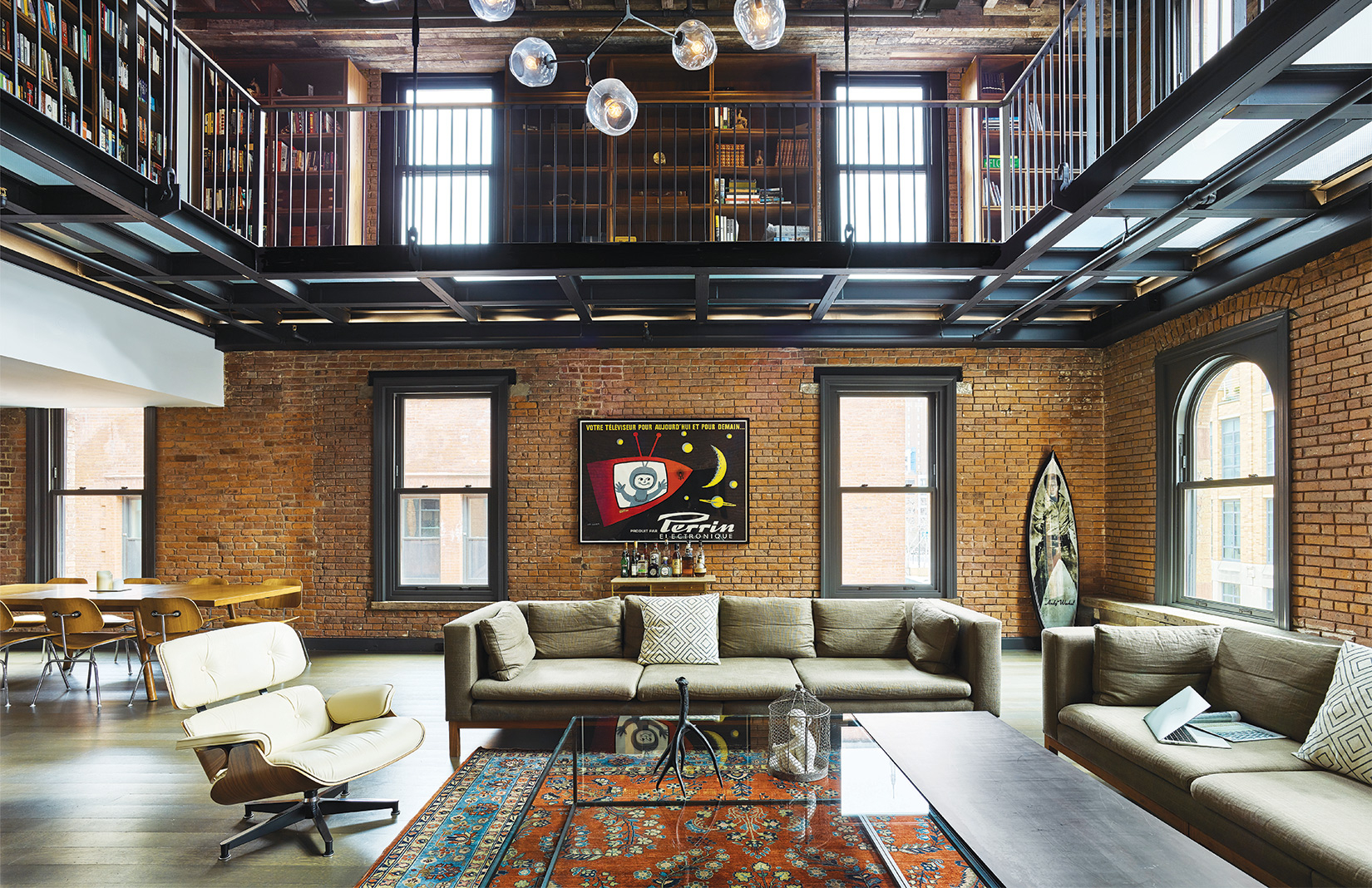
- Exposed Architecture: Think brick walls, steel beams, ductwork, and concrete floors. These aren't flaws; they're features. They tell the story of the building's past and provide an unbeatable backdrop.
- Open-Concept Layouts: Warehouses are inherently open. While you might want to delineate zones, the feeling of spaciousness is key. Don't fight it; embrace it.
- Abundant Natural Light: Large windows, often spanning floor to ceiling, are a hallmark. Maximize this. It's a huge asset.
- Raw Materials: Beyond the structural elements, incorporate wood, metal, and natural fibers. These materials ground the space and add texture.
- A Mix of Old and New: This is where the 'chic' comes in. Juxtaposing vintage finds with contemporary pieces creates a dynamic and interesting environment. It’s a bit like a well-curated art gallery, where each piece speaks to the other in a fascinating conversation.
Practical Steps: Laying the Foundation
Alright, let's get down to brass tacks. Transforming a raw space isn't just about aesthetics; it's about making it livable and functional. This is where the real work begins.
- Structural Assessment and Remediation: First things first, get an engineer in there. Seriously. You need to know if the building's bones are sound. We've seen everything from leaky roofs to dodgy wiring. Address these issues upfront. It's not sexy, but it's crucial. You don't want surprises down the line.
- Zoning and Permitting: This can be a headache, but it's non-negotiable. Converting commercial or industrial spaces to residential use requires specific permits and adherence to building codes. Work with local authorities or a knowledgeable architect.
- Insulation and Climate Control: Warehouses can be drafty and challenging to heat or cool efficiently. Invest in good insulation, modern HVAC systems, and consider radiant floor heating. Your comfort (and energy bill) will thank you.
- Plumbing and Electrical Infrastructure: Existing industrial plumbing and electrical systems are likely inadequate for residential needs. Plan for new, dedicated lines for kitchens, bathrooms, and ample outlets. Think about where you'll want light fixtures and power points before the walls go up (or stay exposed!).
Designing for Function and Flow: Beyond the Blueprint
Once the structural stuff is sorted, it's time to think about how you'll actually live in the space. This is where the human element comes in, and it's pivotal for making a warehouse feel like a home.
- Defining Zones: In a large, open space, it's easy for areas to blend into one another. Use furniture arrangement, area rugs, lighting, and even subtle changes in flooring to define living, dining, and sleeping zones without erecting full walls. Think about how you move through the space and what activities happen where.
- Kitchen as a Focal Point: The kitchen often becomes the heart of a warehouse conversion. Integrate industrial-grade appliances with sleek, modern cabinetry. A large island can serve as a gathering point, prep area, and even a casual dining spot. It's a place for both serious cooking and lively conversation.
- Strategic Lighting: Natural light is amazing, but you'll need a robust lighting plan for evenings and darker days. Mix industrial pendants, track lighting, and recessed fixtures. Add task lighting in key areas and ambient lighting for warmth. Don't forget dimmer switches; they're your best friend for setting the mood.
- Privacy Solutions: While open-concept is great, everyone needs a bit of privacy. Consider sliding barn doors, large pivoting panels, or even clever furniture placement to create more secluded bedroom or office areas. Sometimes a floor-to-ceiling curtain can do wonders, too.
Furnishing and Decorating: The Art of the Mix
This is where your personal style really shines through and you bring the 'chic' to warehouse chic. It’s a delicate dance of juxtaposition.
- Layering Textures: To prevent a space from feeling cold or sterile, layer different textures. Think plush rugs on concrete floors, soft textiles against exposed brick, and warm wood tones next to cool metals. This adds depth and comfort.
- Curated Furniture Selection: Don't just buy everything new. Seek out vintage industrial pieces – old factory carts as coffee tables, metal lockers for storage, or reclaimed wood dining tables. Pair these with comfortable, contemporary sofas and chairs. The contrast is key.
- Art and Greenery: Large-scale art can really anchor a vast wall. Don't be afraid to go big. And bring in plenty of plants! They add life, color, and soften the industrial edges. Think tall fig trees or trailing philodendrons.
- Personal Touches: This is your home! Display your collections, photographs, and mementos. These are the things that make a space feel lived-in and loved. It's not a showroom; it's a reflection of you and your journey.
Overcoming Common Challenges in Warehouse Conversions
Every project has its hurdles, and warehouse conversions are no exception. But with foresight and a good team, they're all surmountable.
- Acoustics: High ceilings and hard surfaces can lead to echoey spaces. Combat this with soft furnishings, rugs, acoustic panels (discreetly placed or designed as art), and even strategically placed bookshelves filled with books. Sound-absorbing materials are your friend.
- Temperature Regulation: As mentioned, maintaining a comfortable temperature can be tough. Beyond insulation, consider ceiling fans for airflow and strategically placed portable heaters or coolers for supplementary comfort in specific zones.
- Storage Solutions: Open spaces can lack traditional storage. Get creative with built-in cabinetry that blends seamlessly with the architecture, freestanding industrial-style shelving units, and under-stair storage. Think vertical!
- Budget Management: Warehouse conversions can be costly due to the extensive structural and infrastructure work required. Get detailed quotes, build in a contingency fund (at least 15-20%), and prioritize your spending. Sometimes, doing things in phases can make a big project more manageable. Don't skimp on the essential stuff, like electrics and plumbing. You'll regret it later.
The Human Element: Making a House a Home
Ultimately, warehouse chic is about creating a space that feels uniquely yours, a place where you can relax, entertain, and thrive. It's not just about the exposed brick and steel beams; it's about the feeling you get when you walk through the door.
- Comfort is King: No matter how stylish a space is, if it's not comfortable, it's not a home. Prioritize cozy seating, soft lighting, and personal touches that invite relaxation.
- Storytelling Through Design: Let the history of the building speak, but also let your own story unfold within its walls. Each piece of furniture, every artwork, and every object you choose should contribute to the narrative of your life.
- Flexibility and Adaptability: Life changes, and your home should be able to adapt. Design with flexibility in mind – movable partitions, multi-functional furniture, and zones that can serve different purposes as your needs evolve.
- Embrace Imperfection: The beauty of industrial spaces often lies in their imperfections – the patina on metal, the cracks in concrete, the worn texture of old wood. Don't try to make everything pristine. Embrace these unique characteristics; they add character and authenticity. It’s part of the charm, really, and what makes these spaces so appealing.
Transforming a raw warehouse into a refined living space is a profound undertaking, one that demands creativity, patience, and a deep appreciation for both form and function. It's a journey I've had the privilege of guiding clients through countless times, and each project reinforces my belief in the inherent beauty of these magnificent structures. By understanding the core principles, tackling the practicalities head-on, and infusing the space with your unique personality, you won't just create a house; you'll forge a home that tells a story, a sanctuary that celebrates its past while embracing its vibrant future. So, go forth, explore those forgotten spaces, and unlock the extraordinary potential within. The world of warehouse chic awaits, ready for your personal touch. It's a rewarding adventure, and the results are truly breathtaking.