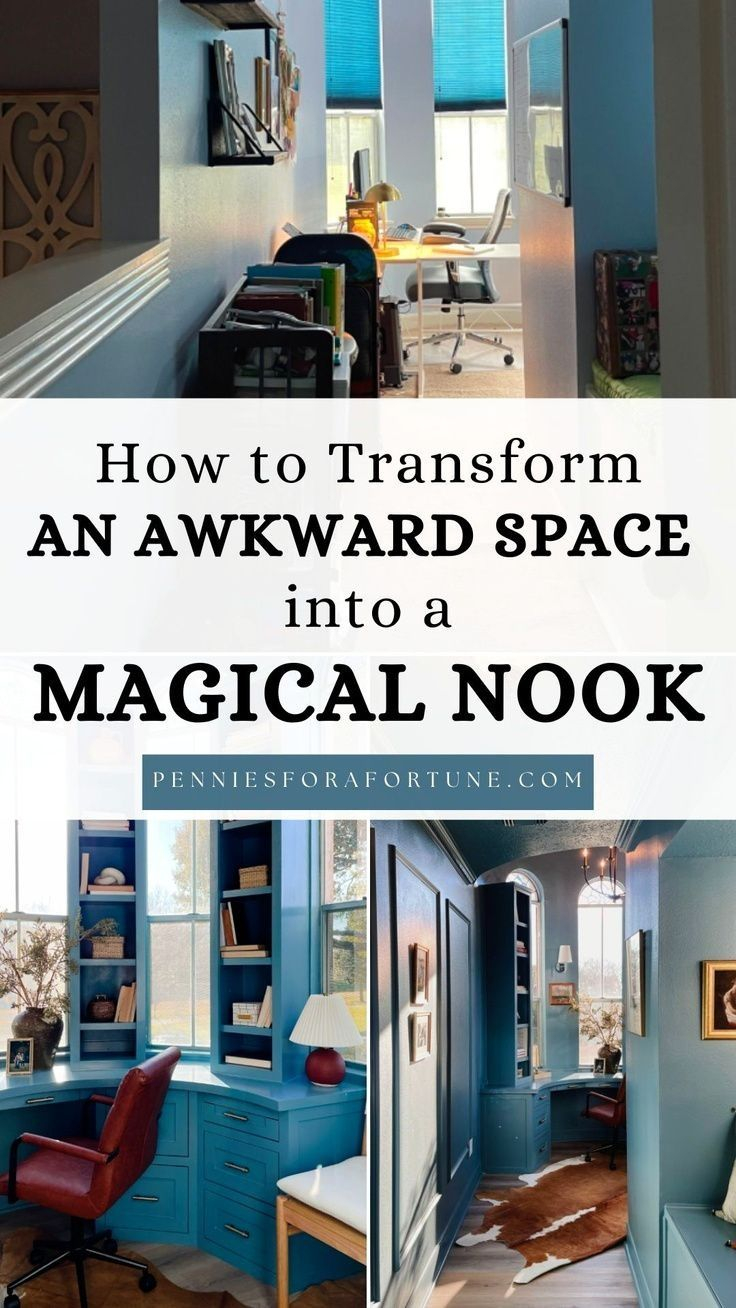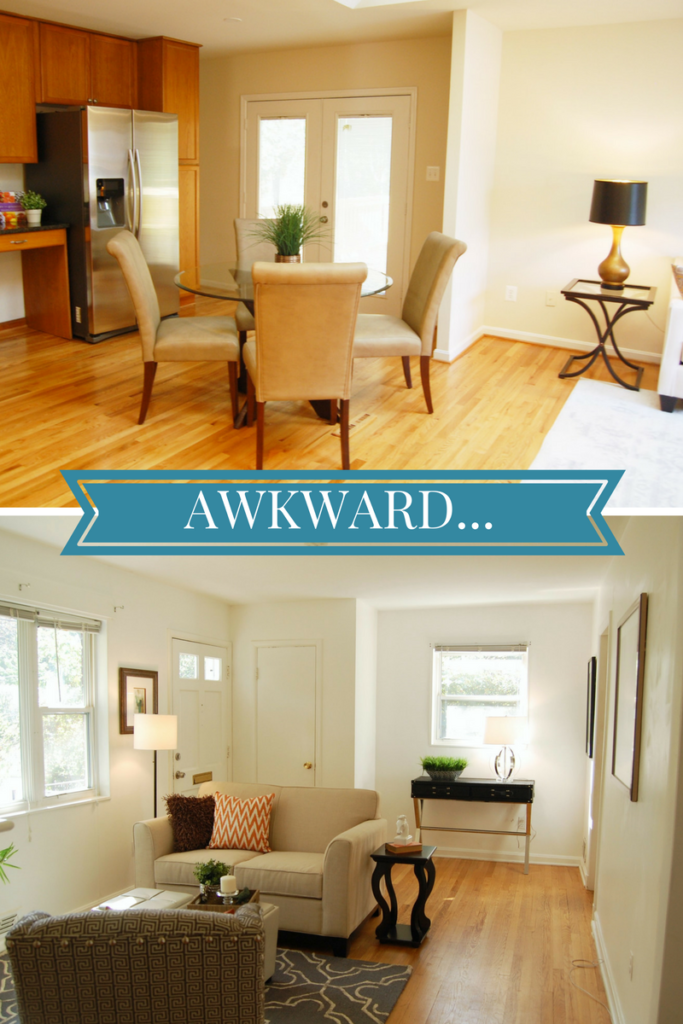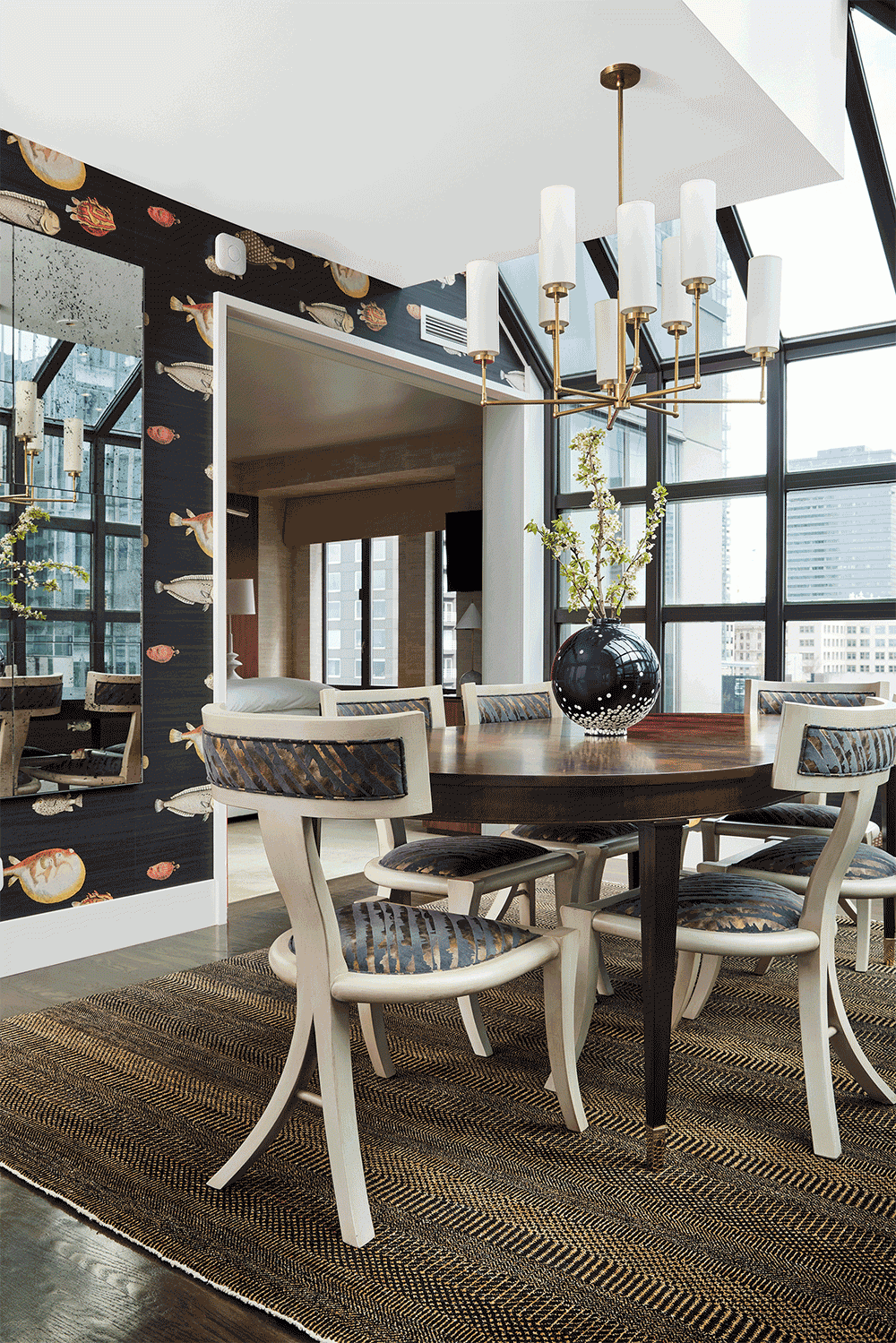
You know those little nooks. The awkward alcove by the stairs, that sliver of wall in the hallway, or even just the space under a window that seems to collect dust and forgotten items. For many, these are just 'dead zones,' but for me, they're like unopened presents, brimming with design possibilities. It’s all about seeing what's there, not just what isn't.
In the world of interior design, we often focus on the grand statements: the perfect sofa, the statement lighting, the feature wall. But what about the quiet heroes? The often-ignored corners and transitional areas that, when given a bit of love, can truly elevate a space from 'nice' to 'wow'. This isn't just about filling a void; it's about adding layers, functionality, and personality. It's about making every square inch count, and trust me, your home will thank you for it. It's a journey from simply existing to truly living in your space, and it's more straightforward then you might think.
The Art of Seeing: Identifying Your Hidden Gems
Before you can transform a space, you first have to see it. This sounds simple, but it’s often the hardest part. Walk through your home with fresh eyes, almost like a visitor. Where do your eyes linger, even for a moment, and then quickly move on?
- Nooks and Crannies: Is there an empty corner in your living room that feels a bit bare? A narrow wall section in the dining area that seems to serve no purpose?
- Transitional Zones: Think about hallways, landings, and entryways. These are often just pass-throughs, but they can be so much more.
- Underneath and Above: Don’t forget the spaces under windows, staircases, or even above doorways. These are prime real estate for creative solutions.
I once had a client who had this tiny, really awkward corner right by their kitchen entrance. They just had a small, sad plant there. We transformed it into a charming little coffee bar with floating shelves and a small, custom-built counter. It became one of their favorite spots, and it was a space they had literally never considered useful before. It's all about reframing your perception.
Function First: What Does Your Space Need?
Once you've identified a forgotten corner, the next step is to consider its potential function. This isn't about forcing a purpose, but rather understanding what your home might lack or what could enhance your daily life.
- Storage Solutions: Could that awkward alcove become a built-in bookshelf or a clever storage cabinet? Vertical space is your friend here.
- Cozy Retreats: A small window nook could become a reading bench with some plush cushions and a good lamp.
- Display Opportunities: Maybe it’s the perfect spot for a curated collection of art, photographs, or treasured travel mementos.
- Work or Hobby Zones: Even a tiny corner can host a compact desk for quick tasks or a dedicated spot for a hobby.
I helped a family turn a narrow hallway into a functional 'command center' for their kids' school papers and mail. We used wall-mounted organizers, a small bulletin board, and a slim console table. It solved a huge organizational problem and made the formerly uninviting hallway feel purposeful and inviting. It's about solving a problem, and doing it with style.
Design Elements: Bringing Your Vision to Life
Now for the fun part: bringing in the design elements. This is where you infuse personality and style into these newly recognized areas.
- Lighting: Often overlooked, lighting can dramatically transform a corner. A wall-mounted sconce, a small table lamp, or even a strategically placed floor lamp can create ambiance and highlight your new feature.
- Color and Texture: Don't shy away from using a different paint color or wallpaper on a small wall to define the space. Add texture with textiles like throw blankets, pillows, or even a small rug.
- Greenery: Plants, whether real or high-quality faux, always add life and a touch of nature. A tall plant in an empty corner can instantly make it feel less bare.
- Art and Decor: Curate pieces that speak to you. A gallery wall in a hallway, a single large piece of art in a dining room nook, or a collection of small sculptures can all make a significant impact.
One of my favorite transformations involved a small, seemingly useless wall between a kitchen and living room. We added a bold, geometric wallpaper and a floating shelf with a few carefully chosen decorative items. It became a striking visual break and a conversation starter, all from a wall that was previously just... there. It's about adding a little spark.
Practical Tips for Small-Scale Magic
Transforming these spaces doesn't require a massive renovation or a huge budget. Often, it's the small, smart choices that make the biggest difference.
- Measure Everything: Before buying anything, measure the space meticulously. This will save you headaches and returns.
- Think Vertically: When space is limited, look up! Floating shelves, tall narrow cabinets, and wall-mounted organizers are your best friends.
- Multi-Functional Pieces: Choose items that can serve more than one purpose. A storage ottoman, a bench with hidden compartments, or a nesting table set.
- Consider Customization: For truly awkward spaces, a custom-built piece of furniture might be the most efficient and beautiful solution. It doesn't have to be super expensive; sometimes a local carpenter can do wonders.
- Don't Overcrowd: The goal is to create a captivating statement, not a cluttered mess. Less is often more, especially in smaller areas.
I always tell people, start small. Pick one overlooked corner that annoys you, or that you think has potential. Experiment. You might be suprised at what you can achieve with a little bit of imagination and effort.
Case Studies: Real-World Transformations
Let me share a couple of examples of how these principles have played out in real homes.
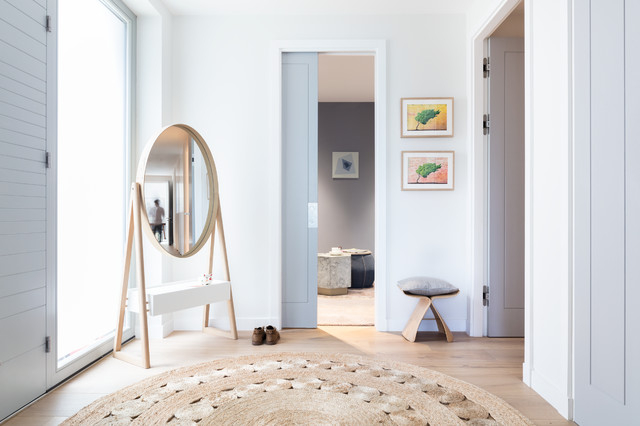
- The Hallway Niche: A client had a shallow niche in their entryway that gathered junk. We installed a custom-fit, upholstered bench with hidden storage for shoes and bags, and then added a beautiful mirror and some hooks above it. It went from a dumping ground to a practical and welcoming entry point. It's amazing how a simple bench can change everything.
- Under-Stairs Alcove: Another home had an open, empty space under their staircase. Instead of just leaving it, we designed a compact home office. We used a floating desk, wall-mounted shelving, and a comfortable chair. It became a dedicated workspace that was previously just wasted square footage. It proved you don't need a whole room for an office.
- The 'Dead' Corner in the Living Room: In a particularly challenging living room layout, there was a corner that felt disconnected. We brought in a beautiful, tall reading lamp, a comfortable armchair, and a small side table. It transformed into a cozy reading nook, adding warmth and intimacy to the larger room. It's all about making those spaces feel purposeful.
Maintaining the Magic: Keeping Your Corners Captivating
Once you've transformed these overlooked corners, the key is to keep them feeling fresh and purposeful.
- Regular Decluttering: These smaller spaces can quickly become junkyards if not maintained. A quick tidy-up once a week can make a huge difference.
- Seasonal Swaps: Change out decor items seasonally to keep the space feeling new and relevant. A new vase of flowers, a different throw pillow, or a seasonal scent can do wonders.
- Re-evaluate Function: As your needs change, the function of a corner might need to evolve too. Be open to re-purposing a space if it no longer serves its original intent.
It’s an ongoing conversation with your home. These aren't one-and-done projects; they're living, breathing parts of your overall design scheme. And remember, design is about how you feel in a space. If a corner feels good, you've done your job.
Ultimately, transforming overlooked corners into captivating design statements isn't just about aesthetics; it's about optimizing your living environment and enhancing your daily experience. It’s about recognizing that every inch of your home holds potential, waiting to be unlocked. By approaching these small spaces with intention, creativity, and a touch of practical magic, you can create a home that feels more cohesive, more functional, and truly, more you. So, take a look around. What hidden gems are waiting to be discovered in your own home? The possibilities are endless, and the journey is incredibly rewarding. Go on, give those forgotten spots a chance to shine. You might just find they become your favorite parts of the house.