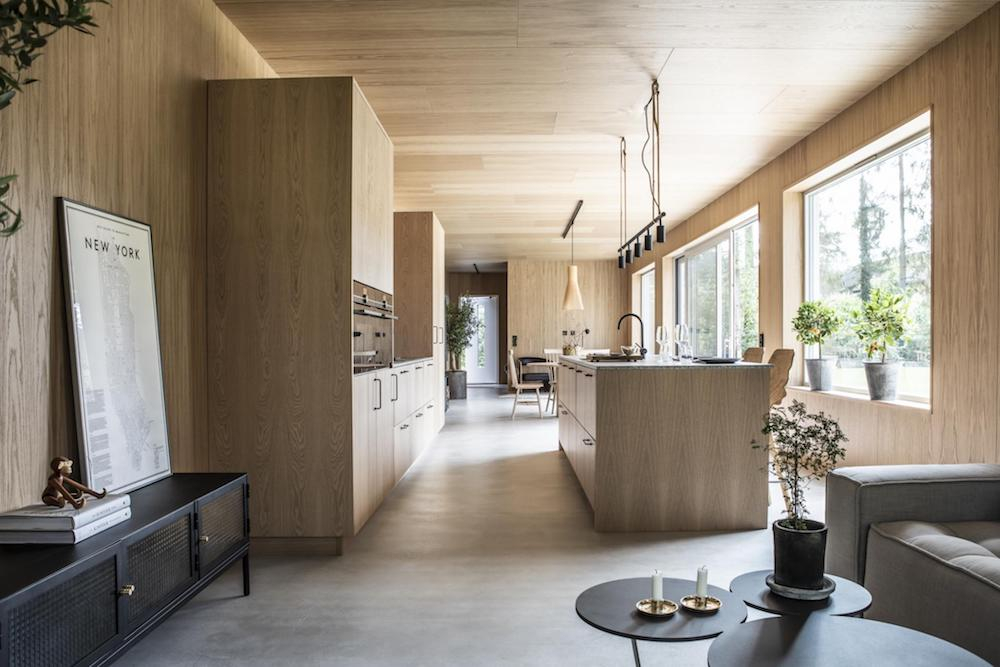
As someone who has spent decades immersed in the art of crafting harmonious interiors, I can tell you that a truly soulful sanctuary isn't just about what you see. It's about what you feel. It's about how a space breathes, how it cradles you, and how it allows you to truly unwind and reconnect. And at the heart of this transformative process lies two often-overlooked, yet immensely powerful, elements: light and simplicity.
Our homes, more than just structures of brick and mortar, are extensions of ourselves. They are the silent witnesses to our joys, our struggles, and our everyday lives. Yet, how often do we truly consider the impact these spaces have on our well-being? In a world that often feels chaotic and overwhelming, the need for a personal haven – a soulful sanctuary – has never been more pressing. This isn't about grand gestures or expensive renovations. It's about understanding the subtle, profound ways in which light and simplicity can transform a mere room into a restorative retreat, a place where your spirit can truly flourish.
The Luminary Embrace: Harnessing the Power of Light
Light, in its purest form, is life. Think about it. Plants wilt without it, and our own moods often dip on dark, dreary days. In interior design, light is not merely illumination; it's a fundamental building block of atmosphere and emotion. We're talking about both natural and artificial light, and how they dance together to create a symphony of serenity.
-
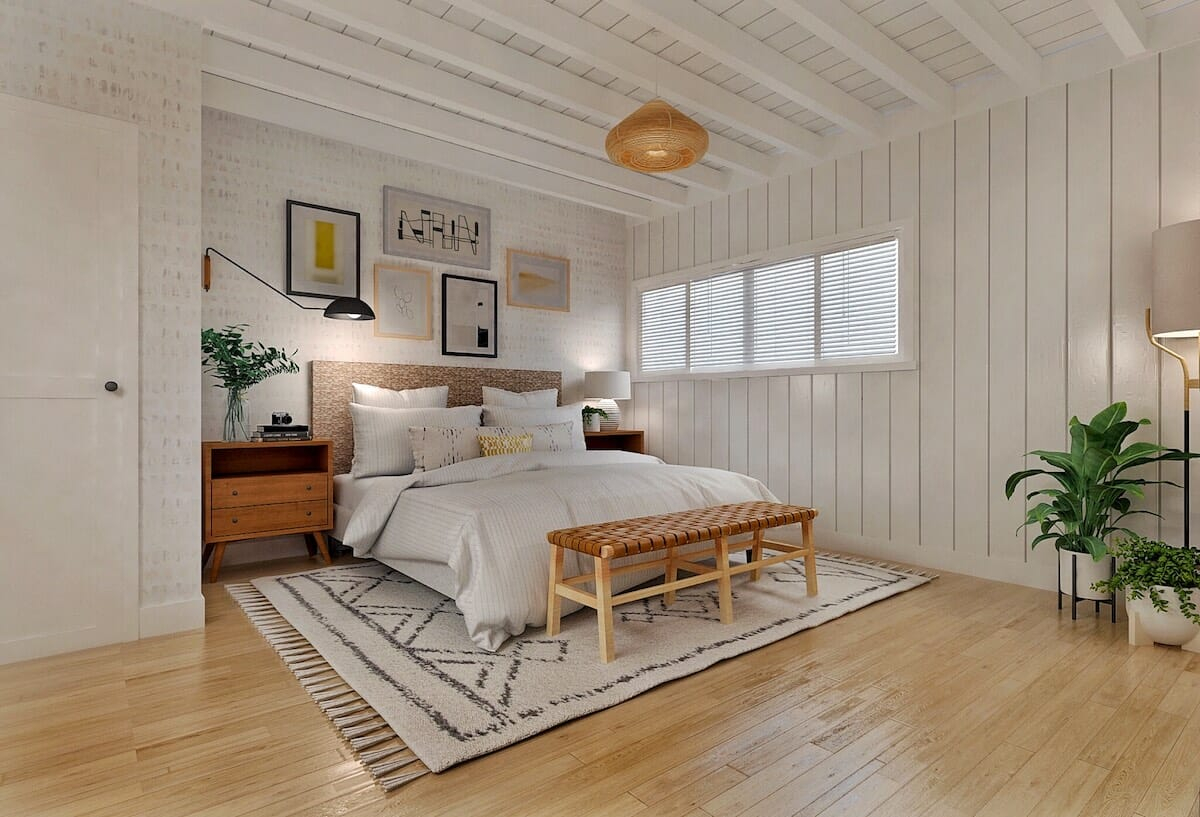
Embracing Natural Radiance: The first step is always to maximize natural light. Pull back those heavy drapes, keep your windows clean, and consider lighter window treatments that filter rather than block. South-facing rooms will naturally be brighter, but even north-facing ones can be brightened with strategic use of mirrors and light-colored paint. Don't forget the power of placing a mirror opposite a window to bounce light deep into a room. It's a simple trick, but oh so effective.
-
Layering Artificial Glow: Artificial light should complement, not compete with, natural light. Think in layers: ambient (general illumination), task (for specific activities like reading or cooking), and accent (to highlight features or create mood). Dimmers are your best friend here. They allow you to shift the mood from bright and energetic to soft and intimate with a simple turn of a knob. Warm light temperatures (around 2700K-3000K) tend to be more inviting and relaxing than harsh, cool tones.
-
The Dance of Shadows: Light isn't just about brightness; it's also about the interplay of light and shadow. Strategic lighting can create depth, highlight architectural features, and evoke a sense of calm. A well-placed lamp casting a soft glow in a corner can make a room feel infinitely more cozy and inviting. It's about creating a sense of 'hygge' – that Danish concept of coziness and comfortable conviviality that engenders a feeling of contentment or well-being. It's truly magical.
The Art of Letting Go: Embracing Simplicity
Simplicity isn't about emptiness or starkness. It's about intentionality. It's about curating your surroundings so that every item serves a purpose, tells a story, or brings you joy. Clutter, on the other hand, is visual noise. It drains energy and makes a space feel oppressive. A simple space allows your mind to rest, to breathe, and to focus on what truly matters.
-
Declutter with Intention: This is perhaps the most challenging, yet most rewarding, step. Go through your belongings with a critical, yet compassionate, eye. Ask yourself: 'Do I love this? Do I use this? Does it bring me joy?' If the answer is no, it's time to let it go. Start small, perhaps with a single drawer or a bookshelf, and gradually expand. The physical act of decluttering often leads to a mental decluttering as well.
-
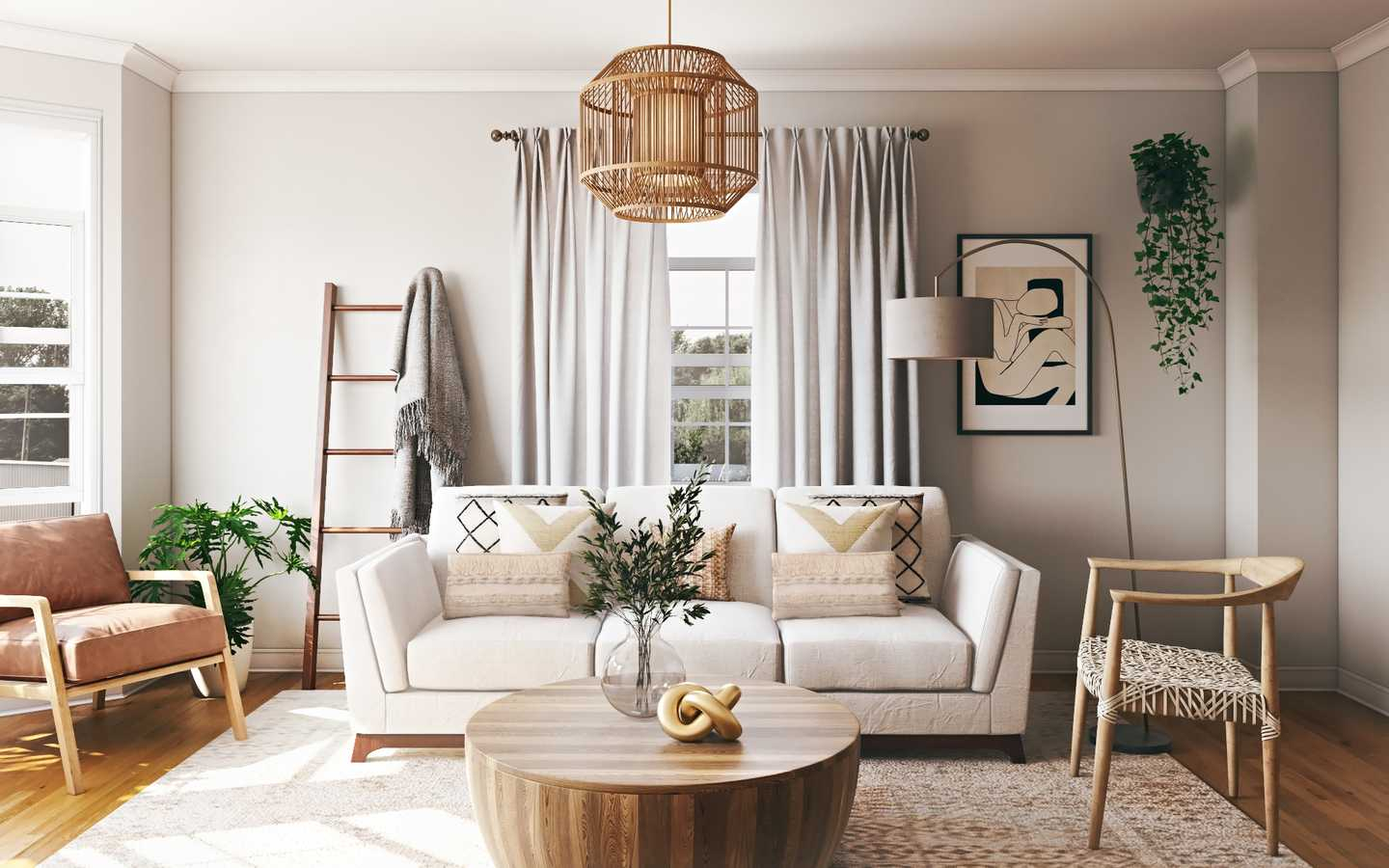
A Curated Palette: In a simple space, color choices often lean towards calming, neutral tones. Think soft whites, warm grays, muted blues, and earthy greens. These colors provide a serene backdrop that allows your chosen elements to shine without overwhelming the senses. You can introduce pops of color through carefully selected art, plants, or textiles, but always with restraint.
-
Quality Over Quantity: Instead of filling your home with many 'okay' items, invest in a few high-quality pieces that you truly love. A beautifully crafted wooden table, a comfortable armchair made from natural fibers, or a piece of art that speaks to your soul – these items hold more weight and bring more lasting satisfaction than a room filled with disposable trends. This approach also often means less to clean and maintain, which is a win-win.
Sensory Harmony: Beyond Sight
While light and simplicity primarily address the visual sense, a truly soulful sanctuary engages all your senses. This holistic approach elevates the experience from merely aesthetic to deeply restorative.
-
The Gentle Touch of Textures: Introduce a variety of textures to add warmth and depth without adding visual clutter. Think soft linen throws, chunky knit blankets, natural wood finishes, and ceramic pottery. These tactile elements invite you to touch and feel, enhancing the comfort and coziness of a space. A plush rug underfoot can transform a room, making it feel grounded and inviting.
-
The Whispers of Sound: Consider how sound travels in your home. Hard surfaces can make a space feel echoey and cold. Incorporate soft furnishings like curtains, rugs, and upholstered furniture to absorb sound and create a more intimate atmosphere. If noise from outside is an issue, consider a white noise machine or a small indoor fountain for soothing ambient sounds.
-
The Fragrant Embrace: Our sense of smell is powerfully linked to memory and emotion. Use essential oil diffusers with calming scents like lavender or frankincense, or light natural beeswax candles. Avoid artificial air fresheners with harsh chemicals. A subtle, natural aroma can profoundly impact your mood and the overall feeling of a room. Even the smell of fresh laundry or baking bread can transform a space into a haven.
Nature's Embrace: Bringing the Outside In
Connecting with nature is a fundamental human need, and incorporating natural elements into your home is a cornerstone of creating a soulful sanctuary. This doesn't mean turning your living room into a jungle, but rather inviting the organic beauty of the outside world indoors.
-
Living Greenery: Even a few strategically placed houseplants can make a significant difference. They purify the air, add a touch of vibrant color, and bring a sense of life and vitality to a space. Choose plants that thrive in your home's light conditions and are easy to care for – low-maintenance options like snake plants, ZZ plants, or Pothos are excellent choices for beginners.
-
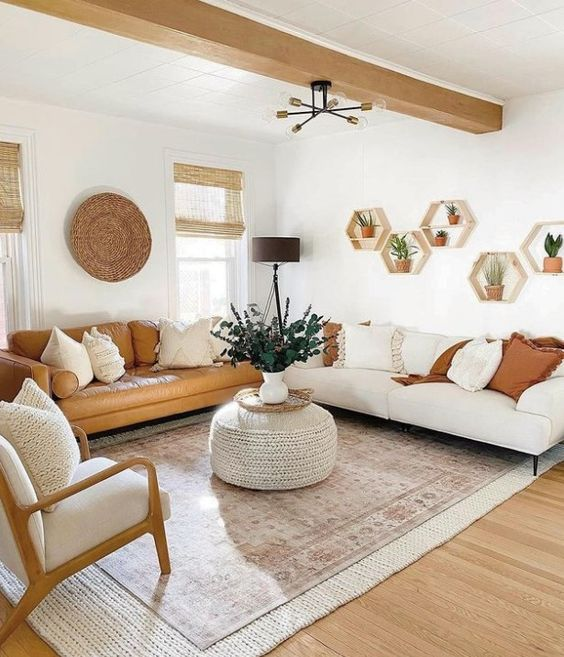
Organic Materials: Opt for furniture and decor crafted from natural materials: wood, stone, cotton, linen, wool, jute, and ceramics. These materials have an inherent warmth and authenticity that synthetic materials often lack. They also age beautifully, developing a rich patina over time.
-
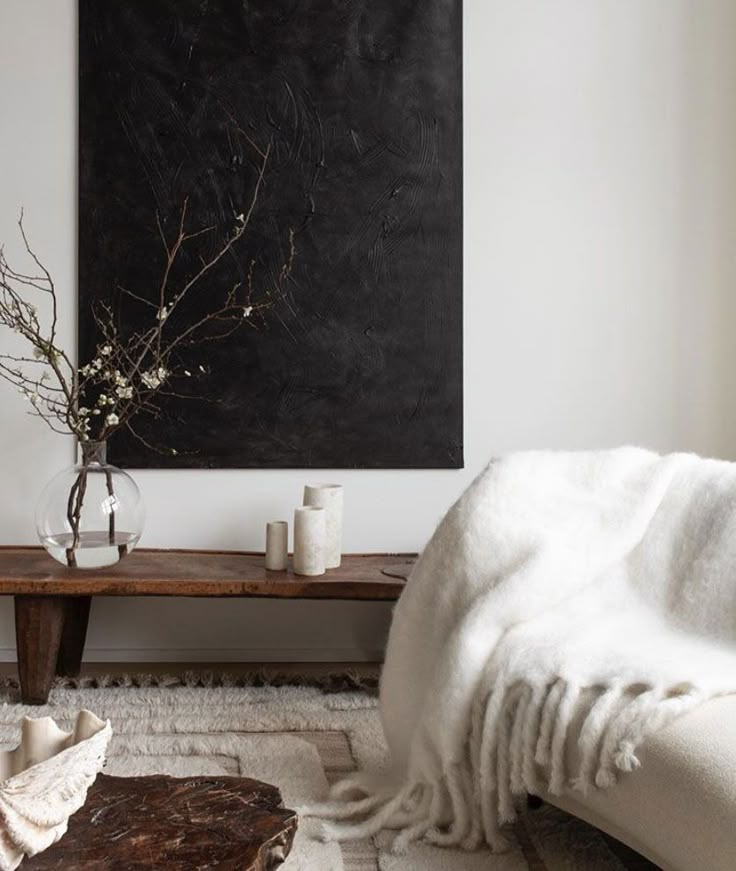
The Beauty of Imperfection: Embrace the Wabi-Sabi philosophy – finding beauty in imperfection and transience. A slightly worn wooden table, a handmade ceramic bowl with a unique glaze, or a branch collected from a walk in the woods – these elements add character and a story to your space, reminding us of the organic flow of life. It’s about appreciating the natural, unrefined aspects of things.
Mindful Maintenance: Sustaining Your Sanctuary
Creating a soulful sanctuary isn't a one-time event; it's an ongoing practice. Just as you nourish your body and mind, your space also requires regular attention to maintain its harmonious energy. This isn't about being a neat freak, but about consistent, gentle care.
-
Daily Rituals: Establish small, daily habits that help keep your space feeling fresh and inviting. This could be making your bed each morning, wiping down surfaces after use, or putting things back in their place immediately. These micro-habits prevent clutter from accumulating and make larger cleaning tasks less daunting.
-
Seasonal Shifts: Just as nature changes with the seasons, so too can your sanctuary. Swap out heavier textiles for lighter ones in spring and summer, or add cozy throws and candles in autumn and winter. This keeps your space feeling relevant and responsive to your needs throughout the year. It's like your home is breathing with the seasons.
-
Energy Cleansing: Beyond physical cleaning, consider occasional 'energy cleansing' of your space. This can be as simple as opening all the windows to air out the room, burning some sage or palo santo, or simply visualizing positive energy flowing through your home. It's about clearing out stagnant energy and inviting freshness in. A quick tidy and a burst of fresh air can do wonders for the soul, and the space.
Your Personal Reflection: Beyond the Trends
Ultimately, a soulful sanctuary is deeply personal. It's not about following fleeting design trends or replicating images from magazines. It's about understanding what truly resonates with you and creating an environment that supports your well-being and reflects your authentic self. My advice? Trust your intuition.
-
Listen to Your Home: Pay attention to how different areas of your home make you feel. Are there spots that feel heavy or draining? Are others uplifting? These feelings are valuable clues guiding your design choices. Sometimes a simple rearrangement of furniture can shift the whole energy of a room.
-
Embrace Imperfection: Your sanctuary doesn't need to be perfect. It needs to be yours. Don't strive for an unattainable ideal. Embrace the quirks, the lived-in feel, and the stories your home tells. A home that feels too perfect can sometimes feel sterile and unwelcoming. It's the little 'imperfections' that give it character.
-
The Journey, Not the Destination: Creating a soulful sanctuary is an ongoing journey of discovery and refinement. It evolves as you evolve. Be patient with the process, enjoy the transformation, and celebrate each small step towards a more harmonious and light-filled living space. It's a continuous conversation between you and your environment.
In a world that constantly demands our attention and energy, having a soulful sanctuary is not a luxury; it's a necessity. By consciously weaving together the luminous power of light and the calming embrace of simplicity, we don't just decorate a house; we cultivate a home that nurtures our spirit, fosters peace, and allows us to truly thrive. It’s a space where we can shed the weight of the outside world and simply be. Remember, the most beautiful spaces are those that feel good, those that resonate with your deepest self, and those that allow your soul to truly rest and recharge. Begin your journey today, one gentle step at a time.