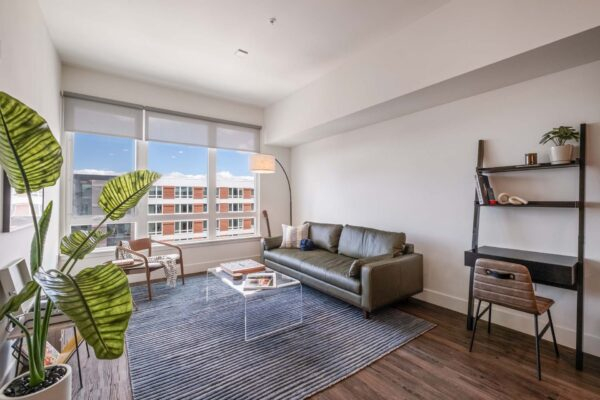
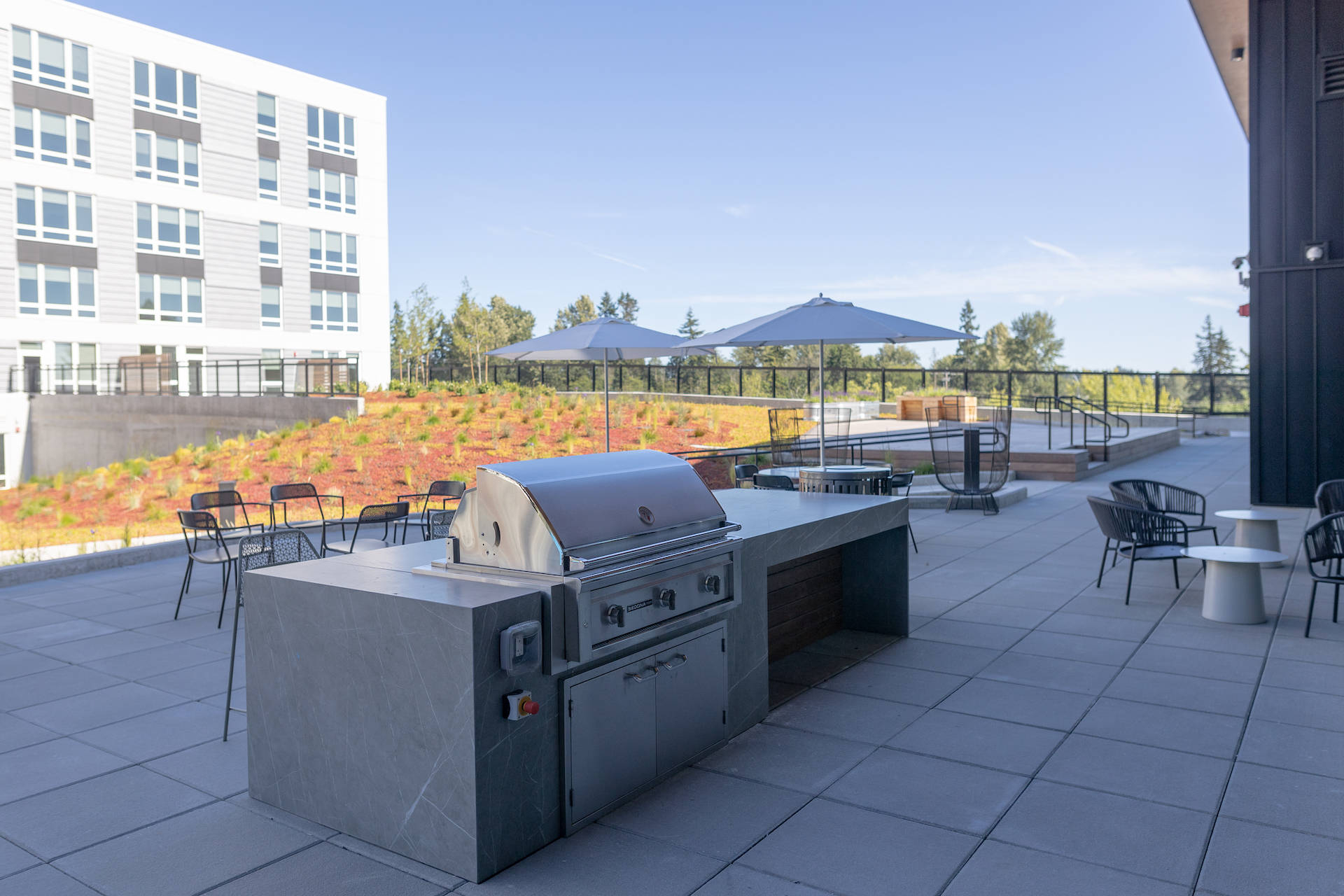
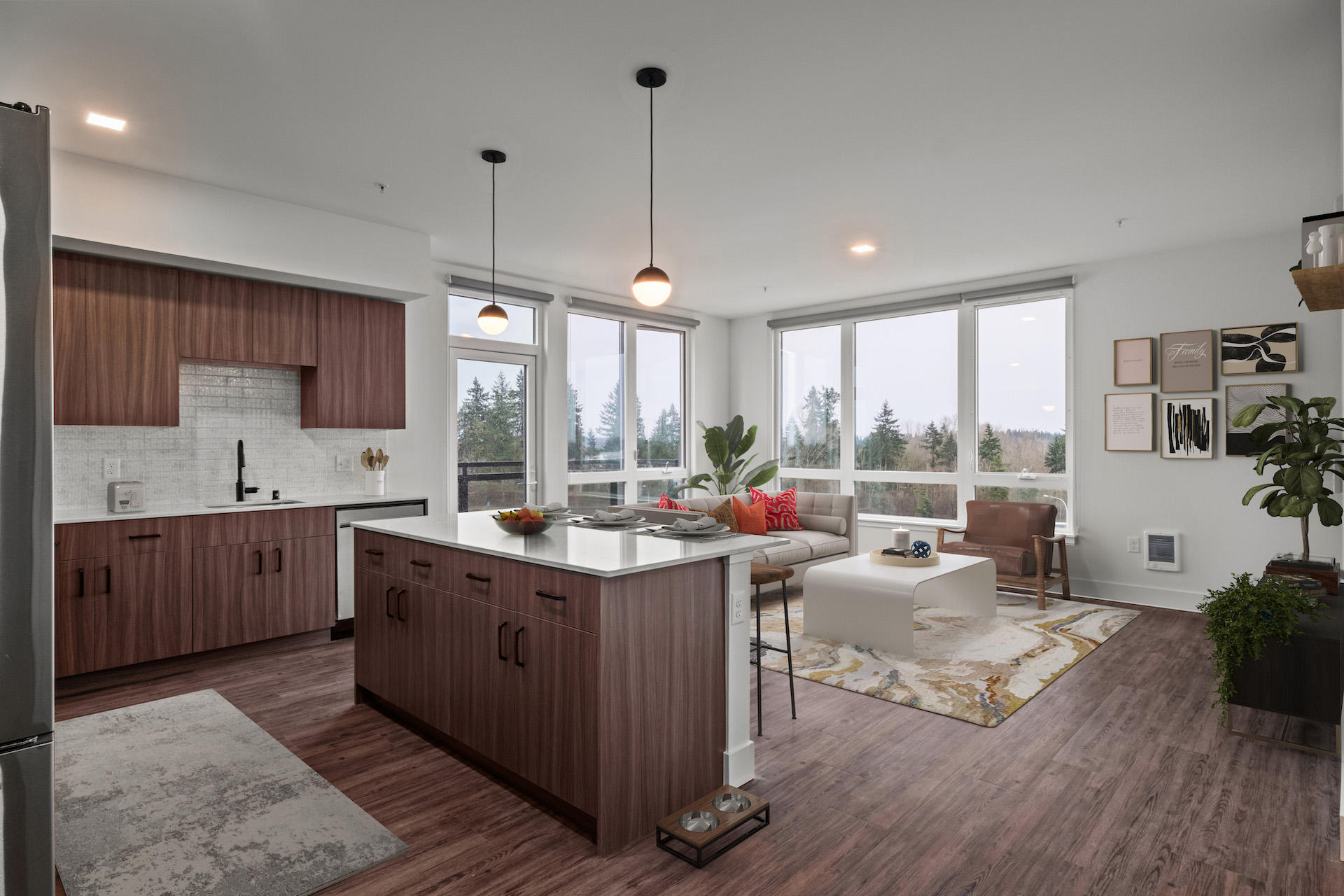
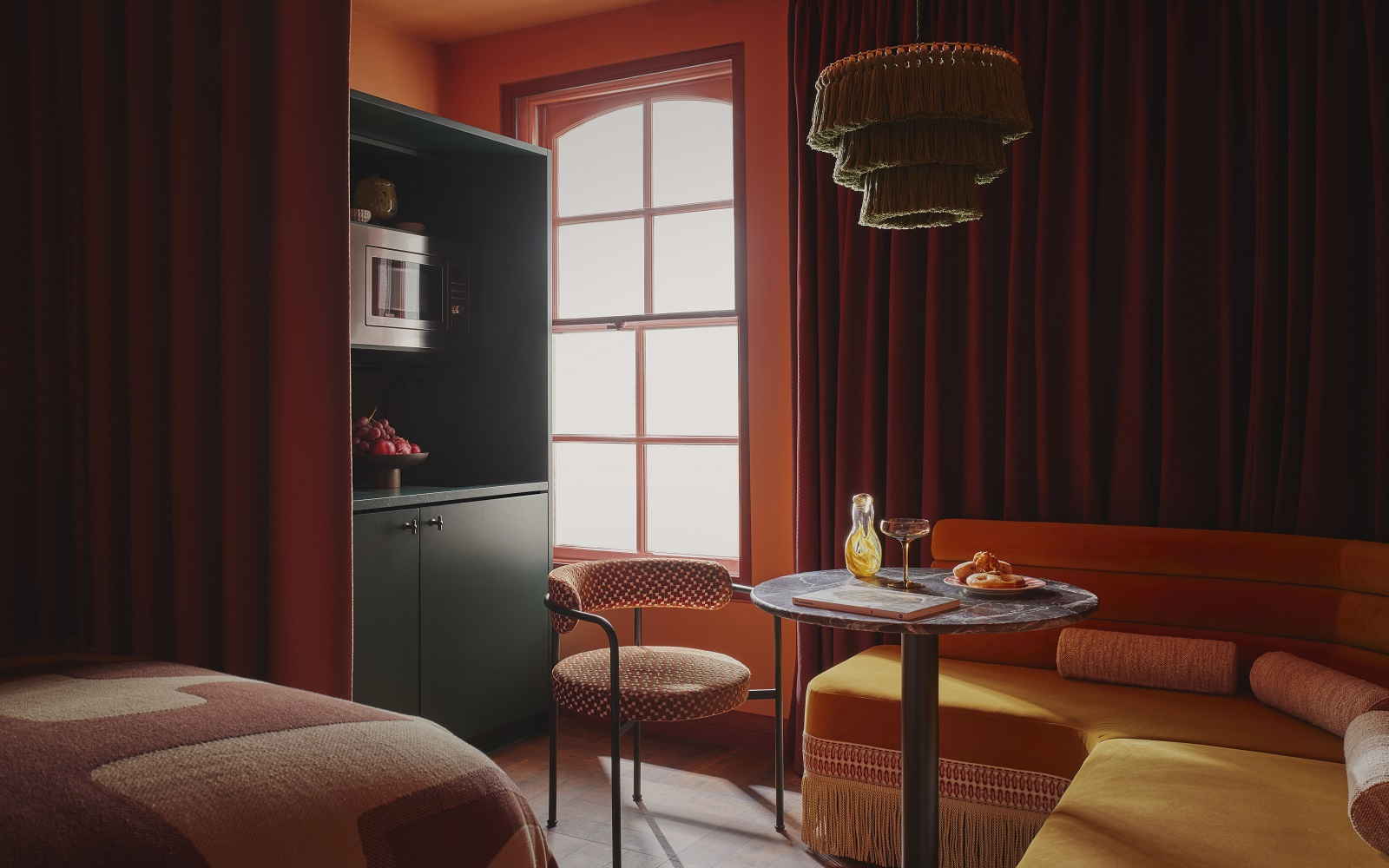
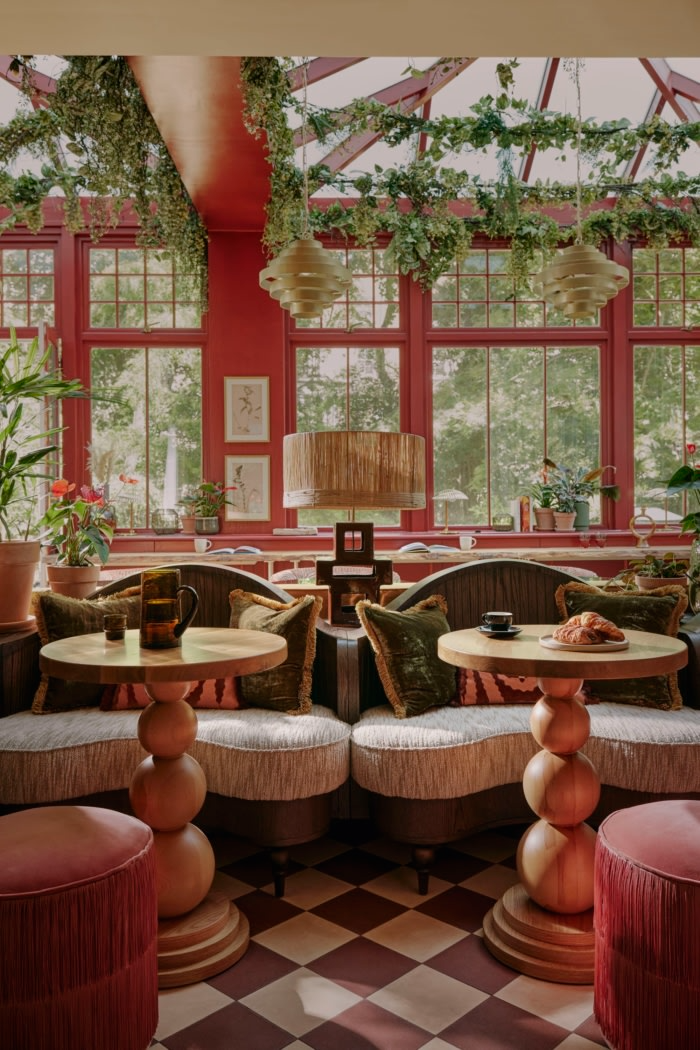
In the realm of modern apartment living, it's easy to get caught up in the superficial. We see shiny new appliances, spacious layouts, and impressive amenities. But what truly makes a home, especially a rental, feel like yours? It's about designing for depth. This isn't just about aesthetics; it's about creating an environment that resonates on multiple levels, fostering well-being, community, and a true sense of belonging. The Ember Apartment experience is a prime example of how this philosophy comes to life.
We've all walked into a space and immediately felt… something. A warmth, a calm, a vibrant energy. Conversely, we've also encountered places that feel sterile, generic, or simply lacking. This 'feeling' is no accident. It's the culmination of countless deliberate decisions, often unseen but deeply felt. When we talk about designing for depth, particularly within the context of the Ember Apartment experience, we're delving into the art and science of crafting environments that go beyond mere functionality. We're exploring how every material, every layout choice, and every amenity contributes to a richer, more profound living experience. It's about building stories into the very fabric of the building, making it more than just units and hallways, but a true home.
The Foundation: Understanding Human Needs Beyond Shelter
Before any blueprint is drawn or any material is selected, the first step in designing for depth is a profound understanding of what humans truly need from their living spaces, beyond just a roof over their heads. It's not just about providing shelter; it's about nurturing the soul. People crave connection, a sense of security, opportunities for personal growth, and places to relax and recharge. For instance, the Ember Apartments don't just offer communal spaces; they design them with intention. Consider their co-working lounges – they're not just tables and chairs. They incorporate varied seating, natural light, and even sound-dampening elements to foster both collaborative energy and quiet focus. This thoughtful approach extends to their fitness centers, which often include outdoor elements or meditation zones, acknowledging that well-being is holistic and not just about lifting weights.
Layering the Experience: From Macro to Micro Details
Designing for depth involves a meticulous layering process, moving from the grand architectural gestures down to the smallest tactile details. Think of it like composing a symphony; each instrument and note contributes to the overall harmony. At Ember, this means considering the overall flow of a building – how residents move from the lobby to their unit, and how common areas seamlessly transition from public to semi-private. Then, it drills down to the micro. The choice of door handles, the texture of the hallway carpet, the subtle scent diffused in the welcome area – these are all carefully selected to evoke a particular feeling. For example, Ember often uses natural, tactile materials like wood and stone in their lobbies, immediately grounding residents and giving a sense of permanence and quality, a stark contrast to the often sterile feel of many new builds. This attention to detail, often unnoticed consciously, profoundly impacts the subconscious perception of the space.
The Power of Sensory Engagement: More Than Just Sight
Too often, design focuses solely on what we see. But true depth engages all the senses. The Ember Apartment experience understands this implicitly. It's the gentle hum of the HVAC system, designed to be unobtrusive. It's the subtle scent of fresh linen in the common areas or a curated playlist in the lounge that sets a calming mood. Consider the acoustics within their units – often, extra insulation is added to minimize noise transfer, creating a sanctuary from the urban clamor. Tactile experiences are also paramount; the feel of a smooth, cool countertop or the soft texture of a lounge chair can elevate an ordinary moment into something special. By engaging smell, sound, and touch, alongside sight, Ember creates a richer, more immersive living environment that feels truly multi-dimensional.
Fostering Community: Design as a Catalyst for Connection
A significant aspect of designing for depth in apartment living is cultivating a sense of community. This isn't just about having shared spaces; it's about designing those spaces to naturally encourage interaction and belonging. Ember's success in this area often stems from creating varied 'collision points' and 'nooks'. Instead of one large, impersonal lounge, they might have smaller, more intimate seating areas, a communal kitchen for cooking classes, or even a community garden. These varied environments cater to different social preferences, allowing residents to connect organically. They might also incorporate features like a dedicated pet wash station, which, while practical, also serves as a natural gathering spot for animal lovers. These thoughtful inclusions transform a building from a collection of individual units into a vibrant, interconnected neighborhood.
Adaptability and Personalization: Empowering the Resident
Even the most exquisitely designed space can feel restrictive if it doesn't allow for personalization. Designing for depth means understanding that residents aren't just passive occupants; they are active participants in shaping their home. While Ember maintains a high standard of design, they also build in elements that allow for individual expression. This might be through thoughtful considerations in unit layouts that accommodate various furniture arrangements, or even subtle features like customizable lighting options. Perhaps they offer a 'flex' space that can be an office, a guest room, or a yoga studio. The goal is to provide a beautiful canvas while giving residents the brushes and colors to paint their own lives within it. This empowerment fosters a deeper connection to the space, making it truly their own, rather than just a temporary dwelling.
The Long Game: Sustainability and Timelessness
Finally, designing for depth is inherently about longevity and impact. It means making choices that are not only aesthetically pleasing but also environmentally responsible and built to last. Ember often prioritizes sustainable materials and energy-efficient systems, not just for marketing appeal, but because these choices contribute to the long-term well-being of both the residents and the planet. Furthermore, opting for timeless design over fleeting trends ensures that the spaces remain relevant and appealing for years to come. This isn't just about reducing maintenance costs; it's about creating an enduring sense of quality and permanence. A building that feels solid, well-constructed, and thoughtfully designed from the ground up instills a deeper sense of trust and comfort in its inhabitants. It's a commitment to a future where homes are not just buildings, but legacies.
The Ember Apartment experience serves as a powerful testament to the idea that design is far more than surface-level aesthetics. It's a profound act of empathy, a careful orchestration of elements that collectively create a 'feeling' – a sense of belonging, comfort, and well-being. By understanding human needs beyond the basic, layering sensory experiences, fostering genuine community, allowing for personalization, and committing to long-term sustainability, designers can imbue spaces with a depth that resonates long after the initial novelty wears off. This isn't just about building apartments; it's about crafting homes that enrich lives, proving that thoughtful choices truly define a deeper, more meaningful living experience. And in a world often defined by the ephemeral, that kind of enduring resonance is what truly makes a place special.