So, you're dreaming of a tiny home in Bulgaria? That's fantastic. But before you start picturing cozy evenings and stunning views, let's talk about something crucial: the foundation. It's the silent hero of your tiny home adventure, the bedrock (pun intended!) upon which your dreams will be built. This article is your guide to navigating the world of sustainable tiny home foundations in Bulgaria. We'll dig deep, examining different options, their pros and cons, local rules, and how to make the best choice for your project. Get ready to get your hands dirty... metaphorically, of course. We'll do the heavy lifting, so you don't have to.
Building a tiny home is a journey filled with excitement, from designing your space to choosing the perfect paint colors. But, the foundation is where it all begins. In Bulgaria, the choice of foundation is really important, considering the local climate, the soil conditions, and, of course, your commitment to sustainability. This article will walk you through the most popular and eco-friendly foundation options for your tiny home, ensuring your little haven is both stable and kind to the planet. We'll also touch on the important aspects of local regulations, because let's face it, nobody wants to run into trouble with the law.
Why the Foundation Matters: Beyond Just Staying Upright
A foundation does more than just hold up your home; it's the unsung hero of the entire structure. It impacts everything from your home's energy efficiency to its long-term durability. A well-chosen, sustainable foundation can significantly reduce your environmental impact, lower your building costs, and even enhance the resale value of your tiny home. Think about it: a poorly-built foundation can lead to problems like cracks, moisture damage, and even structural failure. On the other hand, a smart choice can provide a long-lasting, comfortable, and eco-friendly living space. We'll explore what makes a great foundation, especially in the context of Bulgaria's unique environmental and regulatory landscape.
Concrete Slab Foundations: The Workhorse, With a Twist
Concrete slabs are a common choice, and with good reason. They're durable, relatively affordable, and offer great stability. In Bulgaria, concrete is readily available and building experience is plentiful. But, to make it sustainable, we need to think smart. Consider using recycled concrete aggregates to reduce the need for new materials. Opt for low-carbon concrete mixes, which use less cement and have a smaller environmental footprint. Insulation is also vital; including insulation beneath the slab can significantly improve your tiny home's energy efficiency, keeping it warmer in the winter and cooler in the summer. This is particularly important in Bulgaria, where you'll experience both hot summers and cold winters. And don't forget about proper drainage to prevent moisture issues. It's all about thinking ahead.
Pier and Beam Foundations: Elevated Living, Sustainable Choices
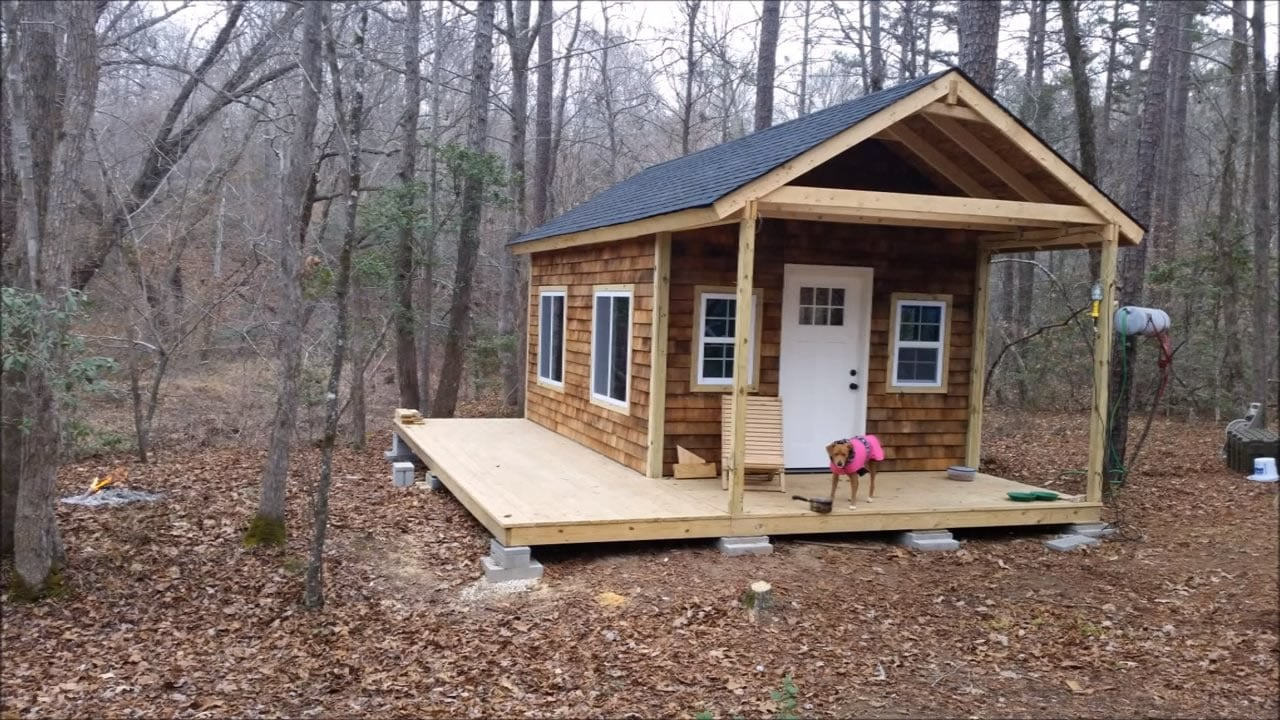
Pier and beam foundations offer a fantastic alternative, especially if you're building on uneven ground or areas prone to flooding. This method involves setting concrete piers into the ground and then building a frame of beams on top to support the structure. The space between the ground and your home allows for excellent ventilation, reducing moisture and preventing mold growth. For sustainability, use reclaimed wood for the beams and consider alternative pier materials like recycled plastic or composite materials. This approach also offers an easier path for utility lines and can make future repairs simpler. In Bulgaria, where different regions have various soil conditions, pier and beam can be a very adaptable choice. And, it looks really cool and modern, to boot.
Screw Pile Foundations: Speedy and Sustainable
Screw piles are a brilliant choice for their speed of installation and their minimal impact on the land. These steel piles are literally screwed into the ground, making them ideal for sites with difficult soil conditions or where you want to avoid extensive excavation. They're also a great option if you plan to move your tiny home in the future. Screw piles are often made from recycled steel, making them a more sustainable choice than traditional concrete foundations. In Bulgaria, the popularity of screw piles is growing, and they can be a perfect solution for a quick, eco-friendly, and adjustable foundation for your tiny home. It’s a clever way to build, and it doesn’t disturb the land too much. Plus, the installation process is usually quite fast, saving you both time and money.
Local Regulations and Permits: Navigating the Bulgarian Maze
Building a tiny home in Bulgaria involves complying with local building codes and obtaining the necessary permits. This can feel daunting, but with some research and preparation, it's manageable. Research the specific regulations for your region. You'll need to check with your local municipality to understand the requirements for foundations, including depth, materials, and inspections. It's also a good idea to consult with a local architect or engineer who is familiar with Bulgarian building codes. They can help you navigate the permit process and ensure your foundation meets all the necessary requirements. Don't skip this step; it's critical to the legality and safety of your tiny home. And, it will save you headaches down the road, trust me.
Practical Tips and Actionable Steps
Ready to get started? Here are some practical tips to guide you:
- Soil Testing: Before you do anything, get a soil test. This will tell you about the soil's composition, load-bearing capacity, and any potential issues (like expansive soils). This is your starting point.
- Research Local Professionals: Find experienced builders, architects, and engineers in Bulgaria who specialize in tiny homes and sustainable building practices. Get multiple quotes.
- Prioritize Sustainable Materials: Explore options like recycled concrete, reclaimed wood, and low-VOC (Volatile Organic Compound) materials.
- Consider the Climate: Think about insulation, drainage, and how the foundation will interact with the local weather conditions. Bulgaria has a wide range of climates across its regions.
- Plan for the Future: Consider the possibility of moving your tiny home or expanding it in the future. Choose a foundation that allows for flexibility.
- Get Everything in Writing: Make sure all contracts, permits, and plans are in writing to protect yourself and avoid misunderstandings.
The Future is Now: Building a Sustainable Tiny Home in Bulgaria
Building a sustainable tiny home in Bulgaria is a rewarding experience. By carefully considering your foundation options, you're not only building a home; you're contributing to a more sustainable future. Choose wisely, plan meticulously, and don't be afraid to ask questions. With the right approach, you can create a beautiful, eco-friendly tiny home that you'll be proud of for years to come. Remember, the foundation is the most important part. And now that you have the knowledge and the tools, you're ready to start building your dream. Good luck, and enjoy the journey.
Sixth Main Point
Additional point goes here. And another point goes here. Always remember to add a concluding sentence to this section.
Choosing the right foundation is a critical step in creating a sustainable tiny home in Bulgaria. By exploring different options like concrete slabs, pier and beam, and screw piles, you can find the perfect balance of durability, sustainability, and cost-effectiveness. Remember to consider local regulations, prioritize sustainable materials, and consult with experienced professionals. Your tiny home adventure is a journey, and with the right foundation, you'll be well on your way to building a comfortable, eco-friendly, and legally compliant living space in beautiful Bulgaria. Now, go forth and build your dream. It's waiting for you.