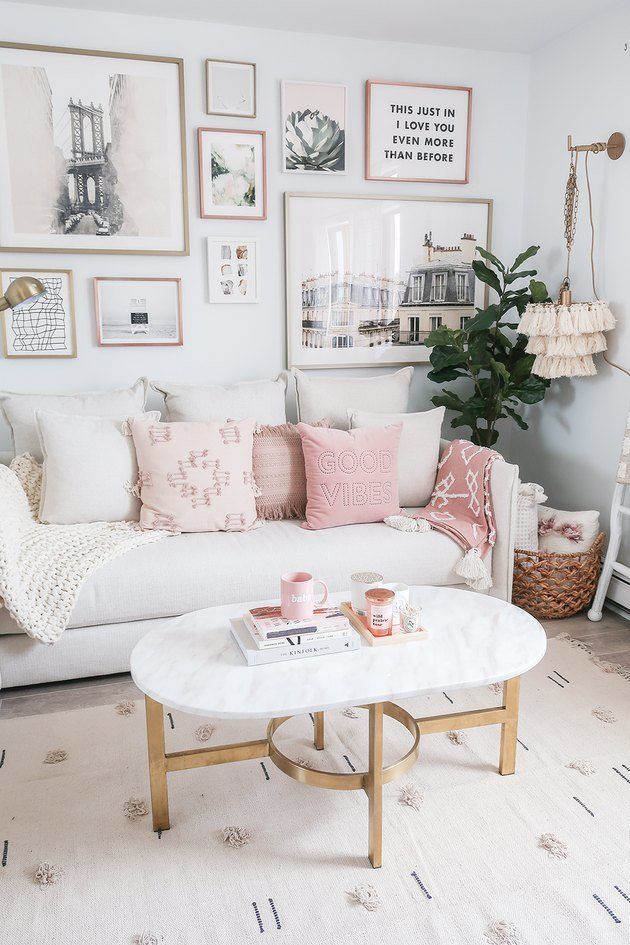
Light, in the realm of interior design, is more than just a practical necessity; it's a powerful tool. It shapes our moods, defines spaces, and can completely transform the way we experience our homes. This guide, crafted from years of hands-on experience and a deep understanding of the principles of light and space, will walk you through the essential elements of lighting design, helping you unlock the full potential of your home's illumination. Forget dull, flat lighting – it's time to embrace the art of creating a space that truly shines.
Welcome to the world of lighting design, where science meets artistry, and where the simple flip of a switch can alter reality. I’ve spent years immersed in the intricacies of light, experimenting with its many facets, and witnessing firsthand its incredible power. I've learned that good lighting isn't just about seeing; it's about feeling. It's about creating atmosphere, highlighting the beauty of your belongings, and making your home a place you truly love to be. In this article, we'll delve into the core principles of lighting design, exploring different light sources, layering techniques, and how to craft the perfect lighting scheme for any room in your house. So, get ready to shed some light on the subject and discover how to make your home glow.
Understanding the Types of Light: Your Illuminating Toolkit
Before we start, let’s get to know the different types of light that are available to us. Each one plays a unique role in the overall design. Think of them as the different instruments in an orchestra, each contributing to the overall harmony.
- Ambient Light: This is your general, overall illumination – the background light that fills the space. Think of it as the foundation. It usually comes from ceiling fixtures, like chandeliers or recessed lights, and sets the overall tone of the room.
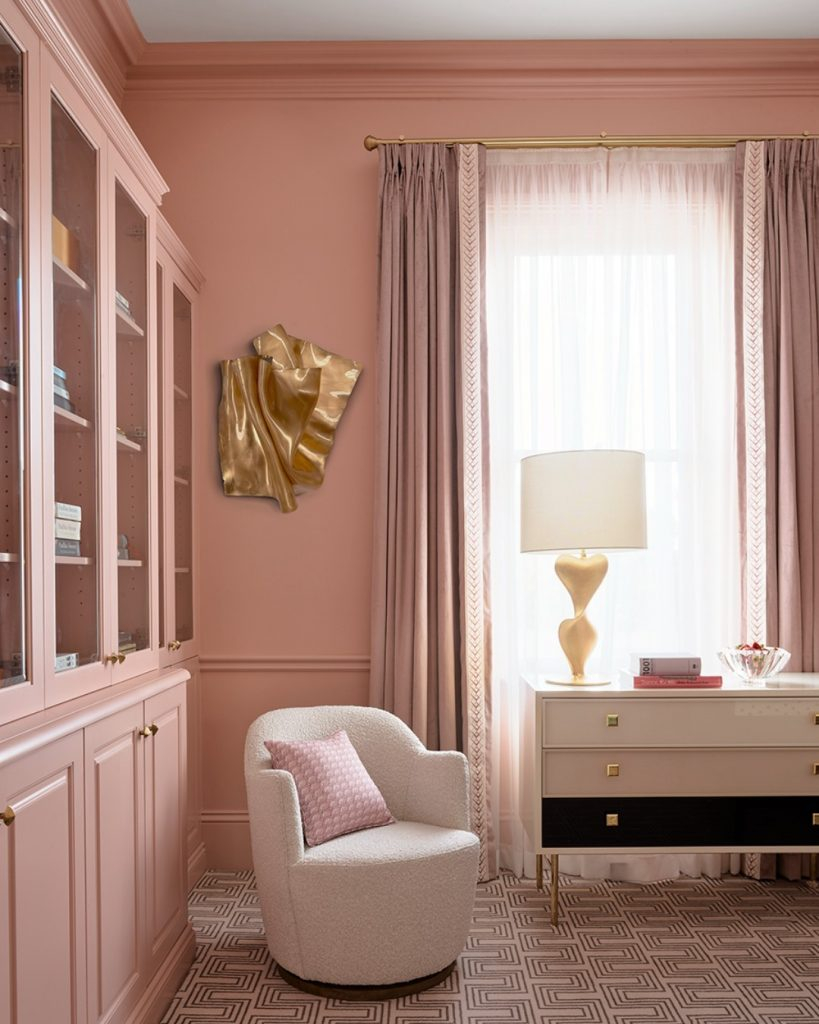
- Task Lighting: These are the lights you use for specific activities, such as reading, cooking, or working. They provide focused illumination and should be bright enough for the task at hand. Desk lamps, under-cabinet lights, and pendant lights over a kitchen island are all examples.
- Accent Lighting: This type of light is used to highlight specific features or objects, such as artwork, architectural details, or decorative items. It adds drama, visual interest, and depth to the room. Think of spotlights, track lighting, or picture lights as your tools here.
Knowing these three types of light is the first step to creating a well-designed and functional lighting plan.
The Art of Layering: Creating Depth and Dimension
The secret to great lighting design isn't just about using the right types of light; it's about layering them. Layering involves combining ambient, task, and accent lighting to create a dynamic and balanced illumination scheme. This approach adds depth and dimension to your space and allows you to control the mood and functionality of each room.
- Start with a Base: Begin with ambient lighting to provide a general level of illumination. This could be a combination of ceiling lights, wall sconces, or even natural light coming through windows.
- Add Task Lighting: Next, incorporate task lighting wherever it's needed. Make sure you have enough light for the activities you'll be doing in the space.
- Finish with Accent Lighting: Finally, use accent lighting to highlight key features and add visual interest. This could be a spotlight on a painting, a floor lamp to illuminate a corner, or even some strategically placed fairy lights.
By layering your light sources, you can create a flexible and adaptable lighting scheme that meets your needs and enhances the beauty of your home. And remember, the arrangement will vary for each room.
Choosing the Right Light Fixtures: Style and Function
The light fixtures you select are crucial, not only for the light they emit but also for their aesthetic appeal. They are design elements in their own right. Consider the style of your home and the overall mood you want to create when choosing fixtures.
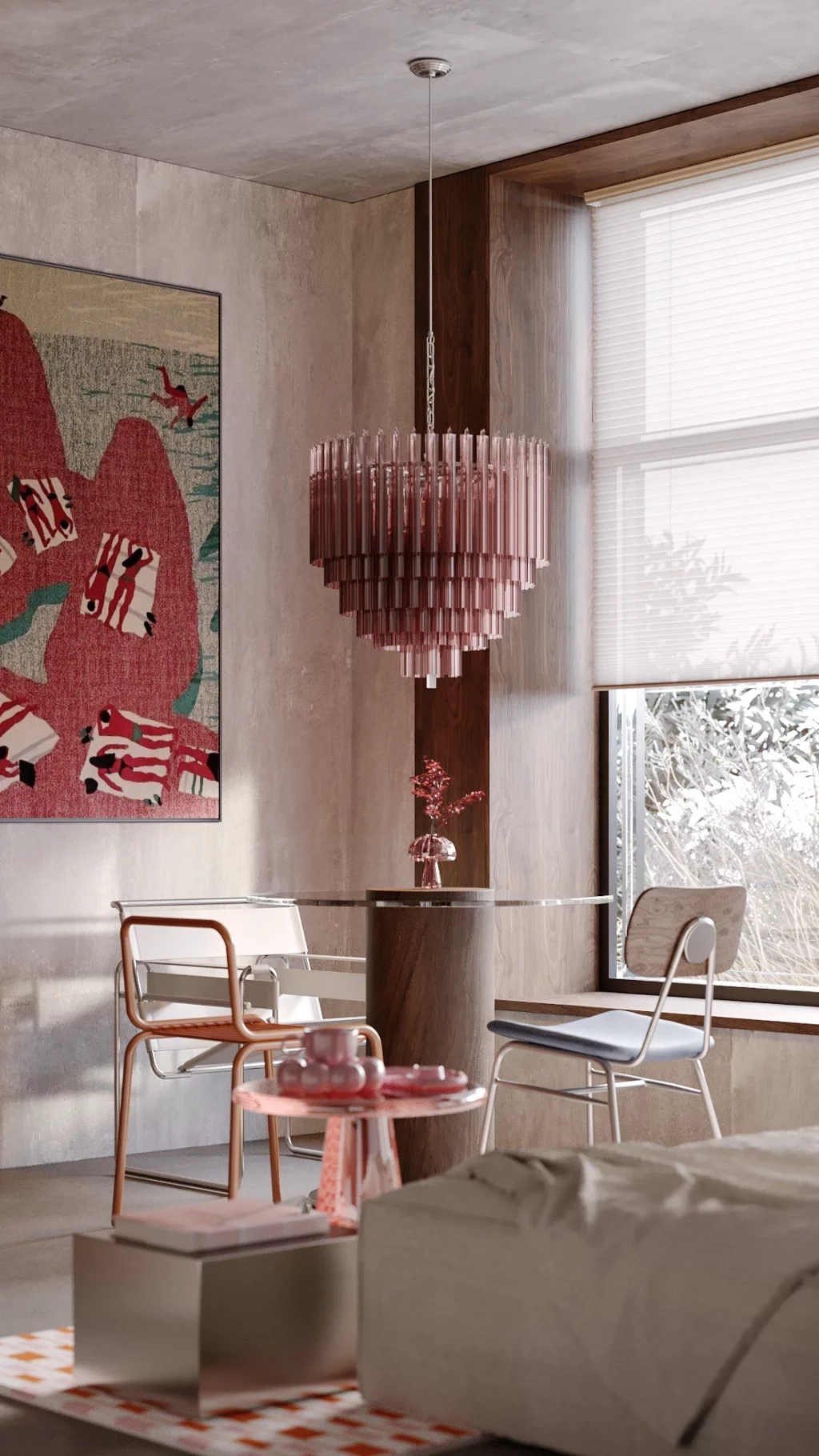
- Consider the Style: Modern, traditional, minimalist, or eclectic? Your light fixtures should complement the existing design of your home. A sleek, minimalist pendant light might be perfect in a contemporary kitchen, while a classic chandelier would be more fitting in a dining room with a traditional design.
- Think About Function: The function of the fixture is equally important. A task light needs to provide adequate illumination, while an accent light should be designed to highlight specific features. Make sure the fixture is appropriate for the type of light it will be providing.
- Don't Forget the Bulbs: The type of bulb you use also has a big impact on the overall lighting scheme. LED bulbs are a great choice, as they are energy-efficient and come in a variety of color temperatures. Consider the color temperature of the bulb – warm white creates a cozy atmosphere, while cool white is better for task lighting. Remember, the light bulb is an important part of the design.
Color Temperature: Setting the Mood with Light
Color temperature is a critical element of lighting design that often gets overlooked. It refers to the warmth or coolness of the light, measured in Kelvin (K). It dramatically affects the ambiance of a room.
- Warm White (2700K-3000K): This is a soft, yellowish light that creates a cozy and inviting atmosphere. It's ideal for living rooms, bedrooms, and dining rooms.
- Cool White (3500K-4100K): This is a brighter, more neutral light that's suitable for kitchens, bathrooms, and home offices. It's great for task lighting.
- Daylight (5000K-6500K): This is a very bright, bluish-white light that mimics natural daylight. It's not typically used in residential settings but can be helpful in areas where you need to see colors accurately, such as a craft room or a dressing area.
Experiment with different color temperatures to find what works best for each room and the mood you want to create.
Practical Tips and Troubleshooting: Making it Work
Here are some practical tips to help you implement your lighting design plan, and to address any problems that might arise.
- Start with a Plan: Before you begin, sketch out a lighting plan for each room. Include the location of light fixtures, the types of light you'll be using, and the desired color temperatures.
- Use Dimmers: Dimmers are your best friend, as they allow you to adjust the brightness of your lights and create different moods. They are especially useful for ambient and accent lighting.
- Consider Smart Lighting: Smart lighting systems allow you to control your lights remotely, set schedules, and even change the color of your bulbs. They are a convenient and energy-efficient option.
- Troubleshooting: If your lighting feels off, there are a few things you can check. If the light is too harsh, try using lower-wattage bulbs or dimmers. If the room feels too dark, add more ambient or task lighting. If you're unsure, consult with a lighting designer. They can help you to resolve any issues you may have.
Examples: Illuminating Different Spaces
Let's look at a few examples of how to apply these principles in different parts of your home.
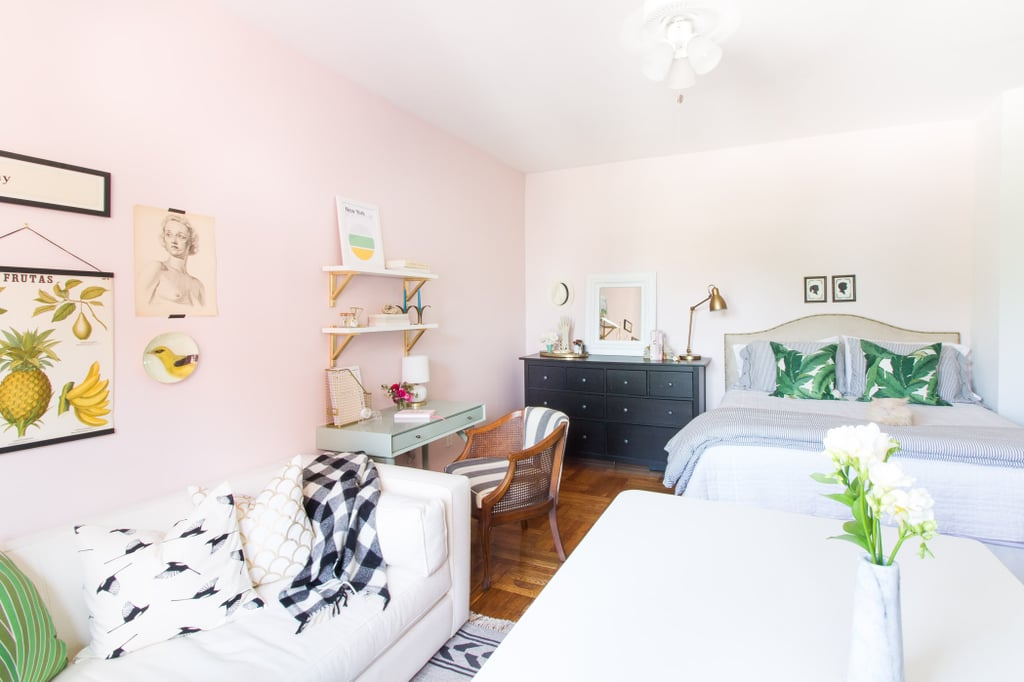
- Living Room: Start with ambient lighting from a chandelier or recessed lights. Add task lighting with floor lamps and table lamps for reading and other activities. Use accent lighting to highlight artwork or a fireplace.
- Kitchen: Combine overhead recessed lights for ambient lighting with under-cabinet lights for task lighting. Use pendant lights over the island for both task and accent lighting. This layered approach is important.
- Bedroom: Use a combination of ambient lighting from a ceiling fixture and task lighting from bedside lamps. Consider adding dimmable sconces for a more romantic ambiance. A good lighting design will make your bedroom a sanctuary.
- Bathroom: Integrate recessed lights or a flush-mount ceiling fixture for overall illumination. Add task lighting with vanity lights around the mirror. Consider accent lighting with a small sconce or a low-level light to create an inviting space.
Safety First: Important Considerations
Lighting design isn't just about aesthetics; it's also about safety. Always prioritize electrical safety when working with lights.
- Hire a Professional: If you're not comfortable working with electrical wiring, it's best to hire a qualified electrician. This is particularly important for installing new fixtures or making any changes to your existing electrical system. This is important to keep in mind.
- Use the Correct Bulbs: Always use the correct type of bulb for your fixtures. Check the wattage and voltage requirements to prevent electrical hazards. Using the wrong bulb can be risky.
- Inspect Your Wiring: Regularly inspect your wiring for any signs of damage, such as frayed wires or loose connections. If you notice any problems, have them repaired by a professional immediately. Be safe, and always check your work.
Lighting design is a powerful tool that can transform your home into a place that reflects your personality and enhances your everyday life. By understanding the different types of light, mastering layering techniques, and choosing the right fixtures, you can create a space that is both beautiful and functional. Remember to experiment, have fun, and don't be afraid to try new things. The world of lighting is vast and ever-evolving. So, go forth, embrace the light, and illuminate your world. It's time to make your home shine and let your space really glow. And remember, even a small adjustment can make a big difference – so start today and see what you can achieve.