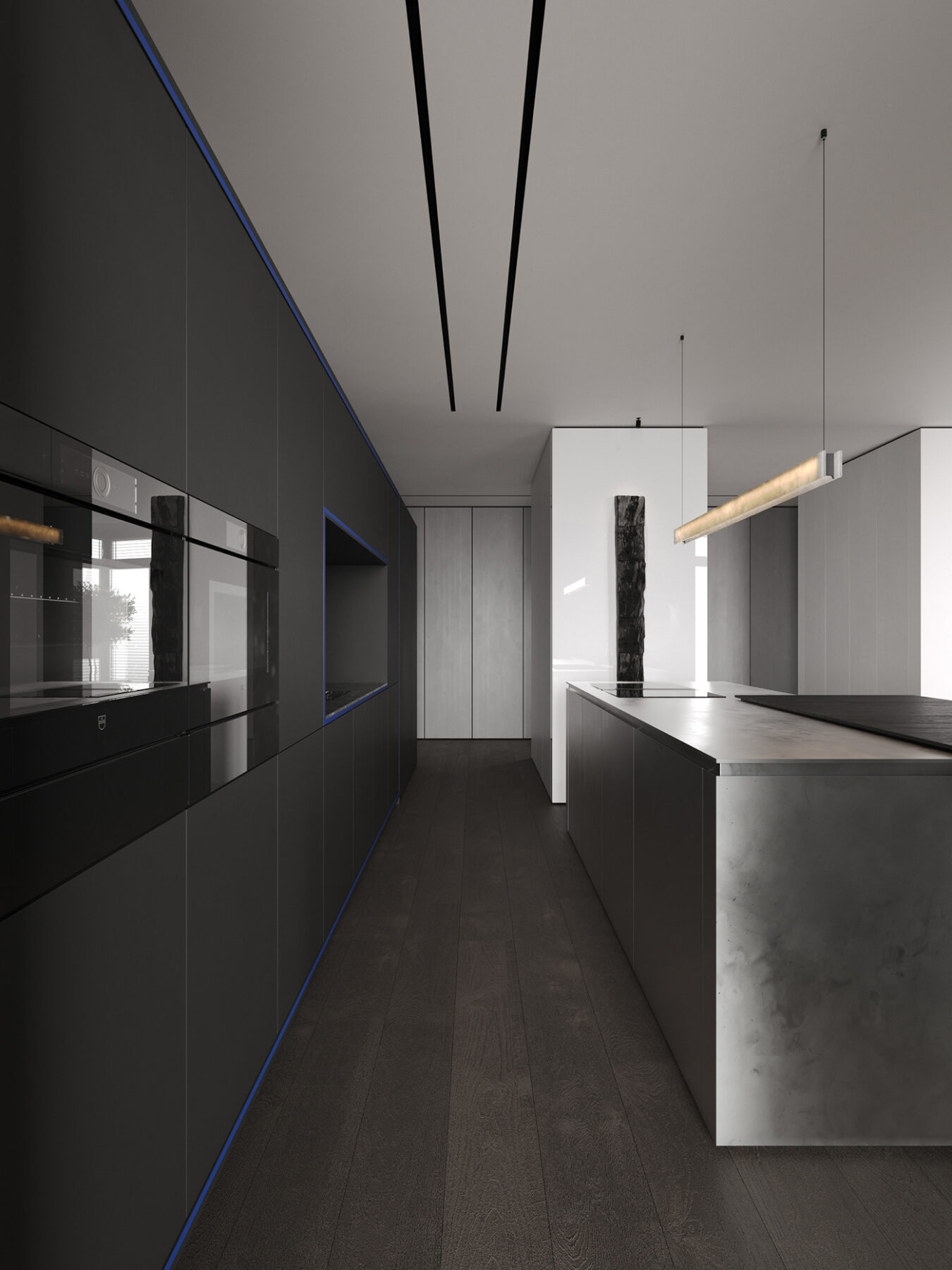
In a world increasingly concerned about environmental impact, the building industry is undergoing a profound transformation. Green construction, also known as sustainable building, is moving from a niche concept to a mainstream practice. It's not just about using eco-friendly materials; it's a holistic approach that considers the entire life cycle of a building, from design and construction to operation and demolition. This article serves as your comprehensive guide to understanding and embracing the principles of green construction, offering insights, practical tips, and real-world examples to inspire you on your journey towards a more sustainable future.
For years, the construction sector has been a significant source of environmental problems. Traditional building methods often rely on materials with high carbon footprints, consume vast quantities of energy, and generate a lot of waste. But there's a better way. Green construction proposes a shift. It's a method that values environmental responsibility, resource efficiency, and human well-being. This isn't just about being 'green'; it’s about designing and building structures that are healthier, more durable, and less damaging to the planet. Let’s dive in and explore the fascinating world of sustainable building.
The Core Principles of Green Construction
Green building is built on a few key ideas. First, there's resource efficiency. This means using materials that are renewable, recycled, or salvaged, reducing waste, and conserving water and energy. Secondly, energy efficiency is essential. This involves designing buildings to minimize energy consumption through proper insulation, high-performance windows, and the use of renewable energy sources like solar panels.
Third, indoor environmental quality is a big deal. Green buildings prioritize healthy indoor air quality, using low-VOC (volatile organic compounds) materials, providing good ventilation, and ensuring adequate natural light. And finally, site sustainability is crucial, which means choosing building sites wisely, minimizing disturbance to the natural environment, and managing stormwater runoff effectively. These key ideas work in unison to create buildings that are both good for people and the planet.
Eco-Friendly Materials: The Building Blocks of Sustainability
One of the most visible aspects of green construction is the use of eco-friendly materials. The choices you make here can have a profound impact. Some popular options include:
- Recycled materials: Think recycled steel, reclaimed wood, and recycled concrete. These materials reduce the demand for raw resources and divert waste from landfills.
- Renewable materials: Bamboo, cork, and sustainably harvested timber are excellent choices. They are rapidly renewable, meaning they can be replenished quickly.
- Low-VOC materials: Paints, adhesives, and sealants that emit low levels of volatile organic compounds (VOCs) are essential for maintaining good indoor air quality. Look for products certified by organizations like Green Seal or GREENGUARD.
- Insulation: Materials like cellulose insulation (made from recycled paper) and sheep's wool offer excellent thermal performance and are more environmentally friendly than traditional options. Remember to examine the full life cycle of materials, from extraction to disposal, to find the best options.
Energy Efficiency: Designing for a Smaller Footprint
Reducing energy consumption is a cornerstone of green construction. This involves a combination of smart design choices and efficient technologies. Effective strategies include:
- Passive solar design: Orienting the building to maximize solar gain in winter and minimize it in summer. This reduces the need for heating and cooling.
- High-performance windows: Using double- or triple-pane windows with low-E coatings to reduce heat transfer.
- Efficient insulation: Proper insulation in walls, roofs, and floors to minimize heat loss and gain.
- Renewable energy systems: Installing solar panels or wind turbines to generate electricity.
- Energy-efficient appliances and lighting: Choosing Energy Star-rated appliances and LED lighting to reduce energy consumption. These steps all add up to creating buildings that use far less energy, lowering your bills and decreasing your environmental impact.
Water Conservation: Preserving a Precious Resource
Water is a precious resource, and green construction emphasizes conserving it. Strategies include:
- Low-flow fixtures: Installing low-flow faucets, showerheads, and toilets to reduce water consumption.
- Water-efficient landscaping: Using drought-tolerant plants and efficient irrigation systems to minimize water use outdoors.
- Rainwater harvesting: Collecting rainwater for irrigation or other non-potable uses.
- Greywater systems: Reusing water from showers, sinks, and washing machines for irrigation or toilet flushing. By implementing these measures, green buildings are able to make a big difference in water usage.
The Benefits of Green Construction: Beyond the Environment
The advantages of green construction go beyond just helping the environment. There are real benefits for building owners, occupants, and the community at large:
- Reduced operating costs: Energy-efficient designs and water conservation measures result in lower utility bills.
- Improved indoor air quality: Healthy indoor environments contribute to better occupant health and productivity.
- Increased property value: Green buildings are often more valuable and easier to sell or rent.
- Enhanced community benefits: Green buildings can contribute to a more sustainable and resilient community.
- Tax incentives and rebates: Many governments offer incentives to encourage green building practices. There are so many reasons to choose green construction.
Getting Started with Green Construction: Practical Tips
Want to incorporate green building practices into your next project? Here are some practical tips:
- Start with the design phase: Work with architects and designers who are experienced in sustainable design principles.
- Choose eco-friendly materials: Research and select materials that are sustainable, durable, and low-impact.
- Prioritize energy efficiency: Design for optimal solar gain, use high-performance windows, and install efficient insulation.
- Conserve water: Install low-flow fixtures, consider rainwater harvesting, and use water-efficient landscaping.
- Get certified: Consider pursuing green building certifications like LEED (Leadership in Energy and Environmental Design) or Green Globes. This provides third-party validation and recognition for your efforts.
- Educate yourself: Stay informed about the latest green building technologies, materials, and best practices. The more you know, the better you can build.
Green construction is not just a trend; it’s a necessity. It represents a fundamental shift in how we approach the building process, prioritizing environmental stewardship, resource efficiency, and human well-being. By embracing the principles and practices outlined in this article, you can contribute to a more sustainable future, create healthier and more comfortable living spaces, and reap the long-term benefits of reduced operating costs and increased property values. The journey toward green construction is a continuous one, demanding ongoing learning, innovation, and a commitment to building a better world. Take the first step today, and join the movement toward a more sustainable and resilient future. The planet, and future generations, will thank you.