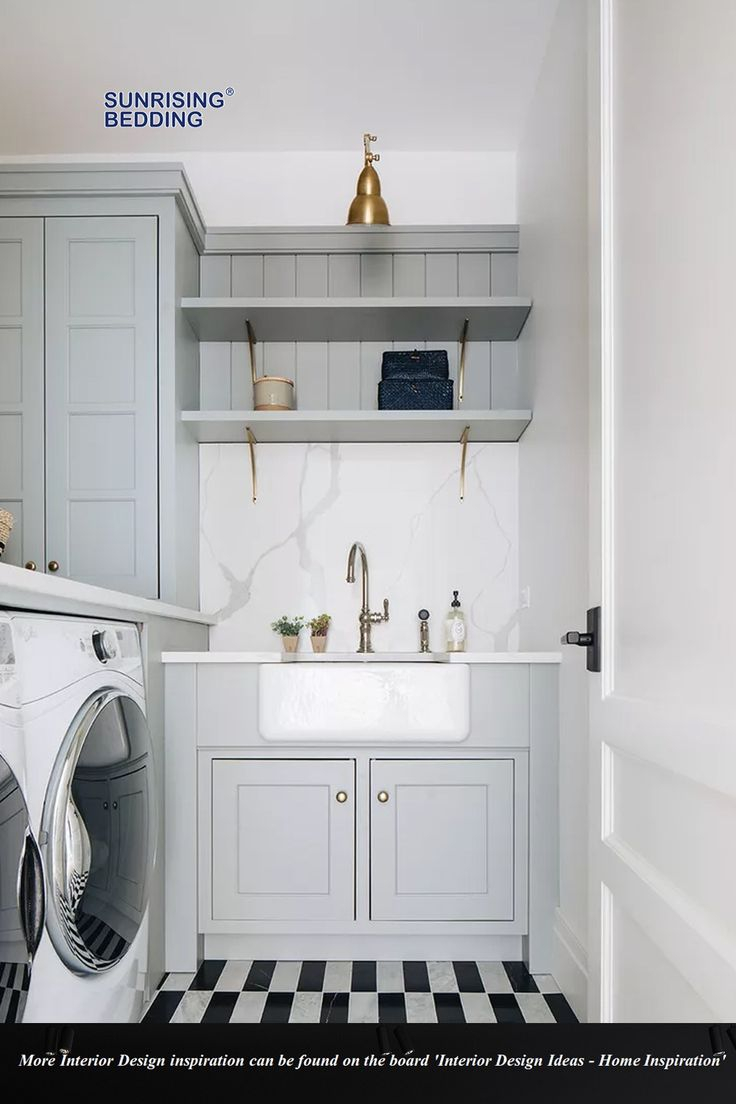
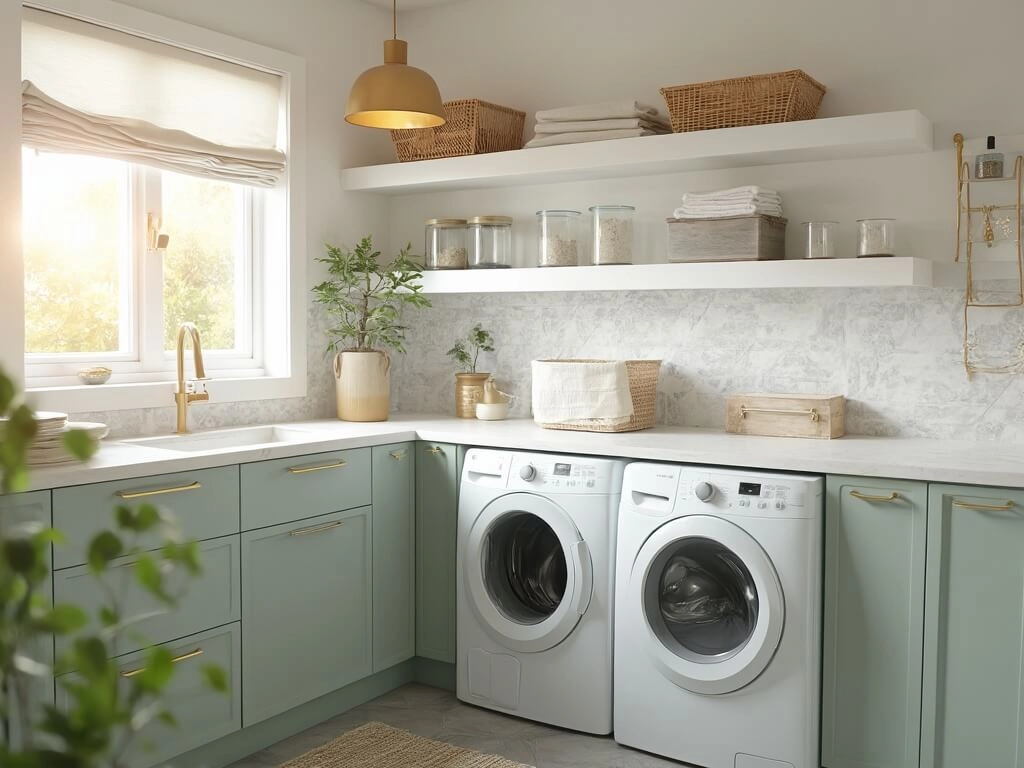
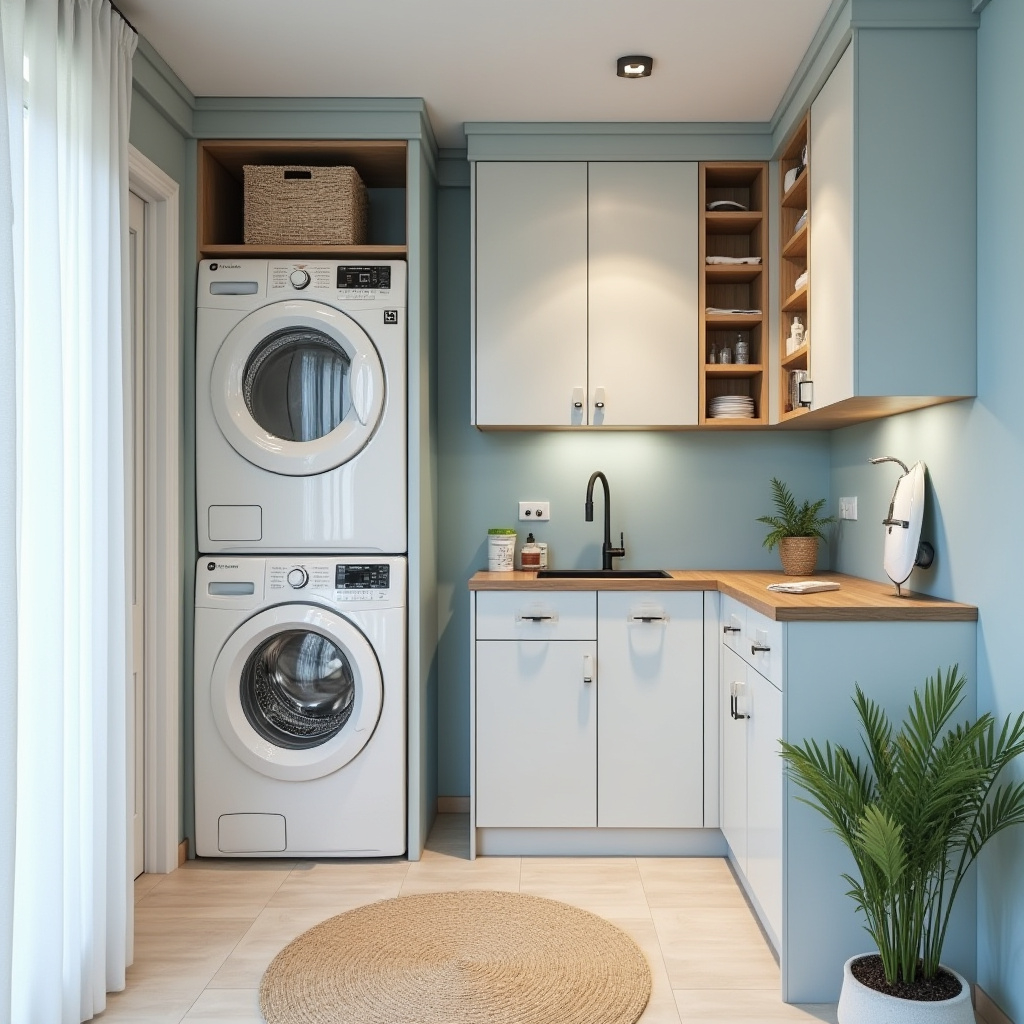
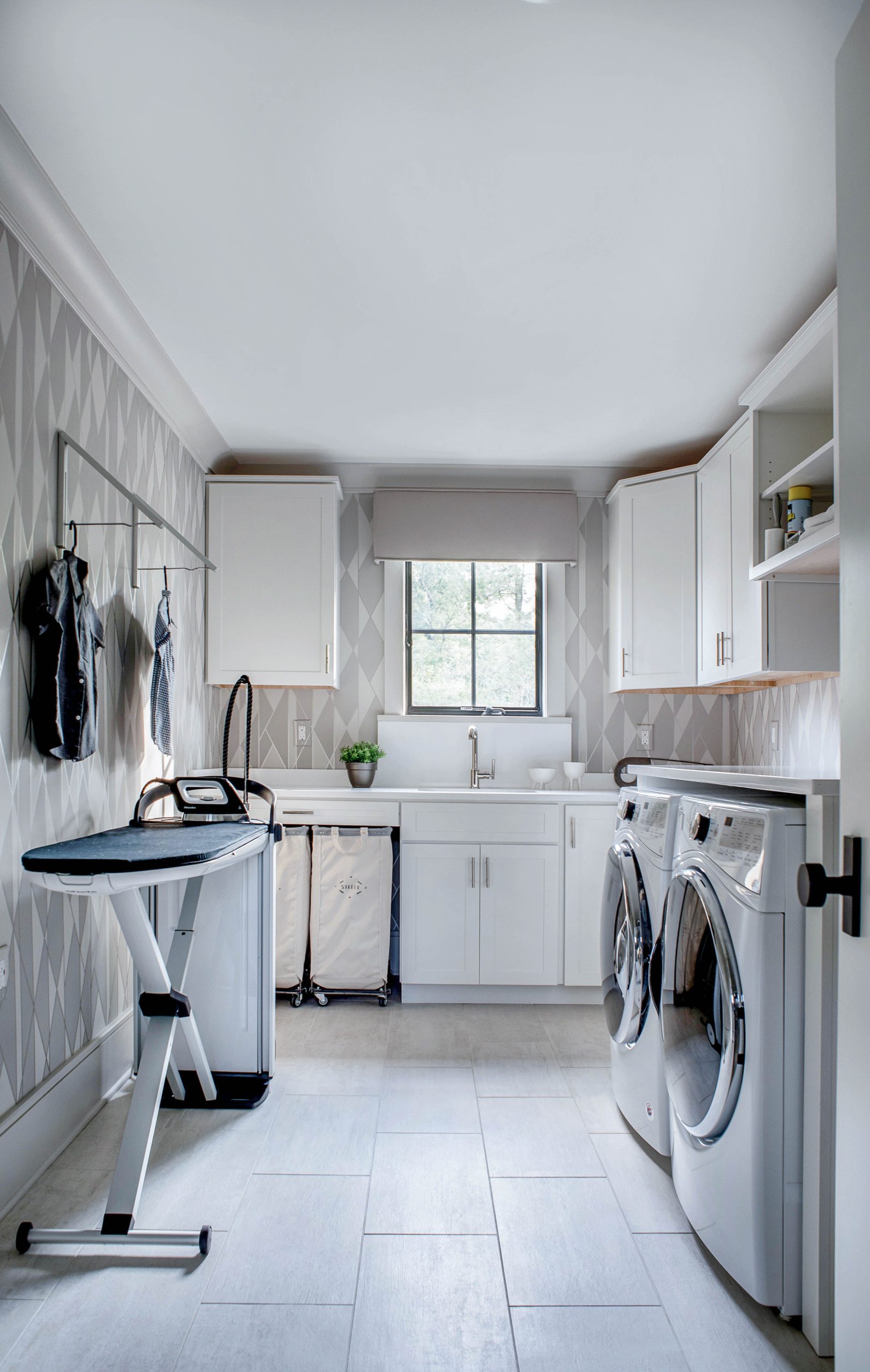
Laundry spaces, whether in bustling laundromats or compact home units, often face the same challenge: making the most of limited space. It's not just about fitting more items in a smaller area. It's about creating systems that work seamlessly with daily routines while keeping everything organized and accessible. Think about how you use your laundry room. What makes it frustrating? What would make it better? These questions guide us toward smarter storage solutions that transform ordinary spaces into efficient havens.
When you walk into a laundromat or peer into a cramped laundry room, you might notice something right away: there's not much room for anything else. Yet, these spaces need to hold everything from washing machines and dryers to detergent, fabric softener, and towels. The challenge isn't just about having enough storage—it's about making it all work together in harmony. Good storage solutions can turn a chaotic corner into a streamlined zone. We're talking about smart choices that save time, reduce stress, and make even the smallest space feel spacious. Whether you're managing a commercial laundromat or trying to organize a tiny apartment laundry area, these creative approaches can change everything.
Understanding Space Constraints
Before diving into storage solutions, it's important to recognize what makes laundry spaces tricky. In laundromats, every square foot counts. There's a high volume of customers coming and going, and the space must accommodate various machine sizes, cleaning supplies, and customer belongings. For small laundry rooms, the problem is more personal. You might have a washer and dryer in a corner, and that’s it. No extra room for shelves or cabinets. The constraints vary, but the core issue remains the same: how do we keep things neat and functional when space is tight?
Let's take a closer look at some common challenges:
- Limited floor space means fewer options for traditional shelving
- High traffic areas require quick access to items
- Machines themselves take up valuable real estate
- Need for both vertical and horizontal storage solutions
- Balancing aesthetics with function
Vertical Storage: Making the Most of Height
One of the best ways to fight space limitations is by going upward. Vertical storage transforms flat walls into usable storage areas. In a laundromat, installing tall shelving units along walls can hold bulk detergents, fabric softeners, and even customer items like bags and coats.
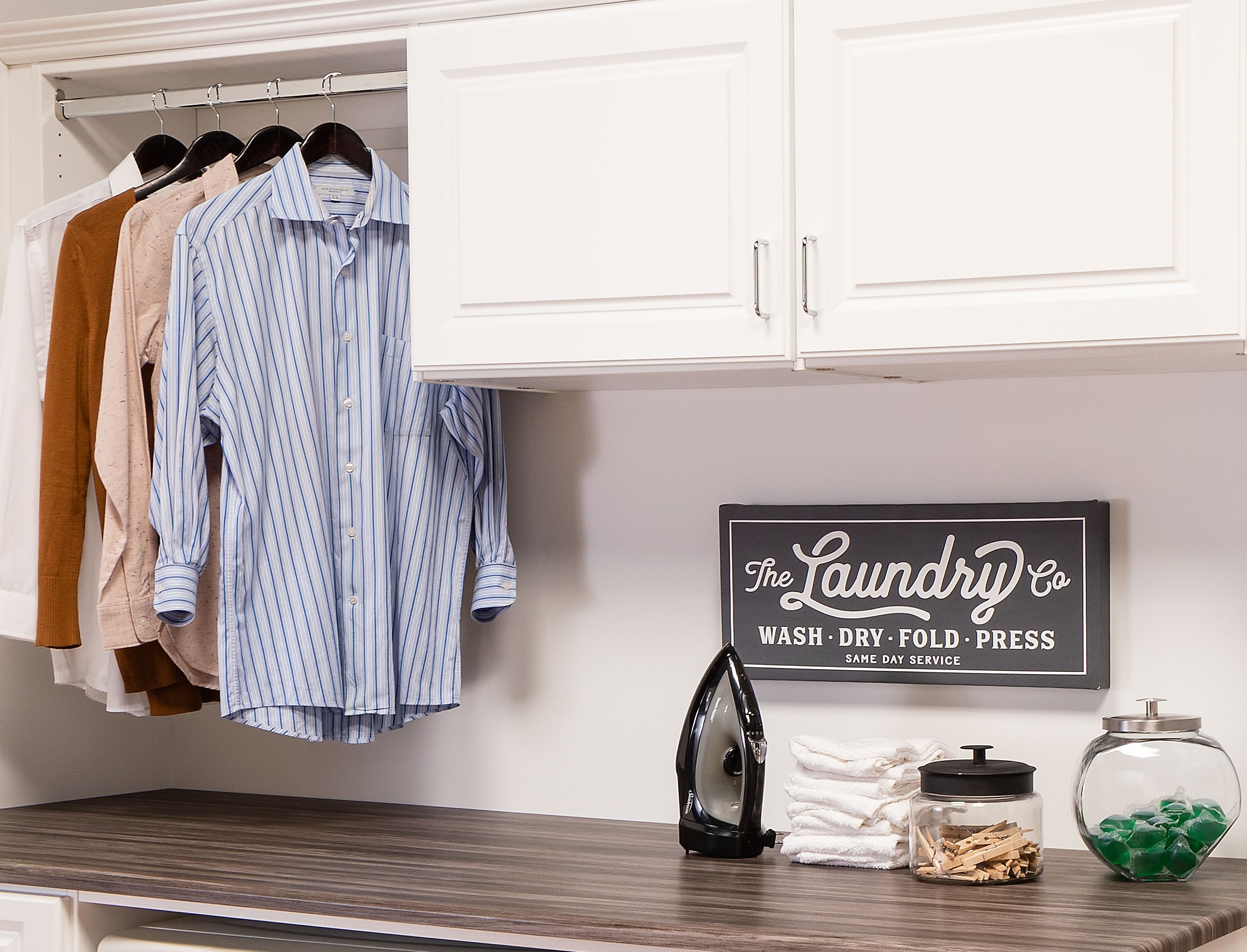
For smaller laundry rooms, consider wall-mounted racks or hooks. These simple additions can hang towels, robes, and even cleaning supplies. A few well-placed brackets can dramatically increase your storage capacity without taking up any floor space.
Here are some ideas to get you started:
- Install shelving units that reach the ceiling
- Use wall-mounted hooks for hanging items
- Add vertical baskets or bins
- Consider pegboards for customizable storage
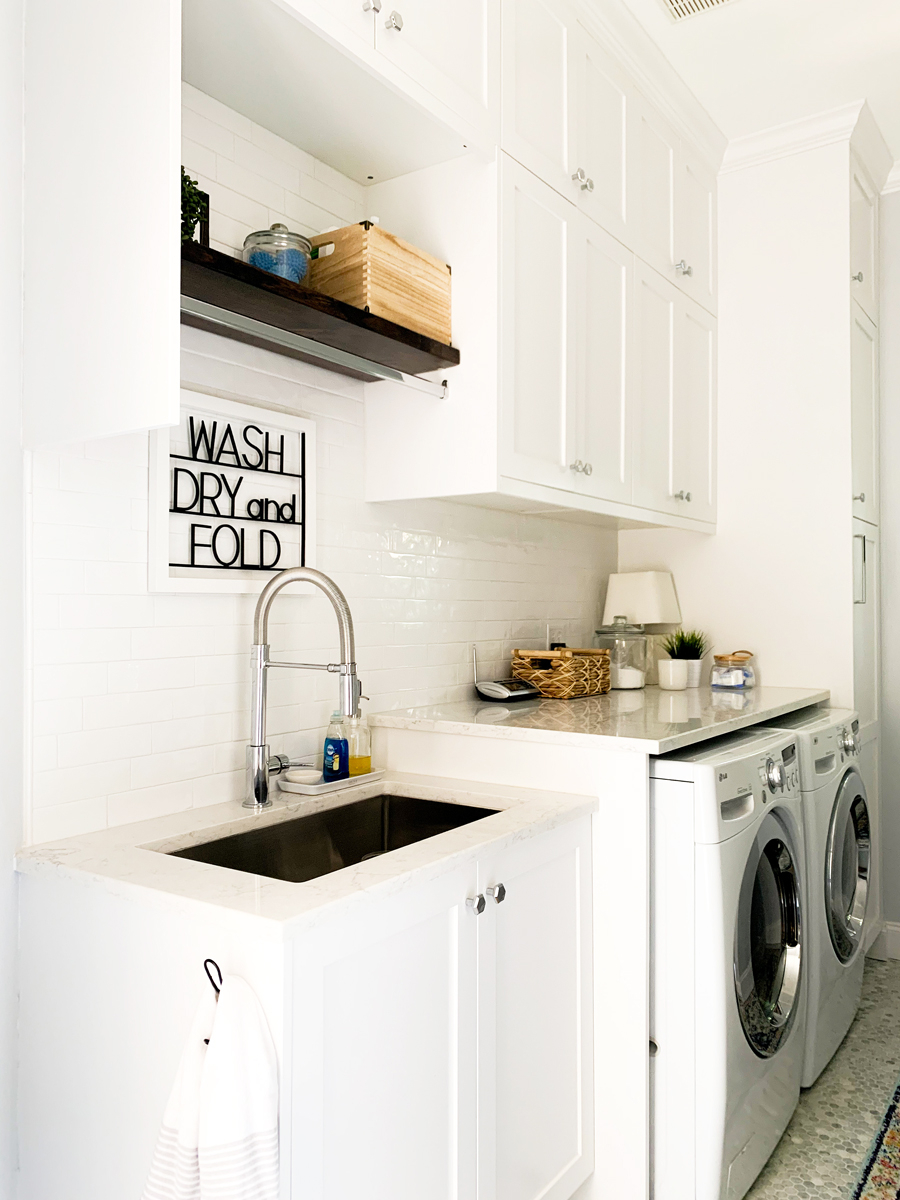
- Utilize the space above machines if possible
This approach works especially well in laundromats because it allows staff to keep essential supplies within reach while maximizing every inch of available space. The key is choosing materials that can handle regular use and stay secure over time.
Multi-Purpose Furniture and Fixtures
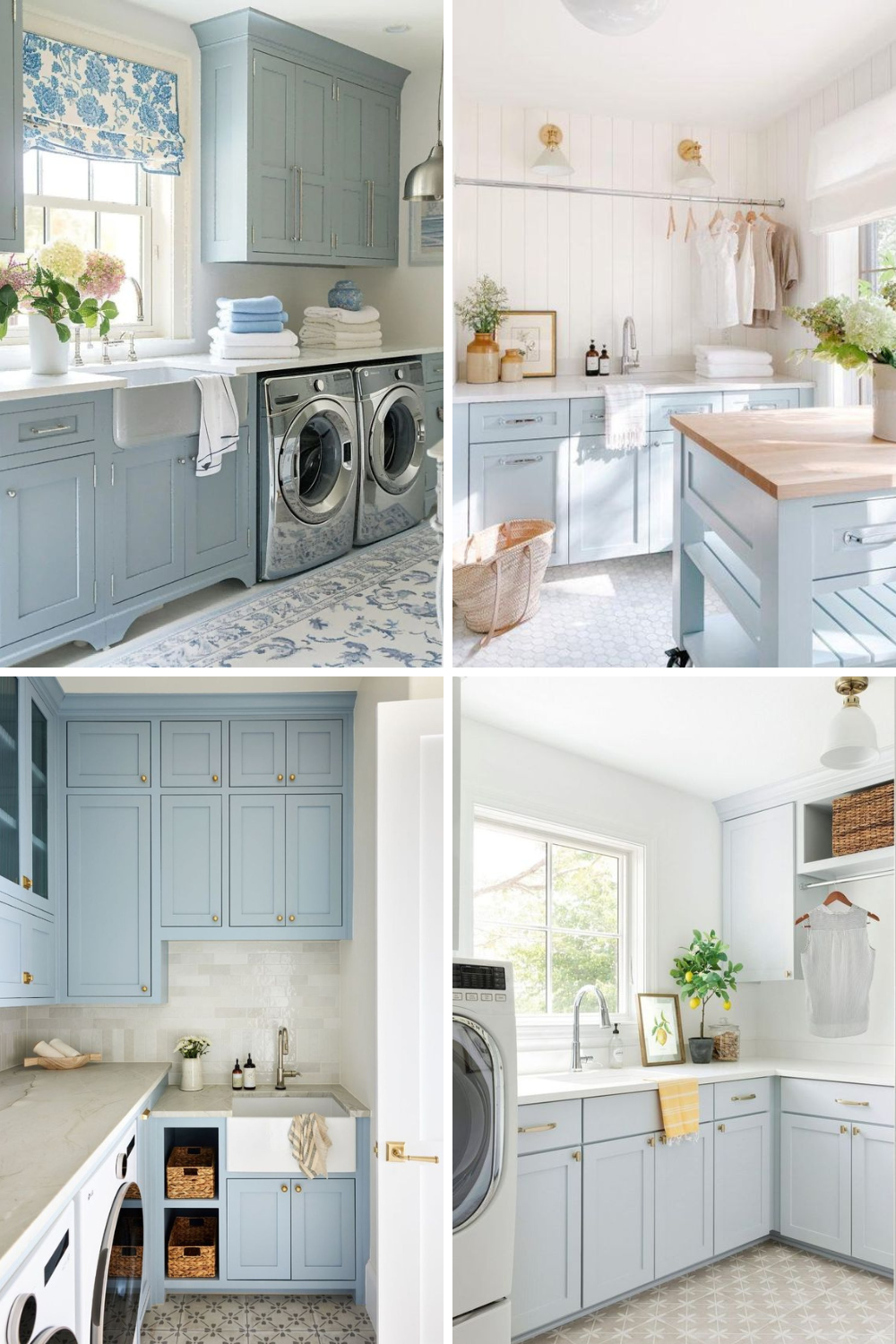
In small spaces, every item needs to serve multiple functions. This principle applies to storage furniture too. Look for pieces that combine storage with other uses. For example, a bench with hidden storage underneath can hold linens while providing seating. Or a cart that rolls on wheels can serve as mobile storage and even act as a counter for organizing supplies.
In laundromats, this could mean:
- Mobile carts for supplies that move with customer demand
- Storage benches that double as seating
- Rolling units with drawers and shelves
- Modular furniture that can be reconfigured
- Kitchen-style islands with built-in storage
These solutions are particularly helpful because they offer flexibility. They can be moved around, adjusted, or even rearranged based on changing needs. Plus, they often blend in better with the overall design of the space, creating a more cohesive look.
Smart Organization Systems
Good storage isn't just about having a place for everything—it's about making sure everything is easy to find and access. This is where smart organization systems come in. Think of label systems, color-coding, and clearly defined zones. These methods help streamline workflows and reduce confusion.
In a busy laundromat, this might involve:
- Labeling bins with product names and usage instructions
- Grouping similar items together (detergent, bleach, fabric softener)
- Creating zones for different types of supplies
- Using transparent containers for quick identification
- Implementing first-in-first-out rotation for inventory
For small laundry rooms, simple systems can go a long way. A few labeled bins or baskets can keep everything sorted. A small notebook or digital list can track what's used and when. The goal is to make storage intuitive so that anyone using the space can quickly locate what they need.
Utilizing Underutilized Spaces
Every laundry area has spaces that are often overlooked. Behind machines, under sinks, or between appliances can hold useful storage opportunities. These areas may not seem obvious, but they can provide valuable real estate for additional organization.
In laundromats, consider:
- Installing storage behind washers and dryers
- Using under-sink areas for cleaning supplies
- Adding storage in corners or gaps
- Mounting shelves in unused wall spaces
- Creating hidden compartments in existing fixtures
Small laundry rooms can benefit from:
- Storage under the sink
- Behind or beside appliances
- Under-stair storage if applicable
- Overhead storage in attics or spare rooms
- Creative solutions like hanging organizers
These spots often get ignored because they’re hard to see or reach. But with thoughtful planning, they can become productive storage areas. Sometimes it just takes a little creativity to realize how much space you already have.
Technology Integration for Modern Storage
Today's storage solutions are getting smarter. Technology plays a role in making storage more efficient and user-friendly. Smart bins with sensors can alert staff when supplies run low. Digital labels can show inventory status or instructions. Even simple apps can track what's in stock and when it was last used.
In laundromats, this might include:
- Inventory tracking systems
- Digital displays for product information
- Smart bins that monitor usage
- Mobile apps for ordering supplies
- Automated dispensers for detergents
For small laundry rooms, technology might mean:
- Smartphone apps to track supply levels
- Digital reminders for maintenance tasks
- Smart lockers for storing personal items
- Automated alerts for restocking
- Voice-controlled assistants for reminders
While not always necessary, integrating technology can simplify management and improve customer experience. It's worth considering how modern tools might fit into your storage strategy.
Practical Tips for Implementation
Now that we've explored the concepts, let's talk about how to put them into practice. Start small and build gradually. Don't try to overhaul everything at once. Instead, focus on one area or one problem at a time. Maybe it's organizing the detergent shelf, or adding a few hooks to hang towels.
Some steps to consider:
- Assess your current storage setup
- Identify pain points in your workflow
- Plan where new storage will go
- Choose items that match your budget and needs
- Test solutions before committing fully
- Gather feedback from users
- Adjust as needed over time
Remember, the goal is not just to store things neatly, but to make your life easier. So choose solutions that actually work for your situation. Whether you're managing a commercial facility or just trying to keep your home laundry room tidy, the right storage approach can make all the difference.
Storage solutions in laundromats and small laundry rooms aren't just about putting things away—they're about creating systems that support daily routines and improve user experiences. From vertical shelves to multi-purpose furniture, from smart organization to technology integration, the right approach can transform any tight space into a functional hub.
The key is to think creatively and practically. Don't overlook the obvious or ignore the overlooked. Every inch matters, and every idea has potential. Whether you're designing a new laundromat or revamping a small laundry room, the principles remain the same: maximize space, simplify access, and make everything work together.
The next time you walk into a laundry area, take a moment to observe how things are stored. What works well? What could be better? That reflection might lead to the next big improvement in your space. After all, great storage isn't just about having more room—it's about making the most of what you have.