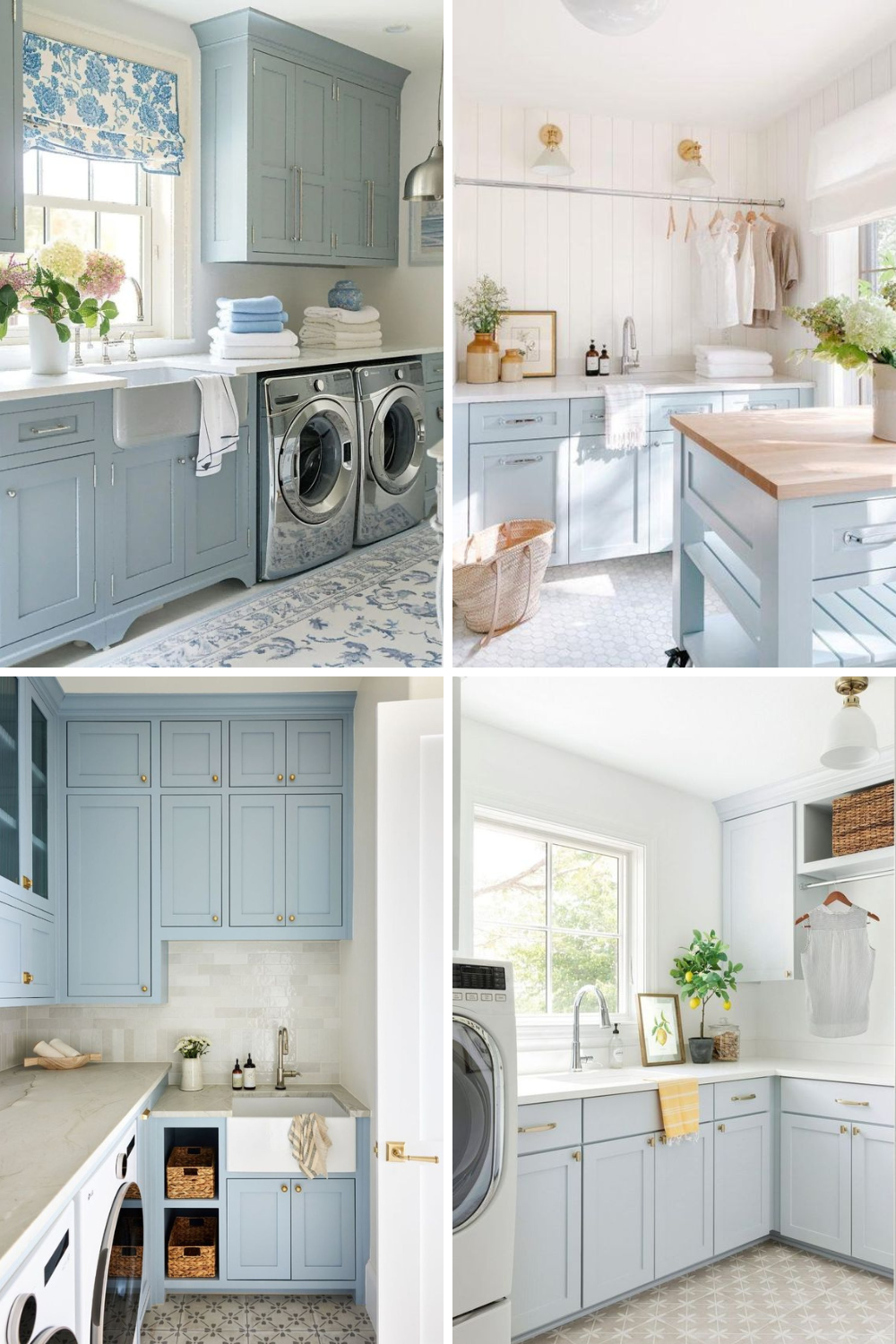
When it comes to keeping our homes organized, few areas demand as much thoughtful planning as the laundry room. It's where clothes go in, and they come out clean. But what happens in between? That's where proper storage solutions become absolutely crucial. The right laundry shelving isn't just about stacking things neatly—it's about creating a system that makes daily tasks easier, keeps everything within reach, and turns a mundane chore into something manageable.
The laundry room often gets overlooked when we think about home organization, but it's actually one of the most important spaces for smart storage solutions. Whether you're dealing with a small closet-sized area or a full-blown laundry room with multiple machines, choosing the right shelving can transform your experience entirely. We've all been there—standing in front of a cluttered washer and dryer, wondering where to put those extra towels or how to organize the cleaning supplies. The answer might just lie in selecting the right shelving setup.
Understanding Your Space and Needs
Before diving into specific shelving options, take a good look at your laundry area. Measure everything carefully, including the width of your washer and dryer, the clearance around them, and any walls you can utilize. Consider how much space you have available and what you'll be storing. Do you need room for folded clothes, or will you primarily use baskets for items that can't be folded? Are you storing cleaning products, fabric softeners, or perhaps seasonal items? Understanding these basics helps narrow down your choices significantly. Think about how often you access different items. Things you use daily, like detergent or dryer sheets, should be easily reachable. Items you use less frequently can be stored higher up or further back. This kind of planning makes a huge difference in daily usability.
Material Matters: Durability and Functionality
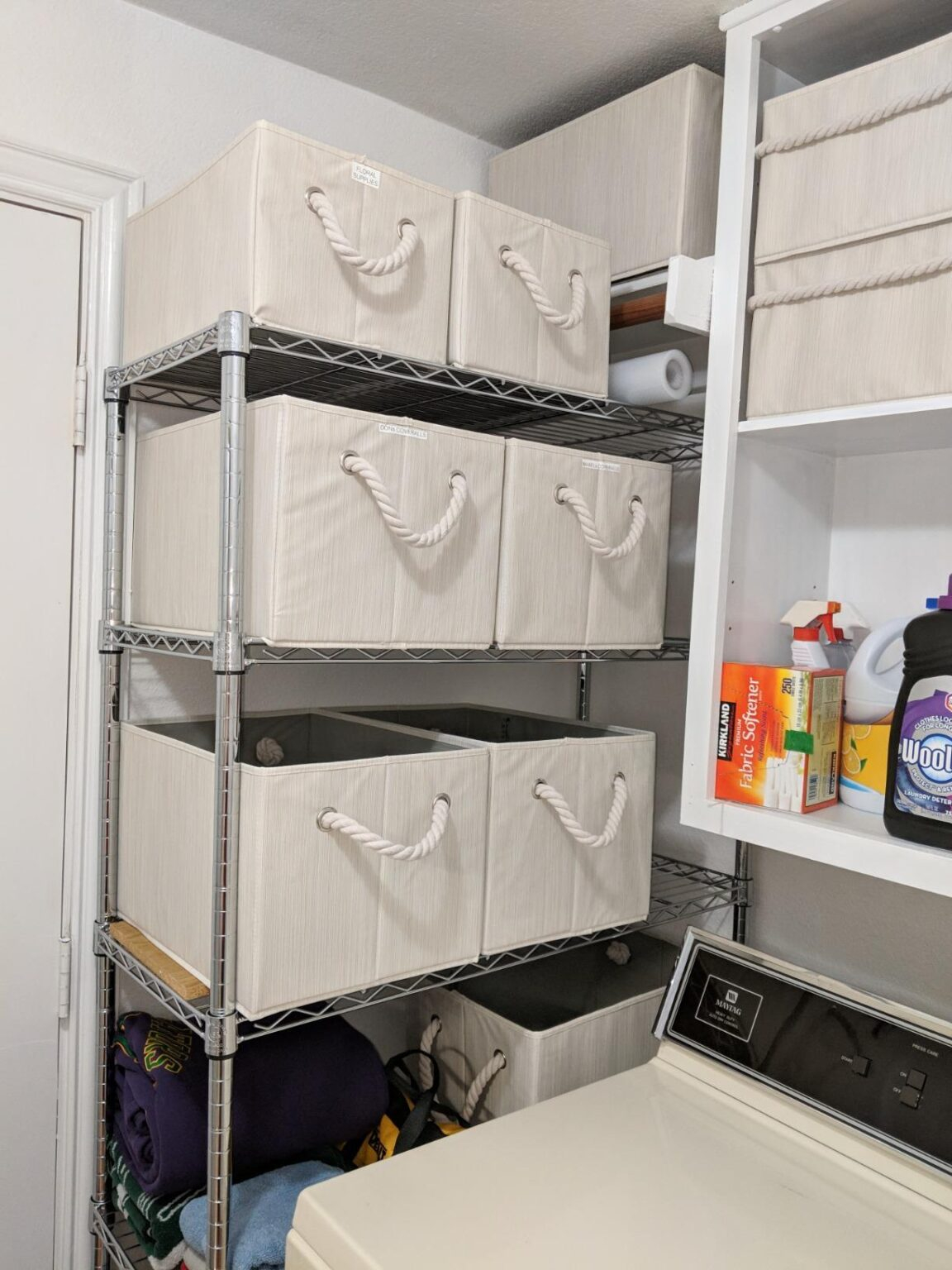
The material of your shelving plays a major role in both its appearance and performance. Metal shelves are incredibly sturdy and resistant to moisture, making them ideal for humid environments. They're also easy to clean, which is great if spills happen regularly. Wood shelves offer a warm, classic feel that works well in traditional settings. However, they require more care in high-humidity areas to prevent warping or damage. Plastic shelves are lightweight and affordable, but may not hold heavy loads as well as their metal counterparts. Consider your budget and lifestyle when choosing materials. If you have pets or children, durability becomes even more important. A well-built shelf made from quality material can last decades, while a cheap alternative might need replacing after just a few years. Ask yourself: How much weight will I be putting on these shelves? Will they see daily wear and tear? These questions help determine what's best for your situation.
Size and Layout Considerations
Shelving that looks great in a catalog might not work perfectly in your actual space. Measure twice, buy once, as they say. Start by determining the dimensions of your available wall space or the area between appliances. Consider whether you want fixed shelves or adjustable ones. Adjustable shelves give you flexibility to change heights based on what you're storing. For example, you might need taller shelves for bulky items like winter coats, and shorter ones for everyday towels. Also think about the depth of your shelves. Deep shelves can hold more items, but they may make it harder to reach the back. Shallow shelves keep things more accessible but limit capacity. Sometimes, combining different depths works well—using deeper shelves for bulkier items and shallower ones for frequently accessed items. Remember that some people prefer open shelving for easy visibility, while others prefer closed cabinets to hide clutter.
Safety First: Stability and Installation
Safety should always be a top priority when installing any shelving system. Heavy items like bottles of bleach or large containers of detergent can tip over if shelves aren't properly secured. Always check that your shelves are bolted securely to the wall, especially if you're using heavy-duty materials. Look for brackets and mounting hardware that match your shelf type. If you're unsure about installation, don't hesitate to call a professional. Some shelves are designed to be freestanding, which can be convenient, but they may not provide enough stability for heavy loads. Check the manufacturer's specifications before purchasing. Also consider the height of your shelves. If they're too tall, they could become unstable. A general rule of thumb is to keep shelves under six feet tall for maximum safety. And remember, the shelf's load capacity should never be exceeded. Overloading can cause the entire unit to collapse, which could lead to injury or damage.
Design and Aesthetics
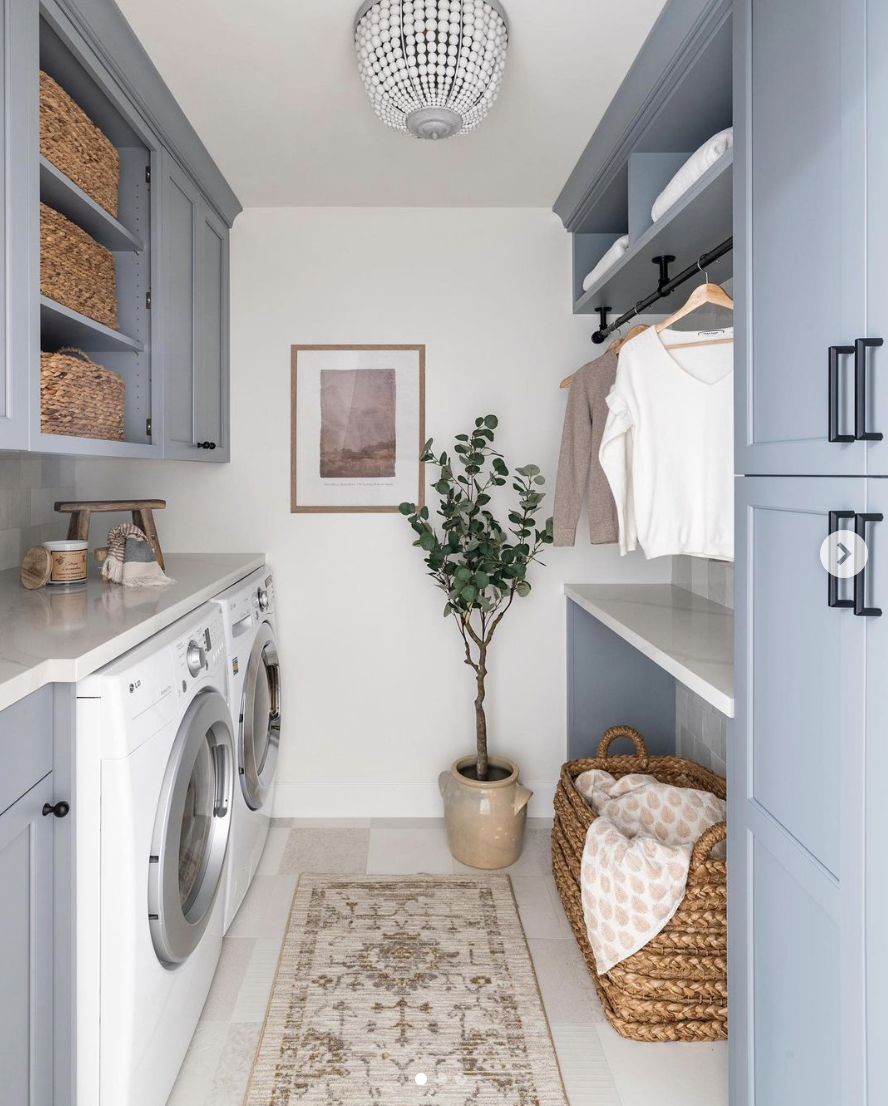
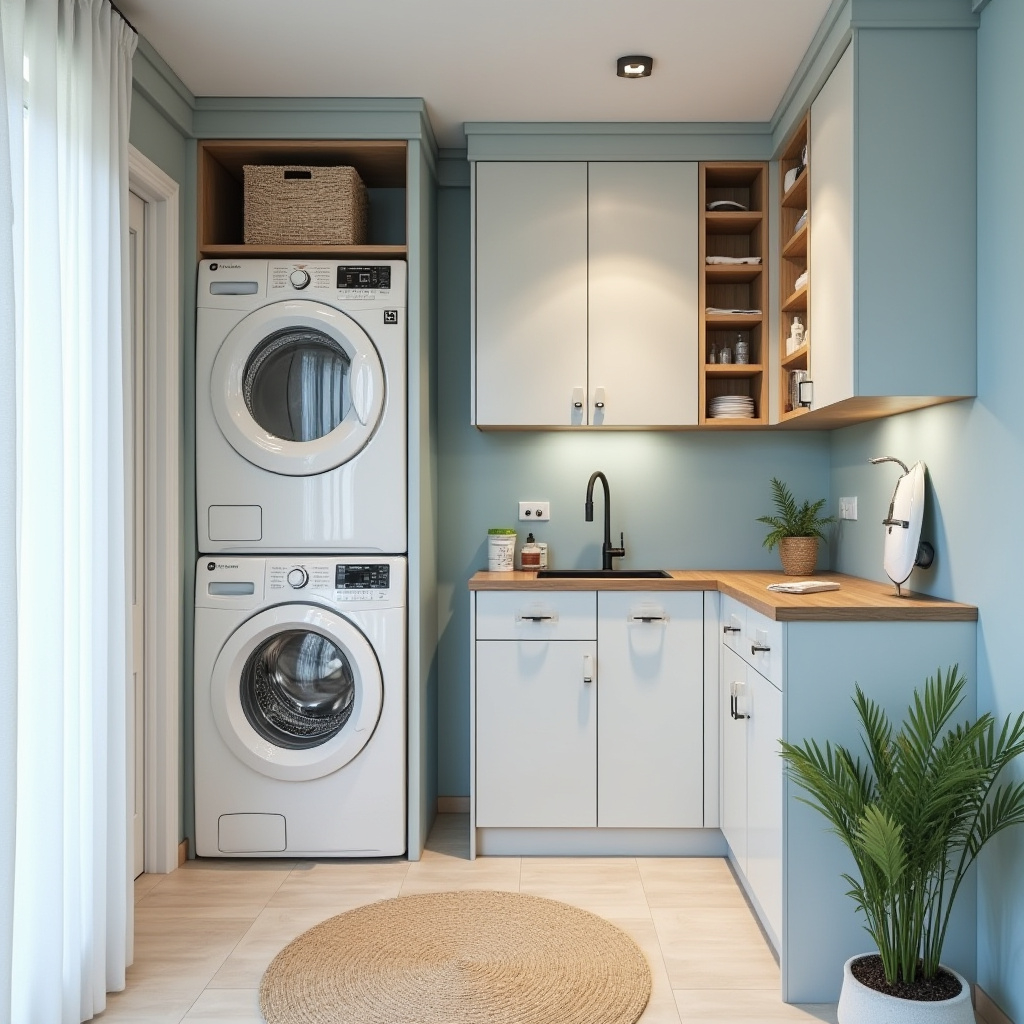
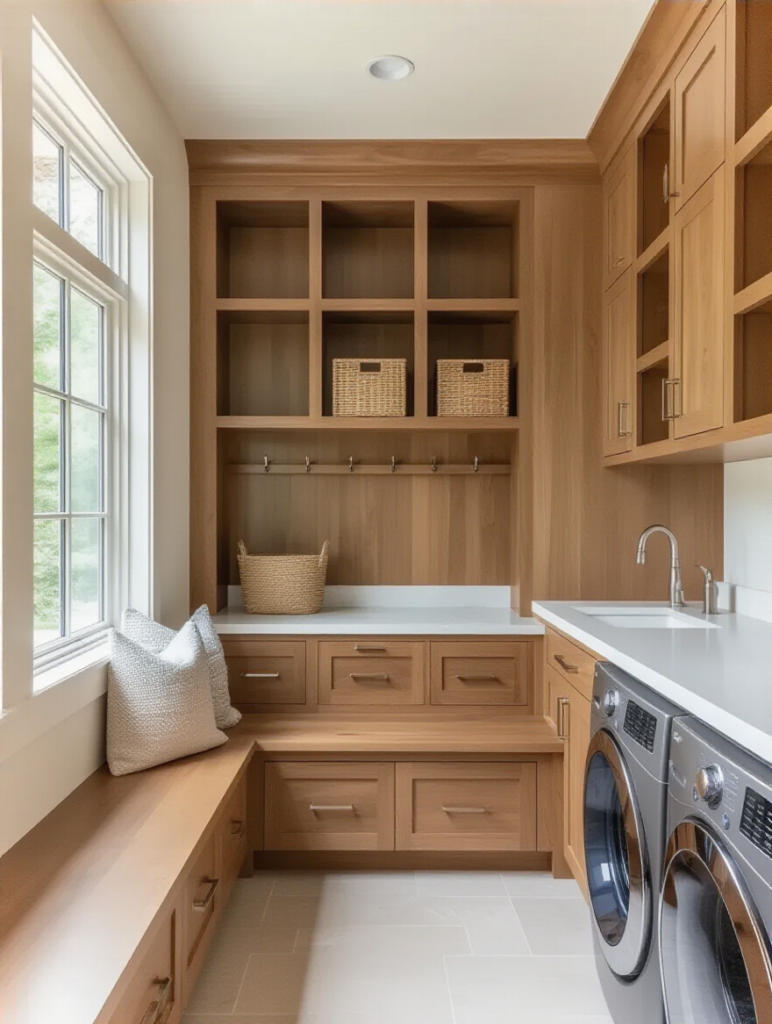
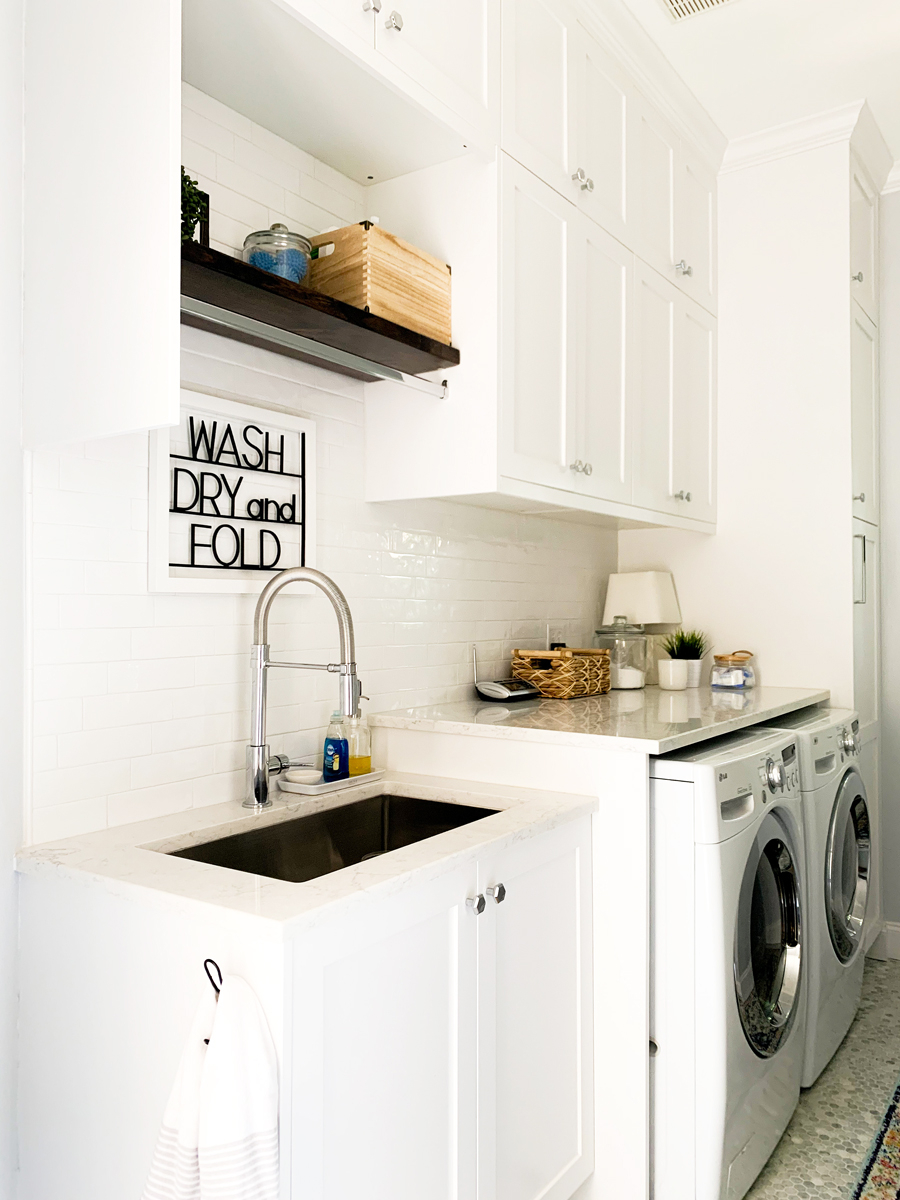
While function is important, don't forget that your laundry room should also reflect your personal style. Modern minimalist designs with clean lines work well in contemporary homes, while rustic wood shelves can add warmth to older-style spaces. You might choose to match your shelving with existing cabinetry or paint it to complement your overall color scheme. Consider how lighting affects your space. Natural light can make wood shelves look beautiful, while artificial lighting might highlight metal fixtures better. If your laundry room is small, lighter colors can make the space feel larger. Darker tones can create a cozy atmosphere but might make a small space feel cramped. Don't overlook accessories like decorative baskets or bins that can tie everything together visually. Sometimes, a simple touch like adding a small plant or some colorful towels can make all the difference in how the space feels.
Practical Features and Smart Solutions
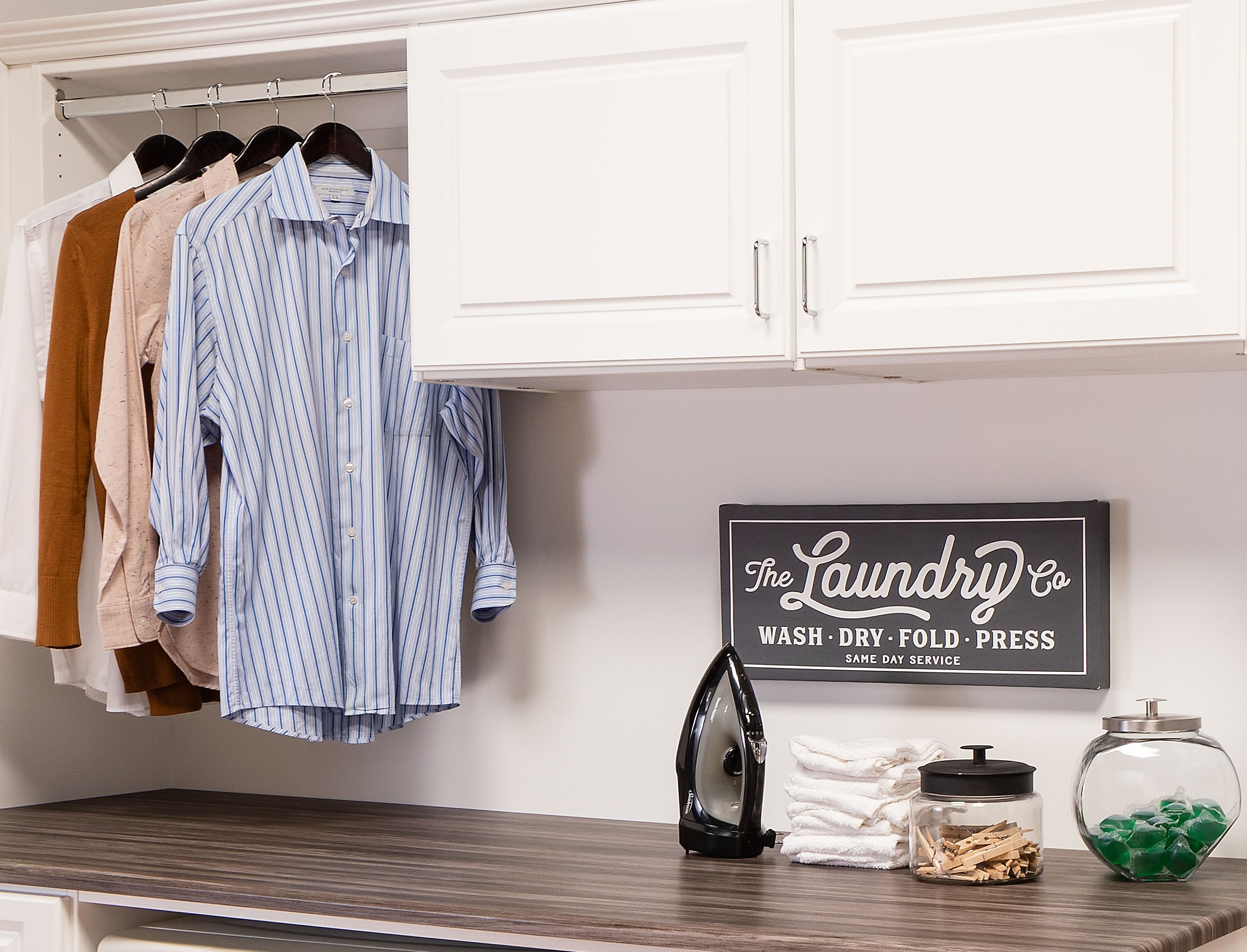
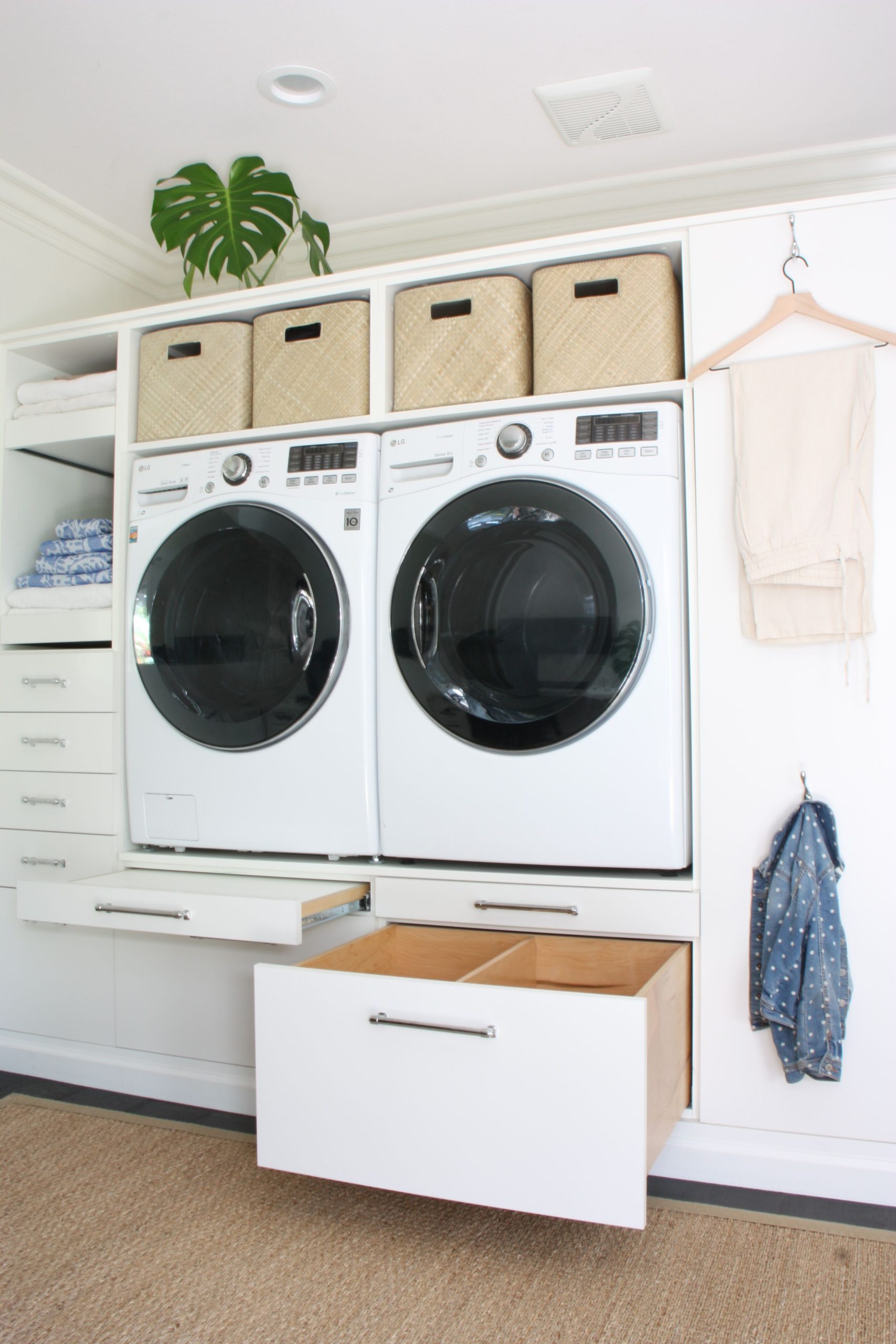
Modern shelving systems often include features that make life easier. Some come with built-in organizers for hangers, folding clothes, or even ironing boards. Adjustable shelves let you customize the space as your needs change. Some shelves have wheels or casters, allowing you to move them around as needed. Others incorporate hooks for hanging items like bags or scarves. Pull-out drawers or baskets can make accessing items easier than reaching deep into shelves. Consider what features would genuinely improve your daily routine rather than just looking nice. For instance, if you have a lot of cleaning supplies, a shelf with compartments might be helpful. Or if you frequently deal with folded clothes, having a shelf specifically designed for that purpose could save time. Sometimes, the most practical solution isn't the flashiest one, but the one that actually solves a problem you face every day. Look for modular systems that can grow with your needs over time.
Choosing the right laundry shelving is more than just picking something that holds stuff—it's about creating a system that works with your lifestyle. Take time to assess your space, consider what you'll actually use it for, and weigh the pros and cons of different materials and styles. Remember, the best shelving solution is one that's both functional and comfortable for you to use every day. Whether you're building a new laundry room or updating an old one, investing in quality shelving pays off in convenience and organization. Don't rush the decision. Think about your habits, your family's needs, and how you want your space to feel. With careful planning, you'll find that the right shelving can turn a chaotic corner into a peaceful, efficient zone that makes laundry day just a little bit easier.