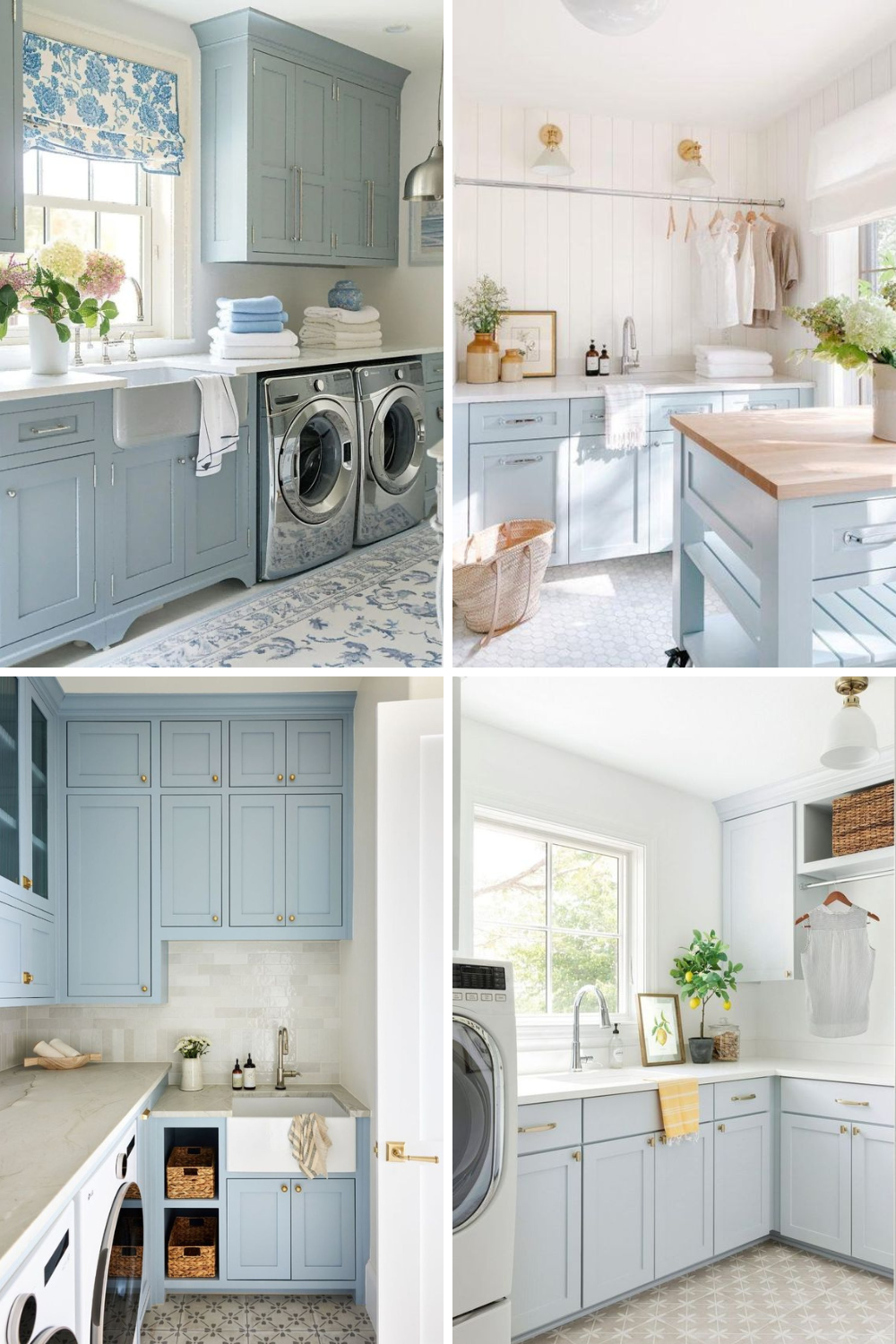
You've got a laundry room, right. Maybe it's a cozy nook, a hallway closet, or just a corner that somehow got dubbed 'the laundry zone.' Whatever its size, one thing’s for sure: every single square inch counts. And when it comes to the humble laundry sink, it's often seen as a necessary evil, a bulky item that just has to be there. But what if we told you it could be so much more? What if it could be a true workhorse, a space-saving champion, and even a little bit beautiful? It's not just about shoehorning a basin in there, is it? It's about making that basin work for you, truly earning its keep in your compact space. Let's dive in and transform that little corner.
We've all been there. Trying to pre-treat a stain, hand-wash a delicate sweater, or even just fill a bucket, and you're doing a delicate dance around a cramped washer and dryer. The sink, if you even have one, often feels like an afterthought – a standard-sized unit forced into a not-so-standard space. It becomes a dumping ground, or worse, a constant obstacle. But it doesn't have to be this way. The secret isn't just picking any small sink; it's about understanding the art and science of maximizing both its footprint and its potential. It's about smart choices, thoughtful installation, and a touch of creative flair. We're talking about making your laundry chores a little less chore-ish, a little more efficient, and a lot less frustrating.
Understanding Your Space: The First Crucial Step
Before you even think about picking out a sink, you've got to get intimately familiar with your laundry room's dimensions. And I mean really familiar. This isn't just about length and width; it's about depth, too, and how it interacts with door swings, appliance clearances, and any existing cabinetry.
Measure Everything, Twice!
Grab that tape measure and get to work. What’s the clear wall space available? How much room do you have between the wall and the front of your washing machine? Don't forget vertical space either. Many folks overlook the possibilities above the sink. Think about plumbing lines too; are they already in place, or will you need to run new ones? This initial reconnaissance is critical, and it avoids costly mistakes later on. Remember, a few centimeters can make all the difference in a tight spot. It's truly a game of inches.
- Wall-to-wall: The total width you can work with.
- Depth: From the wall out to the edge of your appliances or walkways.
- Vertical: From the floor to the ceiling, considering window sills or shelves.
- Obstructions: Doors, windows, electrical outlets, vents, and even dryer exhaust hoses.
Choosing the Right Basin: Size, Shape, and Substance
Once you know your limitations, you can start dreaming about the possibilities. The world of laundry sinks has expanded far beyond those clunky, utilitarian tubs of yesteryear. Now, there are options designed specifically for small spaces that don't skimp on usefulness.
Compact & Clever Sink Types
- Drop-in Sinks: These fit into a countertop cutout. They're a classic for a reason, offering a clean look. But for really small spaces, the countertop itself might be the issue.
- Undermount Sinks: Mounted beneath the countertop, these create a seamless flow from counter to sink, making cleanup a breeze. Plus, they offer a slightly more polished aesthetic.
- Wall-Mounted Sinks: A true space-saver. By attaching directly to the wall, you free up all the floor space beneath, which is a huge win in tiny rooms. These often come with integrated backsplashes, too.
- Freestanding Utility Sinks: While some can be bulky, many manufacturers now offer slimmer, more compact freestanding models, often with built-in legs and sometimes even a small shelf underneath. Just be sure to check those dimensions carefully.
- Integrated Sink and Cabinet Units: These combine a small sink with a compact cabinet base, offering storage right where you need it. A fantastic two-for-one deal for many homeowners.
Material Matters
What your sink is made from impacts durability, appearance, and upkeep. Stainless steel is a popular choice for its resilience and modern look. Acrylic and thermoplastic sinks are lighter and often more affordable, a good pick for utility. Cast iron or fireclay can offer a more robust, traditional feel, but they're heavier and might require stronger support.
- Stainless Steel: Durable, easy to clean, modern.
- Acrylic/Thermoplastic: Lightweight, cost-effective, good for basic utility.
- Cast Iron/Fireclay: Sturdy, classic look, but heavier.
And don't forget the depth of the bowl. Even a small sink can be highly functional if it's deep enough to hold a bucket or soak a garment without splashing.
Faucet Finesse: The Unsung Hero of Small Sink Functionality
A sink is only as good as its faucet, especially in a compact area. This is where you can really boost your sink's utility without taking up extra valuable counter real estate. It's not just about looks, it's about practical use.
Smart Faucet Choices for Tight Spots
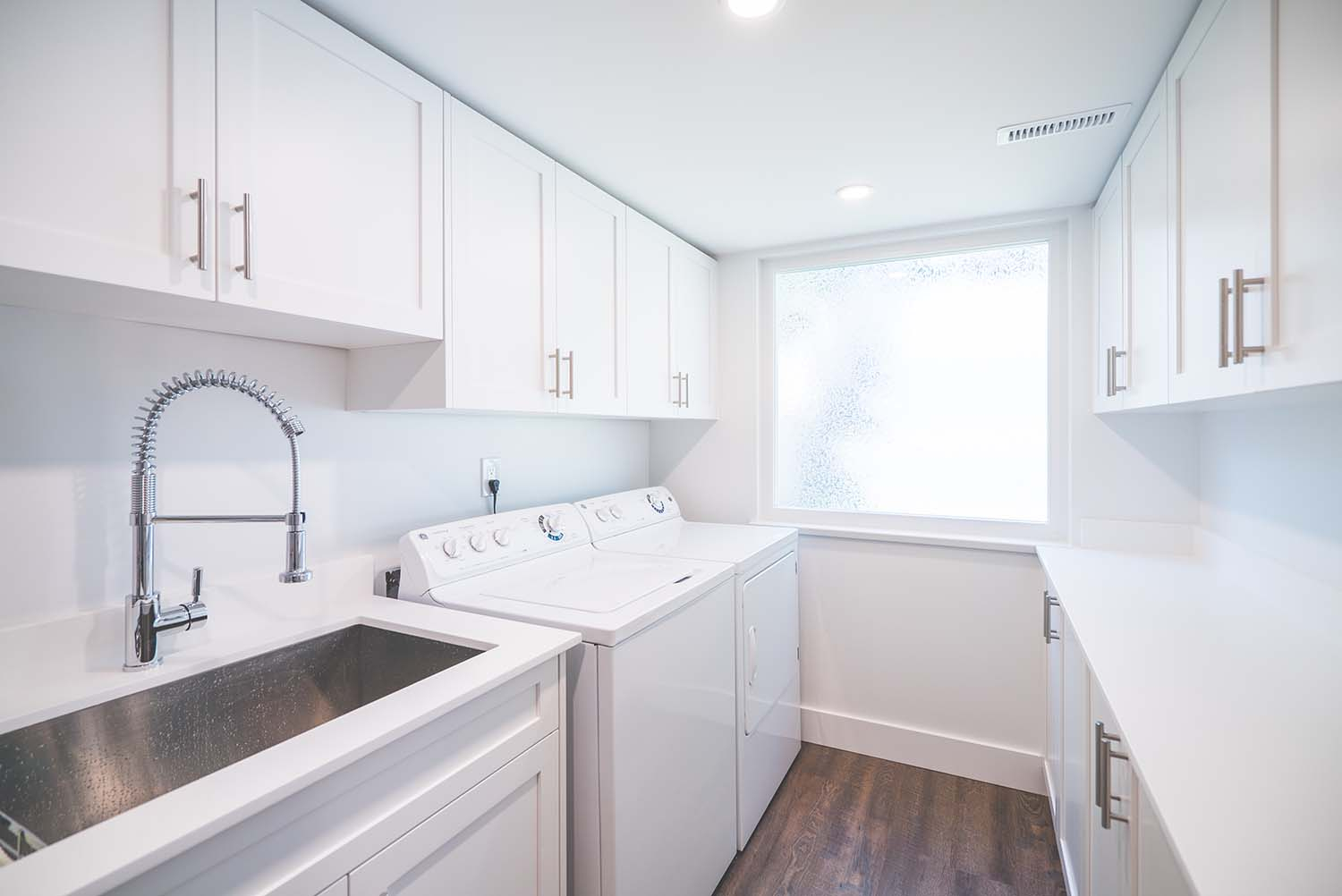
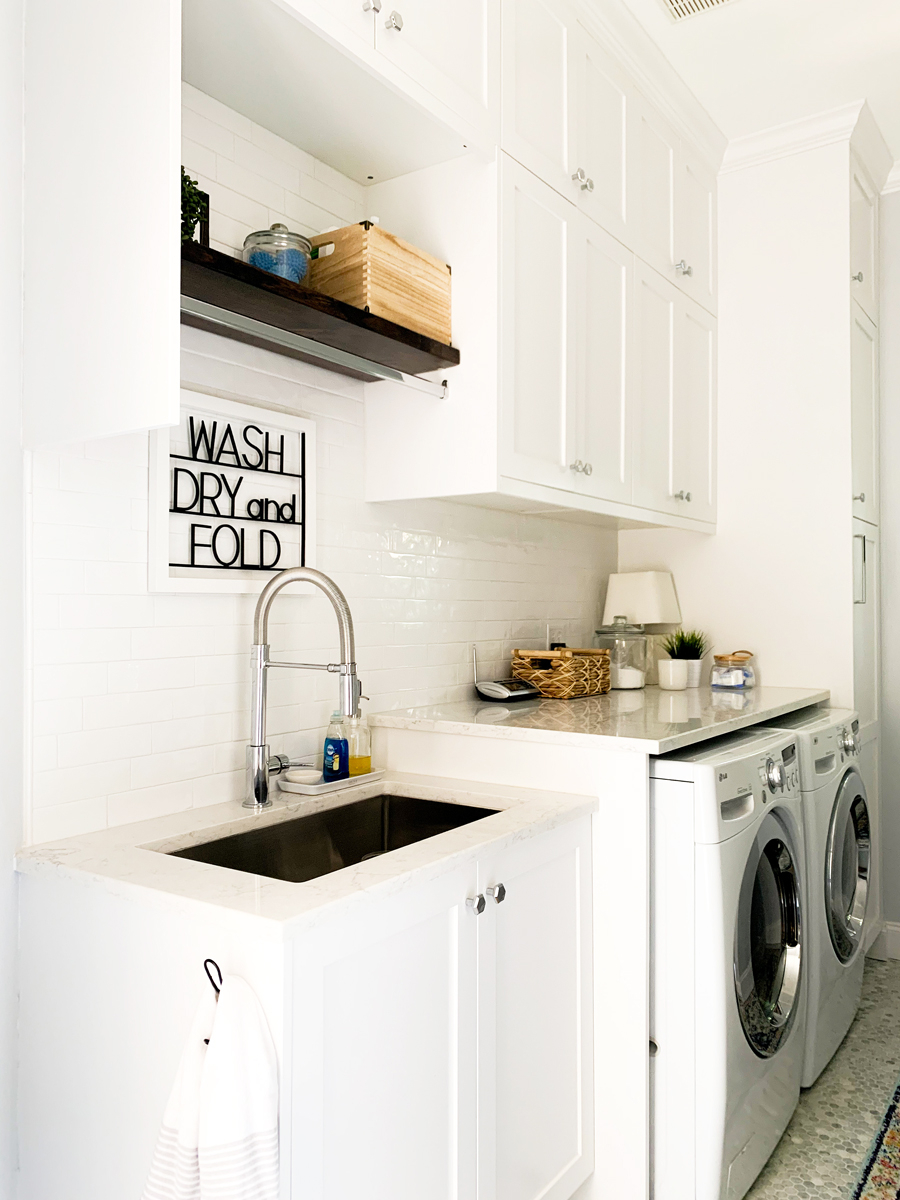
- Pull-Down or Pull-Out Sprayers: This is a game-changer. A faucet with a hose that extends allows you to direct water exactly where you need it – into a bucket on the floor, over a large item, or even to rinse the sink itself. It’s incredibly versatile and a must-have for small spaces.
- Wall-Mounted Faucets: If you're going with a wall-mounted sink or even a countertop with limited space behind the basin, a wall-mounted faucet keeps the deck clear and provides a sleek, uncluttered look. It's also easier to clean around.
- Single-Handle Faucets: Simpler to operate and often more compact than two-handle designs, which can sometimes feel awkward in a small area. Plus, they're easier to turn on and off with soapy hands.
- Gooseneck or High-Arc Faucets: These provide more clearance under the spout, making it easier to fill tall containers or wash larger items. Even if the sink basin is small, a high-arc faucet can make it feel much more usable.
Think about the reach and swivel of the faucet too. Can it move out of the way when you need to place a large item in the sink? These little details really do add up to a much more functional setup.
Installation Ingenuity: Making Every Millimeter Matter
Once you've picked your perfect sink and faucet, how you install them is the next big puzzle piece. This is where clever design truly shines, turning potential headaches into smart solutions.
Creative Installation Methods
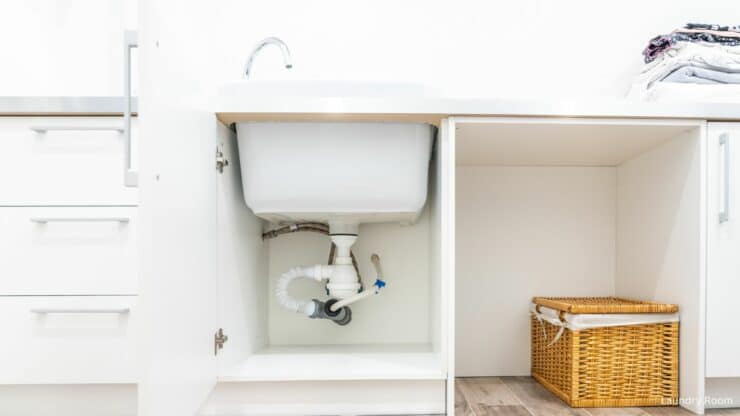
- Wall-Mounting for Openness: As mentioned, a wall-mounted sink completely clears the floor underneath. This open space isn't just visually appealing; it's practical. You can slide laundry baskets under there, store detergents, or even fit a small stool. It makes the room feel much larger and less cluttered. Just ensure your wall has proper blocking to support the weight.
- Corner Sinks: Don't underestimate the power of a corner. If you have an unused corner, a specially designed corner sink can tuck away neatly, utilizing space that might otherwise go to waste. They're not as common, but definitely worth exploring.
- Integrated Laundry Centers: Some manufacturers offer all-in-one units that combine a compact sink with a washing machine and sometimes even a small drying rack or cabinet. While a bigger initial investment, these are engineered for maximum efficiency in minimal footprints.
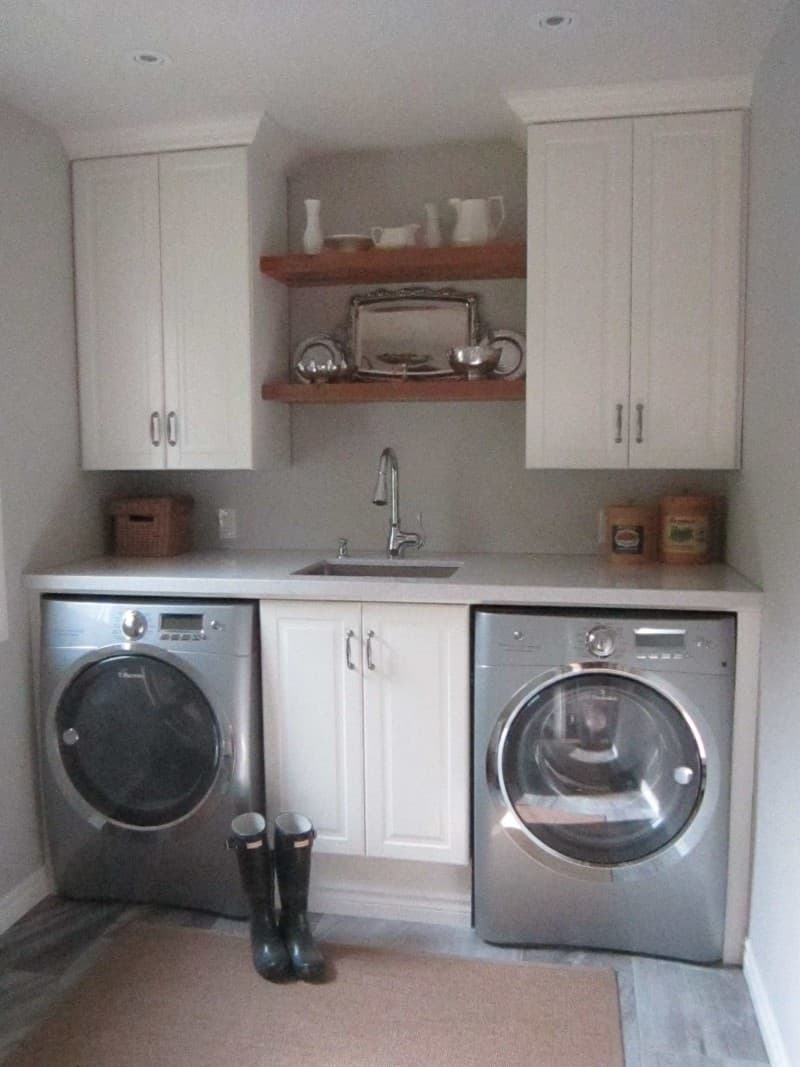
- Over-Appliance Solutions: Can your sink be installed above your front-loading washer or dryer? This requires careful planning and custom fabrication, often with a sturdy countertop spanning the appliances, but it's an incredibly efficient use of horizontal space. Imagine a seamless countertop over your machines, with a small sink integrated at one end. It's a bit more involved, but the payoff in functionality is huge.
Beyond the Basin: Integrating Storage and Organization
A sink, even a tiny one, is just one part of the equation. To truly maximize functionality, you need to think about what goes around and above it. This is where the magic of organization happens, turning a simple sink area into a highly efficient hub.
Smart Storage Solutions
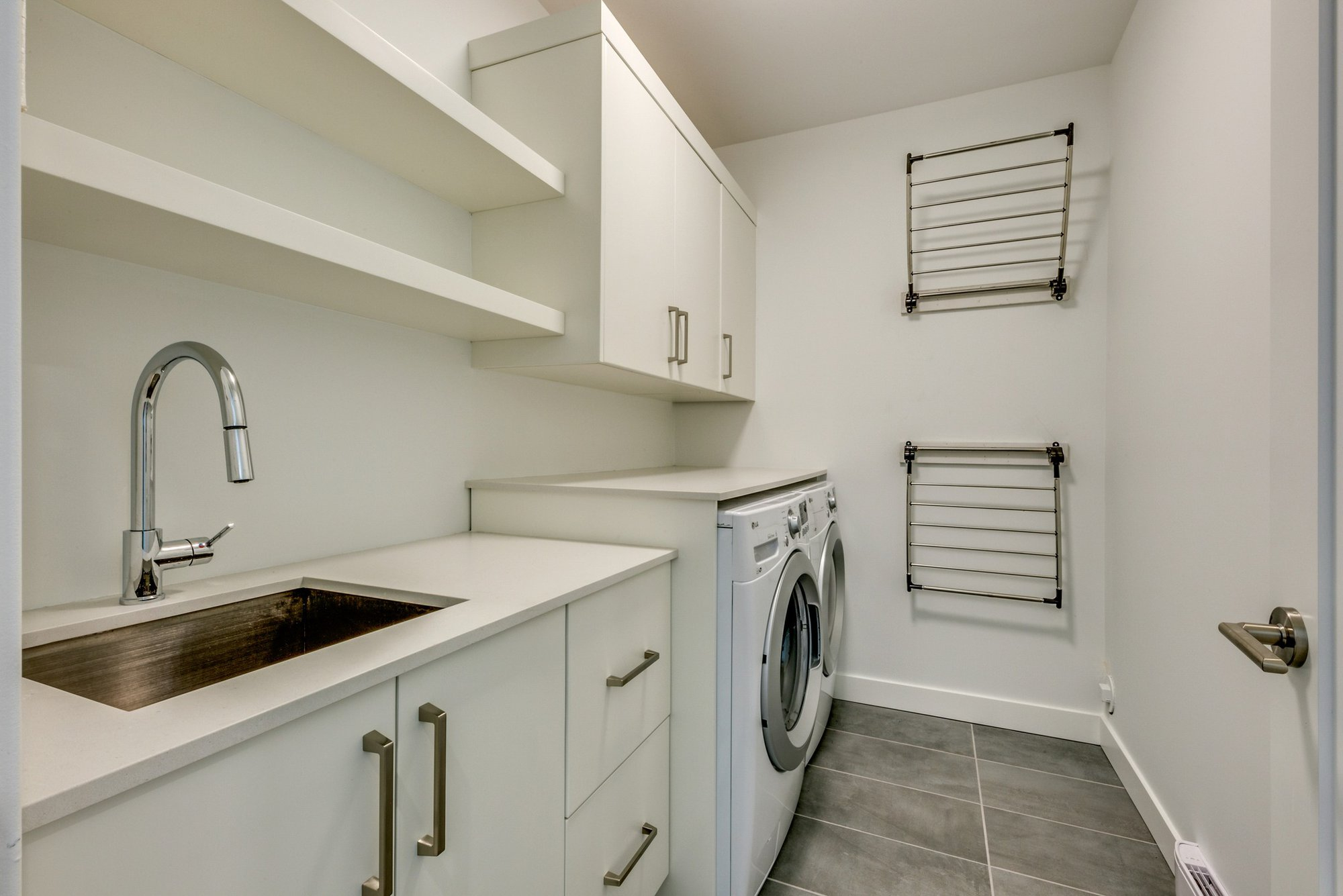
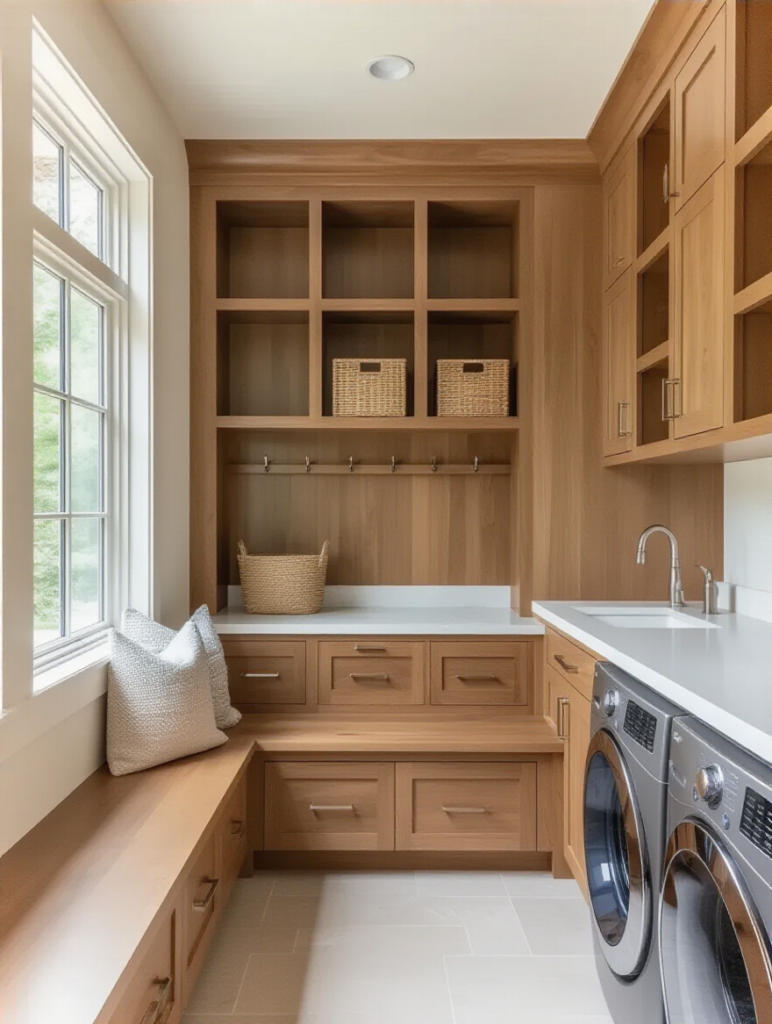
- Shelving Above: Open shelves directly above your sink are perfect for holding detergents, stain removers, and other frequently used items. They keep things within easy reach and off the counter (or lack thereof!). Floating shelves can look particularly sleek.
- Narrow Rolling Carts: If you have even a few inches of space beside your washer, dryer, or the sink itself, a slim rolling cart can be a lifesaver. It can house cleaning supplies, dryer sheets, or even a small waste bin. The ability to pull it out and push it back is super convenient.
- Wall-Mounted Organizers: Think about pegboards, magnetic strips for small metal items, or even wall-mounted caddies for brushes and sponges. These utilize vertical space without encroaching on your precious floor or counter area.
- Under-Sink Solutions: If you have a cabinet-style sink, make the most of the space beneath. Pull-out drawers, tiered organizers, or even just well-placed bins can keep things tidy and accessible. Don't let that cabinet become a black hole of forgotten items. Even with a wall-mounted sink, you could potentially add a small, slim cabinet or a couple of baskets underneath.
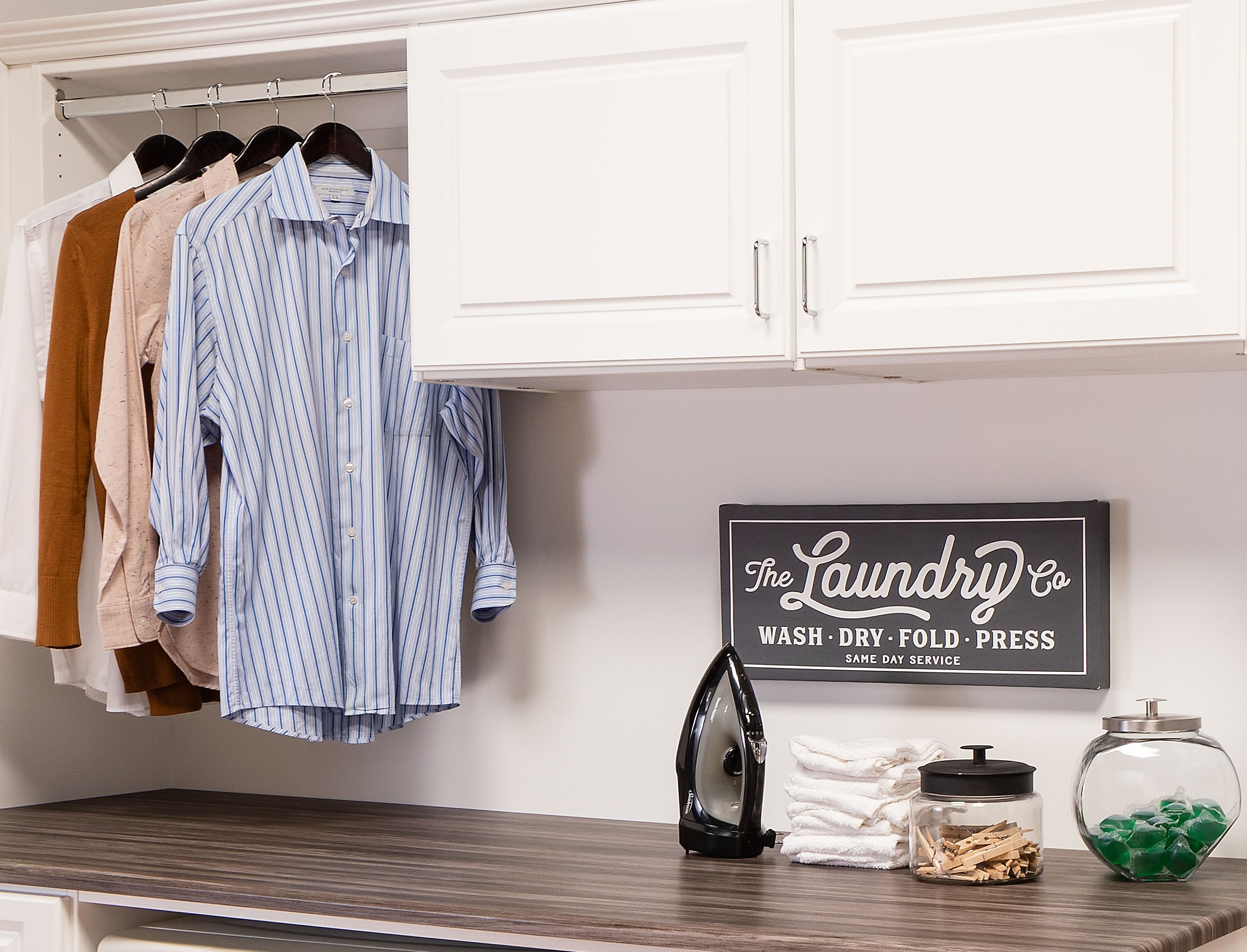
- Fold-Down Drying Racks: A small, wall-mounted drying rack that folds flat when not in use is an absolute godsend. It provides a spot for delicates without permanently taking up space. You can often install these right above the sink for easy drip-drying.
The Finishing Touches: Lighting, Aesthetics, and Flow
Don't underestimate the power of good lighting and a thoughtful aesthetic. A small laundry room can still feel inviting and functional if these elements are considered. It's not just about utility; it's about creating a space you don't dread entering.
Bright Ideas and Pretty Practicalities
- Ample Lighting: A well-lit space always feels larger and more pleasant to work in. Consider task lighting directly over the sink, like a small LED strip or a puck light, in addition to general overhead lighting. Good light helps you spot stains and makes the whole area more welcoming. It's a functional necessity, not just a nicety.
- Light Colors and Reflective Surfaces: Lighter paint colors on walls and cabinets can make a small room feel more expansive. Consider a glossy finish on cabinets or a mirrored backsplash (if practical for a laundry area) to reflect light and create an illusion of depth.
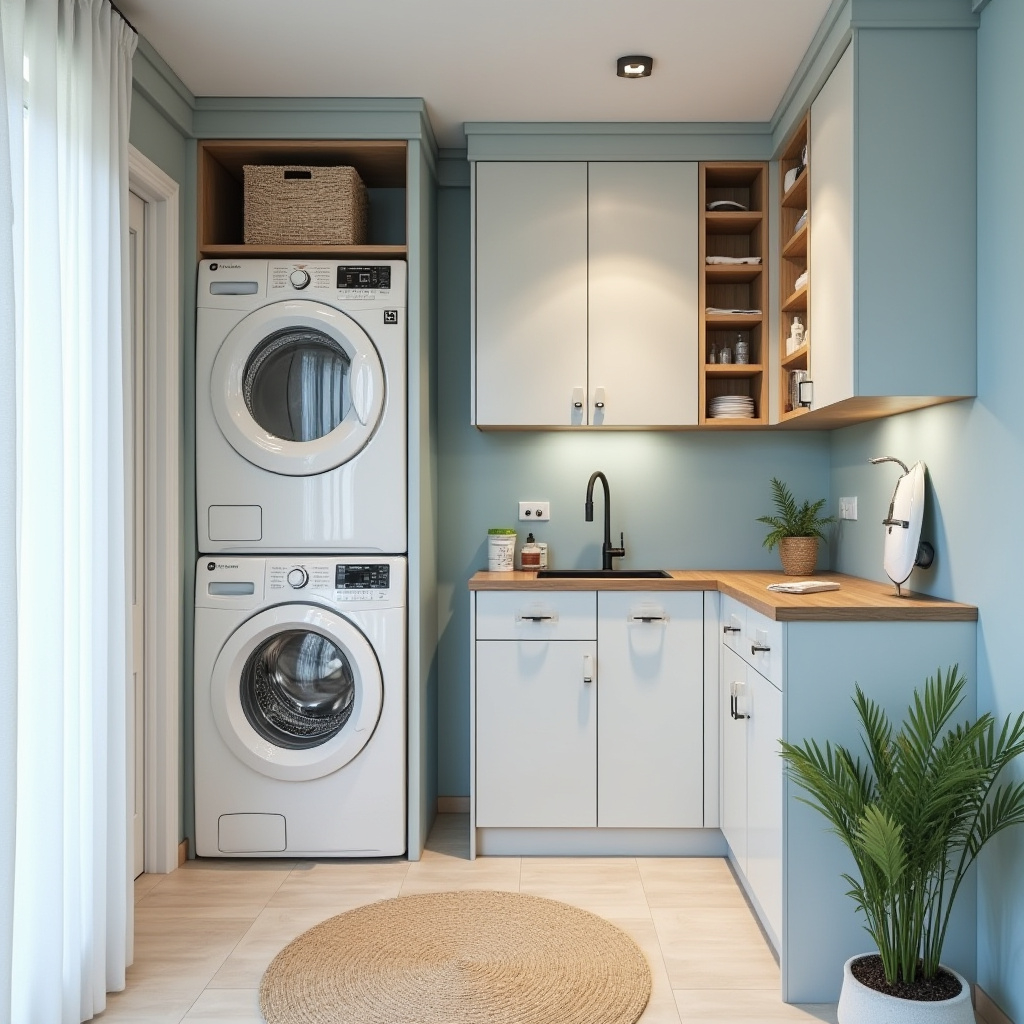
- Minimalist Decor: While it's tempting to add decorative items, in a small laundry room, less is definitely more. Focus on functional items that are also aesthetically pleasing. A nice soap dispenser, a pretty basket for clothespins, or a small plant can add charm without clutter.
- Maintain Clear Pathways: This might seem obvious, but always ensure there's a clear path to and from the sink, and that nothing obstructs the opening of washer or dryer doors. A well-designed small space is one that allows for effortless movement, even if that movement is minimal. It makes a huge difference to the usability of the room. A cluttered path is a frustrating path, isn't it.
Transforming a small laundry room sink installation from an afterthought into a functional centerpiece is entirely achievable. It demands a bit of planning, some smart choices, and a willingness to think creatively about every dimension. By carefully considering your space, selecting the right sink and faucet, employing clever installation techniques, and integrating thoughtful storage, you won't just 'fit' a sink in; you'll create a highly efficient, usable, and even enjoyable part of your home. It's about empowering your laundry space to do more with less, making those everyday tasks a little bit smoother. So go ahead, measure twice, dream big, and give that small laundry room the powerful, practical sink it truly deserves. You'll be amazed at the difference it makes.