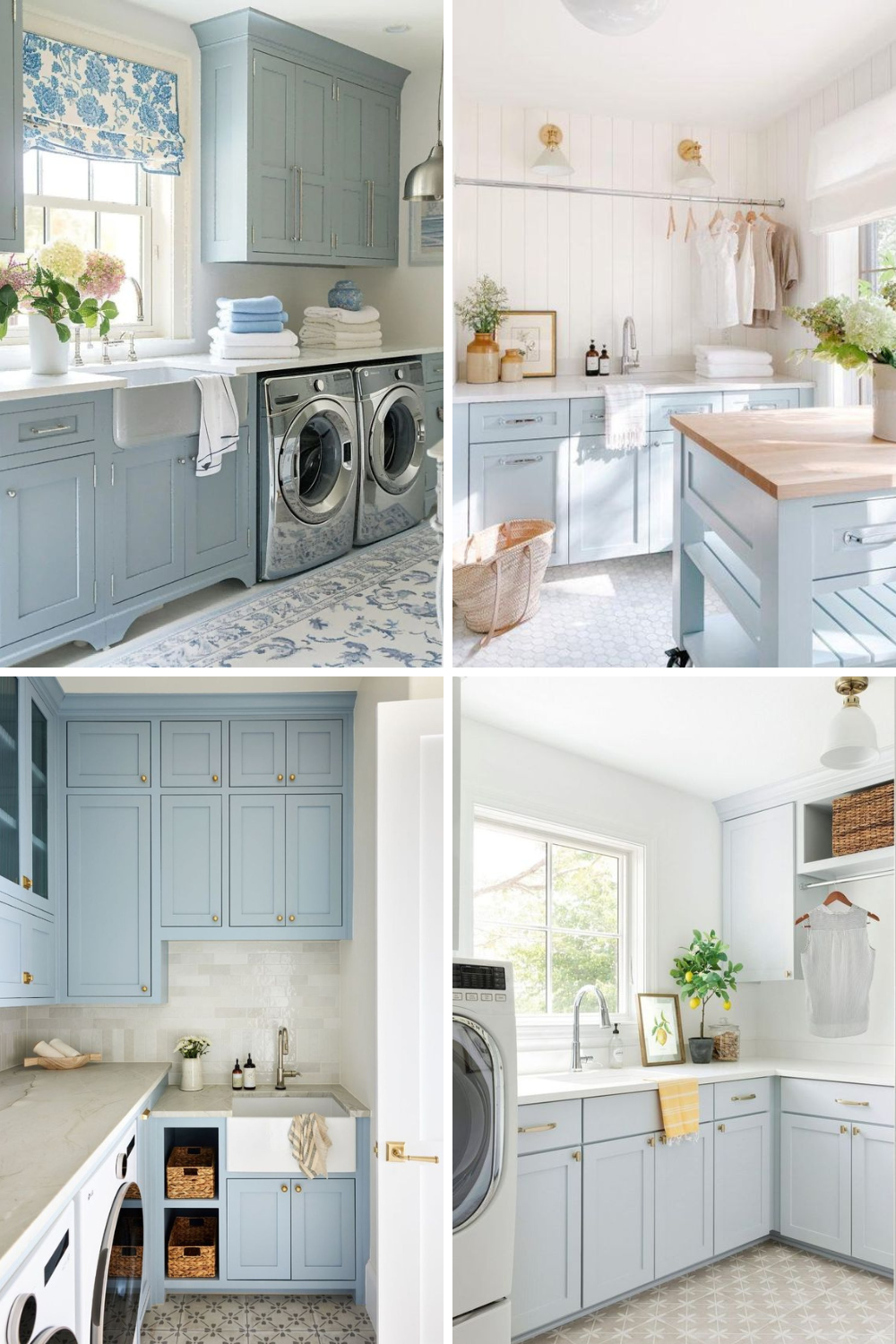
Picture this: You've just finished a load of laundry, and you're walking toward your washing machine when you notice something troubling. The door to your laundry room is slightly ajar, and you realize someone might have accessed your space. This isn't just a minor inconvenience – it's a potential security breach that could expose your personal items and privacy. Every household deserves protection, especially in areas like the laundry room where we store our clothes and often leave valuables unattended.
The laundry room might seem like a simple part of our homes, but it's actually one of those overlooked spaces where security matters more than most people think. Whether you're a homeowner with family members sharing the space or a renter trying to maintain privacy, securing your laundry area effectively requires more than just a basic lock. It demands understanding the nuances of different key systems, their strengths, and how they fit into your lifestyle. Think about it – this is where you keep your clean clothes, your favorite workout gear, maybe even important documents that you've left there temporarily. So how do you ensure that your laundry room stays private and protected? That's exactly what we're going to explore today.
Understanding the Importance of Laundry Room Security
Why does your laundry room need protection? It might seem counterintuitive, but there are several good reasons to consider security in this space. First, let's talk about what typically lives in a laundry room. Clothes, especially those with sentimental value, are often stored there. But beyond clothing, many people leave personal items like wallets, phones, keys, and sometimes even cash in their laundry rooms. Imagine if someone walked in while you were away and found your wallet on the counter. That's not just a theft – that's a violation of privacy.
Moreover, if you live in an apartment complex or shared housing situation, your laundry room could be accessed by anyone in the building. This makes it crucial to implement proper security measures. You wouldn't leave your front door unlocked, would you? The same logic applies to your laundry room access point.
The reality is that security concerns in laundry rooms often go unnoticed until something happens. But once you start thinking about it, you'll realize that every time you open your laundry room door, you're essentially opening a small window into your personal space. That's why investing in the right key system isn't just smart – it's necessary.
Types of Key Systems Available for Laundry Rooms
Not all key systems are created equal, and choosing the right one depends on your specific needs and circumstances. Let's break down some of the most common options:
• Traditional Deadbolt Locks: These are the classic choice for many households. They offer solid security and are relatively easy to install. However, they require physical keys and can be tricky to manage if you have multiple people needing access.
• Keyless Entry Systems: Modern technology has brought us electronic locks that work with codes or biometric scans. These can be incredibly convenient, especially if you have family members or guests who visit regularly.
• Smart Locks: These combine traditional locking mechanisms with smartphone integration. You can control access remotely and receive notifications when someone enters or exits.
• Multi-Lock Systems: Some people prefer having multiple layers of security, combining a deadbolt with an additional lock or alarm system.
Each option comes with its own set of pros and cons. For instance, smart locks offer convenience but might be vulnerable to hacking if not properly configured. Traditional deadbolts are reliable but can be inconvenient if you forget your keys. The key is finding the balance between security and usability that works for your situation.
Key Management Strategies for Shared Laundry Spaces
If you're dealing with a shared laundry room or have family members who regularly use the space, managing access becomes a critical factor. Consider these approaches:
• Designated Keys: Give each person a unique key and keep track of who has access. This system works best when you know everyone who uses the space.
• Digital Access Codes: If you're using a keyless system, create individual codes for each user. This allows you to monitor usage and easily revoke access when needed.
• Regular Key Rotation: Periodically change your key system or access codes. This helps prevent unauthorized access over time.
• Secure Storage Solutions: Keep your keys or access codes in a secure location where only authorized individuals can reach them. This might mean a locked box or a specific designated spot in your home.
In shared environments, communication is vital. Make sure everyone understands the security protocols and knows what to do if they suspect unauthorized access. A few simple rules can go a long way in maintaining safety and respect among users.
Installation Tips for Maximum Security
Installing your key system correctly is just as important as choosing the right one. Here are some essential tips:
• Choose the Right Location: Mount your lock at least 6 feet off the ground to prevent tampering from children or pets. Also, ensure it's positioned away from windows or doors where someone might observe the key entry process.
• Consider Professional Installation: For high-security systems or if you're unsure about mounting hardware, consider hiring a professional. This ensures proper installation and prevents future issues.
• Test Before You Trust: After installation, test all components thoroughly. Check that the lock engages properly, the key turns smoothly, and any electronic components function as expected.
• Maintain Your System: Regular maintenance keeps everything working properly. Clean the lock mechanism periodically and lubricate moving parts as needed.
• Plan for Backup Access: Always have a backup plan. Whether it's a spare key, a master code, or another access method, having alternatives prevents being locked out during emergencies.
Remember, a perfectly designed system means nothing if it's not installed correctly. Take your time and make sure everything is aligned properly before considering your job done.
Common Mistakes to Avoid When Choosing a System
Even experienced homeowners sometimes make errors when selecting a laundry room security solution. Here are some pitfalls to watch out for:
• Overcomplicating the Solution: Sometimes people try to install too many features at once. While smart technology is great, too much complexity can lead to confusion and misuse.
• Ignoring Environmental Factors: Consider whether your chosen system will withstand moisture, temperature changes, or other conditions typical in laundry rooms. A standard lock may not hold up well in a humid environment.
• Underestimating User Needs: Make sure whoever will be using the system understands how to operate it properly. If a family member finds a smart lock confusing, they might avoid using it altogether.
• Neglecting Future Maintenance: Some systems require frequent battery changes or software updates. Factor these requirements into your decision-making process.
• Choosing Cost Over Quality: While budget considerations are important, don't sacrifice security for savings. A cheaper system might seem attractive now but could cost more in repairs or replacements later.
The key is to balance functionality, ease of use, and long-term reliability. Don't let the newest feature distract you from choosing what actually works best for your situation.
Maintenance and Long-Term Care for Key Systems
A security system is only as good as its upkeep. Proper maintenance ensures that your investment continues to serve you effectively. Here's what you should keep in mind:
• Regular Cleaning: Dust and lint buildup can affect how well your lock operates. Clean the mechanism monthly or as needed based on usage.
• Battery Monitoring: If you're using electronic or smart locks, check battery levels regularly. Low batteries can cause unexpected failures.
• Testing Functionality: Periodically test your system to ensure everything still works correctly. Try opening and closing the door several times.
• Address Issues Promptly: If something feels off or seems difficult to operate, fix it immediately rather than waiting for a problem to escalate.
• Update Software When Needed: Smart locks often require firmware updates to stay secure against new threats. Don't ignore these updates.
• Professional Servicing: Schedule annual inspections with a locksmith if you're using complex systems. They can identify potential problems before they become major issues.
Think of maintenance as an investment in peace of mind. Regular care prevents small problems from becoming costly repairs or security breaches.
Securing your laundry room isn't just about protecting your clothes – it's about safeguarding your privacy and personal belongings. With the right key system and thoughtful implementation, you can enjoy the convenience of your laundry space without worrying about unauthorized access. Whether you choose a traditional lock or embrace modern smart technology, the most important thing is to select a solution that fits your lifestyle and provides the security you need.
Remember, security is not a one-time decision but an ongoing commitment. Regular maintenance, thoughtful planning, and staying aware of potential vulnerabilities will keep your laundry room safe and secure. You deserve to feel comfortable in your own home, especially in spaces where you expect to find your clean clothes and personal items.
Take the time to evaluate your current setup, consider improvements, and make changes that align with your security goals. Your future self will thank you for the extra effort today. After all, isn't it better to be safe than sorry when it comes to protecting what matters most?