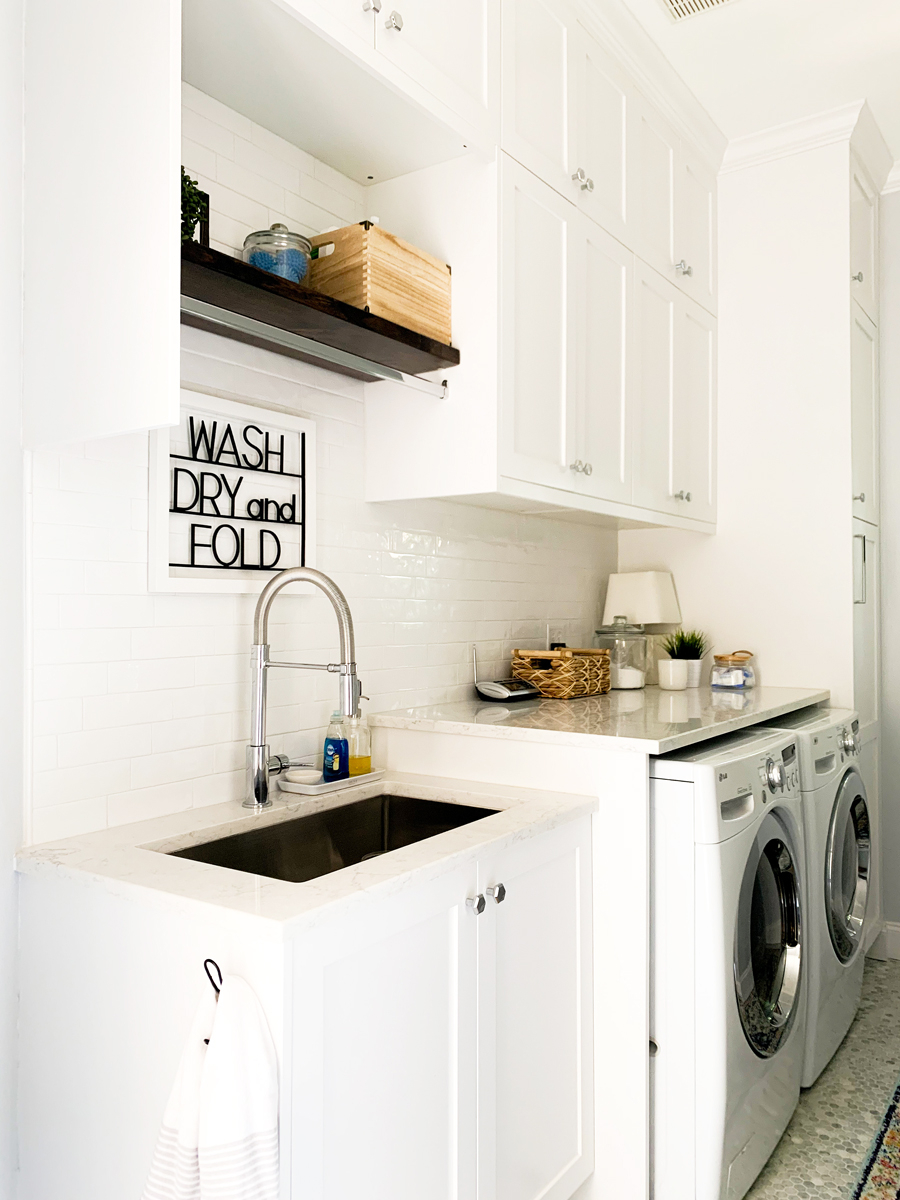
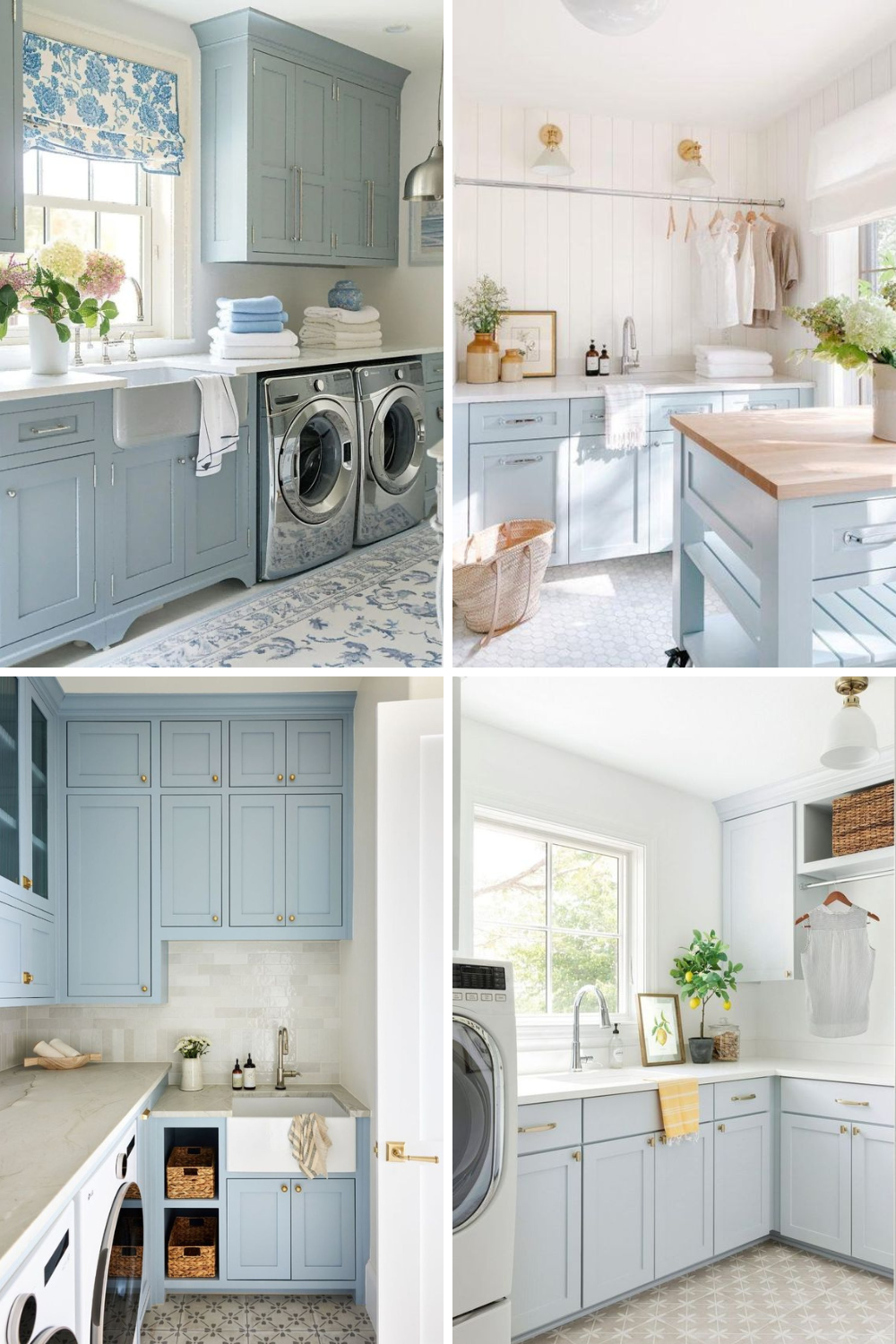
Picture this: you walk into your laundry room and everything just clicks. The washer and dryer are perfectly positioned, there's enough space to move around, and every tool you need is within reach. This isn't just a dream - it's entirely possible when you approach laundry room design with purpose and planning. What if we told you that a few thoughtful decisions could transform your laundry experience from frustrating to effortless?
Most people don't give much thought to their laundry room until they're standing there, overwhelmed by clutter, frustrated by cramped spaces, or simply annoyed by the endless back-and-forth between machines and folding areas. But here's the truth - a well-designed laundry space isn't just convenient, it's a game-changer for your daily routine. Think about how many times you've had to carry wet clothes across the house, or how often you've been stuck trying to fit everything in a tiny corner. These aren't just annoyances - they're symptoms of poor planning. When you take time to think through your laundry room layout, you're investing in hours of future convenience and less stress.
Start With Your Space Assessment
Before you even think about appliances, you need to understand what you're working with. Measure every inch of your available space, noting doorways, windows, and electrical outlets. Consider the shape of your room too - a long, narrow space might work better with appliances lined up side-by-side, while a square room could accommodate a more centralized approach. The most common mistake is assuming you have plenty of room when you actually don't. Many homeowners underestimate how much clearance they'll need around their appliances for maintenance and daily use. Don't forget to account for the fact that most washing machines require at least 6 inches of clearance on all sides, and dryers need 3 inches on each side. These measurements add up quickly, especially when you factor in the space needed for loading and unloading.
Choose Your Appliances Wisely
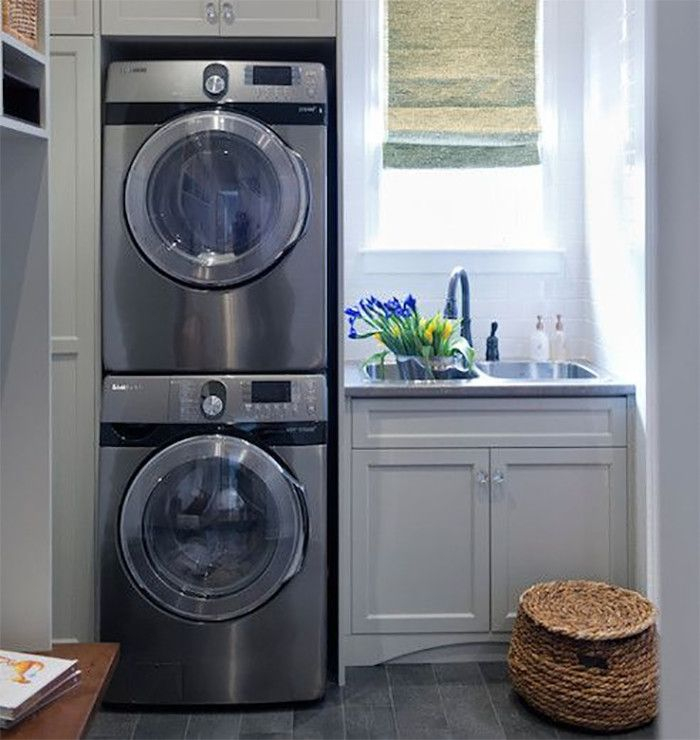
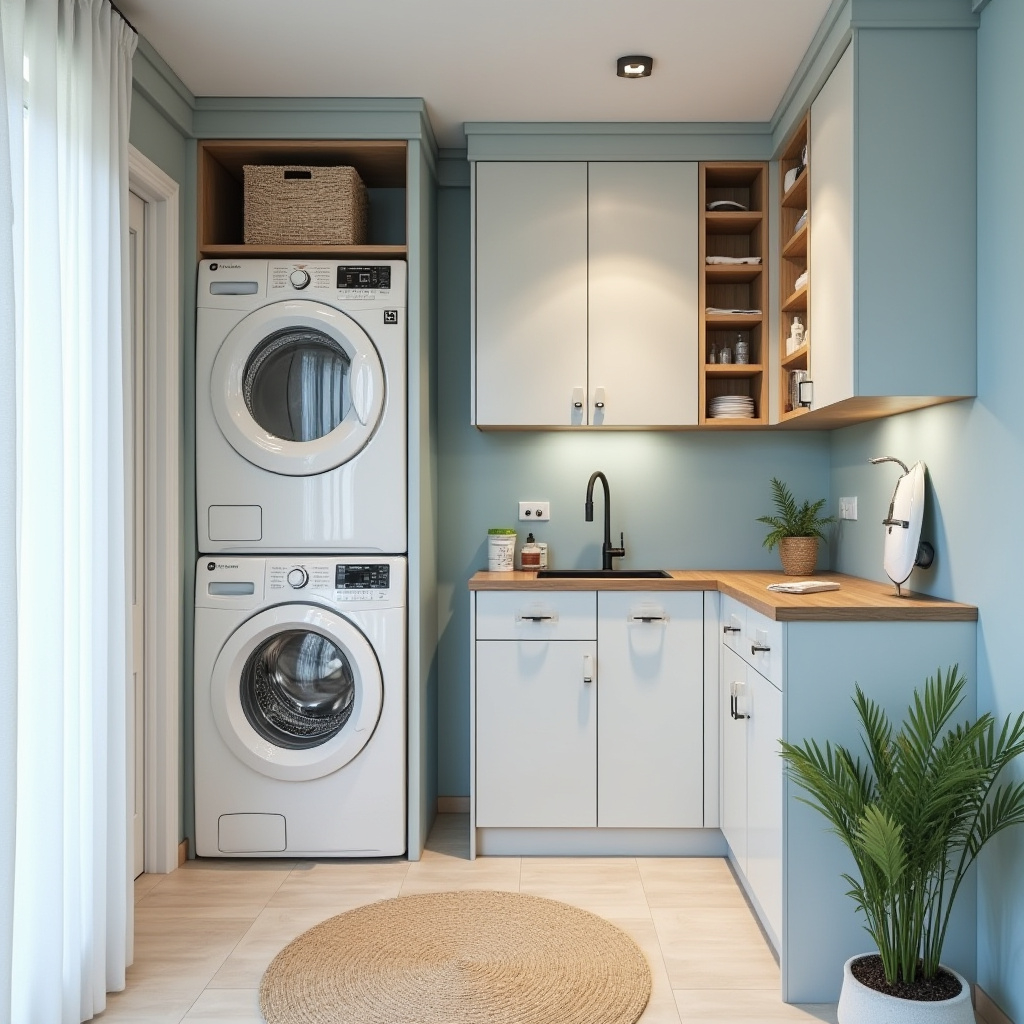
The heart of any good laundry room is its machines. Start with your family size and lifestyle. A small household might get by with a single load capacity, while larger families will want to consider double loads or even a separate washer and dryer. Energy Star certified models save money on utility bills and are generally quieter. Size matters too - top-load washers typically take up less floor space than front-loaders, but front-loaders often offer better cleaning performance and use less water. Some people prefer stackable units to save space, though they can be more expensive and may require special installation considerations. Think about your water connections and electrical requirements early on. Many older homes don't have adequate outlets for modern appliances, so plan ahead for any necessary electrical upgrades.
Plan Your Workflow Efficiency
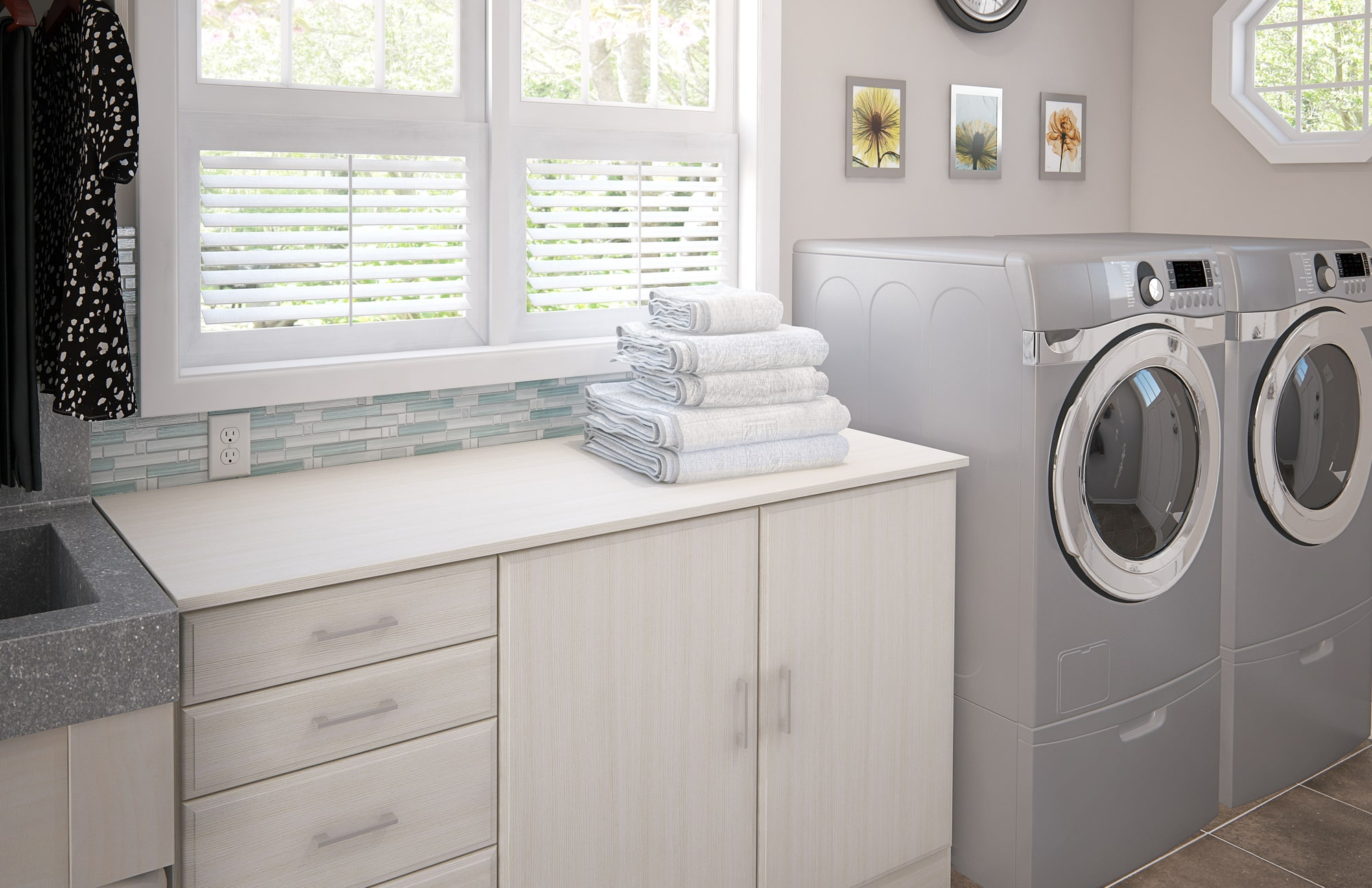
A smart layout considers the natural flow of laundry activities. You want to minimize walking distance between the washer and dryer, and ideally, you should be able to do everything from one spot. The classic workflow goes: load washer → wait for cycle → unload washer → move to dryer → load dryer → wait for cycle → unload dryer. This means your appliances should be arranged so you can move from one to the other easily. Many designers suggest placing the washer and dryer side-by-side rather than one behind the other, as this creates a more efficient path. Consider how you'll handle wet clothes - will they go directly to the dryer, or will you need space to air dry some items? Having a designated area for this flexibility can prevent chaos later.
Smart Storage Solutions
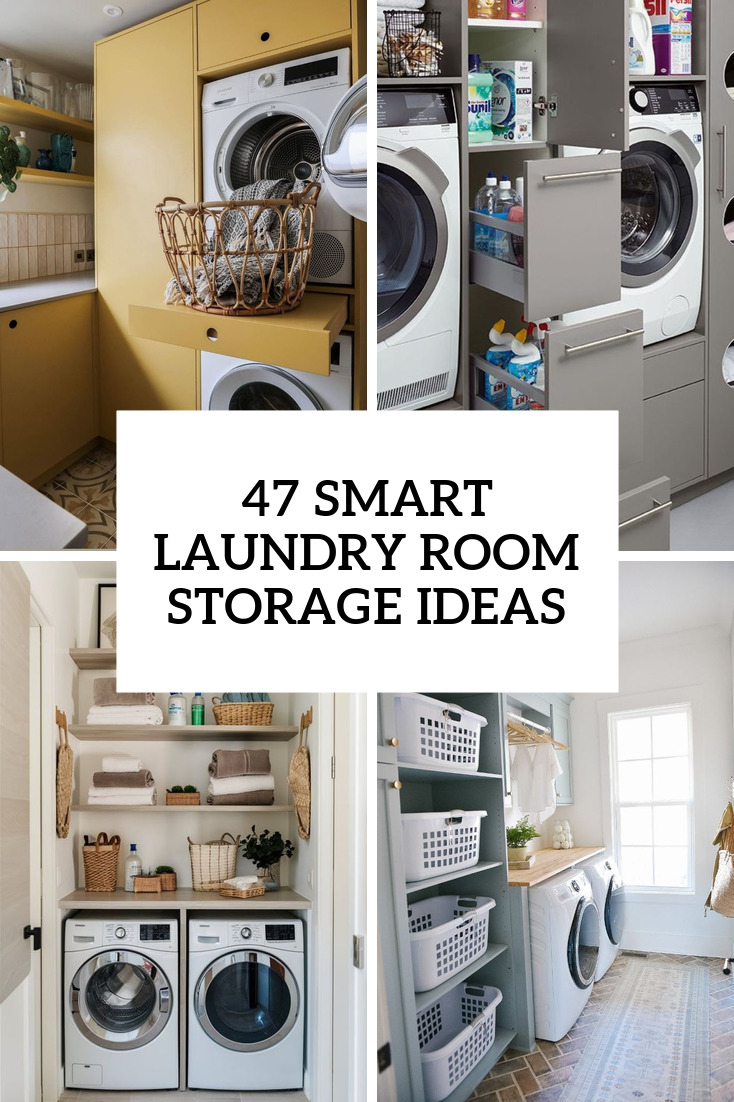
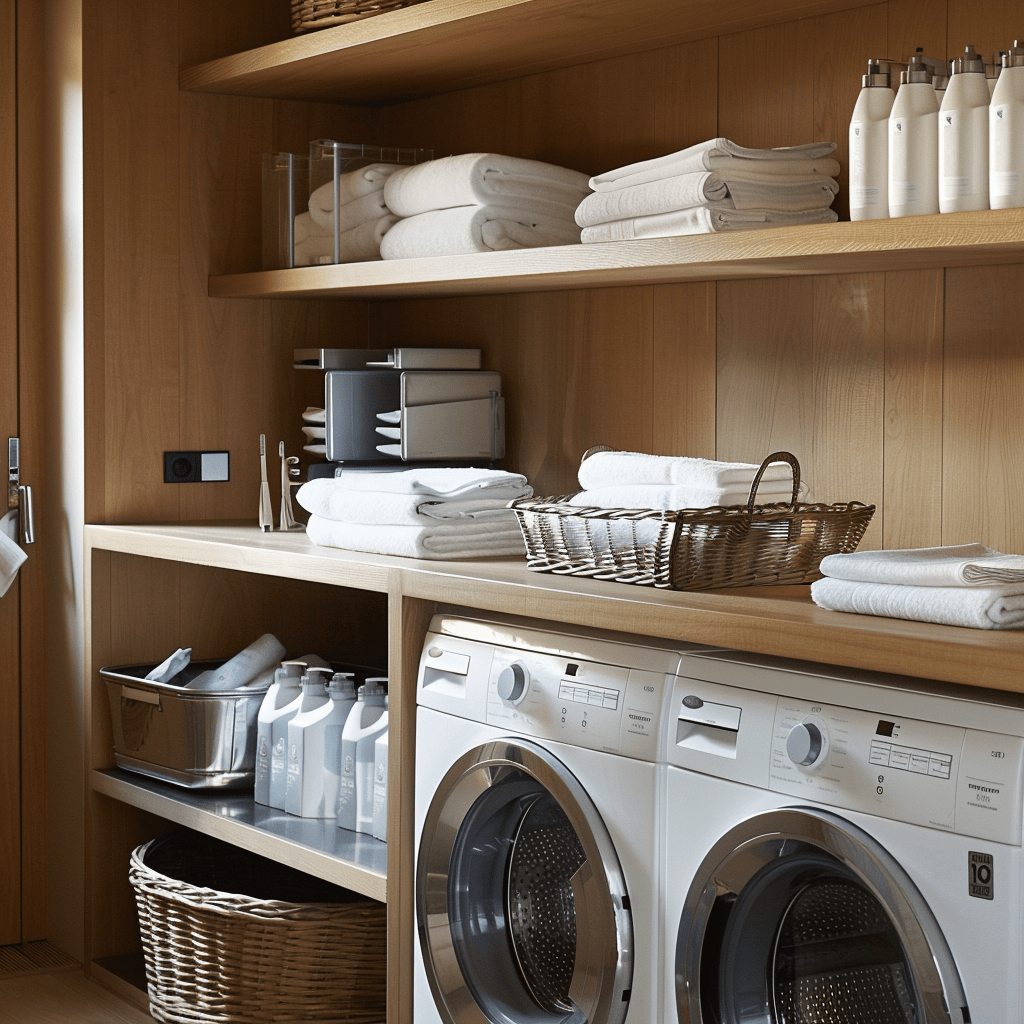
Storage isn't just about keeping things tidy - it's about accessibility and organization. Think about what you use regularly versus what you store occasionally. Frequently used items like detergent, fabric softener, and dryer sheets should be easy to reach. Consider pull-out drawers for smaller items, or shelves that you can adjust based on what you're storing. For larger items like cleaning supplies or seasonal linens, vertical storage solutions work well. Many people overlook the importance of having a designated place for lint filters, hangers, and other small items that tend to scatter. A simple shelf or basket can solve this problem instantly. Don't forget about hooks for bags or towels - they're surprisingly useful and take up minimal space.
Lighting and Ventilation
Proper lighting makes a huge difference in how comfortable your laundry room feels. Natural light is ideal, but if you're working with limited windows, good artificial lighting is essential. Task lighting over your work area helps with sorting and folding. Consider adding dimmer switches so you can adjust brightness for different activities. Poor ventilation can lead to moisture buildup and musty smells, especially after using the dryer. If you don't have adequate airflow, consider installing an exhaust fan or ensuring that any existing fan works properly. This is particularly important if you're using a gas dryer, which produces moisture and potentially harmful gases that need proper ventilation.
Finish with Functionality
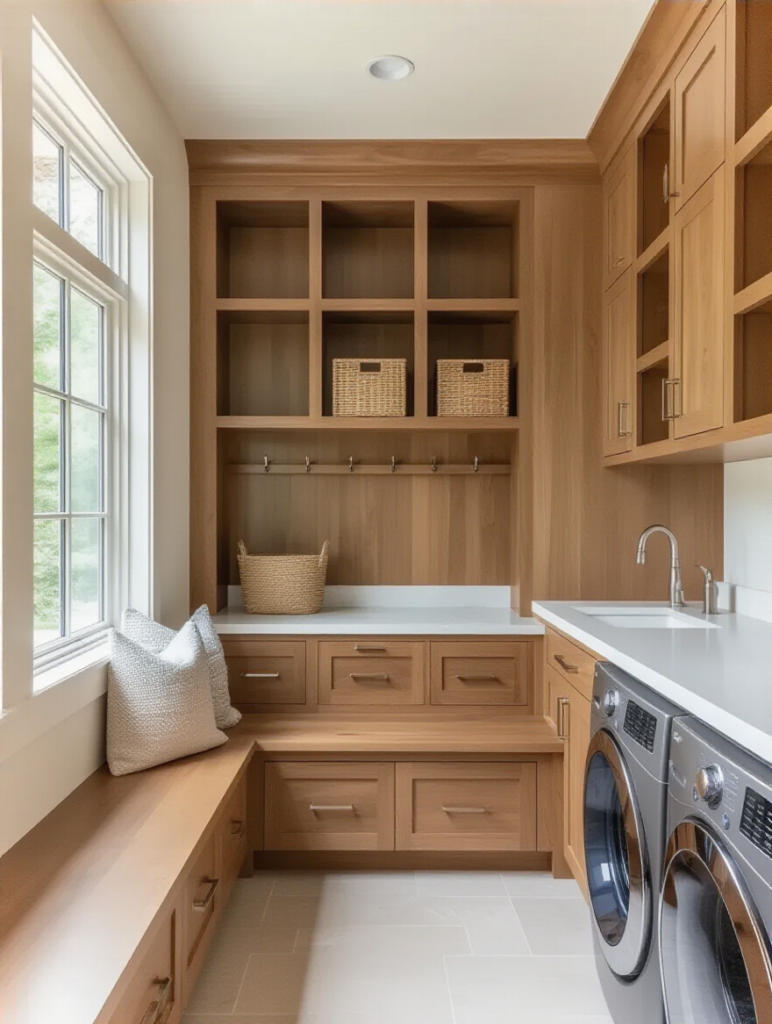
The final touches are what make a laundry room truly functional. Consider adding a small sink near the washing area for pre-treating stains or rinsing items. A small table or counter area provides a surface for sorting and organizing. Many people find that having a small bench or stool nearby makes the whole process more comfortable. The right flooring can make a big difference too - choose something that's easy to clean and won't show dirt easily. Rubber mats under appliances provide protection against vibration and noise, and they're easy to clean. Finally, don't forget about safety features like proper grounding for electrical outlets and ensuring that all connections meet current building codes. These details might seem small, but they're what keep your laundry room running smoothly for years to come.
Common Mistakes to Avoid
Even experienced designers sometimes fall into these traps:
• Not accounting for clearance space around appliances • Choosing appliances that don't fit the available space • Overlooking electrical and plumbing requirements • Neglecting storage needs for frequently used items • Ignoring workflow patterns and movement paths • Forgetting about proper lighting and ventilation
These issues can turn a promising project into a frustrating experience. It's always better to spend extra time upfront planning than to deal with costly changes later.
Making It Personal
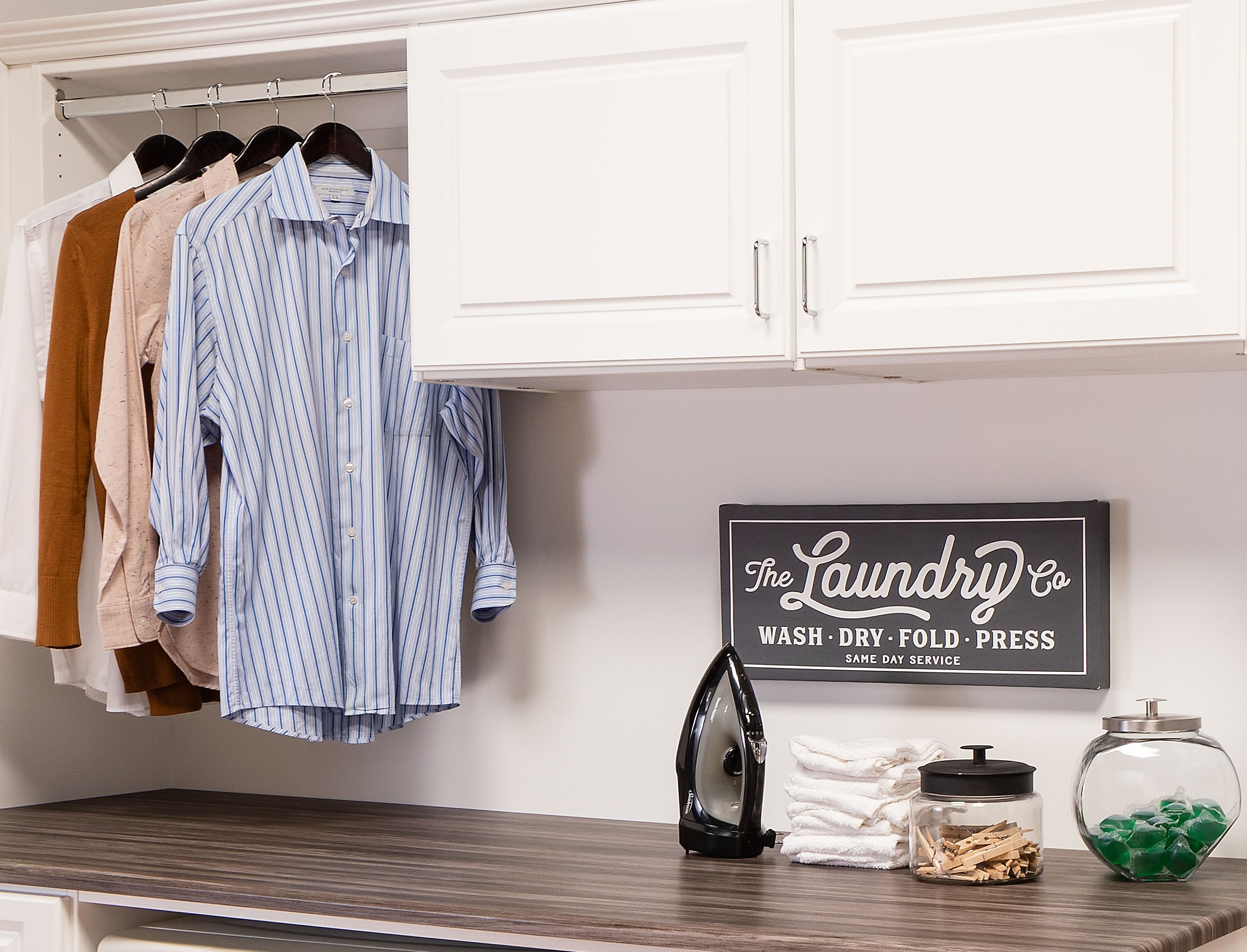
Your laundry room should reflect your personality and needs. If you're someone who loves organizing, consider adding decorative elements that serve a function. If you have children, think about how you'll manage toys and clothing that end up in the wash. Some people prefer to keep their laundry room as a purely functional space, while others enjoy adding personal touches like artwork or plants. The key is finding balance between aesthetics and usability. Remember that your laundry room will see daily use, so make sure it works for you now and in the future.
Designing a perfect laundry space isn't about following trends or copying someone else's setup. It's about understanding your specific needs and creating a solution that fits your lifestyle. When you take the time to carefully consider your space, appliances, workflow, and storage needs, you're setting yourself up for success. The result? A laundry room that works seamlessly, saves you time, and reduces stress. Whether you're starting from scratch or redesigning an existing space, remember that the most important thing isn't how fancy it looks - it's how well it functions for your day-to-day life. The investment you make in thoughtful planning today will pay dividends tomorrow.