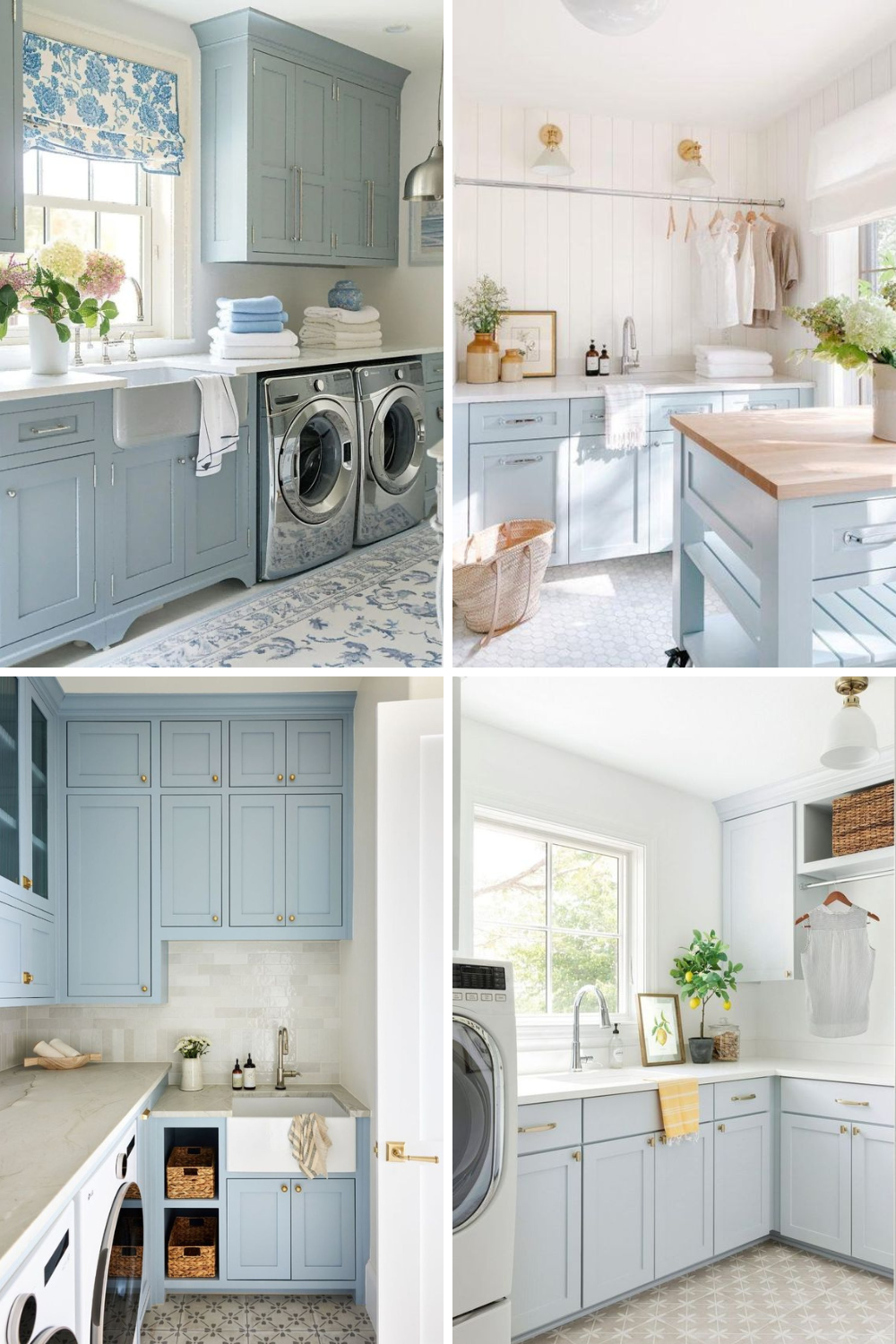
Ever walked into a room and felt like everyone was just... there? Like no one really wanted to talk to anyone else? That's because the space wasn't designed to encourage connection. But what if you could transform any area into a place where people naturally want to gather and chat? It's all about understanding how modular furniture can become the foundation for unforgettable conversations.
Let's be honest – we've all experienced those awkward moments when trying to start a conversation in a poorly designed space. Maybe you're at a party where chairs are scattered randomly, or at work where everyone sits facing away from each other. These aren't accidents. They're design choices. And the good news is that you can fix them. Modular furniture isn't just about rearranging pieces – it's about creating intentional spaces where people want to linger, share stories, and connect. Think of it as the invisible glue that holds relationships together in physical spaces. Whether you're redesigning a living room, office break area, or community center, the right modular approach can completely change how people interact with each other and the environment around them.
Understanding Modular Furniture Basics
Modular furniture isn't just a trendy buzzword – it's a fundamental shift in how we think about interior design. At its core, modular means 'made of modules' – pieces that can be combined, reconfigured, and adapted to fit different needs and spaces. What makes this so powerful for conversation areas is that it allows flexibility. You can start small with just a few pieces and expand as your needs grow. This adaptability means your space can evolve with your social habits. For instance, a simple modular sofa can become a compact seating arrangement for two people, or it can extend into a larger group configuration. The beauty lies in its simplicity – you're not dealing with complex assembly instructions or permanent installations. Instead, you're working with building blocks that respond to how people actually behave in real life. A modular chair might seem like a basic element, but when you add another one next to it, suddenly you have a natural conversation starter. It's almost like the furniture itself is asking people to sit closer together.
Key Principles for Effective Conversation Design
Creating spaces that naturally foster conversation requires more than just arranging furniture in a circle. You need to think about the psychology of interaction. First, consider the concept of 'facing' – people feel more comfortable when they can see each other's faces clearly. This doesn't always mean sitting directly across from each other, but rather positioning elements so that participants can easily make eye contact. Second, pay attention to the amount of personal space people need. Some folks thrive in tight quarters, while others prefer more breathing room. Modular systems let you adjust these distances. Third, think about accessibility. Everyone should be able to move freely between seats and have easy access to the center of the gathering. Consider how people enter and exit the space. Are there pathways that encourage movement, or do they get stuck trying to navigate around furniture? Finally, don't forget about the 'social zones' within your larger space. Sometimes you want intimate conversations, sometimes you want casual group chats. Modular furniture allows you to create multiple zones within one area. It's like having different rooms within one room, each designed for specific types of interaction.
Choosing the Right Modular Components
Not all modular furniture is created equal, especially when it comes to conversation spaces. The right components should feel both functional and inviting. Start with seating – you'll want pieces that are comfortable enough to encourage extended stays. Look for modular sofas that can be configured in various ways, from linear arrangements to L-shapes. The key is finding pieces that look good together and feel cohesive. Think about materials too. Wood gives warmth and stability, while metal offers modern appeal and durability. Fabric choices matter enormously – you want something that's easy to clean and comfortable to touch. When selecting modular tables, consider height variations. A low coffee table works well for casual settings, but you might also want a taller surface for activities like games or eating. The most important factor is ensuring that all components can be combined in multiple configurations. Don't buy pieces that only work in one setup. A truly flexible system will allow you to experiment with different arrangements. Test the pieces yourself – try moving them around, checking how they fit together, and seeing how they feel when used. Remember, the goal isn't just to fill a space – it's to create a space that invites people to engage with each other.
Layout Strategies for Different Room Types
Every room has its own personality, and that personality should guide your modular furniture choices. In a living room, you might want to create a cozy corner where people naturally gravitate toward each other. Try placing modular pieces in a semi-circle formation, with the focal point being a central coffee table or fireplace. The key here is creating intimacy without feeling cramped. In a dining area, modular tables can be arranged to accommodate different group sizes. A long modular table works great for family meals, while smaller sections can be pulled together for intimate dinners. Office spaces benefit from modular setups that encourage collaboration. Instead of traditional desks, consider modular seating that can be quickly rearranged for team meetings or brainstorming sessions. The challenge in offices is balancing productivity with social interaction. You want people to feel connected to their colleagues without being distracted from their work. For larger public spaces like libraries or community centers, modular furniture becomes even more important. These areas often serve multiple purposes throughout the day, so you need furniture that can adapt to changing needs. Think about how people move through these spaces and what types of interactions they might have. A library might need quiet reading areas that can be quickly transformed into discussion zones. The beauty of modular systems is that they offer this kind of flexibility without requiring permanent changes to the architecture.
Creating Visual Flow and Comfort
Good conversation areas don't just look good – they feel right. The visual flow of your space affects how people naturally move through it and where they choose to sit. Think about how light enters the room and how shadows fall on furniture. Natural light can make a space feel welcoming, while harsh lighting can create barriers. Position your modular pieces to take advantage of good lighting conditions. Consider layering textures and colors to create visual interest without overwhelming the senses. Soft fabrics, interesting wood grains, and contrasting tones can make a space feel lived-in and comfortable. But remember, comfort goes beyond just aesthetics. The right height relationships between seating and tables matter tremendously. If you're designing for conversation, make sure people can easily see eye-level with each other. Too much height difference can make some people feel uncomfortable or even intimidated. Also, consider how people will get in and out of seating positions. Are the pieces stable enough to support someone standing up? Do they provide adequate back support for long conversations? The best modular furniture solutions anticipate how people will actually use them, not just how they might look on paper. It's worth testing different configurations in person before making final decisions. Sometimes what looks good on a screen doesn't translate well to real-world usage.
Practical Tips for Implementation
Transforming your space starts with a few simple steps. First, assess your current situation. Where do people naturally gather? Where do they avoid going? Take note of existing furniture and identify gaps in your conversation areas. Then, plan your modular pieces strategically. Don't just scatter them randomly – think about the flow and purpose of each arrangement. Start with the basics: a few modular chairs and a table, perhaps a small modular sofa. From there, you can expand as needed. Consider investing in pieces that can serve multiple functions. A modular coffee table might double as a side table, or a modular chair could be repositioned for different uses. Don't overlook accessories like cushions, throws, or plants – these small touches can dramatically improve the feel of a space. They create personality and make people feel more at home. Finally, be patient with the process. Creating the perfect conversation area takes time and experimentation. Try different layouts over several weeks, paying attention to which arrangements make people most comfortable and engaged. You might discover that a particular configuration works better for certain times of day or specific types of gatherings. The most successful modular setups are those that evolve based on real human behavior, not just theoretical designs.
The art of creating conversation areas with modular furniture isn't just about arranging pieces – it's about understanding human nature and designing spaces that reflect our deepest needs for connection. When done right, modular furniture becomes the silent architect of relationships, guiding people naturally toward each other. The key is starting with intentionality. Every piece should serve a purpose in fostering interaction. Whether you're working with a small apartment living room or a large corporate lobby, the principles remain the same: prioritize comfort, encourage eye contact, and allow for flexibility. The best conversation areas are those where people don't even realize they're being encouraged to talk. They're simply drawn to the space because it feels right. Modest furniture gives you that control – it lets you shape the environment to match how people actually want to behave. So go ahead and experiment. Try new arrangements, test different combinations, and watch as your space begins to tell the story of the connections it fosters. The real magic happens when the furniture stops being just furniture and starts becoming part of the conversation itself.