Think dark furniture automatically shrinks a room? Think again. With a few clever techniques, those rich, deep tones can actually make your space feel more expansive and sophisticated than you ever imagined. It’s all about understanding the principles of illusion and applying them with intention.
We often associate lightness with spaciousness, and for good reason. Pale colors and minimalist designs tend to reflect light, giving rooms an open feel. But what if you adore the drama and depth that dark furniture brings? Does that mean you’re destined for cramped quarters? Absolutely not! The truth is, dark furniture, when used strategically, can be a powerful tool in creating an illusion of airiness. It’s less about the color and more about how you orchestrate the elements around it. Let's dive into how to master this seemingly counterintuitive design trick and transform your home into a space that feels both cozy and capacious.
Embrace Verticality: Drawing the Eye Upward
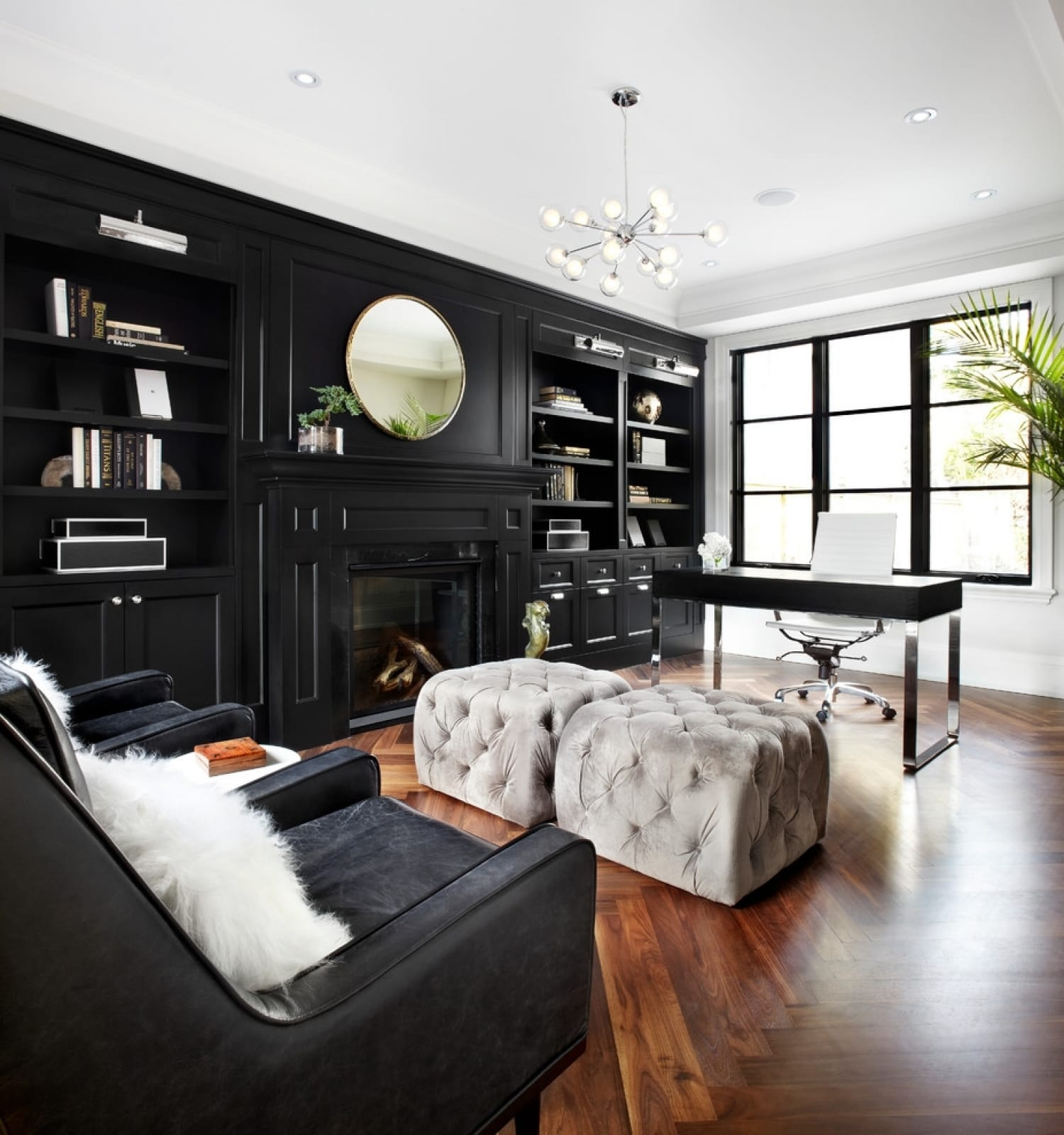
One of the simplest yet most effective ways to create an illusion of height and space is to draw the eye upward. Dark furniture, especially pieces that have clean lines and are placed strategically, can help with this. Think tall, slender bookshelves or a dark, floor-to-ceiling media unit. These vertical elements guide the gaze towards the ceiling, making the room feel taller than it is.
Even a dark sofa can contribute if you pair it with tall, slim floor lamps or artwork hung slightly higher than usual. The key is to create a sense of upward momentum. Consider the proportions of your furniture relative to your ceiling height. Overly bulky or low-slung dark pieces might have the opposite effect, so choose wisely.
- Tip: Use tall, dark curtains that extend from the ceiling to the floor to further emphasize verticality.
- Example: A deep navy velvet sofa paired with a tall, dark wood bookcase and a large, abstract painting that reaches towards the ceiling can make a living room feel grander.
The Magic of Negative Space: Breathing Room is Key
This might sound obvious, but it bears repeating: don't overcrowd your room with dark furniture. The very essence of an airy space is the presence of open areas, or negative space. When you introduce dark, substantial pieces, it becomes even more crucial to allow them room to breathe.
This means decluttering ruthlessly and ensuring there's ample floor space visible around your furniture. Instead of pushing everything against the walls, consider floating a sofa or a console table in the middle of the room, provided there's enough space. This creates pathways and visual flow, making the room feel less confined.
- Think about it: If you cram a dark, heavy armchair into a tiny corner, it will undoubtedly feel oppressive. But if that same armchair is placed with a clear path to the window and a small side table, it can look quite intentional and chic.
- Actionable advice: Aim for at least 2-3 feet of clear space around major furniture pieces. Regularly go through your belongings and donate or discard anything that doesn't serve a purpose or bring you joy.
Light and Reflection: The Counterbalance
Dark furniture absorbs light, so to combat this and create an airy feel, you need to introduce elements that reflect light. Mirrors are your best friend here. Strategically placed mirrors can bounce light around the room, creating the illusion of depth and making the space feel larger. A large mirror opposite a window is a classic trick that works wonders.
Beyond mirrors, consider reflective surfaces in your decor. Think glossy finishes on side tables, metallic accents in lamps and picture frames, or even a crystal chandelier. These elements will catch and scatter light, softening the impact of the dark furniture and brightening the overall atmosphere.
- Consider: A dark mahogany dining table can feel much lighter in a room that features a large, ornate mirror on one wall and a cluster of pendant lights with glass shades above it.
- Don't forget: Light-colored walls and ceilings are essential. They act as a canvas, reflecting the light and making the dark furniture pop in a sophisticated way, rather than making the room feel dim.
Color Harmony: Creating a Cohesive Palette
The surrounding color palette plays a massive role in how dark furniture is perceived. To make a room feel airy, even with dark pieces, you need to create a harmonious and intentional color scheme.
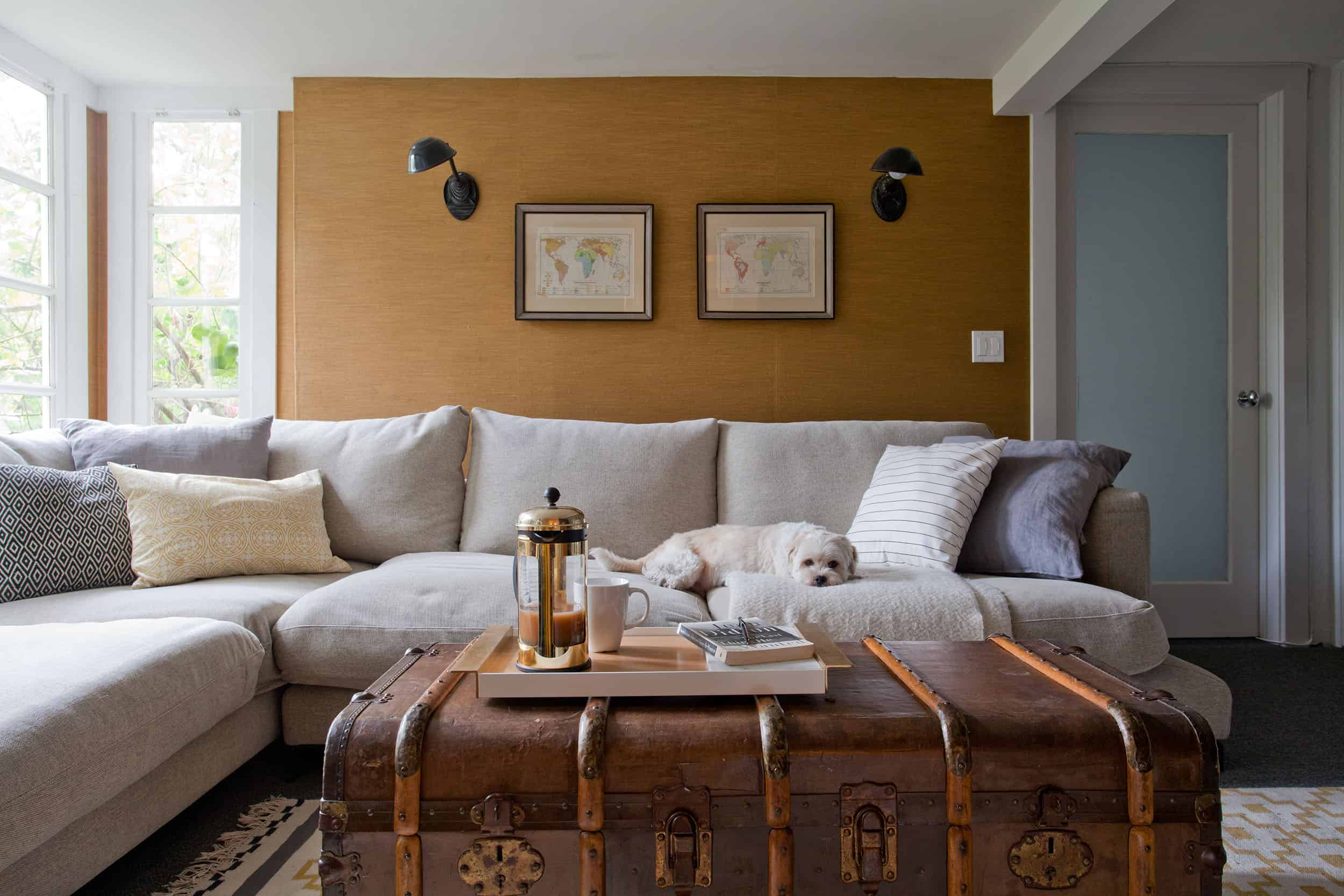
Pairing dark furniture with lighter, complementary colors on your walls, rugs, and accent pieces will create contrast and prevent the room from feeling like a cave. Think about a deep charcoal sofa with soft cream walls, a light grey rug, and pops of blush pink or sky blue in your throw pillows and artwork. This contrast makes the dark furniture a focal point without overwhelming the space.
- Rule of thumb: Aim for a color ratio where at least 70% of the room is light, 20% is mid-tone, and only 10% is dark. This ensures lightness dominates.
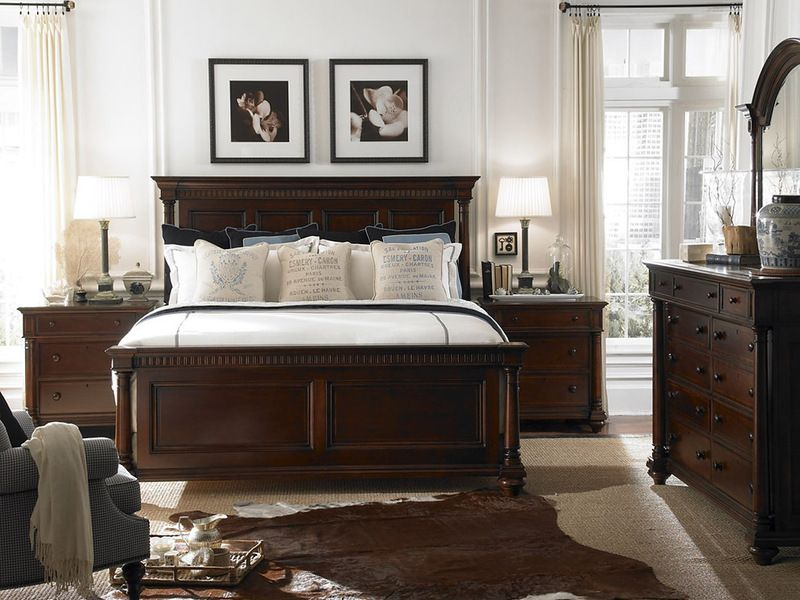
- Experiment: A rich espresso-colored bed frame can look incredibly elegant in a bedroom painted a soft sage green, with crisp white bedding and light wood nightstands. This balance prevents the dark wood from feeling heavy.
Strategic Lighting: Illuminating the Darkness
Good lighting is non-negotiable when you’re working with dark furniture. It’s not just about brightness; it’s about layering light to create depth and ambiance.
Ambient lighting (like overhead fixtures) provides general illumination. Task lighting (like reading lamps) adds functionality. Accent lighting (like spotlights on artwork) creates focal points and drama. By using a combination of these, you can strategically illuminate different parts of the room, reducing shadows and making the space feel more open and inviting.
- Pro tip: Dimmers are your best friend. They allow you to control the intensity of light, adapting the mood from bright and airy during the day to cozy and intimate in the evening.
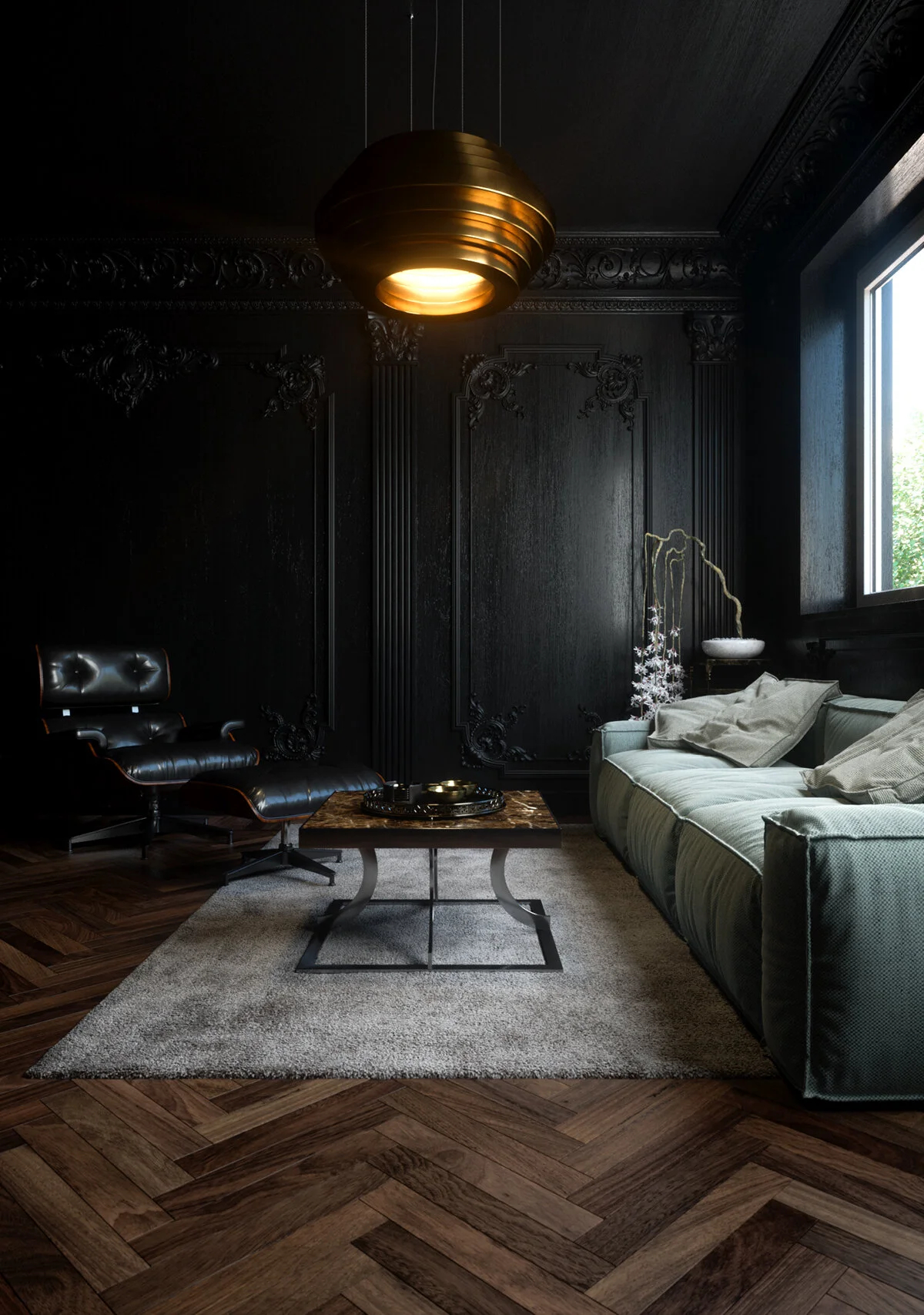
- Consider: A dark leather armchair can be a cozy reading nook, but it needs a good floor lamp beside it and perhaps a small wall sconce above to ensure it doesn't feel like a dark void. Uplighting a dark bookcase can also highlight its texture and make it feel less imposing.
Texture and Transparency: Adding Lightness and Interest
Don’t let dark furniture be the only texture in your room. Introducing lighter, more delicate textures can create a beautiful contrast and add to the airy feel. Think sheer curtains, light-colored throws, delicate rugs, and houseplants.
Also, consider incorporating transparent elements. Glass-top coffee tables, acrylic chairs, or open-shelving units can make a space feel lighter and more open because you can see through them. They don’t visually block the space in the same way solid, dark pieces do.
- Think visually: A heavy, dark wood dining table can be balanced with chairs that have slender, metallic legs and upholstered seats in a lighter fabric.
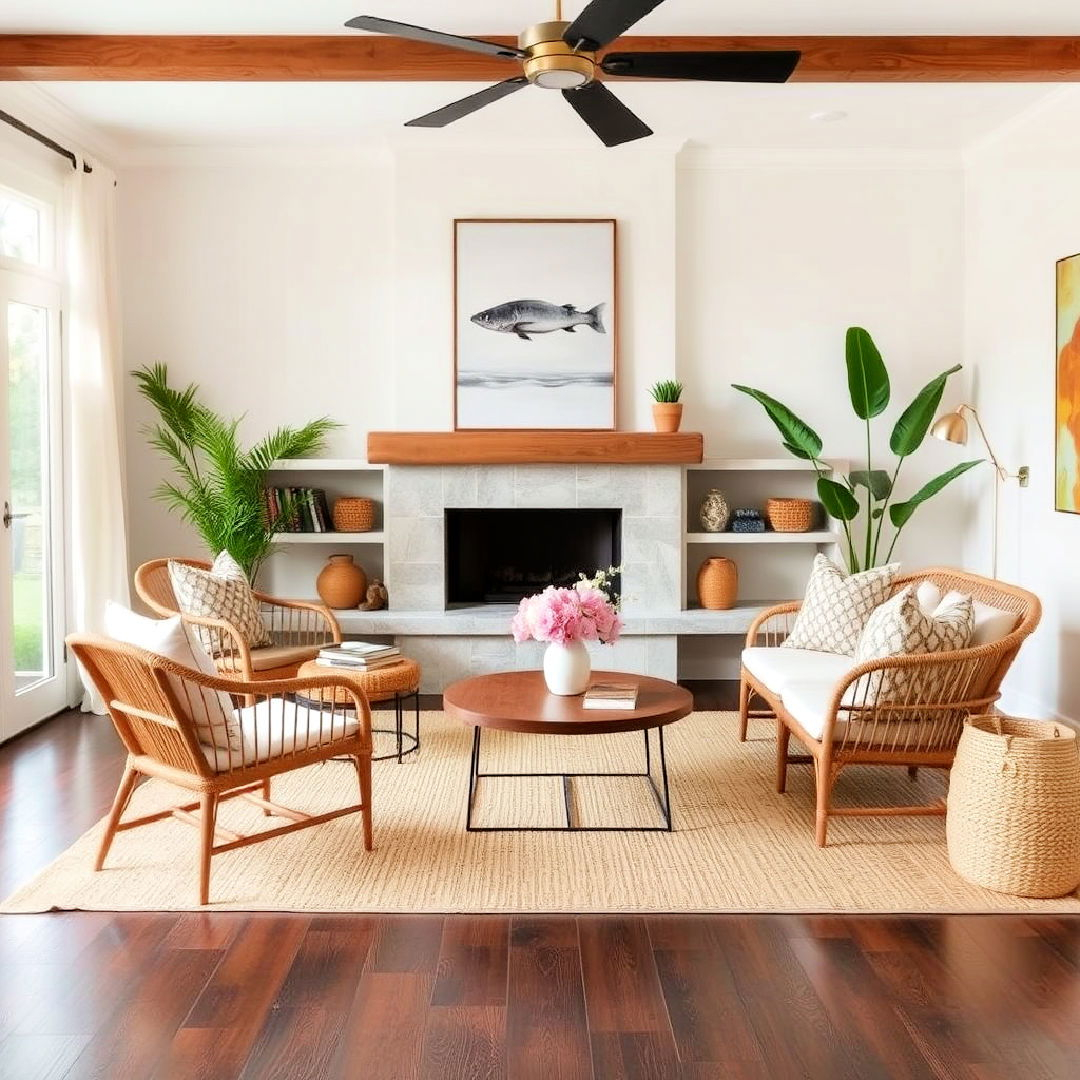
- Bring in nature: Plants, especially those with lighter green leaves, bring life and a sense of openness to a room, even when surrounded by darker decor. Their organic shapes and vibrant color offer a refreshing counterpoint.
So, there you have it. Dark furniture doesn't have to mean a dark, cramped home. By artfully employing principles of verticality, negative space, light reflection, color harmony, strategic illumination, and textural contrast, you can absolutely create an illusion of airiness and spaciousness. It's about thoughtful design and understanding how different elements interact. Embrace the richness and drama of dark hues, and you'll discover a sophisticated way to make your rooms feel both grand and inviting. It’s a beautiful dance between shadow and light, and with these tips, you’re ready to lead the way.