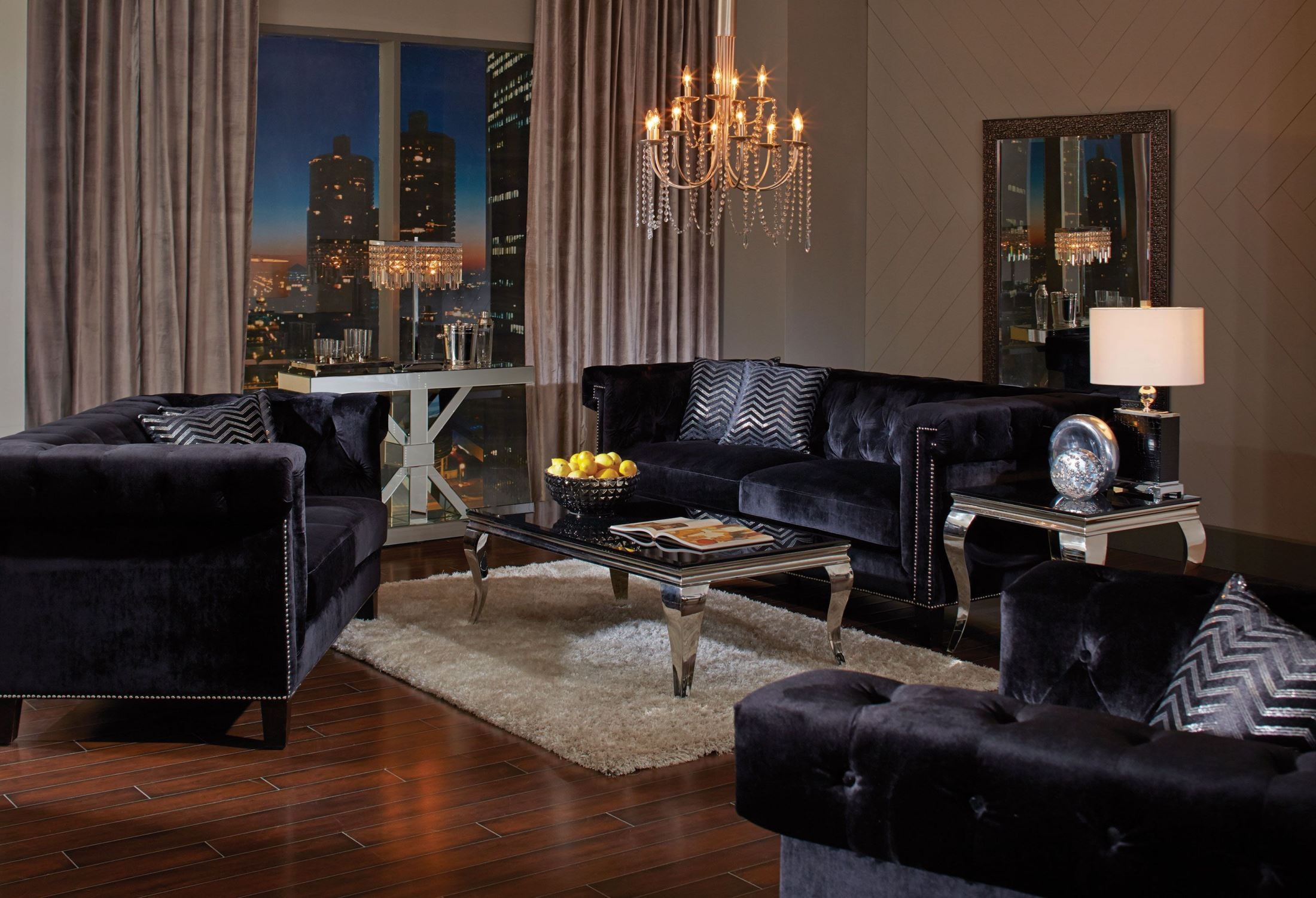
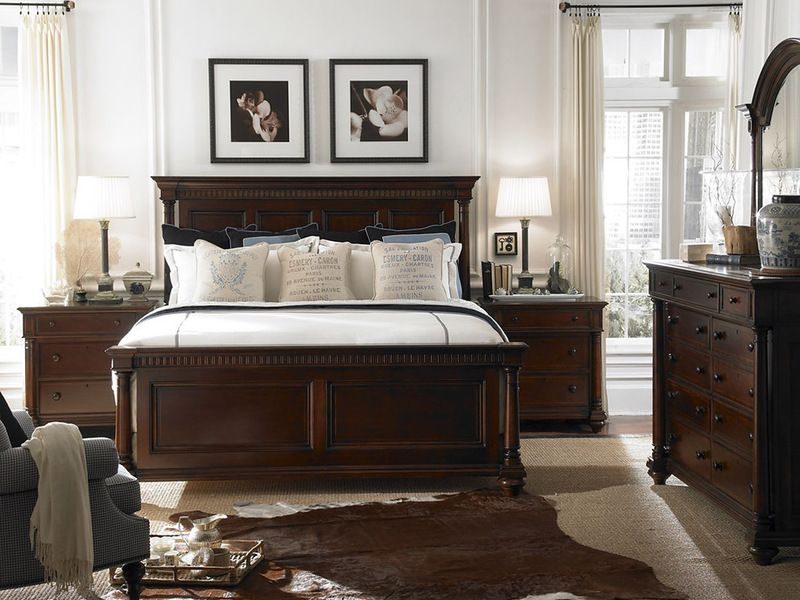
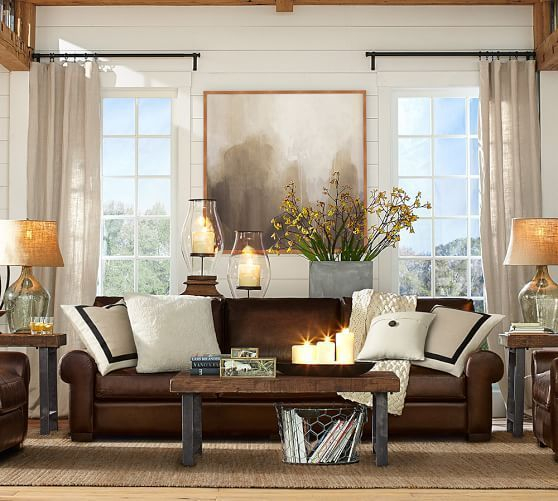
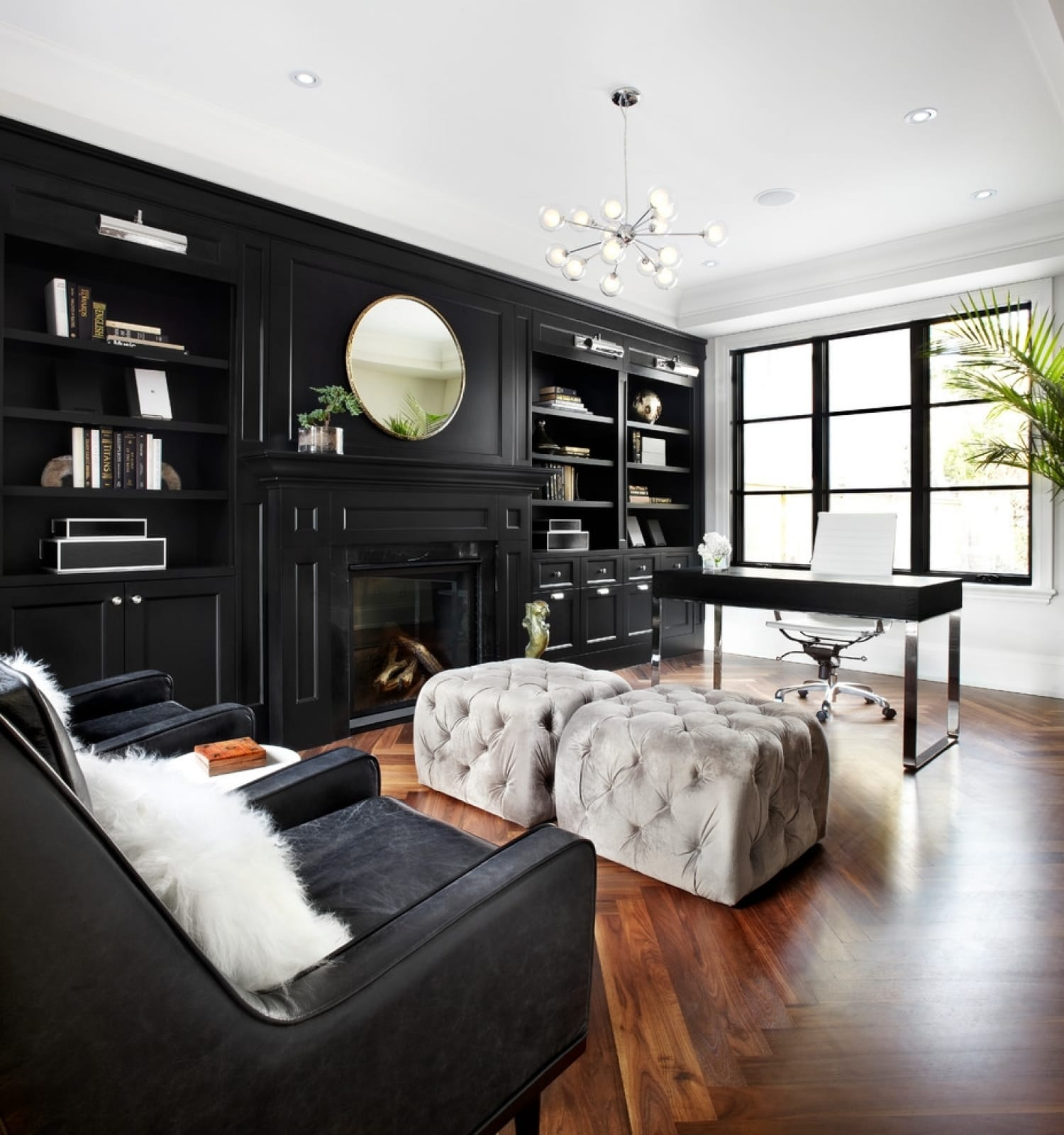
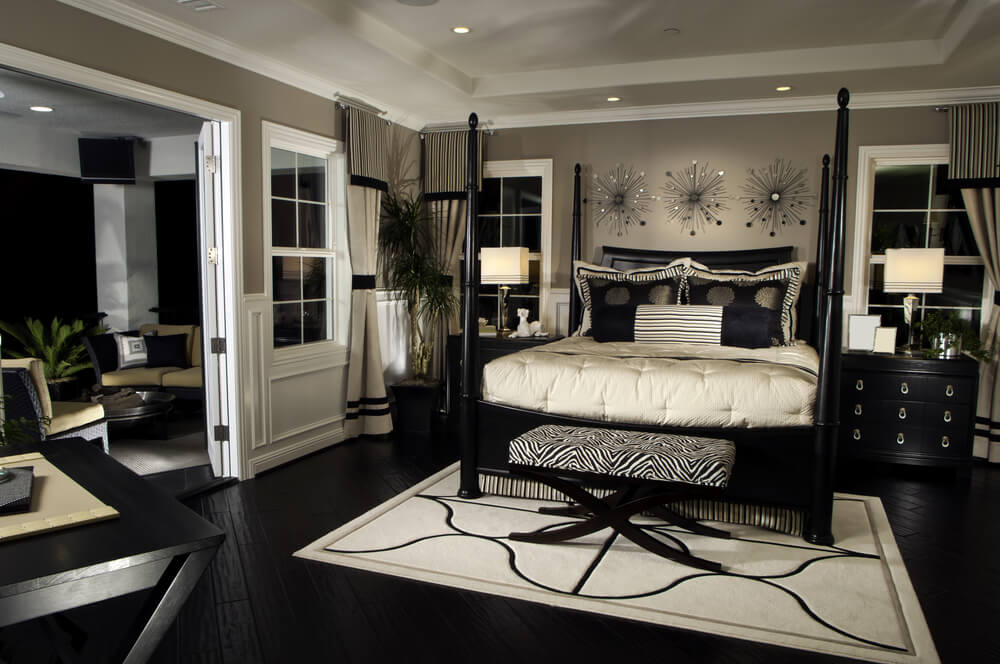
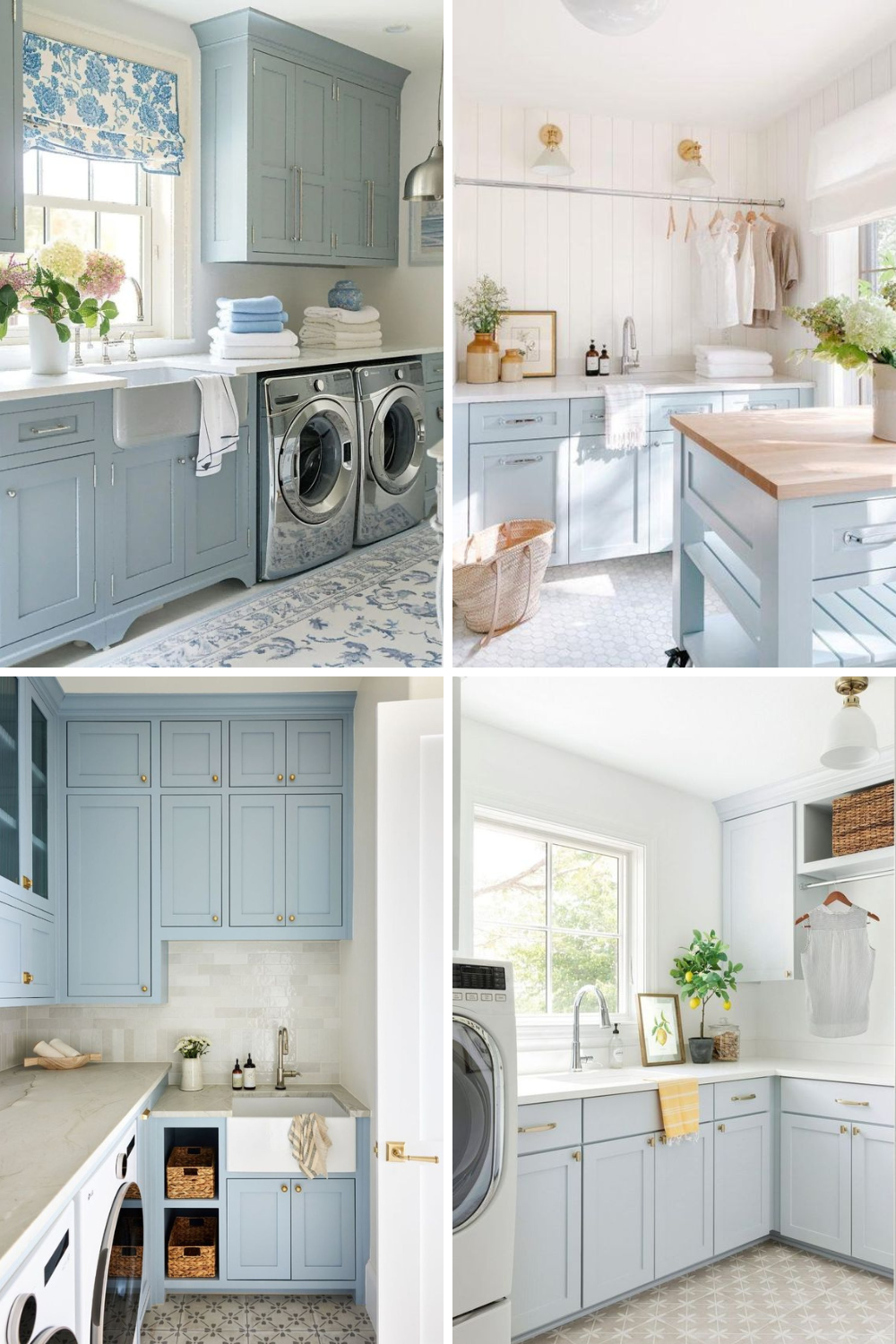
Think dark furniture means a dim room. Think again! It's entirely possible to create a brilliantly lit and airy atmosphere, even with deep, rich hues in your furnishings. This isn't about chasing away the shadows; it's about understanding how light interacts with your space and using your dark pieces to their best advantage. Let's explore how.
So, you love the sophisticated, grounded feel that dark furniture brings to a room. Whether it's a deep mahogany dining set, a charcoal grey sofa, or ebony bookshelves, these pieces add a certain gravitas. But then comes the worry: will my room feel like a cave? It's a common concern, and a valid one. The good news is, with a few smart strategies, your dark furniture can actually help enhance the brightness of your space, rather than detract from it. It’s all about a clever dance between shadow and light.
Harnessing Natural Light: Your Room's Best Friend
Natural light is the most beautiful and cost-effective way to brighten any room. With dark furniture, you need to be extra mindful of how you let this precious light in.
- Window Treatments: Opt for light and airy curtains. Think sheer fabrics, linen blends, or even just simple blinds that can be fully opened. Avoid heavy, dark drapes that will absorb light. If you need privacy, consider layering. A sheer curtain for diffused light and a blackout roller blind for when you need darkness.
- Mirror Magic: Mirrors are your secret weapon. Place a large mirror opposite a window. It will reflect the incoming light, doubling its impact and making the room feel significantly larger and more illuminated. Even smaller decorative mirrors strategically placed can make a difference.
- Clear Pathways: Ensure there are no large, dark obstructions blocking windows. Keep furniture placement thoughtful so light can flow freely into the space.
- Declutter: A cluttered space can feel dim, regardless of furniture color. Keep surfaces clear and organized to allow light to bounce around.
The Power of Paint: Creating a Luminous Backdrop
The walls and ceiling are the largest surfaces in your room, and their color plays a monumental role in how bright it feels.
- Light Colors are Key: This might seem obvious, but it bears repeating. White, off-white, pale grey, soft pastels, and even light, warm beiges are excellent choices. They reflect light, making the entire room feel more spacious and airy, and providing a beautiful contrast to your darker furniture.
- Consider the Finish: A satin or eggshell finish on your walls will have a slight sheen, reflecting more light than a matte finish. For ceilings, a flat, bright white is usually best to maximize upward light reflection.
- Accent Walls (with caution): If you love color, consider a single accent wall in a slightly deeper shade, but keep the other walls light and bright. This can add depth without overwhelming the space with darkness.
Strategic Lighting: Beyond the Overhead Fixture
Artificial lighting is where you have a lot of control. Don't rely on just one central light. Layering different types of lighting creates ambiance and ensures every corner is well-lit.
- Ambient Lighting: This is your general illumination. Think recessed lights, a stylish ceiling fixture that diffuses light softly, or even wall sconces.
- Task Lighting: These are lights for specific activities. A floor lamp next to your reading chair, under-cabinet lighting in the kitchen, or a desk lamp in your home office. These lights draw attention to areas and make them functional.
- Accent Lighting: Use this to highlight artwork, architectural features, or plants. Spotlights or picture lights can add drama and depth.
- Warm Bulbs: Opt for light bulbs with a warmer color temperature (around 2700K to 3000K). This creates a cozy and inviting atmosphere, preventing the room from feeling sterile, which can happen with overly cool or bright white light. And don't forget dimmer switches. They give you ultimate control over the mood and brightness.
The Role of Textiles and Accessories: Don't Underestimate Them!
The smaller details can make a huge difference in how light behaves and feels in your room.
- Rugs: A light-colored rug can break up a large expanse of dark flooring and visually lift the room. Consider cream, light grey, or a rug with a subtle, light pattern.
- Throw Pillows and Blankets: Introduce lighter colors and brighter hues through your soft furnishings. These are easy to swap out seasonally, offering flexibility.
- Metallic Accents: Think gold, silver, brass, or copper. These finishes are reflective and will catch and bounce light around the room. Use them in lamps, picture frames, decorative objects, and even furniture hardware.
- Artwork: Choose artwork with lighter backgrounds or vibrant colors to add pops of brightness. Even a dark frame can be balanced by a light matting and a bright image.
Flooring Choices: A Foundation for Light
Your flooring is a significant element that impacts the overall brightness of a room, especially when you have dark furniture.
- Light Wood or LVT: If you're choosing new flooring, lighter wood tones, light laminate, or luxury vinyl tile (LVT) in pale shades can make a dramatic difference. They act like a large, light-reflecting surface.
- Carpet Colors: For carpeted spaces, opt for light to medium neutral tones. Avoid very dark carpets that can absorb light and make the room feel heavy.
- Area Rugs: As mentioned, a well-placed area rug is a fantastic way to lighten up darker floors and unify your seating area. A rug with a light base and a pattern can add visual interest without making the space feel smaller.
Balancing Dark Furniture with Lighter Elements
The key to making dark furniture work in a bright room is balance. It's not about eliminating the dark pieces, but about ensuring they don't dominate the space visually.
- Create Visual Breaks: Use lighter colored side tables, coffee tables, or ottomans to break up the mass of a dark sofa or sectional.
- Negative Space: Don't overcrowd the room. Allow for plenty of open space. This 'breathing room' allows light to circulate and prevents the dark furniture from feeling oppressive.
- Color Palette Harmony: Ensure your overall color scheme supports brightness. Even with dark furniture, think about lighter wall colors, lighter flooring, and lighter accessories. This creates a cohesive and inviting environment. It’s about creating a dialogue between your dark pieces and the light in the room.
See? Dark furniture doesn't have to mean a dark room. By thoughtfully incorporating light-reflecting elements, strategic lighting, and a balanced color palette, you can create a space that feels both sophisticated and wonderfully bright. It’s about working with your furniture, not against it. Embrace the contrast, play with light, and enjoy a home that feels as inviting and luminous as you’ve always wanted it to be. Your beautifully lit sanctuary is well within reach!