When we think about furniture, color often takes center stage. But what about how it feels? The sensation of upholstery against your skin can dramatically alter your perception of comfort and luxury. Today, we're diving deep into the often-overlooked world of left brown upholstery and exploring the nuanced ways its touch can truly transform a space. It's not just about the shade of brown; it's about the materials, the weave, and how it all comes together to create a sensory experience.
You know that feeling when you sink into a perfectly upholstered chair? It’s a combination of support, softness, and a certain coziness that’s hard to describe. For left brown upholstery, this tactile experience is particularly fascinating. Think about it – brown can range from the deep, rich tones of dark chocolate to the lighter, airy hues of sand. And within that spectrum, the 'left brown' designation hints at specific undertones and qualities that influence its feel. We're going to unravel what makes this particular shade and its fabric choices so special, moving beyond mere aesthetics to the very essence of how it interacts with us.
Material Matters: The Foundation of Feel
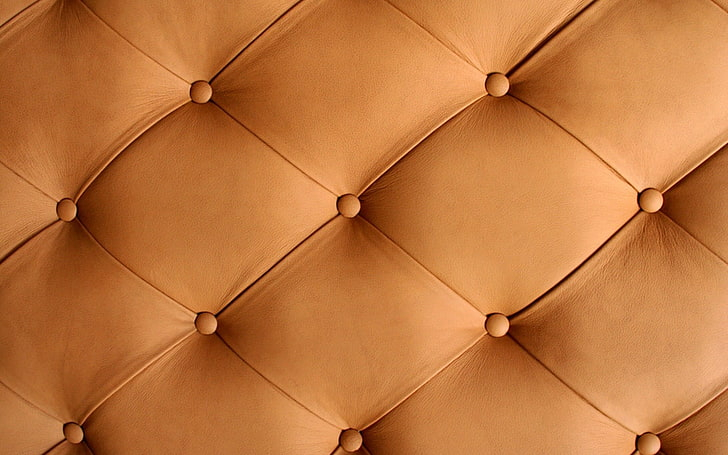
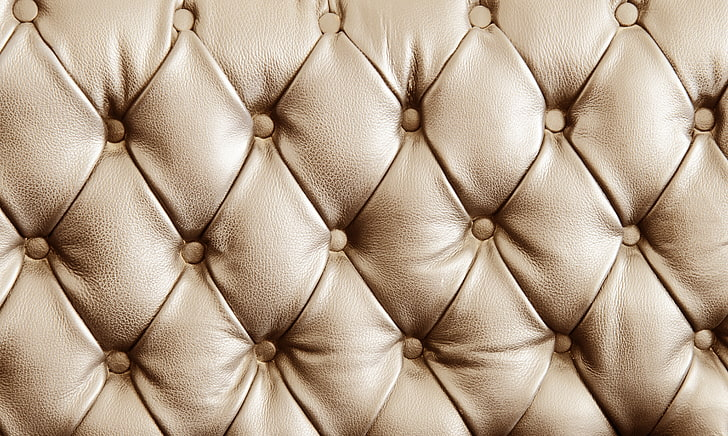
The most significant factor influencing the touch of any upholstery, including left brown, is the material itself. Leather, for instance, offers a distinct sensation. Think of supple, worn-in leather that feels smooth and slightly cool to the touch, perhaps with a subtle grain. It often has a unique, earthy aroma that adds to its sensory appeal. Then there's fabric. A velvet in a left brown shade will feel plush and inviting, with a dense pile that creates a luxurious softness. A linen or cotton blend, on the other hand, might offer a more breathable, slightly textured feel, perhaps with a natural crispness. Even within these broad categories, variations abound. A tightly woven chenille will feel dense and velvety, while a looser weave might have a more open, breathable texture. It’s all about the fibers and how they're constructed into the final fabric.
Texture: The Surface Story
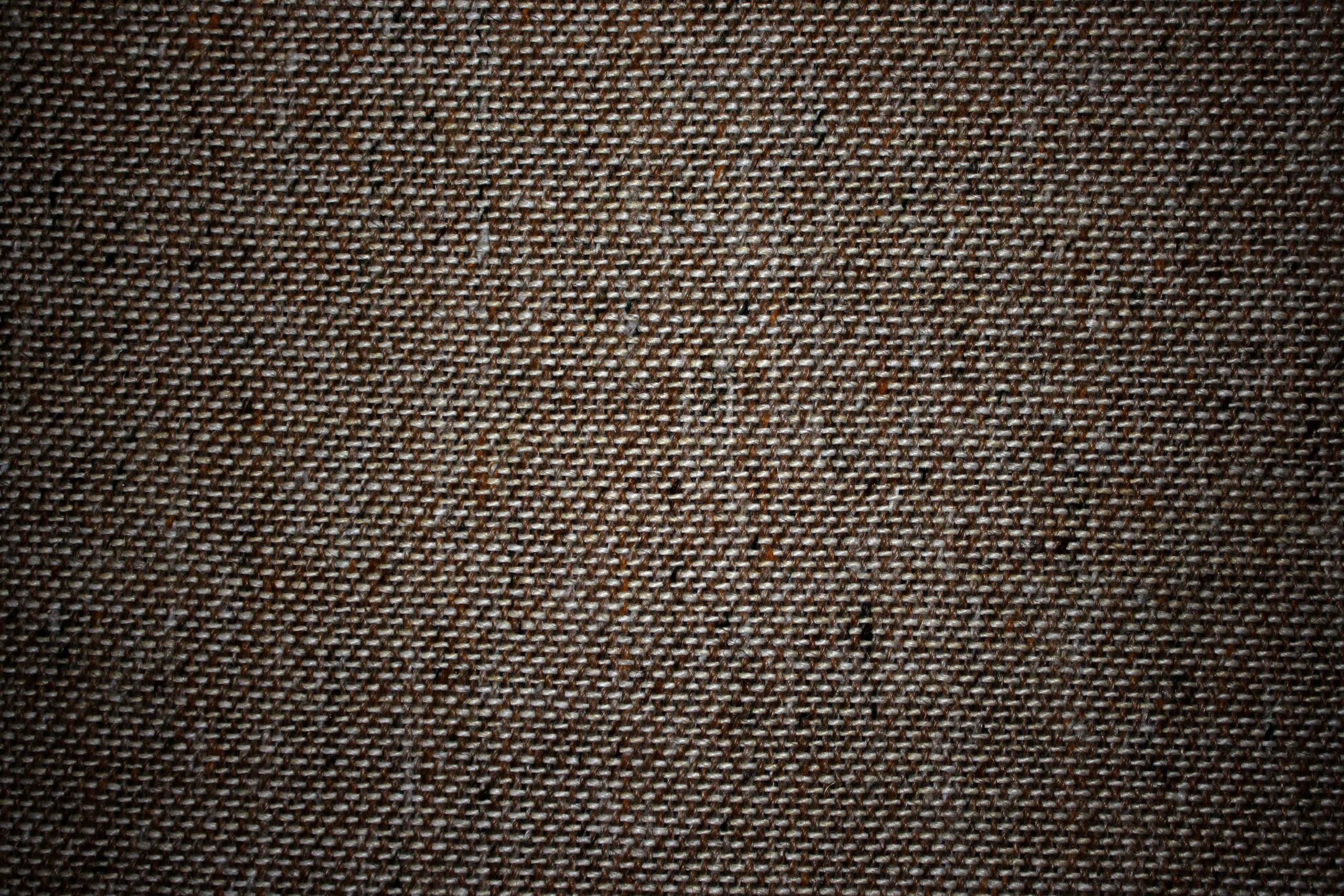
Beyond the base material, the texture of the upholstery plays a crucial role. Imagine running your hand over a smooth, almost silken fabric in a left brown hue. It glides effortlessly, offering a feeling of refined elegance. Now, picture a nubby tweed or a boucle in a similar brown. These have a more pronounced surface, with bumps and loops that create a more tactile, almost rustic sensation. This texture can affect how the fabric feels against your skin – is it a gentle caress or a more engaging interaction? For left brown upholstery, the interplay of color and texture can create a very specific mood. A smooth, dark brown might feel sophisticated and grounding, while a textured, lighter brown could evoke a sense of natural warmth and comfort. It’s like the difference between a polished stone and a piece of driftwood; both are beautiful, but their feel is worlds apart.
Weave and Construction: The Hidden Depths
The way the fabric is woven, or how the upholstery is constructed, also contributes immensely to its touch. A dense, tight weave can make a fabric feel more robust and perhaps a little firmer, offering better support. Think of a well-made twill in a left brown shade; it feels sturdy and dependable. Conversely, a looser weave, or a fabric with a raised pattern, might feel softer and more yielding. The way the cushions are filled – whether with down, foam, or a blend – also impacts the overall sensation. A plush, overstuffed cushion will feel sink-in soft, while a firmer, foam-filled one will provide more structure. These details might not be immediately obvious, but they significantly shape the tactile experience of sitting on or touching the furniture. It’s the craftsmanship that truly elevates the feel.
Temperature and Breathability: Comfort Through the Seasons
The touch of upholstery isn't just about texture; it's also about how it interacts with your body temperature. Natural fibers like linen and cotton tend to be more breathable, allowing air to circulate and keeping you cooler in warmer months. Leather, while sometimes feeling cool initially, can also retain heat. Synthetic fabrics can vary widely; some are designed for breathability, while others can feel warmer and potentially a bit clammy. For left brown upholstery, consider the climate you live in. If you're in a warm region, a more breathable fabric might be preferable for consistent comfort. In cooler climates, a fabric that offers a bit more warmth, like a plush velvet or a soft chenille in a rich left brown, could be incredibly inviting. It’s about finding that balance that feels just right, year-round.
The Psychological Impact of Left Brown's Touch
There’s a reason certain colors and textures feel more comforting than others. Brown, in general, is often associated with earthiness, stability, and warmth. That 'left brown' nuance, particularly if it leans towards warmer, reddish, or golden undertones, can amplify these feelings. The touch of such upholstery can evoke a sense of grounding and security. Imagine a cozy reading nook with a left brown armchair that feels soft and slightly enveloping; it’s a space designed for relaxation and introspection. The tactile sensation becomes an integral part of the psychological comfort the furniture provides. It’s not just about looking good; it’s about feeling good, too. The way the material yields to your touch, the subtle warmth it might offer – these elements contribute to an overall sense of well-being and contentment within your home.
Bringing it All Together: Choosing Your Perfect Feel
So, how do you select left brown upholstery that offers the touch you desire? It starts with understanding your preferences. Do you crave the smooth, cool feel of fine leather or the deep, plush softness of velvet? Are you looking for the breathable, textured comfort of linen or the cozy embrace of a chenille? Don't be afraid to visit showrooms and actually touch the fabrics. Feel the weight, the texture, and imagine yourself interacting with it daily. Consider the specific undertones of the 'left brown' you're drawn to and how they might pair with different materials and weaves. Ultimately, the best left brown upholstery is the one that not only complements your decor but also provides a delightful and comfortable tactile experience. It’s about creating a space that feels as good as it looks, and the touch of your upholstery is a huge part of that equation.
The touch of left brown upholstery is a subtle yet powerful element in creating a welcoming and comfortable home. By considering the materials, textures, weaves, and even the subtle temperature and breathability of your chosen fabric, you can ensure your furniture not only looks stunning but also feels incredible. It’s a reminder that true comfort is a full sensory experience, and understanding these nuances allows you to make choices that truly enhance your living space. So next time you’re furniture shopping, remember to engage your sense of touch – it might just lead you to your perfect piece.