Ever walked into a room and just felt something? Maybe it was calm, energizing, or even a little unsettling. That feeling, my friends, is often a direct result of color. Color is the silent language of design, capable of influencing our emotions and perceptions in profound ways. Understanding color theory isn't just about picking pretty hues; it's about mastering the art of creating spaces that resonate with intention and purpose. This guide is your key to unlocking that mastery. Let's dive in and make some magic happen.
As a seasoned interior design expert, I've witnessed firsthand the transformative power of color. It can make a small room feel spacious, a cold room feel inviting, and a boring room… well, not boring anymore. Color theory is the backbone of any successful interior design project, yet it often feels daunting to newcomers. Fear not. This isn't about memorizing complex color wheels; it's about grasping the fundamental concepts and learning how to apply them with confidence and flair. Whether you're planning a complete home makeover or simply tweaking your existing decor, a solid understanding of color theory will elevate your space from ordinary to extraordinary. So, are you ready to see your space in a whole new light?
The Basics: Understanding the Color Wheel and Its Components
Let's start with the basics. The color wheel is your best friend. It's a visual representation of colors, organized in a circular format to illustrate their relationships. Here's a quick rundown of the key components:
- Primary Colors: Red, yellow, and blue. These are the foundation; you can't create them by mixing other colors.
- Secondary Colors: Green, orange, and purple. Created by mixing two primary colors.
- Tertiary Colors: These are created by mixing a primary color with a nearby secondary color (e.g., red-orange, yellow-green). They add depth and complexity.
- Hue: This is simply the pure color itself (e.g., red, blue, green). It's the basic color name.
- Value: This refers to the lightness or darkness of a color. Adding white creates tints (lighter values), and adding black creates shades (darker values).
- Saturation (or Chroma): This is the intensity or purity of a color. High saturation means a vibrant, bold color; low saturation means a more muted, subtle color.
Color Harmonies: Creating Cohesive Palettes
Once you understand the color wheel, the next step is to learn about color harmonies, also known as color schemes. These are combinations of colors that work well together, creating a sense of balance and visual appeal. Here are some popular examples:
- Complementary: Colors opposite each other on the color wheel (e.g., red and green, blue and orange). These create high contrast and visual excitement. Use them sparingly for accents, or balance them with neutral tones.
- Analogous: Colors that are next to each other on the color wheel (e.g., blue, blue-green, and green). They create a harmonious, calming effect. Great for living rooms or bedrooms.
- Triadic: Three colors evenly spaced on the color wheel (e.g., red, yellow, and blue). This scheme is vibrant and balanced. Use it to add a pop of fun to a space.
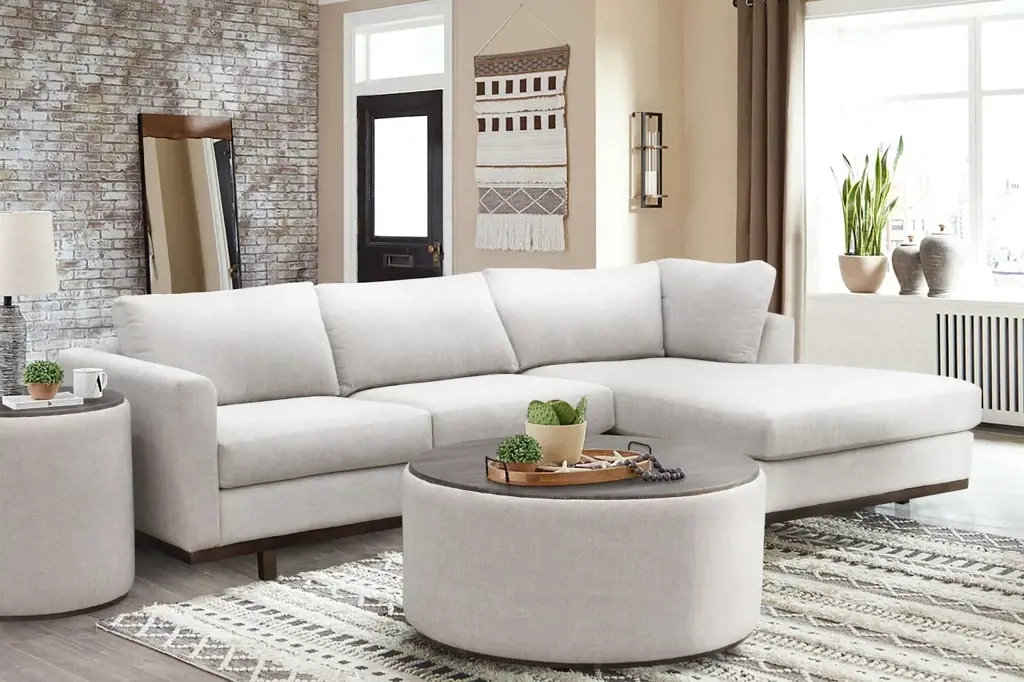
- Monochromatic: Using different shades, tints, and tones of a single color. This creates a sophisticated and cohesive look. Perfect for a minimalist aesthetic.
- Neutral: These aren't technically colors, but they play a crucial role in design. Whites, blacks, grays, and beiges provide a backdrop for other colors and can be used to create a sense of calm or sophistication.
Psychology of Color: How Colors Influence Mood and Behavior
Colors have a powerful psychological impact on us. They can influence our mood, behavior, and even our perception of space. Understanding these associations is crucial for creating a space that truly reflects your personality and lifestyle.
- Red: Associated with energy, passion, and excitement. Use it sparingly in living rooms, dining rooms, or home offices, but be mindful of overstimulation.
- Orange: A warm, inviting color that promotes creativity and enthusiasm. Excellent for dining rooms, playrooms, and home offices.
- Yellow: Cheerful and optimistic. Great for kitchens, entryways, and children's rooms. Can be overwhelming in large doses.
- Green: Associated with nature, tranquility, and balance. Ideal for bedrooms, bathrooms, and any space where you want to create a sense of calm. This is my personal favorite!
- Blue: Calming, serene, and trustworthy. Excellent for bedrooms, bathrooms, and home offices. Avoid using too much in north-facing rooms, as it can make them feel cold.
- Purple: Luxurious, creative, and mysterious. Perfect for bedrooms, studies, or accent walls. Avoid using too much in small spaces, as it can make them feel cramped.
- White: Clean, fresh, and spacious. Great for creating a sense of openness and minimalism. Can feel sterile if not warmed up with other colors and textures.
- Black: Sophisticated, dramatic, and grounding. Use it for accents, accent walls, or to create a sense of drama. Be mindful of making a space too dark.
Practical Application: Choosing Colors for Your Space
Now comes the fun part: putting color theory into action. Here's a step-by-step guide to help you choose the right colors for your space:
- Consider the Function of the Room: What activities will take place in the space? A bedroom requires a different feel than a home office.
- Assess Natural Light: How much natural light does the room receive? North-facing rooms tend to be cooler and benefit from warmer colors, while south-facing rooms can handle cooler tones.
- Think About Your Personal Preferences: What colors do you love? What colors make you feel good? Your home should reflect your personality.
- Gather Inspiration: Browse magazines, websites, and social media for inspiration. Create mood boards to visualize your ideas.
- Test Colors: Always, always test paint samples on your walls before committing to a color. Observe how the colors look at different times of day and in different lighting conditions.
- Start Small: If you're unsure, start with a neutral base and add pops of color with accessories, textiles, and artwork.
- Don't Be Afraid to Experiment: Interior design is a journey of experimentation. Don't be afraid to try new things and make mistakes. It's all part of the learning process.
Examples and Case Studies: Color Theory in Action
Let's look at some real-world examples:
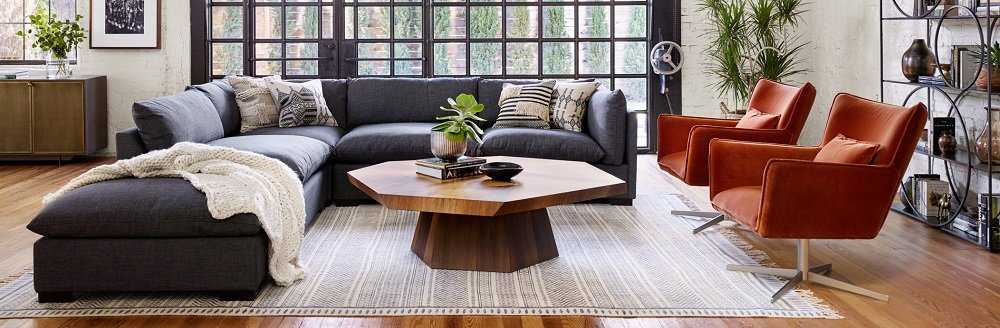
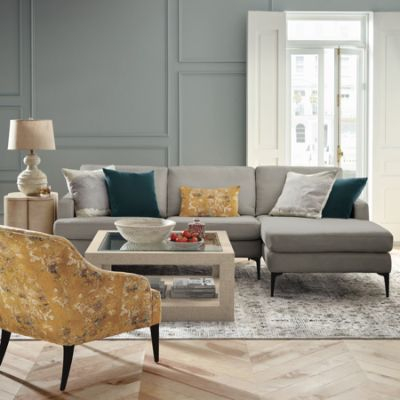
- The Cozy Living Room: Imagine a living room with a neutral base of warm beige walls. Accent colors include a deep teal sofa, mustard yellow throw pillows, and a patterned rug with touches of both colors. This is a great use of complementary colors (teal and mustard) to create visual interest and a cozy, inviting feel.
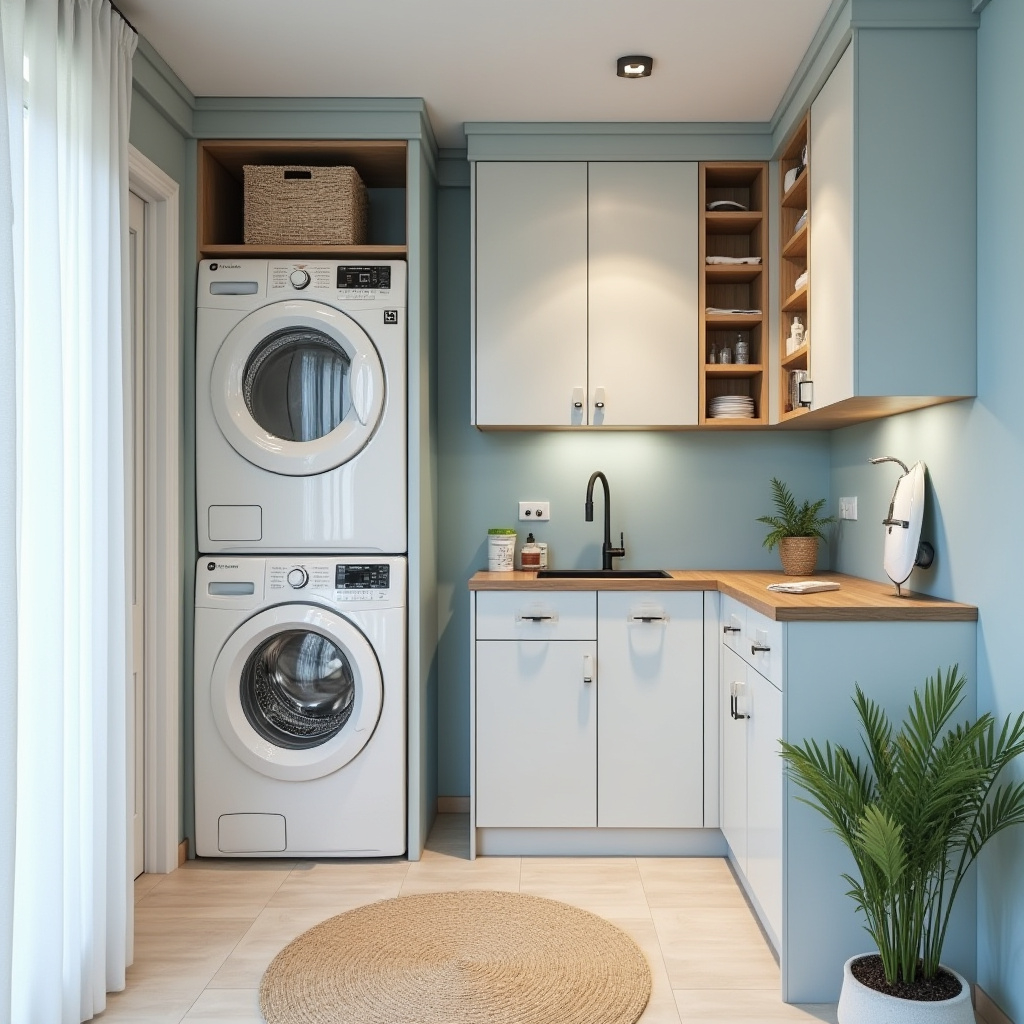
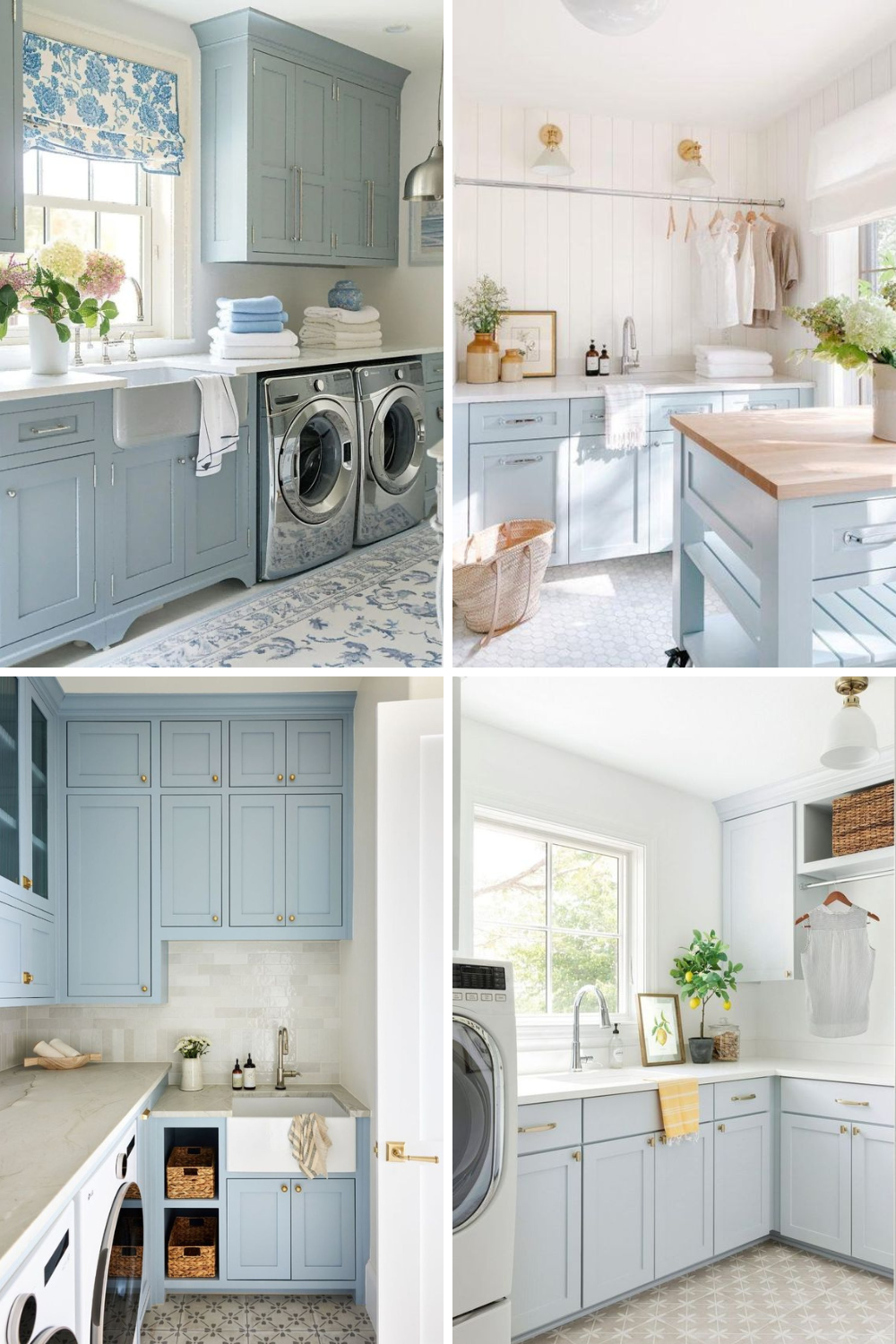
- The Serene Bedroom: A bedroom with pale blue walls, white bedding, and accents of silver and gray. This is a perfect example of a monochromatic scheme, creating a calming and peaceful atmosphere. The subtle variations in value (light and dark) add depth, and the metallic accents bring a touch of elegance. I've even used this scheme in my own master bedroom; it's a winner!
- The Energetic Home Office: A home office with a bright yellow accent wall, paired with gray furniture and pops of red in artwork and accessories. This uses a triadic color scheme (yellow, gray, and red) to create an energetic and stimulating workspace. The gray provides a grounding effect, while the yellow and red encourage creativity and focus.
- The Dramatic Dining Room: A dining room with dark charcoal walls, a rich mahogany dining table, and gold accents. This uses a monochromatic scheme with a touch of drama, creating an intimate and sophisticated space. The gold accents add a touch of luxury and warmth.
Tips and Tricks: Mastering the Art of Color
Here are some extra tidbits to help you on your color journey:
- The 60-30-10 Rule: A helpful guideline for balancing colors. Use 60% of one color as your dominant color (walls, flooring), 30% as your secondary color (furniture, drapes), and 10% as your accent color (pillows, artwork).
- Consider the Undertones: Before you commit to a paint color, pay attention to its undertones (the subtle colors that are mixed in). These undertones can significantly impact how a color looks in your space.
- Use Color in Layers: Start with a neutral base and add color gradually. This gives you more flexibility to experiment and make changes.
- Don't Overthink It: Color theory is a guideline, not a rigid set of rules. Trust your instincts and have fun with it.
- Lighting Matters: Lighting can drastically alter the appearance of colors. Experiment with different types of lighting (natural, incandescent, LED) to see how they affect your color choices. And don't forget the importnce of lighting, it can make or break a room's design.
- Get a Color Wheel App: There are many great apps that can help you visualize color schemes and test different combinations.
- Seek Professional Help: If you're feeling overwhelmed, don't hesitate to consult with an interior designer or color consultant. They can provide expert guidance and help you create a space you'll love.
Congratulations. You've now got a solid understanding of color theory and its application in interior design. Remember, the key is to experiment, have fun, and trust your instincts. By understanding the fundamentals of color, you can transform any space into a reflection of your unique style and personality. Go forth, embrace the power of color, and create a home that truly speaks to you. Happy decorating, and I wish you all the best on your color journey. And remember, don't be afraid to make some mistakes along the way; it's how we learn and grow. Now, go paint something!