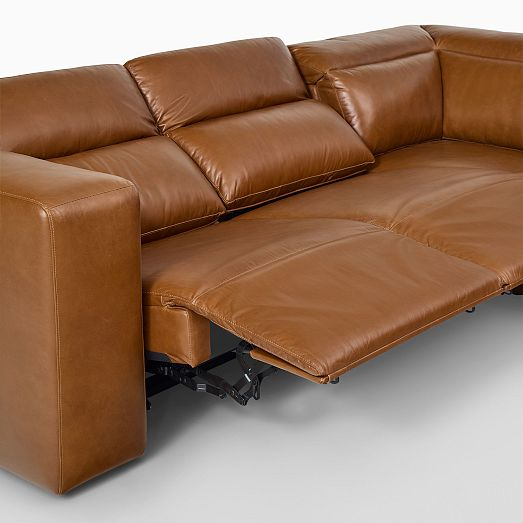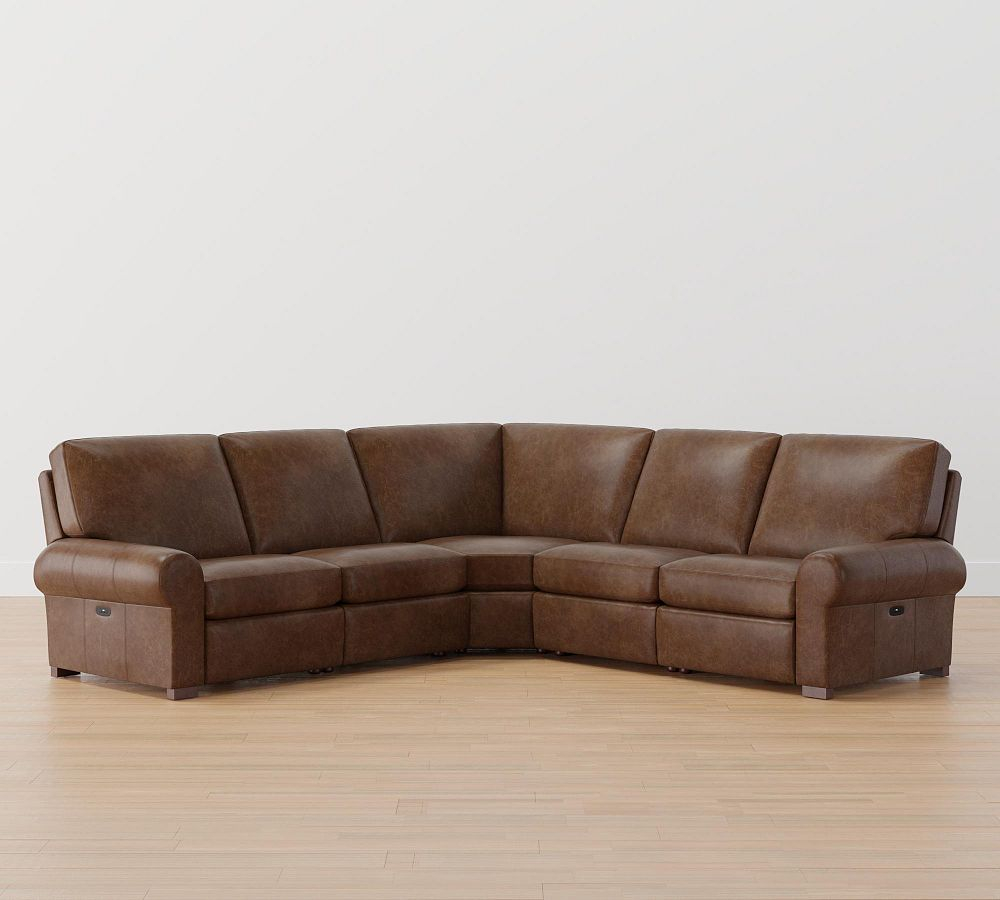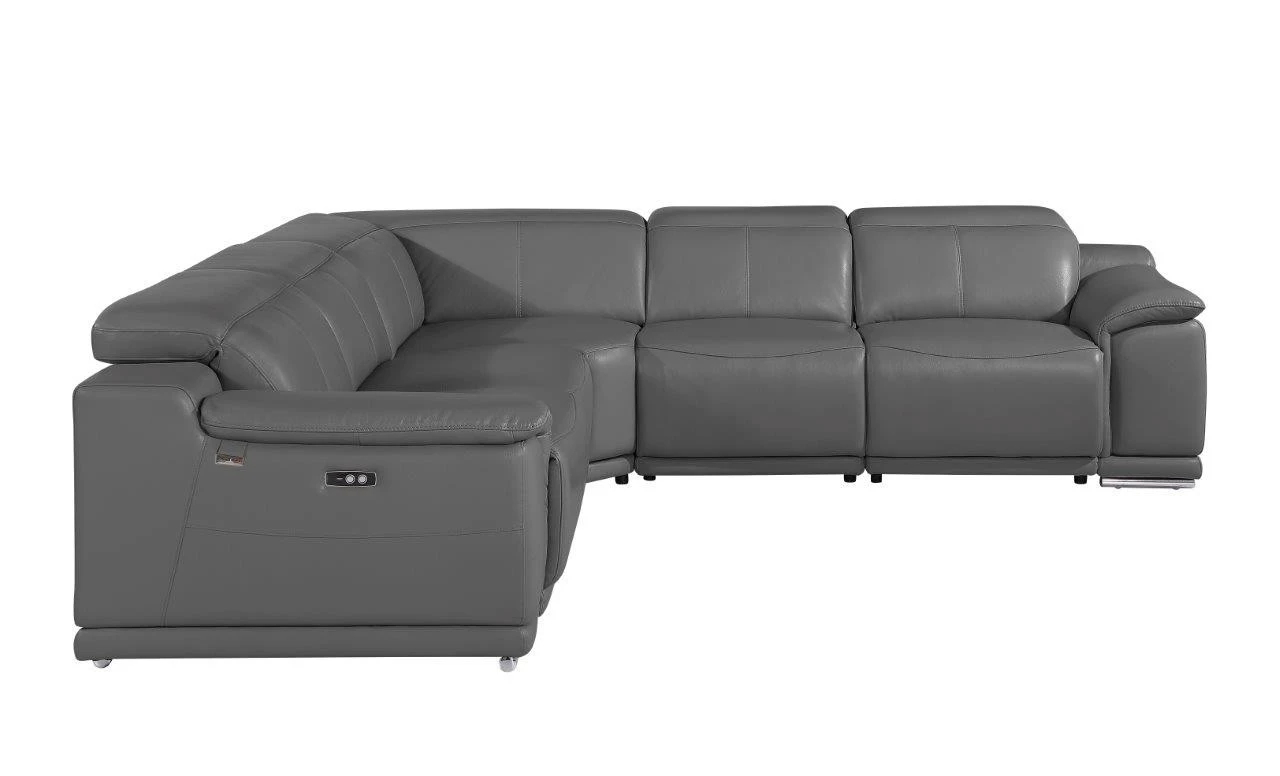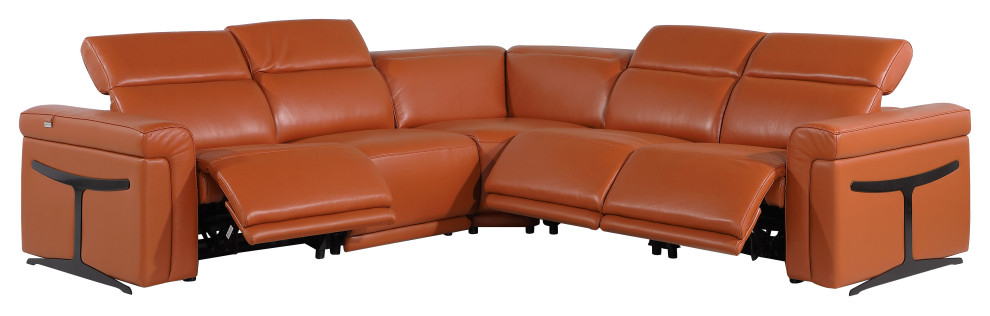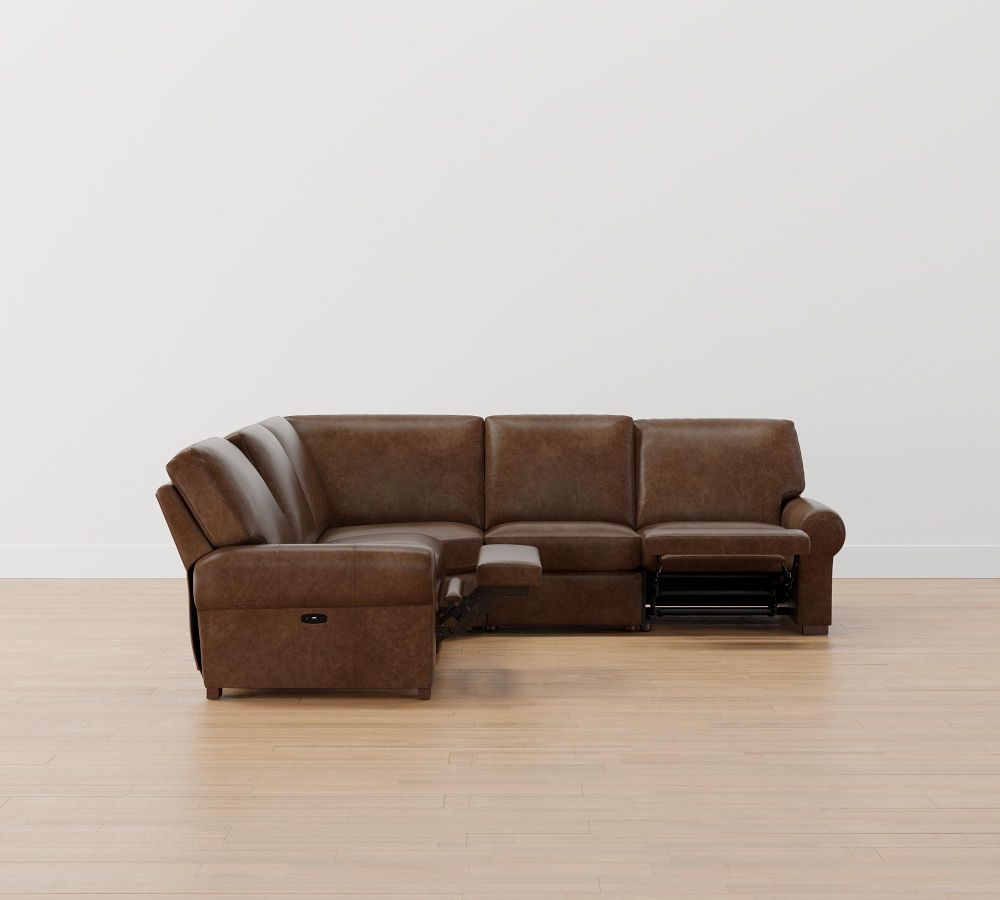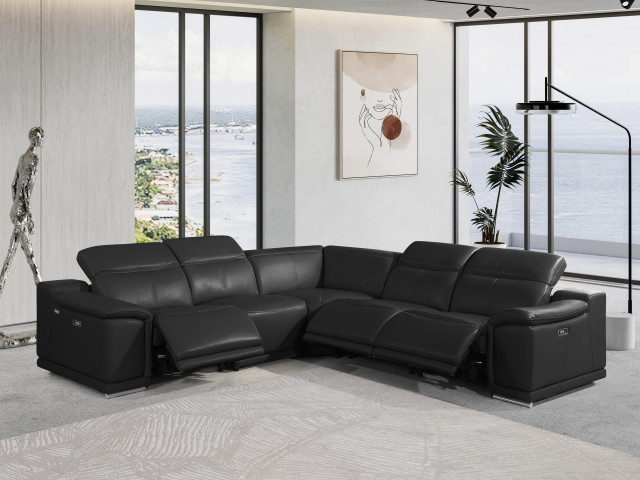
A leather sectional isn't just a piece of furniture; it's a statement. It speaks of comfort, style, and a certain level of sophistication. But beyond its aesthetic appeal, a high-quality leather sectional represents a significant investment. This article will take you on a journey to understand what makes a leather sectional truly exceptional, helping you make an informed decision and ensuring your investment lasts for decades. We'll delve into the nitty-gritty, from leather grades to construction techniques, so you can become a discerning consumer, and avoid any future regrets, and enjoy your sectional for years to come.
Ever walked into a room and been immediately drawn to a gorgeous, inviting leather sectional? The aroma of the leather, the supple feel, the promise of relaxation... it's a powerful experience. But with so many options available, how do you select the best one? How do you ensure you're getting the quality you're paying for? This guide is designed to help you navigate the world of high-quality leather sectionals, helping you understand the key factors that separate a worthwhile purchase from a potential disappointment. We're going to explore the different types of leather, construction techniques, and what you should look for to ensure your investment is a wise one. Let's get started.
Understanding the Different Types of Leather
Not all leather is created equal. The type of leather used in your sectional will significantly impact its durability, appearance, and cost. Here's a breakdown of the most common types:
- Full-Grain Leather: This is the crème de la crème. It's the top layer of the hide, with all the natural grain intact. It’s incredibly durable, develops a rich patina over time, and is the most expensive. Think of it as the Rolls-Royce of leather.
- Top-Grain Leather: This is the second-highest quality. The top layer has been buffed or sanded to remove imperfections, making it softer. It's still very durable and a great choice, often a bit more affordable than full-grain.
- Split-Grain Leather: This is taken from the underside of the hide. It’s less durable than top-grain or full-grain and often used in less expensive furniture or for parts of the sectional that aren't as exposed.
- Bonded Leather: This is made from leather scraps that are bonded together with a binding agent. It’s the least durable and the most prone to cracking and peeling. Avoid this if you want longevity.
Example: Imagine a well-loved baseball glove. Full-grain leather develops character with use, while bonded leather might start to flake after a season or two.
Decoding the Craftsmanship: What to Look For in Construction
Beyond the leather itself, the construction of the sectional is crucial. This is where the true quality of your investment is revealed. Consider these factors:
- Frame: A sturdy frame is the foundation. Look for frames made from solid hardwood (like kiln-dried oak or maple). Avoid particleboard or softwood frames.
- Suspension: This supports the cushions. There are several types:
- Sinuous Springs: These are zigzag-shaped springs. They provide good support and are a common choice.
- Eight-Way Hand-Tied Springs: Considered the gold standard, these springs are individually tied to the frame, providing superior comfort and durability.
- Cushions: Look for high-density foam cores, wrapped in down feathers or fiberfill for added comfort. The density of the foam is critical; higher density means greater durability.
- Seams: Check the stitching. It should be even, tight, and straight. Poor stitching can lead to seams coming apart over time.
Example: Think of the frame as the skeleton and the cushions as the muscles of the sectional. A strong skeleton is essential for a long, healthy life.
Leather Sectional Styles: Finding the Right Fit for Your Home
Leather sectionals come in various styles, each with its own character and suitability for different spaces:
- Traditional: These sectionals often feature rolled arms, detailed stitching, and a classic aesthetic. They work well in more formal living rooms.
- Contemporary: Characterized by clean lines, minimalist designs, and often lower profiles. They're a great choice for modern homes.
- Transitional: A blend of traditional and contemporary elements, these sectionals offer a versatile look that can fit in a variety of settings.
- Modular: These sectionals are made up of individual pieces that can be arranged in different configurations, giving you flexibility.
Tip: Consider the size of your room, your lifestyle, and your personal style when choosing a style.
The Importance of Leather Care: Preserving Your Investment
High-quality leather requires regular care to maintain its beauty and durability. Here are some essential tips:
- Dust Regularly: Use a soft cloth or vacuum with a brush attachment to remove dust and dirt.
- Clean Spills Immediately: Blot spills with a clean, damp cloth. Avoid harsh chemicals.
- Condition Regularly: Apply a leather conditioner every 6-12 months to keep the leather hydrated and prevent cracking.
- Avoid Direct Sunlight: Prolonged exposure to sunlight can fade and damage the leather.
Example: Think of leather care like skincare. Regular moisturizing helps keep your skin healthy and vibrant, and the same applies to your leather sectional.
Budgeting for Quality: How Much Should You Spend?
Investing in a high-quality leather sectional is a significant expense, and the price can vary widely. However, it's crucial to understand that you often get what you pay for. Here are some general guidelines:
- Entry-Level: You might find some leather sectionals for a few thousand dollars, but the leather quality and construction are likely to be compromised. These typically use bonded leather or lower-grade leathers.
- Mid-Range: This is where you'll find sectionals with top-grain leather and solid construction, potentially costing anywhere from $4,000 to $8,000 or more. This is a great starting point for quality.
- High-End: These sectionals feature full-grain leather, superior craftsmanship, and often custom options. Expect to pay $8,000 and up, depending on the size, features, and brand.
Tip: Set a budget and stick to it. But remember, investing in a higher-quality sectional can save you money in the long run, as it will last much longer.
Making the Final Decision: Where to Buy and What to Ask
Once you've done your research, it's time to start shopping. Here's what to keep in mind:
- Reputable Retailers: Choose retailers known for selling high-quality furniture and offering good customer service.
- Read Reviews: See what other customers have to say about the sectional you're considering.
- Ask Questions: Don't hesitate to ask the salesperson about the leather type, construction details, warranty, and return policy.
- Inspect Carefully: Examine the sectional in person. Look for any imperfections in the leather or construction.
- Consider the Warranty: A good warranty is a sign that the manufacturer stands behind their product.
Example: Going to a furniture store is like going to a museum for leather sectionals; take your time and enjoy the experience.
Investing in a high-quality leather sectional is an investment in comfort, style, and lasting value. By understanding the different types of leather, construction techniques, and the importance of proper care, you can make an informed decision and choose a sectional that will bring you years of enjoyment. Remember to prioritize quality over price, do your research, and don't be afraid to ask questions. With the right knowledge and a little patience, you'll find the perfect leather sectional to transform your living space into a haven of relaxation and sophistication. Good luck and happy shopping, and enjoy the comfort and elegance that a well-chosen leather sectional can bring to your home, and the years of comfort you'll get in return.