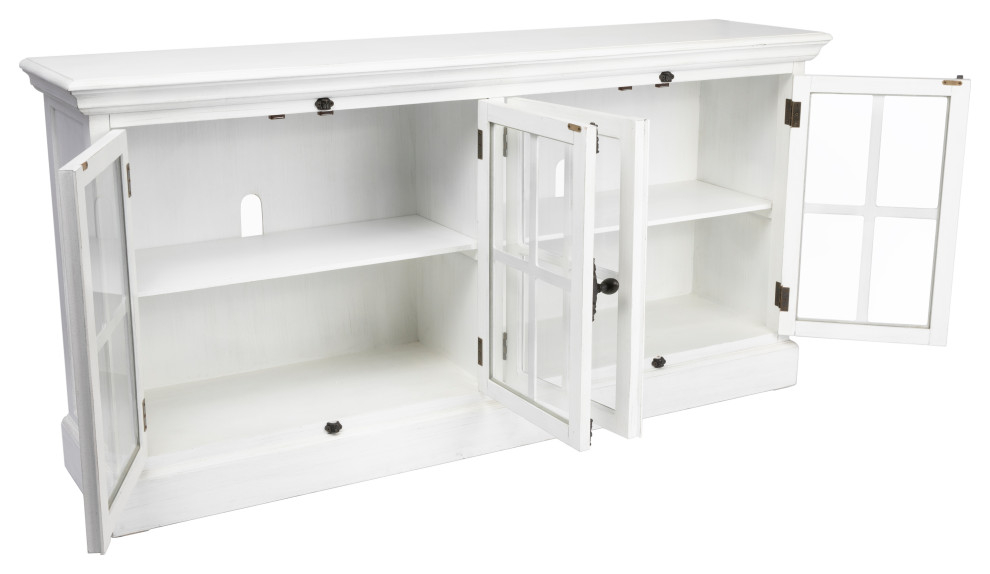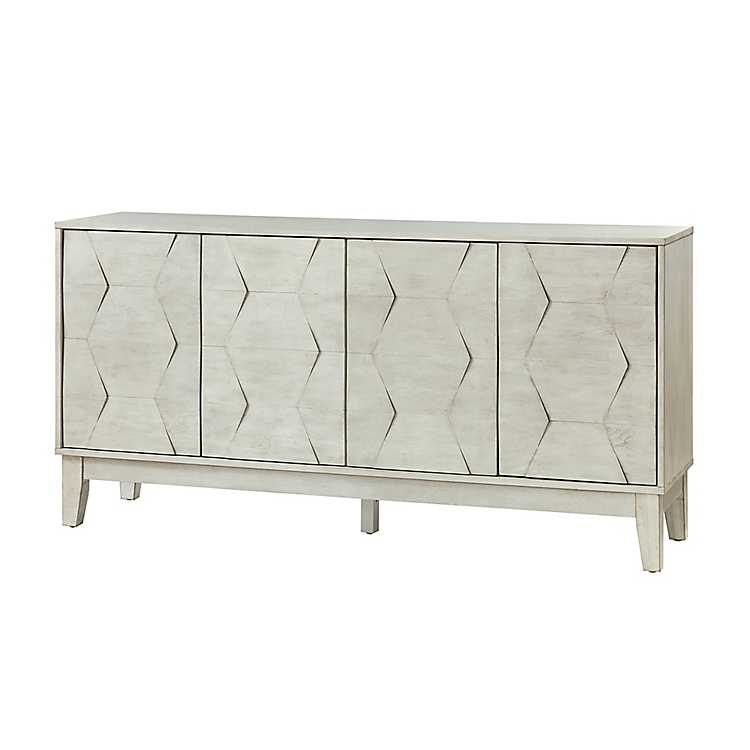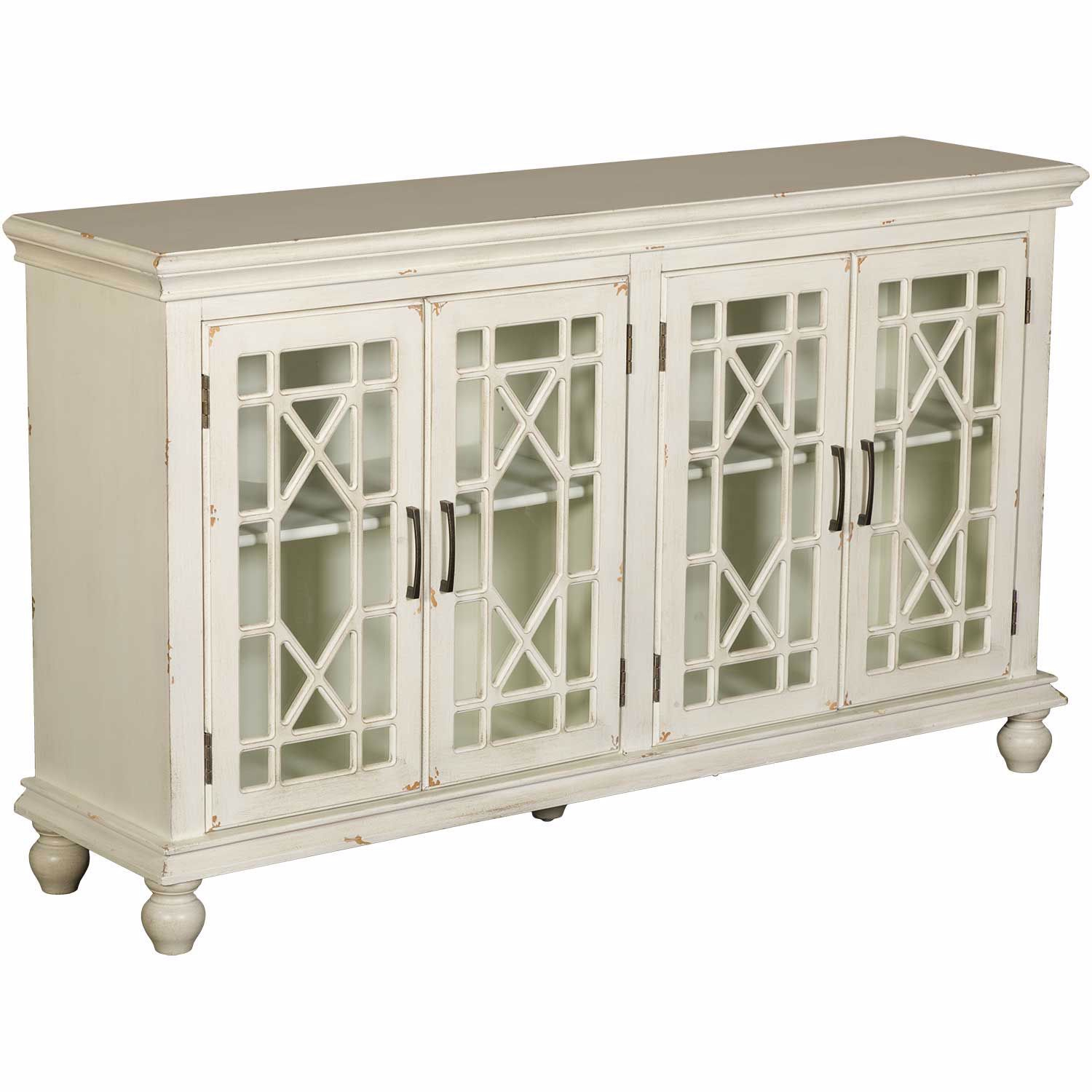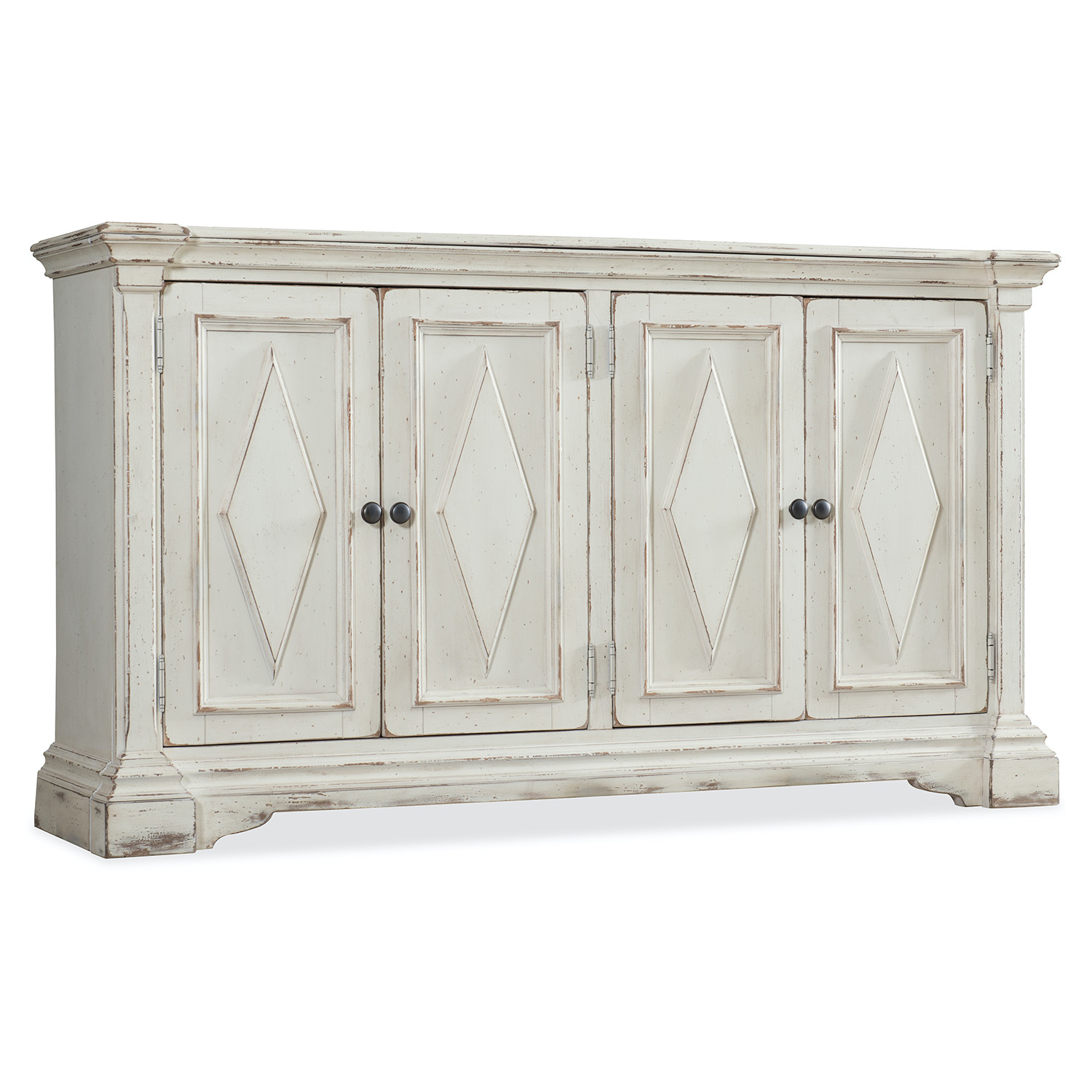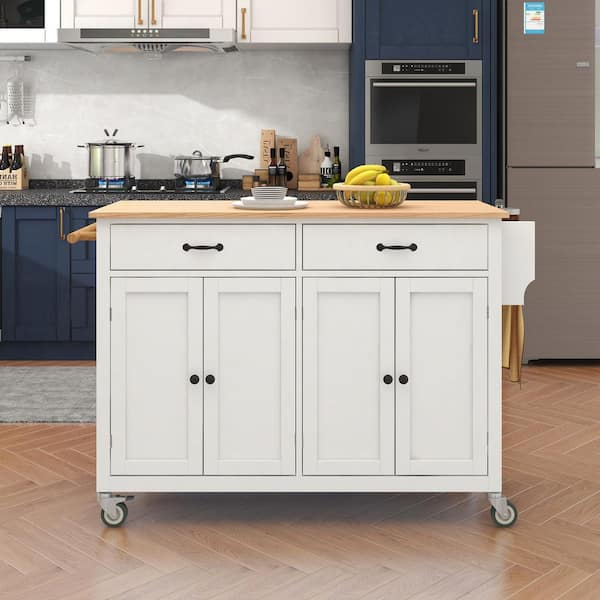
We all need places to tuck away our belongings. Whether it's books, linens, or that collection of vintage cameras, storage is a fundamental part of a comfortable and organized living space. But when it comes to solid wood storage cabinets, there's a universe of choices beyond just the price tag and the general look. Think of it this way: a solid wood cabinet isn't just a box; it's a piece of craftsmanship, a potential heirloom, and a silent partner in keeping your home serene. So, how do you navigate this world and find the one that truly sings to your needs and your style? Let's explore what goes into making a truly great choice.
There's something undeniably comforting and substantial about solid wood furniture. It has a warmth and character that manufactured materials just can't replicate. In a world of fast furniture, a well-chosen solid wood storage cabinet stands out. It promises durability, a timeless aesthetic, and a connection to nature. But with so many types of wood, finishes, and construction methods, picking the right one can feel a bit overwhelming. Don't worry, though. We're going to break down the essential elements to consider, helping you move beyond the obvious and make a decision you'll be happy with for years to come. This isn't about just buying a cabinet; it's about understanding what makes a cabinet truly exceptional.
Understanding the Wood: It's Not All the Same
When we talk about 'solid wood,' it's easy to think it's all interchangeable. But the type of wood you choose makes a massive difference in durability, appearance, and even cost. Broadly, woods fall into two categories: hardwoods and softwoods.
Hardwoods come from deciduous trees (those that lose their leaves annually) like oak, maple, cherry, and walnut. They are generally denser, stronger, and more resistant to scratches and dents. They also tend to have more intricate grain patterns and a richer color palette. For a cabinet that needs to withstand daily use and look beautiful for decades, hardwoods are often the top choice.
- Oak: A classic for a reason. It's incredibly strong and has a prominent, beautiful grain. It takes stains well and is very forgiving.
- Maple: Known for its smooth, fine grain and light color. It's very hard and durable, making it excellent for high-traffic areas.
- Cherry: Offers a warm, reddish-brown hue that deepens beautifully with age. It's a bit softer than oak or maple but still very sturdy and prized for its elegance.
- Walnut: A premium choice, known for its deep, rich brown color and stunning, often wavy grain patterns. It's durable and undeniably luxurious.
Softwoods, on the other hand, come from coniferous trees (evergreens) like pine and fir. They are generally lighter in weight and softer, meaning they can dent and scratch more easily. While they are often more affordable and can offer a charming rustic look, they might not be the best pick for a cabinet that will see heavy use unless you're prepared for a more 'lived-in' aesthetic. Pine, for instance, is popular for farmhouse or rustic styles, but it will show wear more readily.
So, the first step is to consider what kind of wear and tear your cabinet will endure and what aesthetic you're aiming for. Think about the room it will live in and the life it's expected to lead.
Construction Matters: How It's Put Together
Even the best wood can be let down by poor construction. A solid wood cabinet isn't just about the panels; it's about how those panels are joined and supported. Look for these signs of quality:
- Joinery: How are the pieces connected? Dovetail joints (interlocking 'tails' and 'pins') are a hallmark of high-quality drawers and cabinet frames. They are incredibly strong and a sign of true craftsmanship. Mortise and tenon joints are also excellent for connecting frame components. Avoid cabinets that rely solely on staples, nails, or glue, especially for structural elements.
- Drawer Slides: If your cabinet has drawers, check the slides. Metal ball-bearing slides offer smooth operation and can support heavier loads. Wooden slides can work, but they might stick over time and aren't as robust.
- Back Panel: A solid wood cabinet should have a sturdy back panel, ideally made of solid wood or a high-quality plywood, not thin fiberboard. A well-constructed back panel adds significant stability to the entire unit. It should be attached securely, not just tacked on.
- Hardware: The hinges, drawer pulls, and knobs are more than just decorative. Good quality hardware will operate smoothly and feel substantial. Cheap hardware can break or become loose, detracting from the overall experience of using the cabinet.
Think of construction like the skeleton of the cabinet. A strong, well-built skeleton will support the beauty of the wood and ensure the cabinet functions perfectly for years.
The Finish: Protection and Personality
The finish on a solid wood cabinet serves two crucial purposes: it protects the wood from moisture, stains, and UV damage, and it enhances its natural beauty, or provides a specific color and sheen. The type of finish can significantly impact the cabinet's look and maintenance requirements.
- Stains: These penetrate the wood, coloring it while allowing the natural grain to show through. Stains come in a vast array of colors, from light natural tones to deep, rich hues. The wood species will influence how a stain looks; oak has a prominent grain that will show through any stain, while maple's fine grain will appear smoother.
- Varnishes and Lacquers: These create a protective topcoat over the stain or raw wood. They offer varying levels of sheen, from matte to high gloss. Polyurethane is a common and durable varnish that provides excellent protection.
- Oils and Waxes: These offer a more natural, low-sheen finish that allows the wood to 'breathe' and develop a patina over time. While beautiful, they often require more frequent maintenance and offer less protection against spills and scratches compared to varnishes.
- Painted Finishes: Solid wood can also be painted. High-quality painted finishes will be smooth and even, with no brush strokes visible. Consider the durability of the paint – a good cabinet paint will be chip-resistant.
When choosing, think about the environment. If the cabinet will be in a humid kitchen or a sunny room, a more durable, protective finish like polyurethane is advisable. For a decorative piece in a low-traffic area, a more delicate finish might be acceptable. And remember, the color and sheen of the finish will dramatically alter the cabinet's appearance and how it fits into your decor.
Size, Scale, and Functionality: Beyond Aesthetics
It sounds obvious, but the cabinet needs to fit your space and your needs. Take precise measurements of the area where the cabinet will go, and also consider how you'll get it into the room – will it fit through doorways and hallways? Beyond the physical dimensions, think about how you'll use it.
- What are you storing? If it's books, consider shelf depth and adjustability. If it's linens or larger items, you might need wider, deeper shelves or drawers. If it's fine china, you might want glass doors to display your collection.
- Door vs. Drawer: Cabinets with doors are great for hiding clutter and larger items. Drawers are excellent for smaller items that you need to access frequently, keeping them organized and visible when pulled out. Many cabinets offer a combination, which can be very practical.
- Adjustable Shelving: This is a game-changer. Being able to move shelves up or down allows you to customize the interior space to fit items of various heights, maximizing your storage potential. Look for cabinets with sturdy shelf pins and multiple placement options.
- Style and Scale: A massive, dark wood cabinet might overwhelm a small room, just as a delicate, small cabinet might look lost in a grand space. Pay attention to the visual weight and proportions of the cabinet in relation to your existing furniture and the room's overall size.
Don't just look at the pretty pictures; imagine yourself using the cabinet every day. Does it make sense for your lifestyle and your stuff?
Where Will It Live? Considering the Environment
The room where your solid wood cabinet will reside plays a significant role in its longevity and care. Different environments present different challenges.
- Humidity: High humidity, like in a bathroom or basement, can cause solid wood to swell and potentially warp. In these areas, choose woods that are naturally more resistant to moisture, or opt for a very well-sealed finish. Proper ventilation is also key.
- Sunlight: Direct sunlight can cause wood to fade or darken unevenly over time, and can also degrade finishes. If your cabinet will be in a sunny spot, consider a UV-protective finish or a window treatment to filter the light. Remember that even indirect light can alter the color of some woods over extended periods.
- Temperature Fluctuations: Extreme and rapid changes in temperature can also stress wood, leading to expansion and contraction that can cause joints to loosen or finishes to crack. Try to maintain a relatively stable indoor climate.
If you're concerned about a particular room's conditions, it's worth discussing with a furniture expert or considering woods known for their stability. Some woods, like teak, are naturally more resilient to environmental changes, though they might not be the typical choice for an indoor storage cabinet. The goal is to select a cabinet and a finish that can best handle the specific conditions of its intended home.
The Value Proposition: Long-Term Thinking
Investing in a solid wood storage cabinet is rarely about the cheapest option. It's about value over time. A well-made piece from quality materials can last for generations, becoming a cherished family heirloom. This means that while the initial cost might be higher than for a particleboard or MDF cabinet, the cost per year of use can actually be significantly lower.
When you're evaluating a cabinet, ask yourself:
- Can it be repaired? Solid wood can often be sanded, refinished, or repaired if damaged, unlike many composite materials.
- Will it hold its value? Quality furniture tends to hold its value better than mass-produced items.
- What's the warranty? A good manufacturer will stand behind their product with a decent warranty, especially on solid wood construction.
Think about the lifecycle of the furniture. Is it built to last, or is it designed to be replaced in a few years? A solid wood cabinet, chosen wisely, is a decision that pays dividends in durability, beauty, and satisfaction for many, many years to come. It's a piece that grows with you and your home.
Choosing a solid wood storage cabinet is a journey that involves understanding wood types, construction techniques, finishes, and your own specific needs and environment. It’s about looking beyond the superficial and appreciating the craftsmanship and materials that go into a truly lasting piece. By considering the durability of the wood, the integrity of the construction, the suitability of the finish, and how the cabinet will function and fit into your space, you’re well on your way to making an informed decision. Remember, this cabinet isn’t just storage; it’s a statement of quality and a foundation for a more organized and beautiful home. Take your time, do your homework, and you’ll find a piece that you’ll not only love but that will serve you faithfully for years and years.