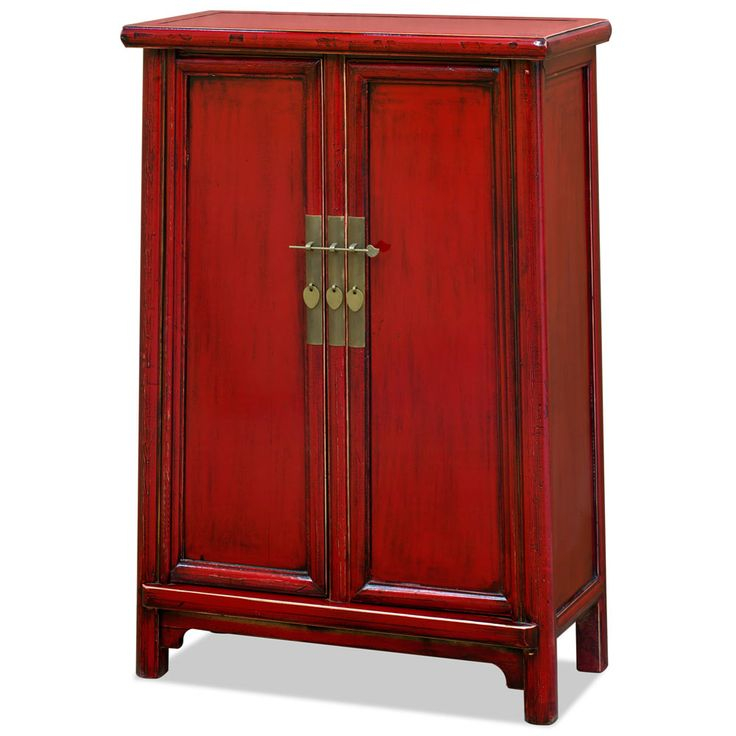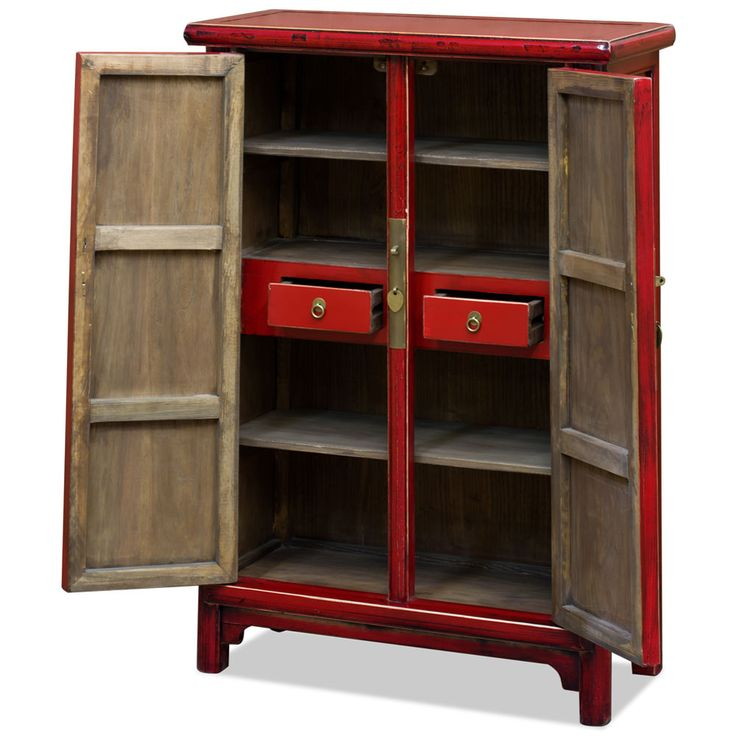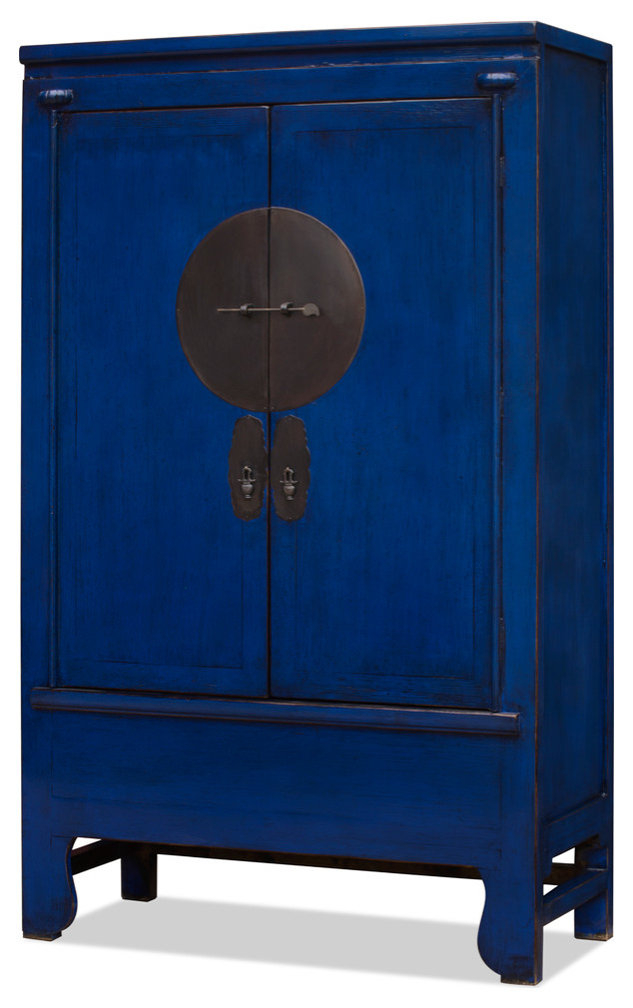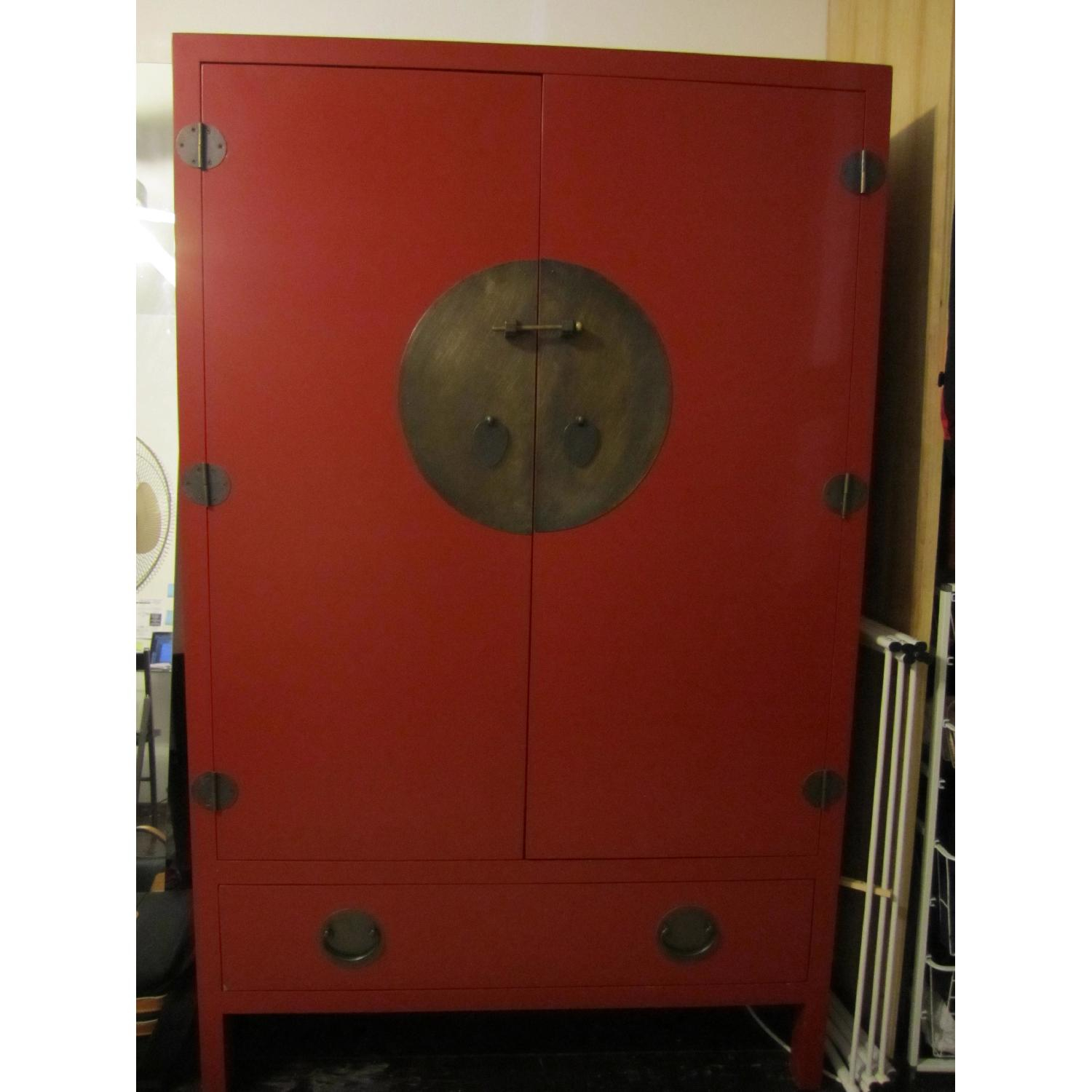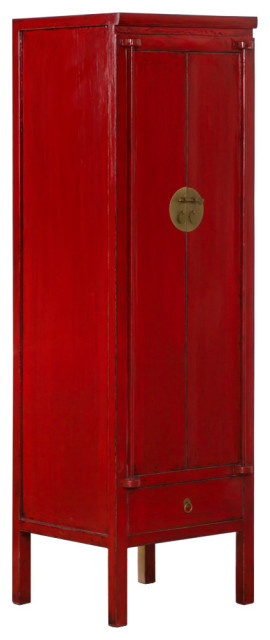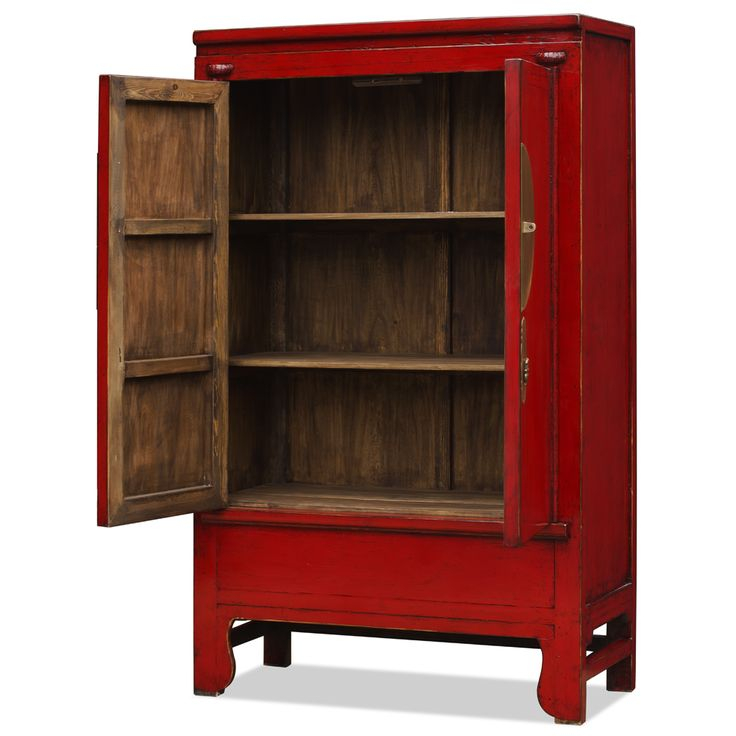
Have you ever looked at a piece of furniture and felt a story whispering from its surface? That’s especially true for those captivating distressed red wedding armoires. They aren't just storage; they're vessels of history, each nick and faded hue telling a tale of celebrations, new beginnings, and enduring love. Let's dive into what makes these pieces so special and where they came from.
Red. It’s a color that signifies passion, prosperity, and joy. And when you combine that vibrant hue with the rustic charm of a distressed finish, you get something truly magical. Distressed red wedding armoires have a unique ability to draw you in, evoking a sense of warmth and tradition. But how did these beautiful pieces come to be such treasured items? It’s a story that weaves through centuries of cultural practices and evolving aesthetics. We’re going to explore that fascinating journey together, looking at their practical roots and their rise to iconic status. Prepare to see these armoires in a whole new light.
From Practicality to Symbolism: Early Origins
The story of wedding armoires, and their red counterparts, doesn't begin with decoration but with necessity. In earlier times, especially in rural Europe, large, sturdy chests and armoires were essential for storing a family's most valuable possessions. This included not only clothing and linens but also dowries – the goods a bride brought to her marriage. These weren't just any old cupboards; they were built to last, often from solid wood, and were a significant investment. The color red, often achieved with natural dyes, held particular significance. Across many cultures, red was (and still is) a powerful symbol of good fortune, fertility, and protection against evil spirits. It was a natural choice for a piece of furniture meant to safeguard the bride's possessions and bless her new union. Imagine a young woman, preparing for her wedding, receiving or helping to build an armoire that would house her future, painted in the auspicious color of red, meant to bring her luck and happiness. It was both a practical storage solution and a deeply symbolic item.
The Dowry Chest and the Bridal Wardrobe
The concept of the 'dowry chest' is central to understanding the wedding armoire. For centuries, families would meticulously prepare a dowry for their daughters, a collection of items that would help establish her new household and provide a measure of financial security. This often included handmade linens, quilts, clothing, and even precious family heirlooms. The armoire was the perfect place to store and transport these precious goods. In many traditions, the armoire was a substantial piece, often made by skilled artisans, and was considered a significant part of the bride's inheritance. The red color amplified its importance, marking it as a special piece, set apart from everyday furniture. It wasn't uncommon for these armoires to be intricately carved or decorated, further emphasizing their role in celebrating the union. These pieces were meant to be passed down, carrying the hopes and dreams of generations.
The 'Distressed' Element: Time and Tradition
So, where does the 'distressed' aspect come into play. In the past, a piece of furniture’s wear and tear wasn't a flaw; it was a testament to its use and survival. An armoire that had been in a family for generations, used for countless weddings and passed down through the years, would naturally acquire a patina of age. Scratches, dents, faded paint, and worn edges were marks of history, storytelling. They spoke of a life lived, of celebrations, of everyday use, and of enduring strength. When we talk about 'distressed' today, we're often replicating that authentic, time-worn look. But historically, the distress was genuine – a natural consequence of the piece’s long and meaningful life. This aging process actually enhanced its value and sentimental significance, as it connected the present generation directly to their ancestors and their wedding traditions. It was a visual reminder of continuity and the passage of time.
Regional Variations and Artistic Flourishes
The design and embellishments of distressed red wedding armoires varied greatly depending on the region and the specific cultural traditions. In some areas, you might find simple, robust designs focused on functionality and the rich color of the wood. In others, the armoires were elaborately carved with symbolic motifs – flowers for fertility, birds for happiness, or interlocking patterns representing unity. The shade of red could also differ, from deep, rich crimsons to brighter, more cheerful hues. For instance, in some Scandinavian countries, you'd see intricate painted designs (known as 'rosemaling') in red, blue, and yellow, often adorning the doors and sides of the armoire. In contrast, some Mediterranean regions might feature simpler, more rustic finishes, letting the natural grain of the wood and the deep red hue speak for themselves. These variations weren't just about aesthetics; they were about local customs, available materials, and regional interpretations of what symbolized a happy marriage. Each piece was a unique reflection of its origin and the family it belonged to.
The Transition to Heirloom and Decorative Piece
As societies evolved and furniture-making techniques advanced, the role of the wedding armoire began to shift. While still valued for their craftsmanship and storage, their primary function as a dowry chest lessened in some areas. However, their symbolic importance and aesthetic appeal only grew. They transitioned from purely utilitarian items to cherished heirlooms, passed down not just for their practical use but for their sentimental value and the history they represented. In the 20th and 21st centuries, this appreciation for vintage and antique pieces led to a resurgence of interest in distressed furniture. Today, distressed red wedding armoires are sought after not only by those looking to honor tradition but also by interior designers and homeowners seeking to add character, warmth, and a touch of romantic history to their spaces. They are seen as statement pieces, bringing a sense of narrative and soul into modern homes. People often repurpose them as wardrobes, linen cupboards, or even entertainment centers, proving that their beauty and utility endure.
Caring for Your Cherished Armoire
If you're fortunate enough to own a distressed red wedding armoire, or are considering acquiring one, understanding how to care for it is key to preserving its charm and longevity. The 'distressed' finish, whether original or a modern interpretation, requires gentle treatment. Avoid harsh chemical cleaners, as they can damage the finish and the wood itself. Instead, opt for a soft, damp cloth for regular dusting. For deeper cleaning, a mild soap solution mixed with water can be used sparingly, followed by a thorough wipe-down with a clean, damp cloth and then a dry one. If the piece has a wax finish, occasional reapplication of furniture wax can help maintain its luster and protect the surface. For any repairs, it’s always best to consult with a furniture restoration specialist who understands antique finishes. Treating your armoire with care ensures that its story continues to be told for generations to come. It's about respecting the craftsmanship and the history embedded within.
So, the next time you encounter a distressed red wedding armoire, take a moment to appreciate the layers of history it holds. From its humble beginnings as a vital piece of a bride’s trousseau, symbolizing luck and prosperity, to its current status as a beloved decorative and functional heirloom, its journey is rich and compelling. The distressed finish isn't a sign of damage; it's a badge of honor, a testament to a life well-lived and traditions cherished across time. These pieces connect us to the past, offering a tangible link to the celebrations and aspirations of those who came before us. They are more than just furniture; they are stories waiting to be shared, and they continue to bring warmth, character, and a timeless sense of romance into our lives.