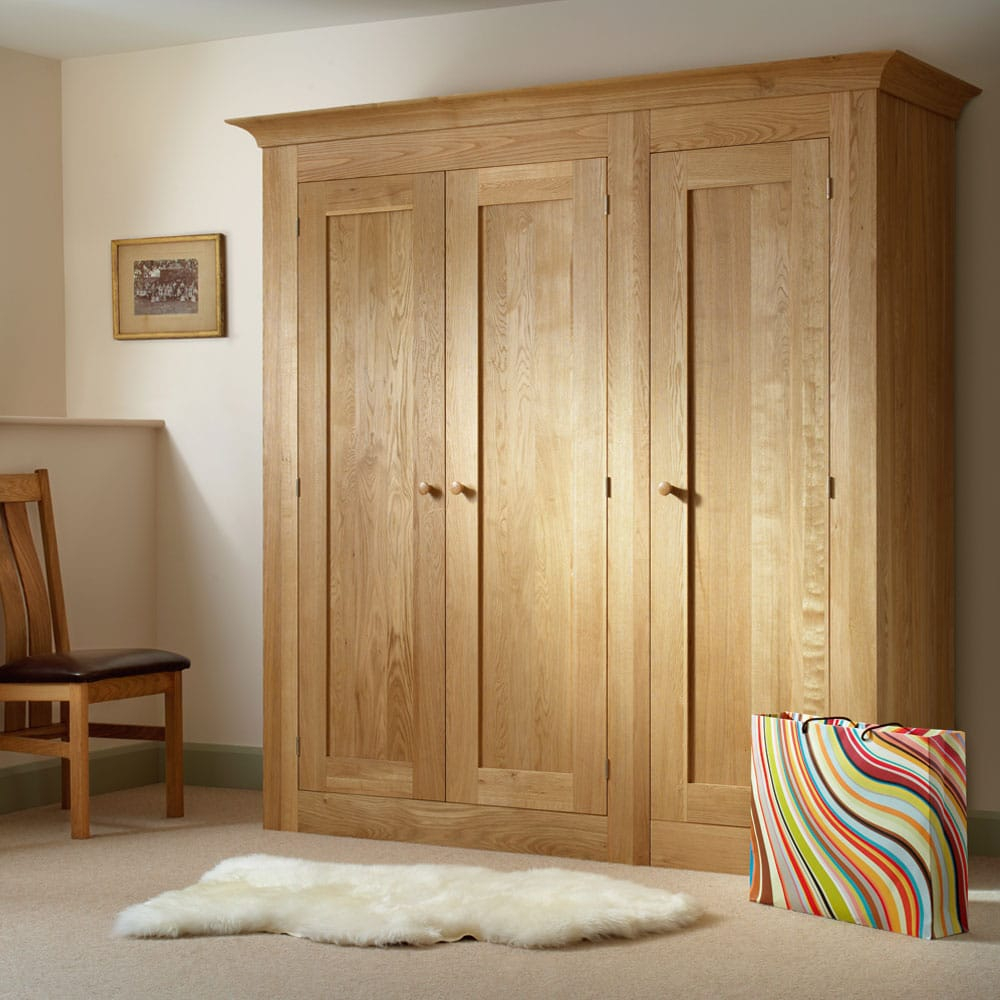
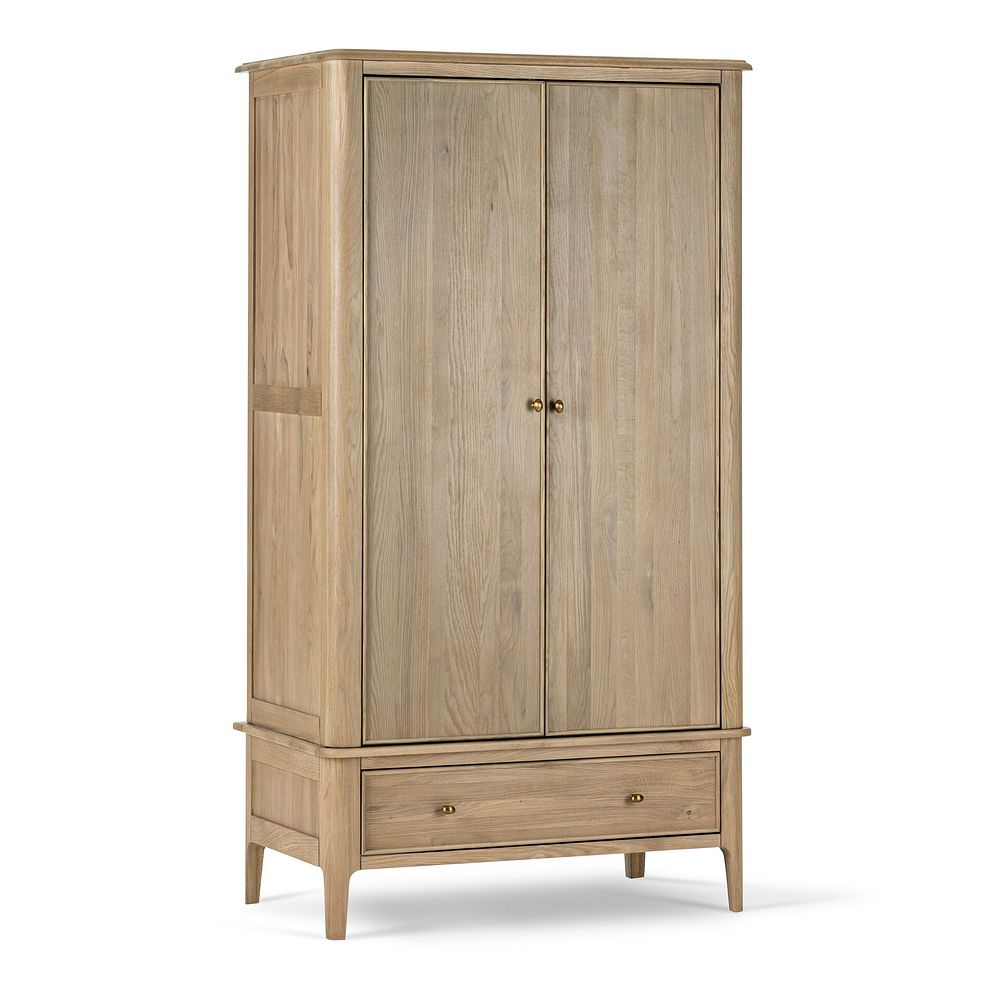
We've all been there. You finally decide to get that new wardrobe, picturing a beautifully organized space for all your garments. But then you’re faced with a dizzying array of numbers and options. What’s the right depth? How much width do you really need? It’s not just about fitting it into your room; it’s about ensuring it actually holds what you need it to. Let's dive in and make this decision a whole lot easier.
Your wardrobe is more than just a piece of furniture; it's the silent guardian of your style, the organizer of your mornings, and a crucial element of your bedroom's aesthetic. But choosing the right one can feel like a puzzle. The dimensions, in particular, are key. Too shallow, and your hangers will jut out awkwardly. Too narrow, and you’ll be struggling to fit your favorite sweaters. This guide is here to demystify wardrobe dimensions, giving you the confidence to select a piece that's both practical and perfectly suited to your home and your belongings. We’ll look at depth, width, and height, and how they all play together to create a functional and beautiful storage solution.
The Crucial Role of Depth: Giving Your Clothes Room to Breathe
Depth is arguably the most critical dimension when it comes to wardrobes. It dictates whether your clothes will hang freely or get squashed. Most standard wardrobes have a depth of around 60 to 65 centimeters (about 24 to 26 inches). Why this number? It’s primarily to accommodate standard hangers comfortably, allowing them to sit without bumping into the back of the wardrobe. If you have a lot of bulky items or prefer larger, padded hangers, you might want to aim for the higher end of this range, or even slightly more.
Think about it: if a wardrobe is too shallow, say 50 cm (around 20 inches), you might find that the shoulders of your shirts and jackets press against the doors, causing creases and making it difficult to slide them in and out. For some very compact spaces, a shallower wardrobe might be a necessary compromise, but it’s important to be aware of the limitations. You might need to hang items sideways or opt for slimmer hangers to make it work. It's always best to measure your longest garment on a hanger and add a few extra inches for clearance before you buy.
Width Matters: From Single Units to Expansive Storage
Wardrobe width is all about how much storage space you need and how much room you have. Wardrobes come in a huge range of widths, from slim, single-door units that might be just 60 cm (24 inches) wide, perfect for a small guest room or a child's bedroom, all the way up to vast, multi-door systems stretching several meters.
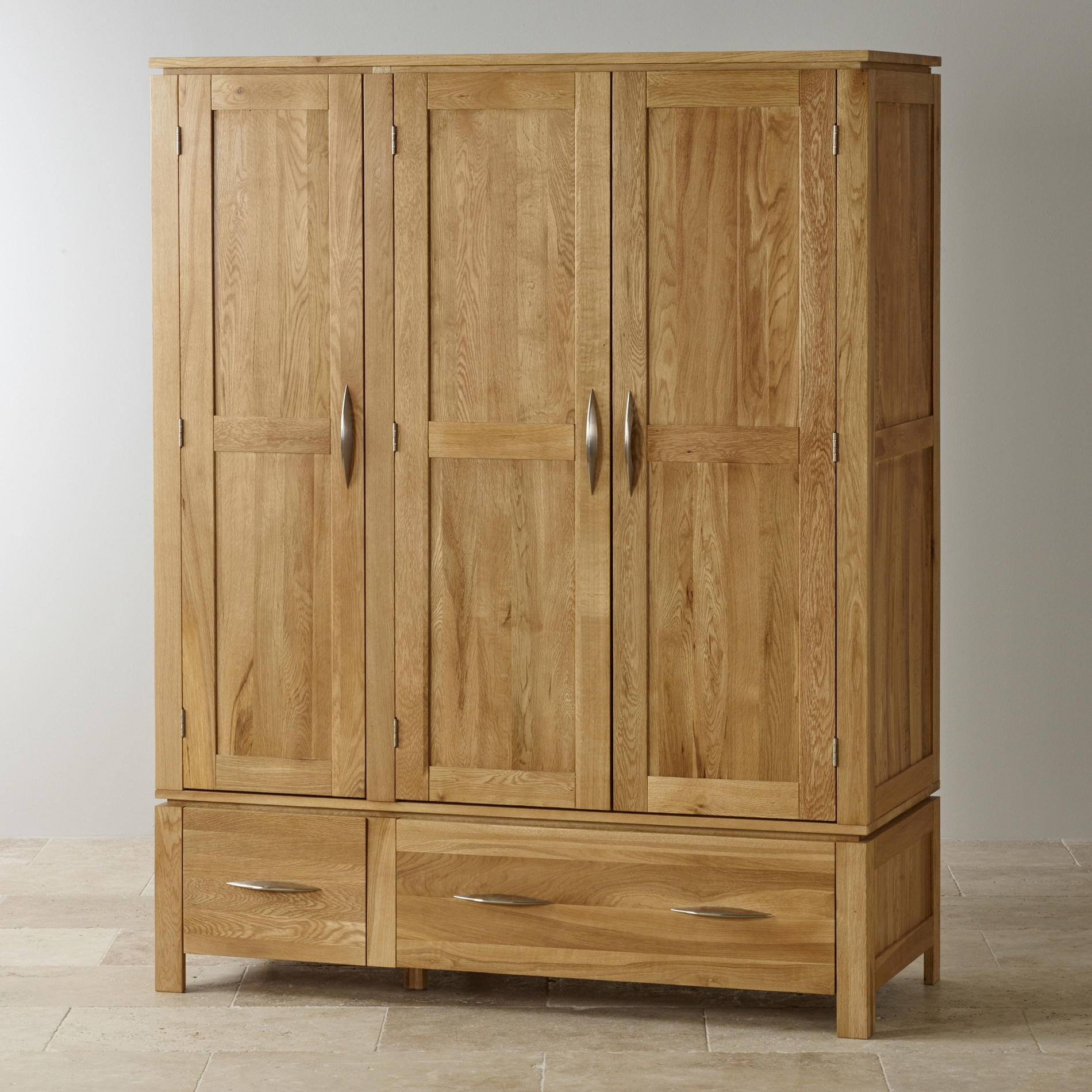
When considering width, think about the types of clothes you own. Do you have a lot of long dresses or coats that need ample hanging space? Or is your wardrobe mostly filled with folded items like t-shirts, sweaters, and jeans? A wider wardrobe often means more hanging space and/or more shelving and drawer units. If you’re looking at a double-door wardrobe, a common width might be around 100 to 120 cm (39 to 47 inches). This usually provides a good balance of hanging room and shelving. For larger families or those with extensive wardrobes, you might be looking at units 150 cm (59 inches) or wider, often featuring multiple sections for hanging, shelving, and drawers. Measure the wall space you have available, and don't forget to account for any doors or other furniture that might obstruct the opening of the wardrobe doors.
Height: Reaching New Storage Heights (Literally)
The height of your wardrobe is often overlooked, but it’s crucial for maximizing storage potential. Standard wardrobe heights typically range from about 180 cm (71 inches) to 220 cm (87 inches). Taller wardrobes can be a fantastic way to utilize vertical space, especially in rooms with high ceilings.
Consider what you’ll store on the top shelves. Are they for seasonal items, extra bedding, or luggage? If so, you’ll want a height that allows you to comfortably reach these items, perhaps with a small step stool. Many modern wardrobes offer adjustable shelving systems, which can be a lifesaver for customizing the height of different compartments. If you’re opting for a very tall wardrobe, ensure it’s securely anchored to the wall to prevent tipping, especially if you have children or pets. Also, remember to check the ceiling height in your room! It sounds obvious, but it’s easy to get caught up in the excitement and forget to measure the actual space where the wardrobe will stand.
Internal Layouts: Making the Most of Your Chosen Dimensions
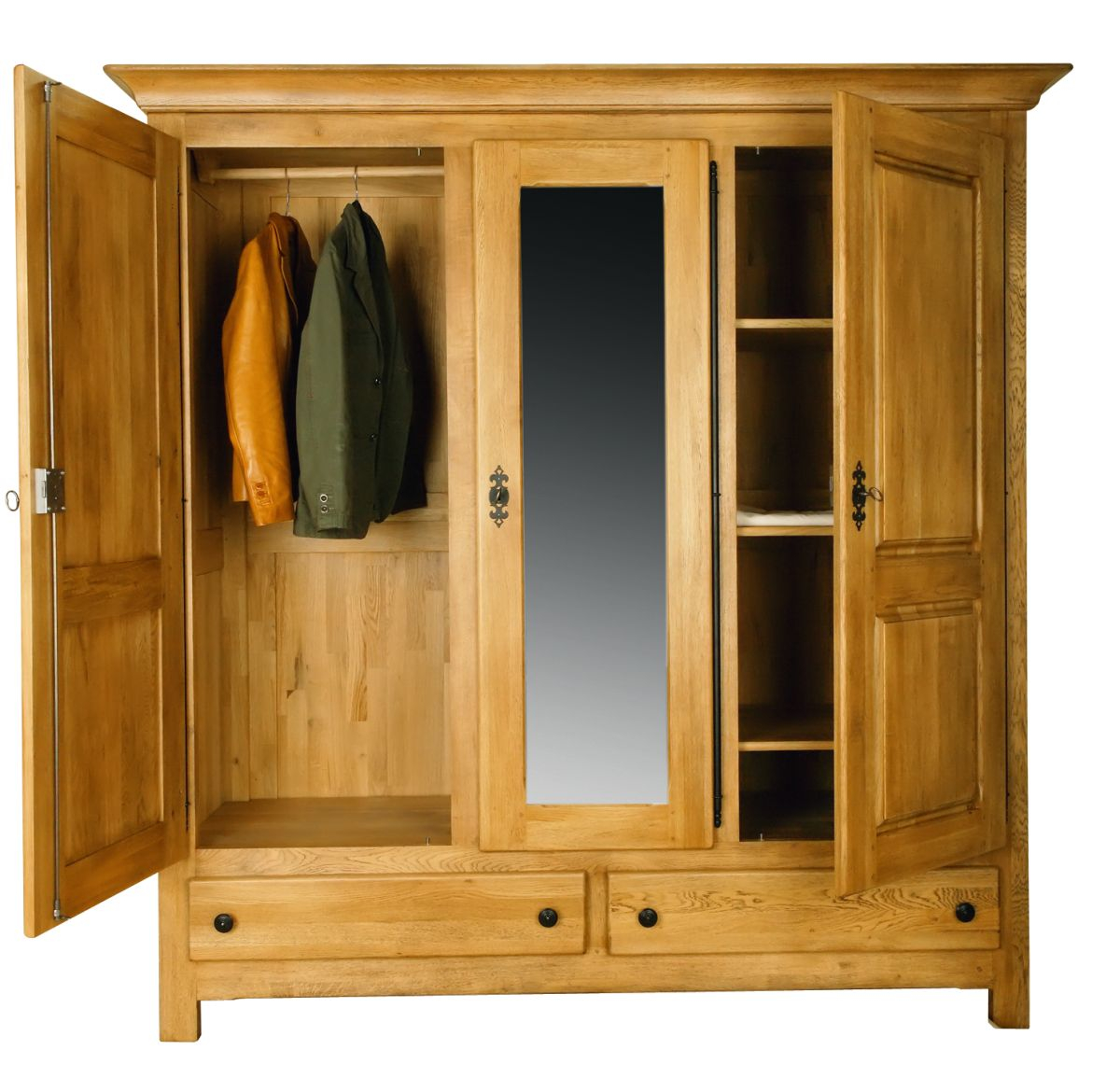
Once you’ve got the external dimensions sorted, the internal layout becomes your next best friend. A wardrobe’s internal configuration can dramatically affect its usability, regardless of its external size. Think about whether you need more hanging space versus shelving. Do you have a lot of long garments that require a full-length hanging rail. Or are you more of a folder, who would benefit from more shelves and drawers?
Many wardrobes come with a standard setup, often with a hanging rail and a shelf above. However, you can often customize this. Some brands offer modular systems where you can add or remove shelves, drawers, and even specialized compartments like shoe racks or tie organizers. When you’re looking at a wardrobe, peek inside (or at the product description) and visualize your clothes in there. Will your shirts fit neatly on the rail. Can you stack your sweaters without them toppling over. A well-planned interior can make even a moderately sized wardrobe feel surprisingly spacious and incredibly organized.
Measuring Your Space: The Non-Negotiable First Step
Before you even start browsing, the absolute first step is to measure your space accurately. Grab a tape measure and head to the room where the wardrobe will live. Measure the width of the wall where you plan to place it. Don’t forget to account for windows, radiators, light switches, and power outlets that might affect placement or access.
Next, measure the depth of the space. This is especially important if you’re considering a built-in or semi-built-in wardrobe, or if you need to ensure it doesn’t protrude too far into the room. Finally, measure the height from the floor to the ceiling. If you plan on having the wardrobe reach the ceiling, ensure you have enough clearance to maneuver it into the room and up into position. It’s also a good idea to measure any doorways, hallways, and stairwells the wardrobe will need to pass through during delivery. A beautiful wardrobe that can’t be brought into the room is just a frustrating disappointment.
Considering Your Wardrobe Needs: What Are You Storing?
Beyond the physical space, your personal wardrobe needs are paramount. Take an honest inventory of your clothing. Do you have a vast collection of formal wear that needs long hanging space? Are you a shoe enthusiast with dozens of pairs to store? Perhaps you own a lot of bulky knitwear that takes up significant shelf space.
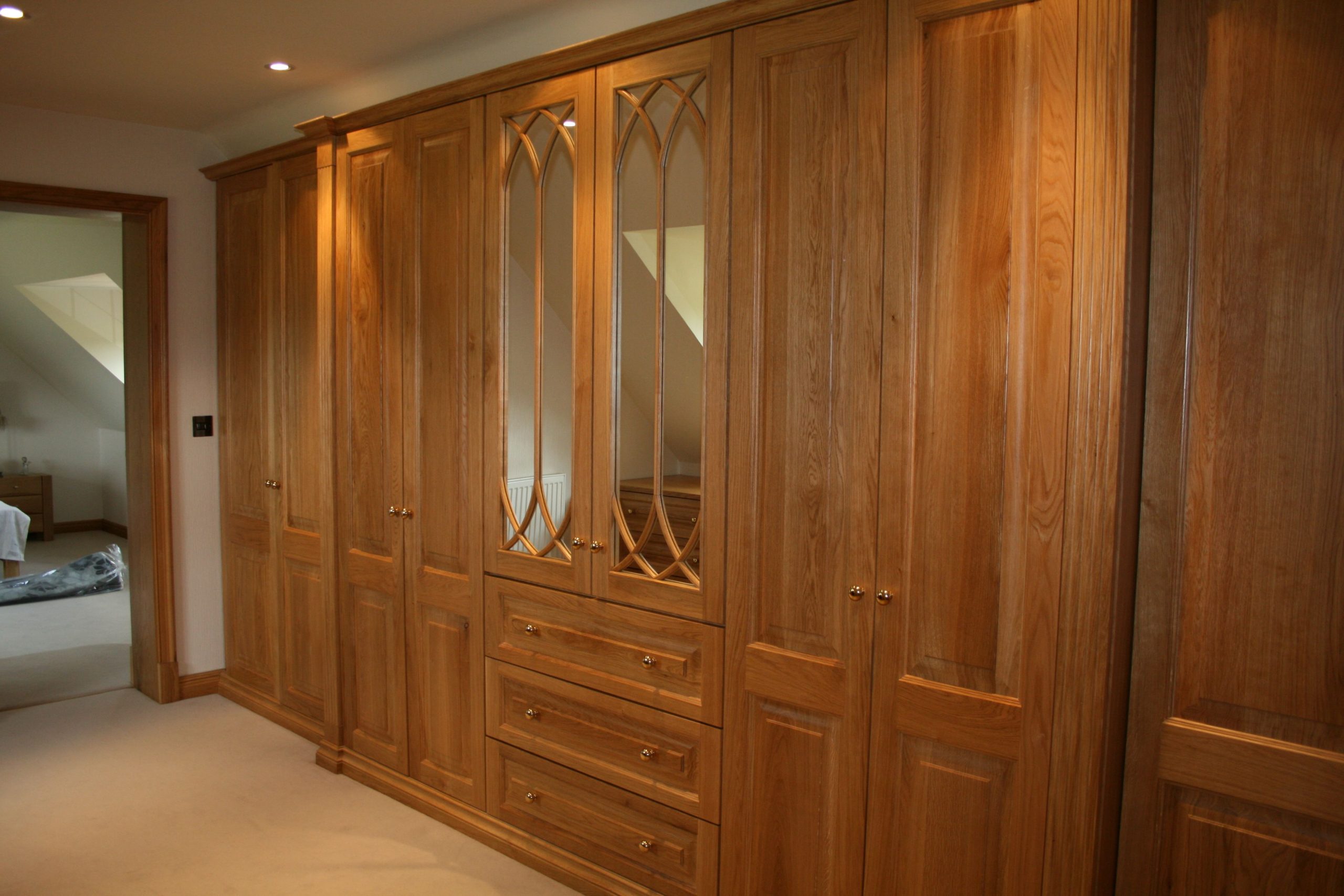
For those with many long items like dresses, coats, and suits, prioritize wardrobes with dedicated full-length hanging sections. If folded items are your staple, focus on units with ample shelving and consider adding drawers for smaller items. If you’re someone who likes to keep things tidy and visible, a wardrobe with internal lighting or glass-fronted doors might be appealing, though these can sometimes impact the internal depth slightly. Ultimately, the best wardrobe dimensions are those that align with how you live and what you wear. It’s about creating a storage solution that works for you and your unique collection of garments.
Choosing the right wardrobe dimensions doesn't have to be a daunting task. By carefully considering depth, width, and height, and by accurately measuring your space and your belongings, you can find a wardrobe that not only fits perfectly but also enhances the functionality and beauty of your room. Remember to think about the internal layout and how it will accommodate your specific clothing needs. A little planning upfront can save you a lot of frustration down the line, ensuring your new wardrobe is a source of organized bliss for years to come. Happy wardrobe hunting!