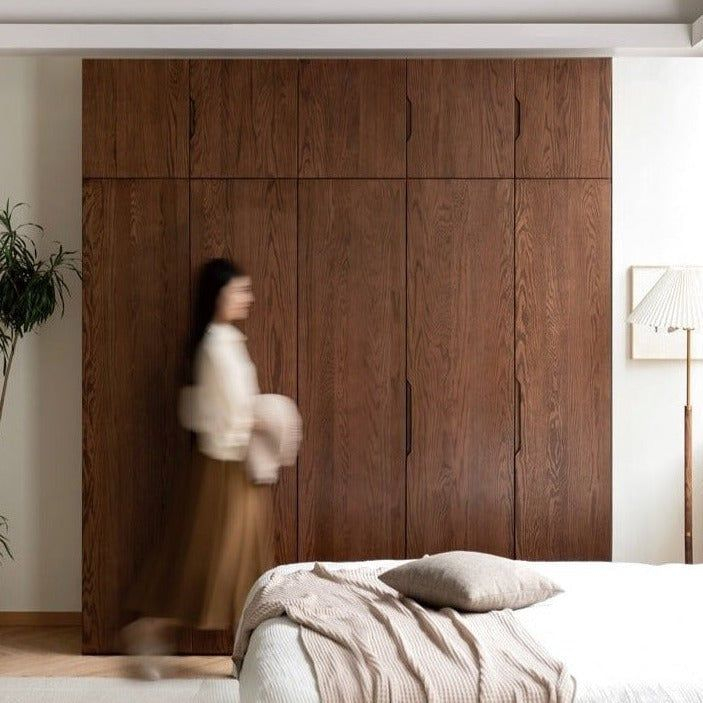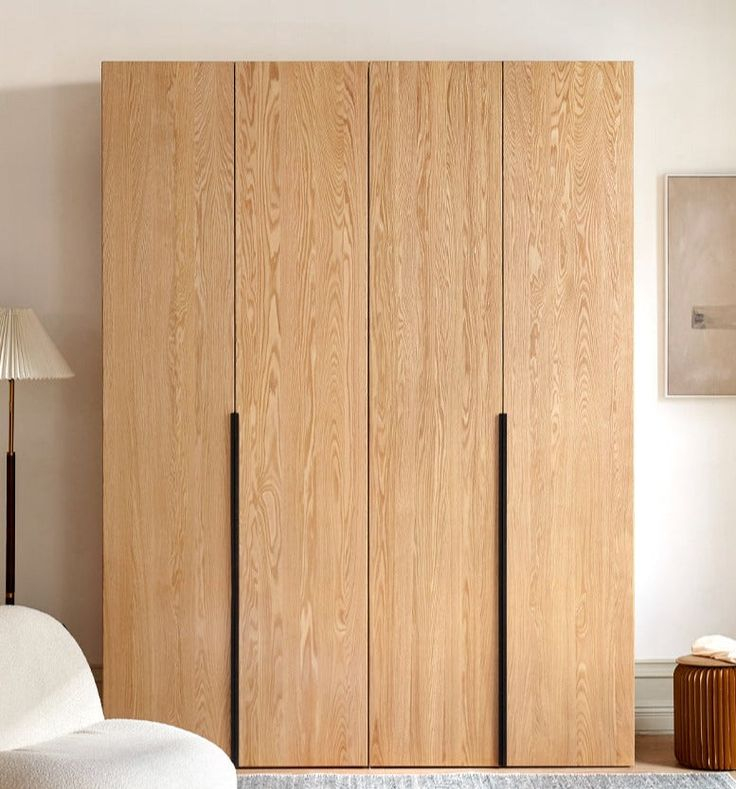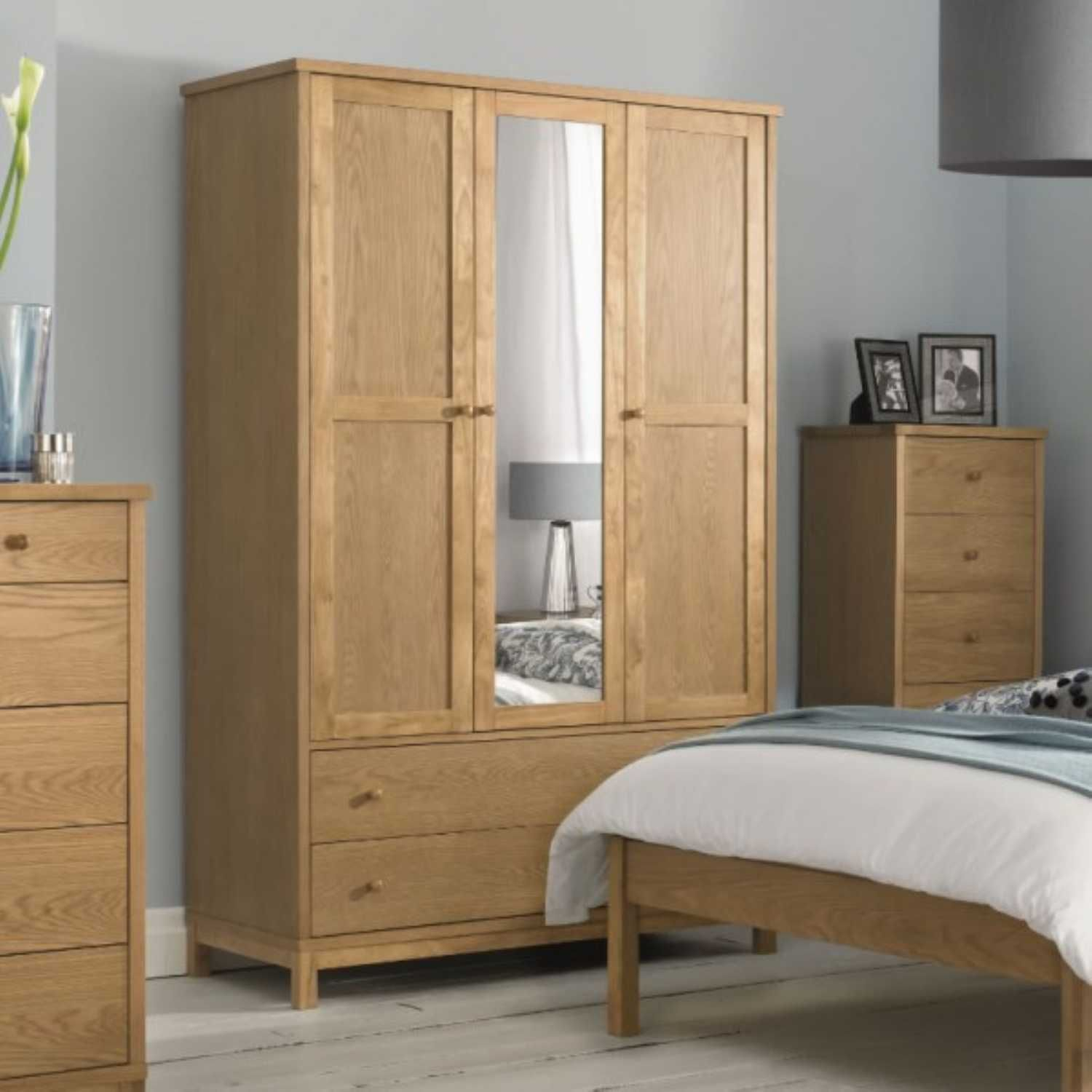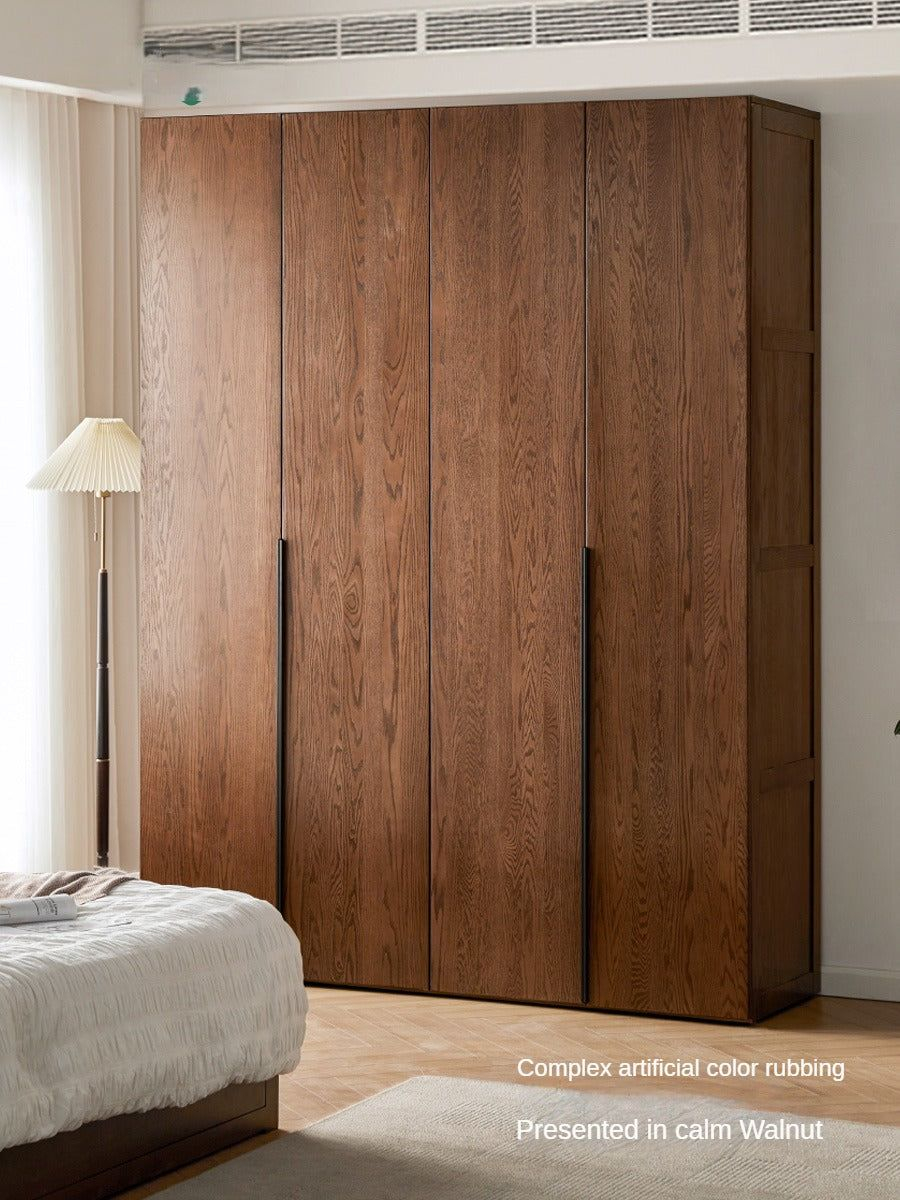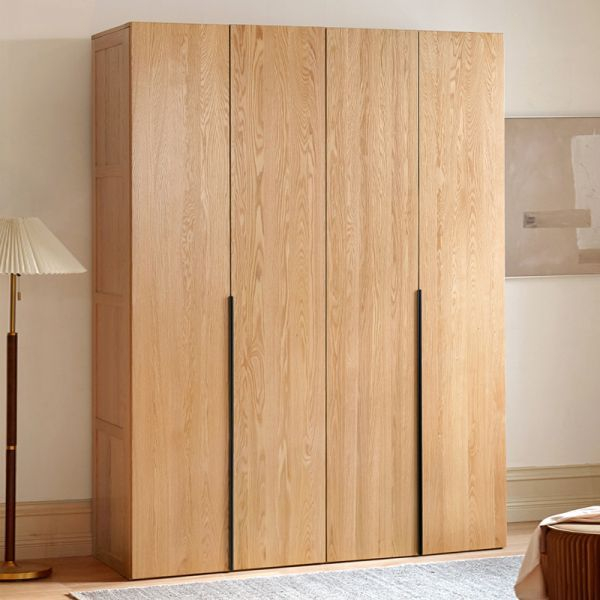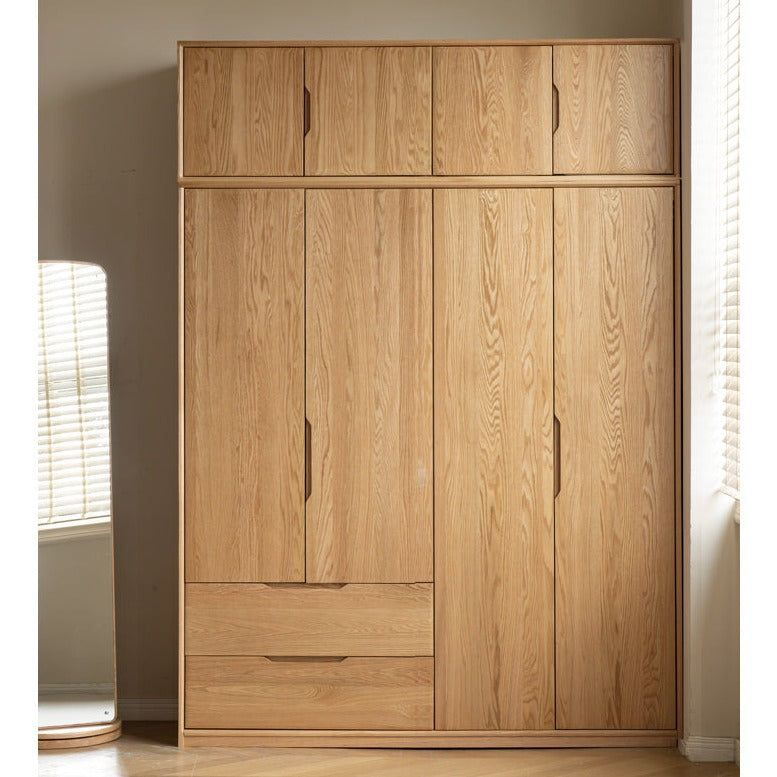
You might be thinking about a new wardrobe, perhaps something that looks good and works well. But have you ever stopped to consider the sheer skill and dedication that goes into creating a piece of furniture like an oak sliding door wardrobe? It's not just about putting wood together; it’s about a tradition of excellence, a commitment to quality, and an understanding of how to make something both beautiful and profoundly useful. Let’s pull back the curtain on what makes these wardrobes so special and why they continue to be a sought-after addition to any home.
There's something undeniably classic about oak. It’s a timber that speaks of strength, durability, and a natural elegance that simply doesn't go out of style. When you combine this magnificent material with the smart, space-saving design of sliding doors, you get a wardrobe that’s not just a place to stash your clothes, but a statement piece. But what exactly makes an oak sliding door wardrobe a cut above the rest? It’s all in the details, the careful selection of materials, and the skilled hands that shape them. We're going to explore the journey of these wardrobes, from the forest to your bedroom, revealing the craftsmanship that underpins their enduring appeal.
The Soul of the Wardrobe: Selecting the Right Oak
It all begins with the wood, and for a quality oak wardrobe, the choice of oak is paramount. Not all oak is created equal, you see. You'll often find pieces crafted from either European Oak or American Oak, each with its own distinct character. European Oak, for instance, is celebrated for its rich, often more pronounced grain patterns and a slightly darker hue, lending a sense of history and substance. American Oak, on the other hand, can be a bit lighter and more uniform in its appearance, offering a clean, contemporary feel. The best artisans are meticulous about selecting planks with straight, consistent grain, free from significant knots or imperfections that could compromise the structural integrity or aesthetic appeal. They’ll look for wood that has been properly seasoned too – dried slowly and evenly to prevent warping or cracking down the line. This initial selection is the foundation of a truly great piece. It’s like choosing the finest ingredients for a gourmet meal; the quality of the starting material dictates the final outcome.
Precision in Design: The Engineering of Sliding Doors
Sliding doors are a marvel of engineering, and when they're paired with oak, the precision required is even greater. Unlike traditional hinged doors, sliding doors need to move smoothly and silently, often on a concealed track system. The oak panels themselves need to be perfectly sized and balanced to ensure they glide effortlessly. This means incredibly accurate measurements and cuts. The weight of the oak also needs to be considered. A skilled craftsman will ensure the doors are substantial enough to feel luxurious but not so heavy that they become cumbersome. The track and runner systems are often made from robust metals, designed to withstand years of use without faltering. The integration of these elements – the solid oak panels and the sophisticated hardware – is where the magic truly happens. It's a delicate dance between the natural beauty of the wood and the functional genius of the mechanism. Think about it: you want that satisfying whoosh as the door glides open, revealing your organized space, not a clunky, jarring movement.
Joinery Techniques: The Unseen Strength
The real test of craftsmanship often lies in the joinery – how the different pieces of oak are connected. For a wardrobe built to last, you won't find a lot of screws and glue holding the main structure together. Instead, you'll see time-honored techniques like mortise and tenon joints, dovetails, and dowel joints. A mortise and tenon joint, for example, involves cutting a rectangular hole (the mortise) in one piece of wood and a corresponding projection (the tenon) on another, which then slot together. This creates an incredibly strong and stable connection. Dovetail joints, with their interlocking, fan-shaped pins, are particularly famous for their strength and are often used in drawers and corner connections. These methods are labor-intensive and require immense skill and precision, but they result in furniture that is not only beautiful but also incredibly robust and durable. It’s this unseen strength, this commitment to traditional methods over quick fixes, that truly defines quality furniture making. It’s a testament to the maker's pride in their work.
The Art of the Finish: Protecting and Enhancing the Oak
Once the structure is assembled, the finishing process begins, and this is where the natural beauty of the oak is truly brought to life. The goal is to protect the wood from moisture, wear, and tear, while also enhancing its inherent grain and color. You'll typically see finishes like oils, waxes, lacquers, or varnishes. Natural oils and waxes penetrate the wood, giving it a soft, matte sheen and a warm feel, highlighting the intricate patterns within the grain. Lacquers and varnishes, on the other hand, provide a more durable protective layer, often with a satin or even a glossier finish. The application is key here. It’s usually done in multiple thin coats, with sanding between each layer to ensure a perfectly smooth surface. A skilled finisher understands how different treatments will affect the oak’s appearance, ensuring the final look is both stunning and long-lasting. It's about coaxing out the wood's natural luminescence and providing a shield against the elements of daily life. A poorly finished piece can look dull and feel rough, but a masterfully finished oak wardrobe will draw your eye and invite you to touch it.
Details That Matter: Hardware, Interiors, and Personalization
Beyond the main structure, it’s the smaller details that elevate an oak sliding door wardrobe from good to exceptional. The hardware – the door handles, if present, or the mechanisms for the sliding system – is often chosen for its quality and aesthetic compatibility with the oak. Think brushed metal finishes, or even solid wood handles that echo the wardrobe's material. Internally, the organization can be just as thoughtfully designed. Adjustable shelves, sturdy hanging rails, and well-constructed drawers are crucial. Some wardrobes offer a degree of personalization, allowing you to choose the internal layout that best suits your needs. Perhaps you need more hanging space for dresses, or specifically designed drawers for accessories. This level of customization, combined with high-quality internal fittings, ensures the wardrobe is not just beautiful on the outside, but perfectly functional for your lifestyle. It's about creating a seamless experience, from the moment you approach the wardrobe to the moment you retrieve an item.
Why Oak Sliding Door Wardrobes Endure
So, why do oak sliding door wardrobes remain such a popular and cherished choice? It’s a combination of factors, really. Oak is incredibly durable and, with proper care, can last for generations. Its natural beauty means it never truly goes out of fashion, fitting seamlessly into both traditional and contemporary interiors. The sliding door mechanism is a brilliant solution for maximizing space, especially in bedrooms where floor area might be limited. And then there's the craftsmanship. When you invest in an oak sliding door wardrobe, you're not just buying furniture; you’re acquiring a piece of functional art, built with skill, care, and a deep understanding of materials. It’s a piece that brings warmth, elegance, and enduring value to your home. It’s an investment in quality that pays dividends in both aesthetics and practicality for years to come.
As we've seen, the creation of an oak sliding door wardrobe is a journey steeped in tradition and precision. From the careful selection of the finest oak timber and the intricate joinery that forms its backbone, to the smooth operation of its sliding doors and the exquisite finish that protects and enhances its natural beauty, every step is a testament to dedicated craftsmanship. This isn't just about storage; it's about owning a piece of furniture that embodies quality, durability, and timeless style. The next time you encounter one of these magnificent wardrobes, take a moment to appreciate the skill and artistry that went into its making. It’s a piece that truly stands the test of time, adding a touch of enduring elegance to any living space.