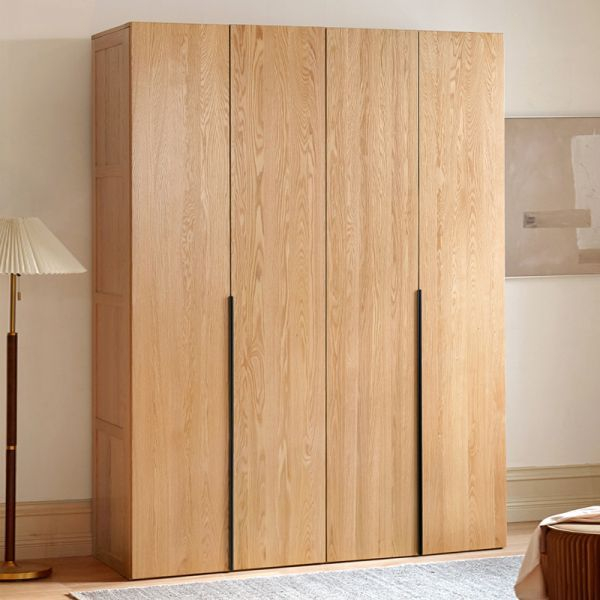
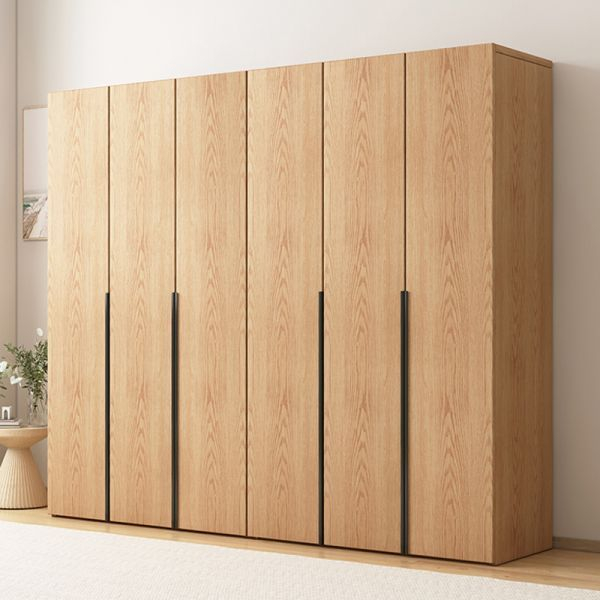
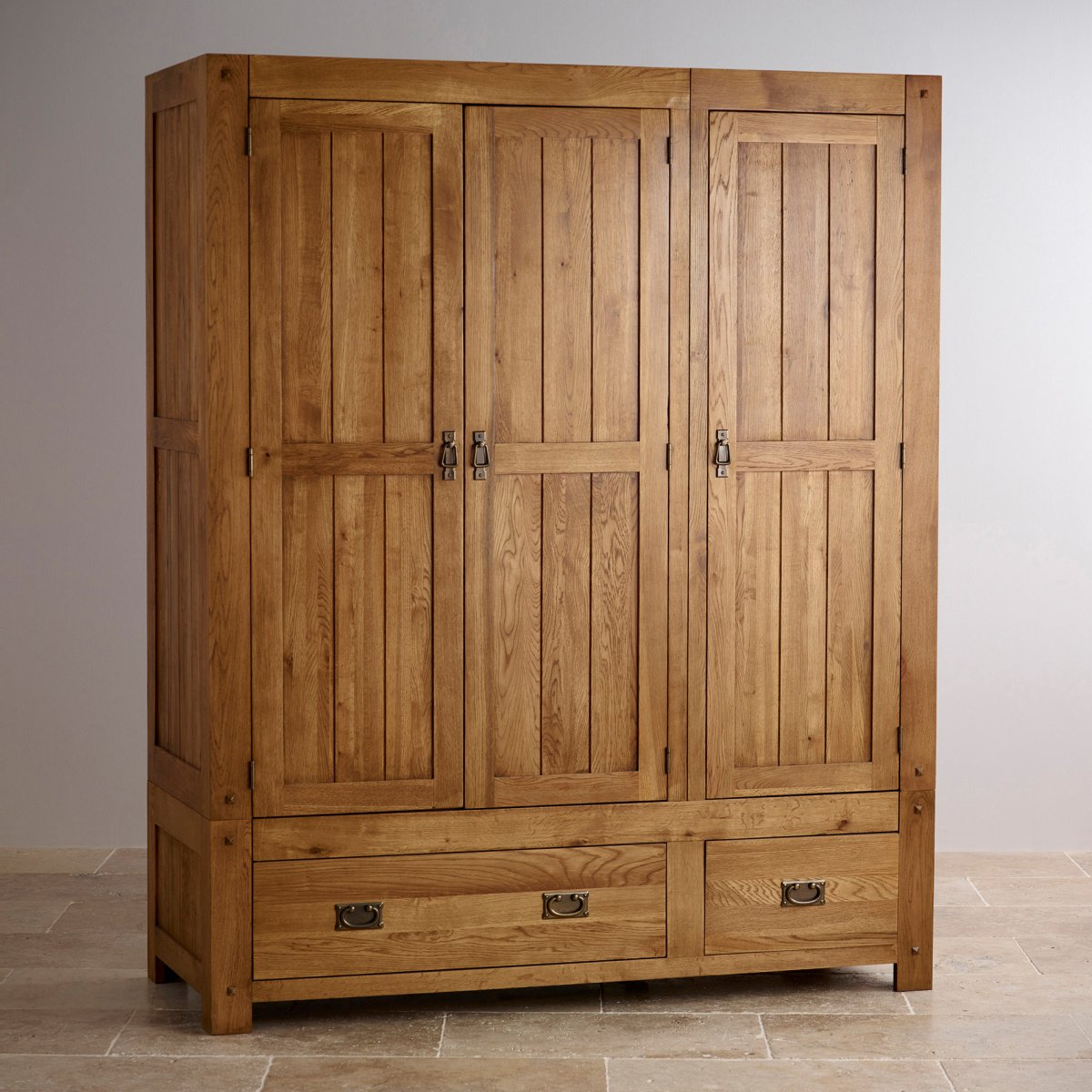
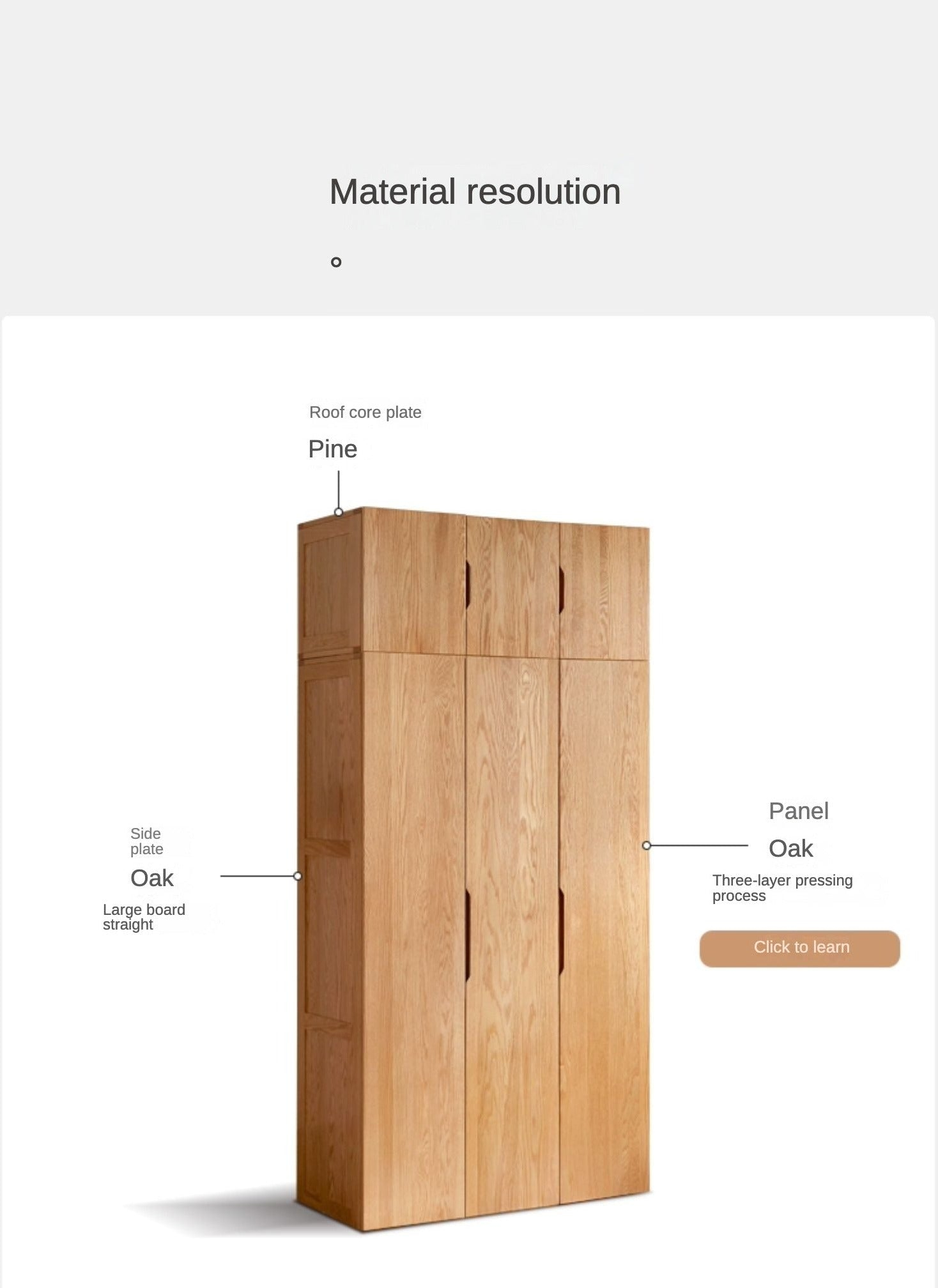
Ever noticed how two solid oak wardrobes, even from the same maker, can look distinctly different? It's not a mistake; it's nature's artistry at play. Solid oak wood, a beloved material for furniture, boasts an incredible range of natural variations that make each piece truly one-of-a-kind. Let's dive into what makes your oak wardrobe so special.
When you choose a solid oak wood wardrobe, you're not just buying storage; you're investing in a piece of nature's craftsmanship. Oak has been a go-to for furniture makers for centuries, and for good reason. It's sturdy, it's handsome, and it tells a story. But what truly sets oak apart is its inherent variability. Think of it like fingerprints – no two oak trees, and therefore no two oak wardrobes, are exactly identical. This article will guide you through the beautiful quirks and characteristics that make your solid oak wardrobe a unique treasure.
The Story Told by the Grain
The grain of wood is like its signature. For oak, you'll often see a distinct pattern. This can range from a straight, uniform grain to more wavy or figured patterns. The way the tree grew, the conditions it experienced, and even how the lumber was cut all contribute to the final look. For instance, 'quartered oak' might show prominent flecks, a byproduct of cutting the log along its radial plane. Then there's 'rift sawn' oak, which offers a more linear, sometimes almost striped appearance. Understanding these patterns helps you appreciate the visual texture – it's not just wood; it's a landscape captured.
A Spectrum of Hues: Color Variations
Oak isn't just one color. Its natural shade can vary significantly. You might find it ranging from a pale, creamy white to a medium brown, or even a richer, darker tone. This variation is influenced by the species of oak (like red oak or white oak), the soil it grew in, and its age. Furthermore, the way the wood is finished can highlight or subtly alter these natural colors. A clear lacquer will showcase the wood's inherent tones, while a stain can deepen them or introduce new shades. It’s this subtle color play that gives solid oak furniture its depth and warmth.
Knots, Burls, and Character Marks
Don't shy away from knots and other 'character marks' in your oak wardrobe. These aren't flaws; they're badges of honor from the tree's life. Knots are where branches once grew, and they can add a rustic charm or a focal point to the wood. Burls, which are abnormal growths, can create incredibly intricate and swirling patterns. Some people specifically seek out wood with these features because they lend a unique personality to the piece. Think of them as nature's way of adding an artistic flourish, making your wardrobe truly distinctive and full of character. It's these little imperfections that often make furniture more interesting. For example, a small, tight knot can add a touch of rustic charm that a completely flawless piece might lack.
The Impact of Growth Rings and Rays
Oak trees, like all trees, grow in rings, and these are visible in the wood. The spacing and prominence of these growth rings can differ from one section of the wardrobe to another, contributing to the overall visual texture. Then there are medullary rays, which are lines that run perpendicular to the growth rings. In certain cuts, especially quarter-sawn oak, these rays can appear as striking flecks or ribbons, adding a beautiful, almost shimmering quality. These elements are key indicators of the wood's origin and growth history, offering a glimpse into the tree's journey.
Why These Variations Matter for Your Wardrobe
Understanding these natural variations is crucial when selecting and appreciating your solid oak wardrobe. It means that the sample you saw in the showroom might not be an exact match for the wardrobe delivered to your home, and that's perfectly normal. Instead of seeing it as an inconsistency, view it as proof of authenticity and uniqueness. These variations are what prevent mass-produced, identical furniture from having the same appeal. Your oak wardrobe, with its specific grain, color, and character marks, is a singular creation, reflecting the natural world in your living space. It’s a testament to the beauty of organic materials and the skill of the craftsperson who brought it to you.
Caring for Your Unique Oak Piece
Caring for your solid oak wardrobe is straightforward, but understanding its natural variations can inform your approach. For general cleaning, a soft, damp cloth usually suffices. Avoid harsh chemicals or abrasive cleaners, as these can damage the finish and potentially alter the wood's natural appearance. Over time, oak can subtly change color due to exposure to light and air, a process known as patination. This is a natural evolution and part of the wood's charm. If you're concerned about protecting specific features, like delicate grain patterns or lighter wood areas, consult the manufacturer's care instructions. Regular, gentle maintenance will ensure your unique oak wardrobe remains a cherished piece for years to come.
So, the next time you look at your solid oak wood wardrobe, take a moment to admire its individual characteristics. The subtle shifts in color, the unique flow of the grain, perhaps even a well-placed knot – these are not imperfections, but rather the hallmarks of a natural, living material. They are what make your wardrobe a truly singular item, a piece of functional art that brings the enduring beauty of oak into your home. Cherish its distinctiveness, for it’s a constant reminder of nature’s incredible diversity and the simple elegance of solid wood.