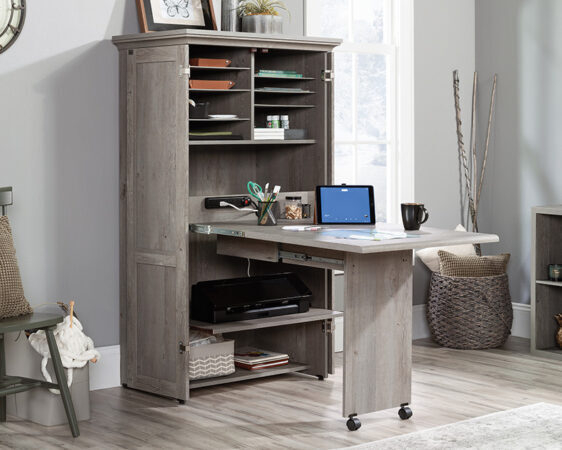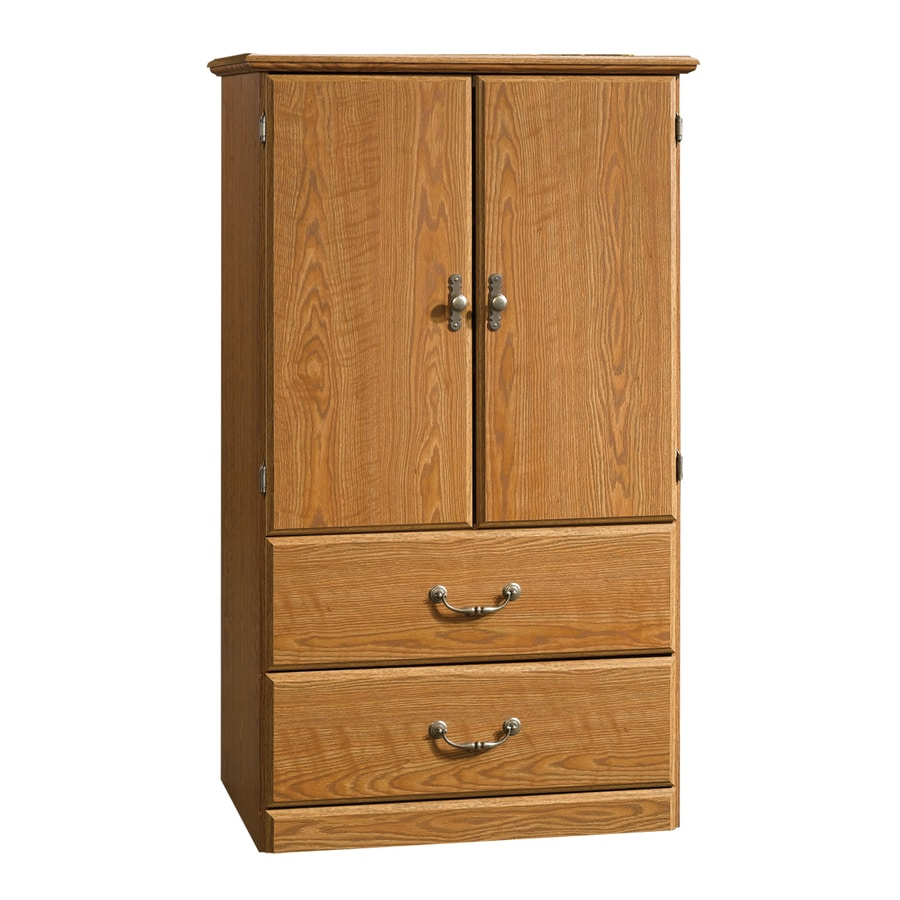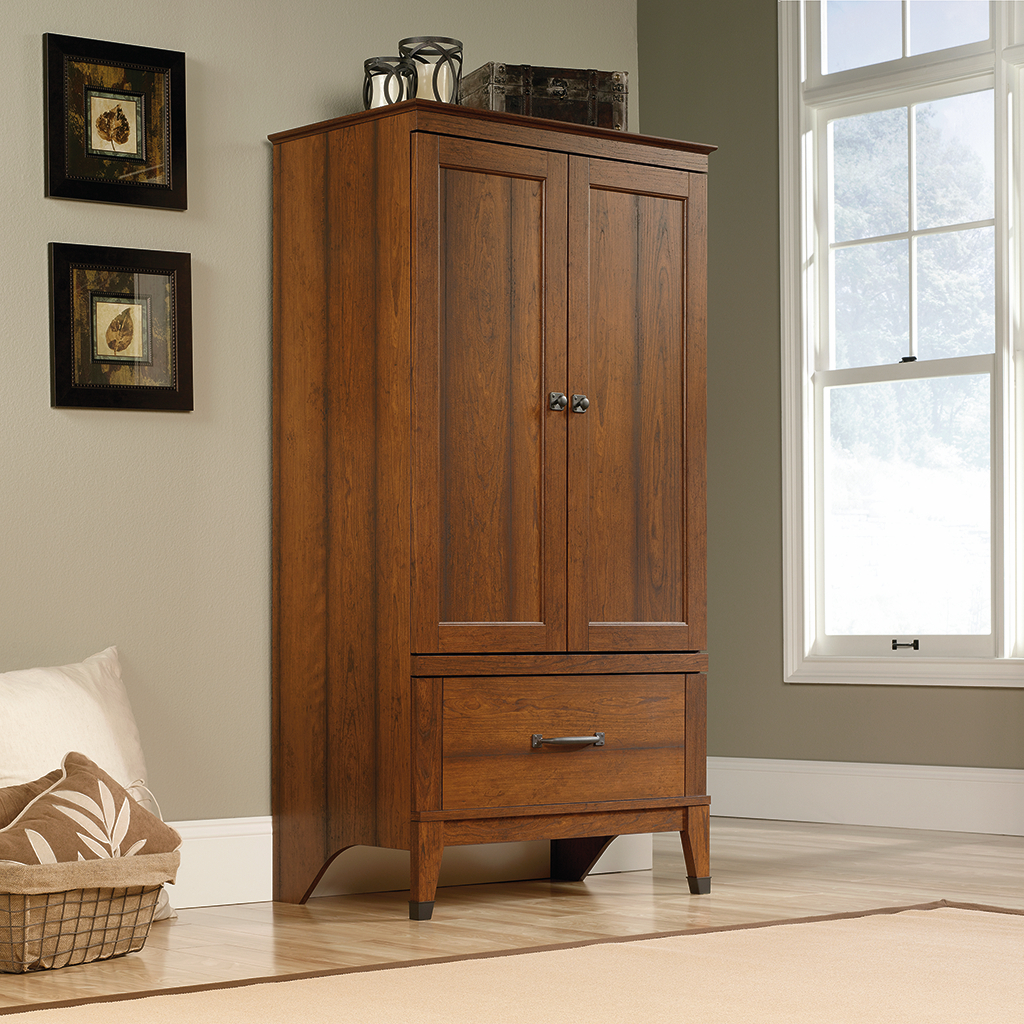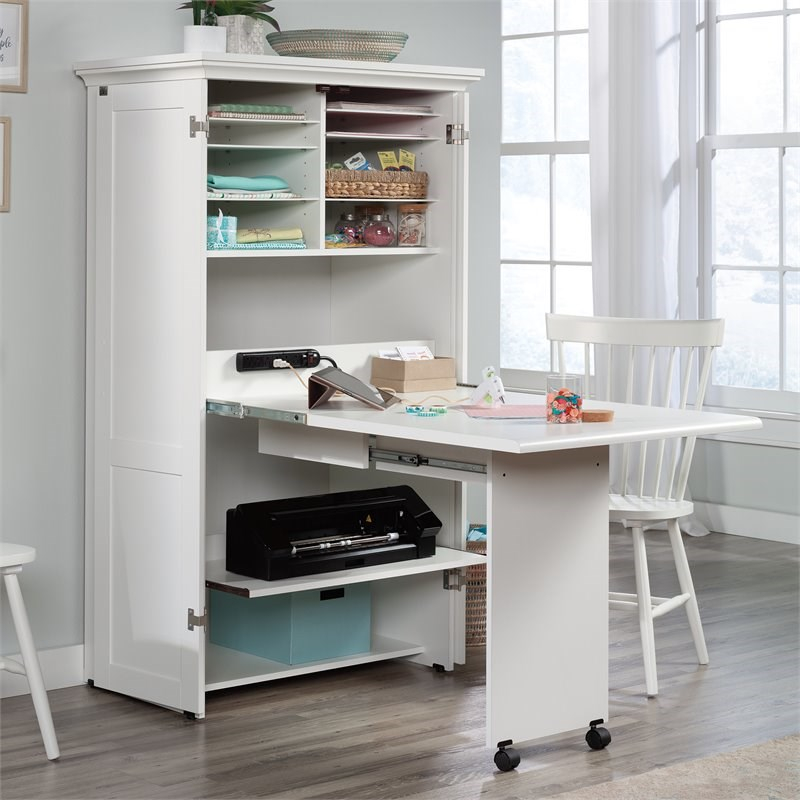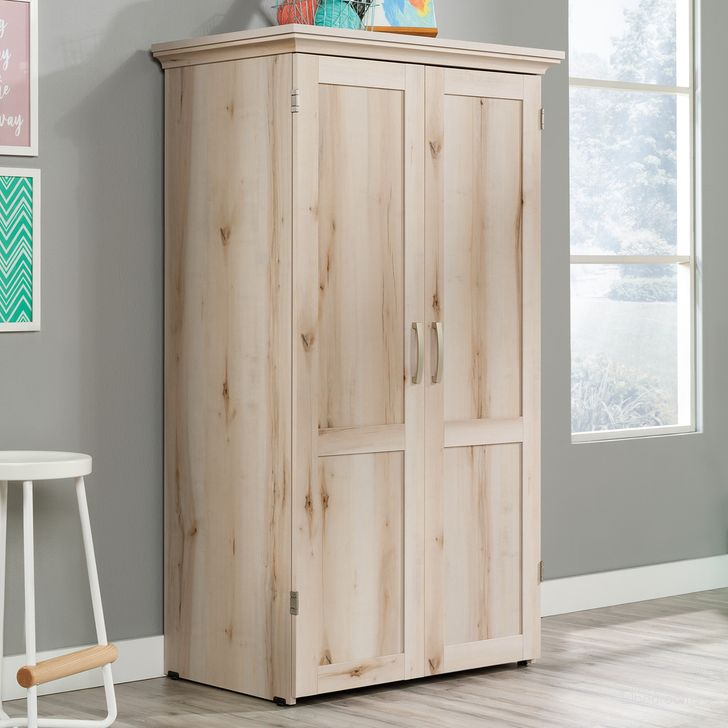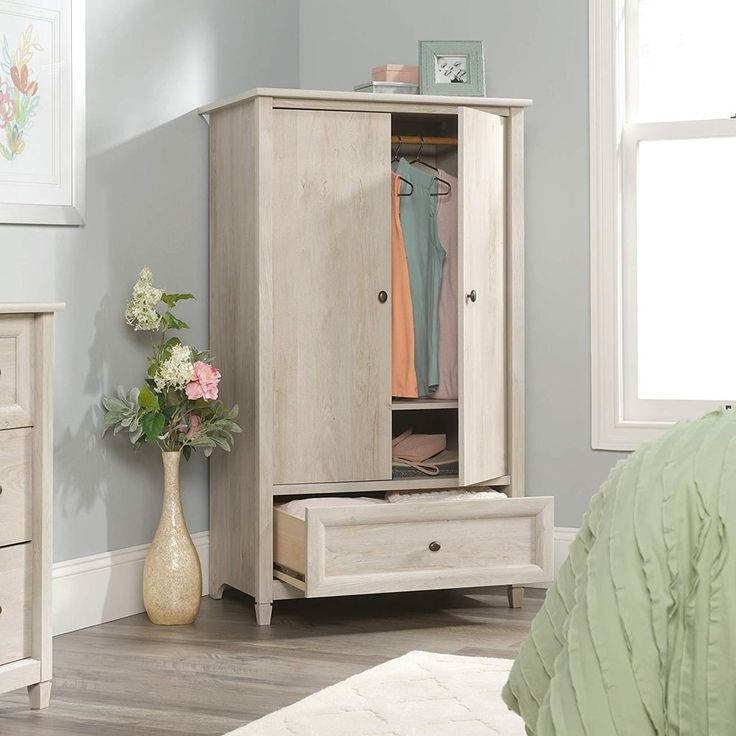
That Sauder armoire you love? It’s more than just furniture; it’s a canvas for clever organization. We’ll dive deep into how to make every inch count, turning potential chaos into calm, functional beauty. Get ready to see your armoire in a whole new light and unlock its true potential.
We all have that one piece of furniture that seems to swallow things whole, right? For many, it's the Sauder armoire. It's a dependable workhorse, offering ample space, but without a plan, it can quickly become a black hole of forgotten items and tangled messes. But what if I told you that with a few smart strategies, you could transform that armoire from a source of closet-related anxiety into a sanctuary of order and efficiency? It’s not about having a perfect, magazine-ready display; it's about creating a system that works for you, making your daily life smoother and less stressful. Let's explore how to really get the most out of your Sauder armoire, unlocking its hidden potential and bringing a sense of calm to your space.
Step 1: The Great Purge - Declutter Before You Organize
Before you even think about folding or hanging, it's time for the dreaded, yet utterly essential, decluttering. You can't organize clutter, you can only move it around. So, pull everything out. Yes, everything. Take a deep breath. Now, sort items into three piles: Keep, Donate/Sell, and Trash. Be honest with yourself. If you haven't worn that shirt in a year, or if that gadget is still in its packaging, it's probably time to let it go. Think about the purpose of your armoire. Is it for clothing, linens, or perhaps a mix? Tailor your purge to its intended use. This initial step is crucial; it clears the path for effective organization and ensures you're only organizing what you truly need and love.
Step 2: Zone Defense - Assigning Spaces
Once you know what's staying, it's time to get strategic. Think of your armoire like a house with different rooms. Assign specific zones for different types of items. For instance, dedicate the top shelves to less-used items like seasonal clothing or extra bedding. The main hanging space, naturally, is for your everyday wear. Drawers can be perfect for folded items like t-shirts, activewear, or undergarments. Even small compartments can be utilized for accessories like belts, scarves, or jewelry. Creating these distinct zones makes it incredibly easy to find what you're looking for and, just as importantly, to put things back where they belong. It’s about creating a logical flow that mirrors your daily routine.
Step 3: The Art of Folding and Hanging
Now, let's talk about the nitty-gritty: how you store your items. For hanging clothes, consider using slim, matching hangers. They not only look neater but also save precious space. Group similar items together – all your shirts, then all your pants, and so on. Within those groups, you can further organize by color or sleeve length. For folded items, the KonMari method of vertical folding can be a game-changer. Instead of stacking, fold items so they stand upright in drawers or bins. This allows you to see everything at a glance, preventing the dreaded bottom-of-the-drawer rummage. It’s a small change that makes a huge difference in accessibility and visual appeal.
Step 4: Maximize Every Inch with Smart Accessories
Your Sauder armoire likely has a lot of untapped potential, especially in those often-forgotten spaces. Think vertically! Shelf dividers can prevent stacks from toppling over and create more defined areas. Over-the-door organizers are fantastic for smaller items like shoes, accessories, or cleaning supplies. Drawer organizers, or even simple dividers, can keep socks, undergarments, and small accessories from becoming a jumbled mess. For hanging rods, consider adding a second tier with a hanging closet rod extender if space allows. Don't forget the back of the doors; they can be utilized for hooks or shallow storage solutions. Every little bit helps!
Step 5: Labeling for Longevity
This might seem like a small detail, but labeling can be incredibly effective, especially for items stored in bins or on higher shelves. If you’re storing off-season clothes, labeling the bins clearly means you won’t have to unpack everything to find that one sweater. For drawers with similar items, a small label can prevent confusion. It’s a simple step that reinforces your organizational system and makes future retrieval a breeze. Plus, it adds a touch of polished professionalism to your armoire, making everything look intentionally placed.
Step 6: Maintenance - Keeping the Order
Organization isn't a one-time event; it's an ongoing practice. The key to maintaining your beautifully organized Sauder armoire is to build small habits. Implement a 'one in, one out' rule for clothing to prevent over-accumulation. Spend a few minutes each week tidying up, putting stray items back in their designated zones. When you bring new items home, take the time to integrate them properly into your system. A quick weekly tidy-up prevents the chaos from creeping back in and ensures your armoire remains a functional and stress-free part of your home.
Your Sauder armoire is a valuable piece of furniture, and with a little intention and effort, it can become a powerful tool for bringing order and peace into your life. By decluttering, zoning, employing smart folding and hanging techniques, utilizing clever accessories, labeling, and committing to regular maintenance, you can unlock its true potential. It’s not about perfection; it’s about creating a functional, beautiful space that serves you well. So, take a deep breath, roll up your sleeves, and get ready to experience the joy of an organized armoire. You’ve got this!