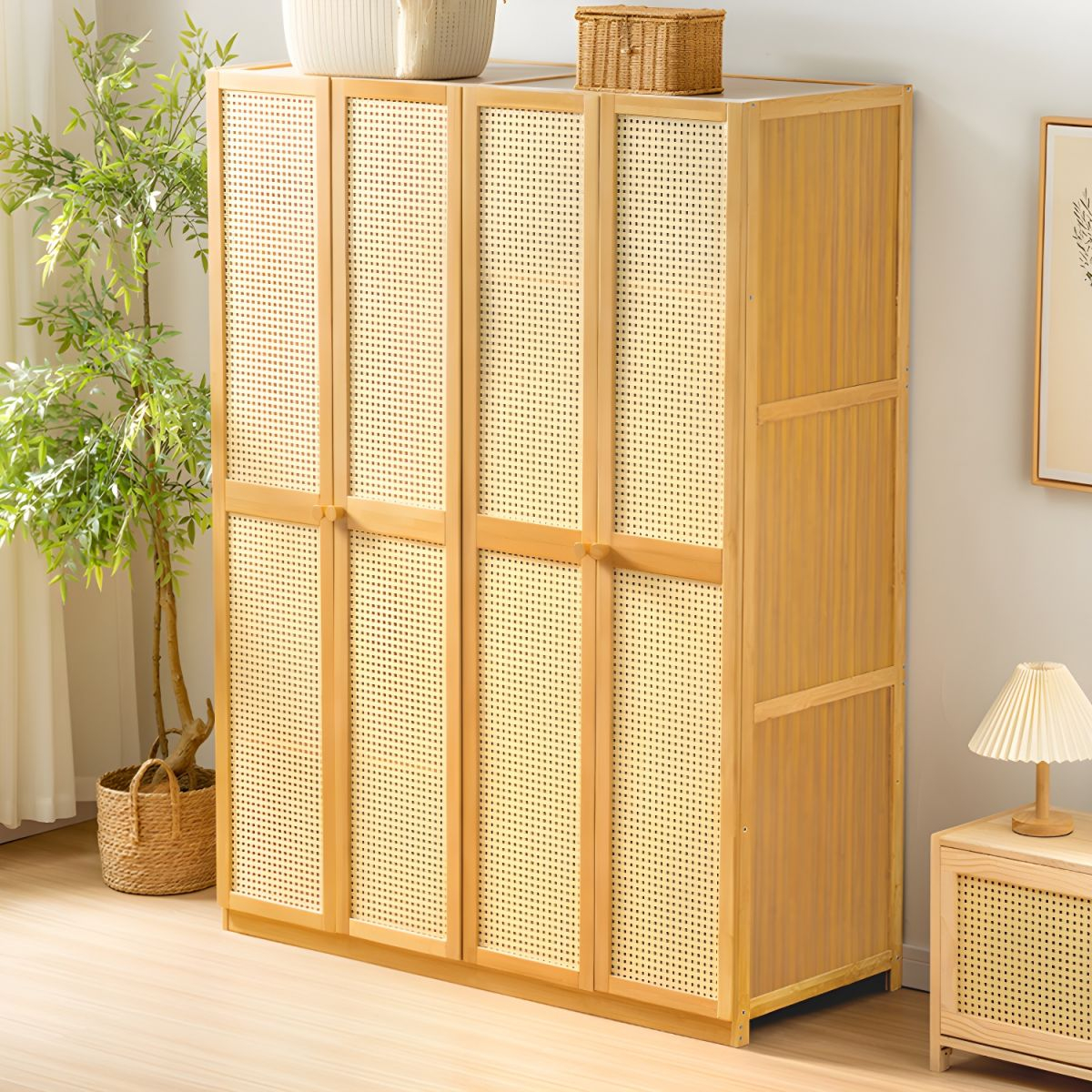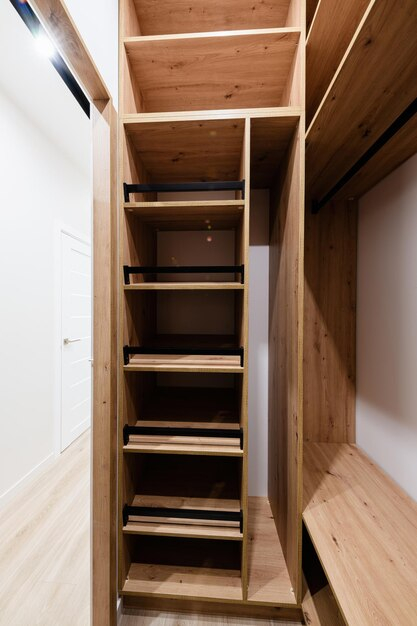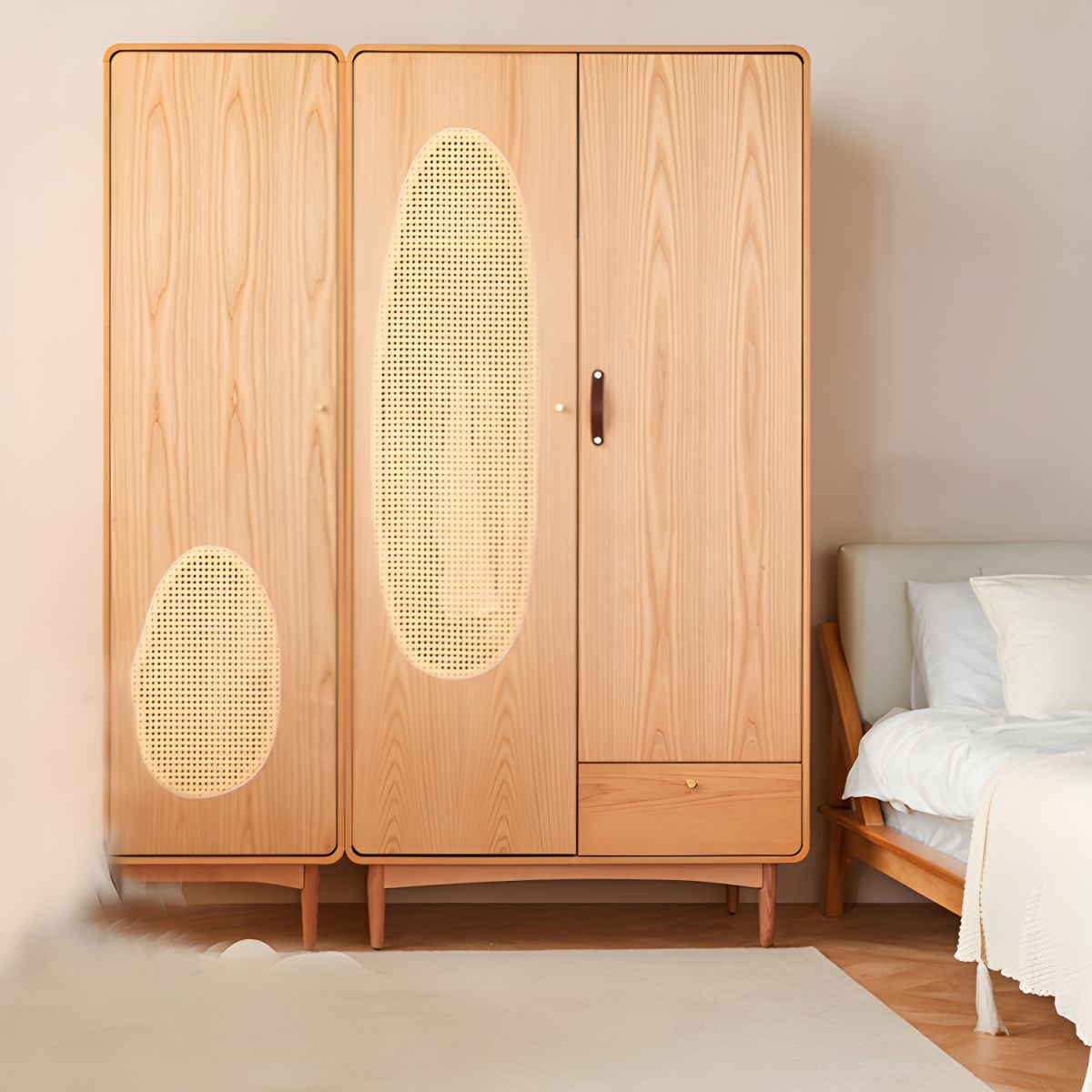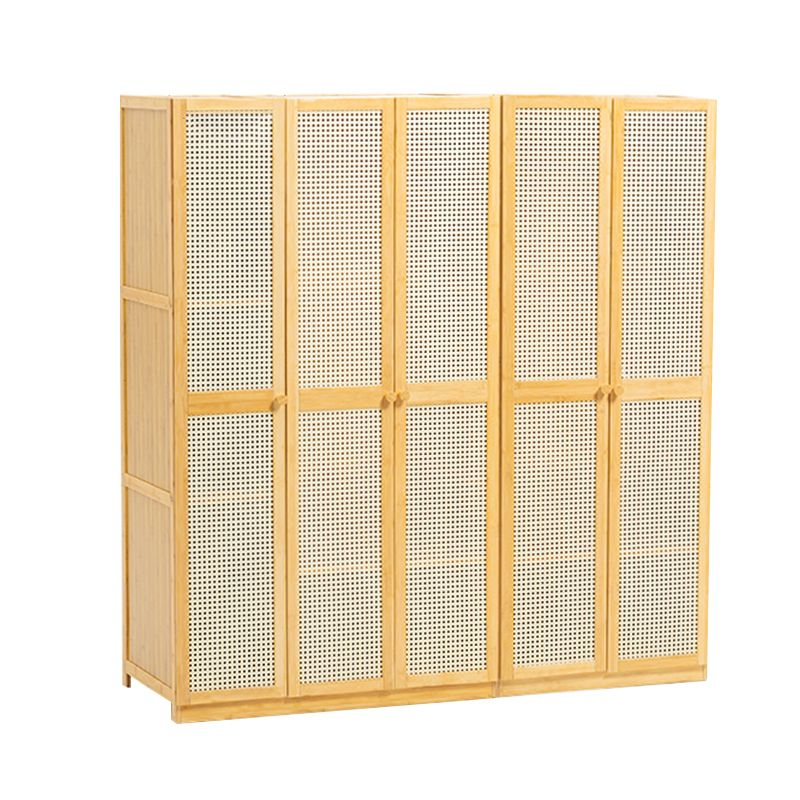
There's something undeniably special about a natural wood wardrobe. The rich grain, the unique character, the way it ages gracefully – it’s more than just furniture; it's a piece of art that holds your most treasured belongings. But like anything beautiful and natural, it requires a little love and attention to truly stand the test of time. This guide is all about making sure your wooden wardrobe remains a stunning centerpiece in your room for decades to come.
We all have that one piece of furniture that just feels right. For many, it’s the wardrobe, a silent guardian of our clothes and personal style. Natural wood, with its inherent warmth and texture, offers a timeless elegance that synthetic materials often struggle to replicate. But what’s the secret to keeping that wood looking its absolute best, day in and day out. It’s not rocket science, really. It’s about understanding a few key principles of care and maintenance. Let’s dive in and unlock the secrets to natural wood wardrobe longevity.
Understanding Your Wood: The First Step
Before you grab any old cloth or spray, take a moment to appreciate the specific type of wood your wardrobe is made from. Is it a sturdy oak, a warm cherry, a sleek maple, or perhaps a more delicate pine. Different woods have different needs. For instance, hardwoods like oak are generally more robust and can handle a slightly more vigorous cleaning. Softer woods, like pine, might be more prone to dents and scratches, so a gentler approach is always best. Knowing your wood is like knowing your friend – it helps you treat it right. Always check any manufacturer’s instructions if you have them; they’re usually a good starting point.
Gentle Cleaning: The Daily Ritual
The foundation of wardrobe longevity is consistent, gentle cleaning. Dust is wood’s arch-nemesis, not because it’s inherently damaging, but because over time, it can abrade the finish. A soft, dry microfiber cloth is your best friend here. Wipe down surfaces regularly, paying attention to nooks and crannies where dust loves to gather. For slightly tougher grime, a cloth dampened with water is usually sufficient. Crucially, ensure the cloth is only damp, not wet. Excess moisture is a wood’s worst enemy, leading to swelling, warping, and damage to the finish. If you need a bit more cleaning power, a mild soap (like a gentle dish soap) diluted in water can work wonders. Always test any cleaning solution on an inconspicuous area first, like the back or underside of a shelf, to ensure it doesn’t affect the finish.
Polishing and Protection: Adding That Extra Shine
Once your wardrobe is clean, you might consider polishing. This isn’t just about making it gleam; it’s about adding a protective layer. Wood polishes can help fill in microscopic scratches in the finish and provide a barrier against moisture and environmental changes. When choosing a polish, opt for one specifically designed for wood furniture and avoid silicone-based products if possible, as they can build up over time and make future refinishing difficult. Apply polish sparingly with a clean, soft cloth, following the grain of the wood. Buff gently until you achieve a lovely sheen. A good polish can also help repel dust, making your regular cleaning easier. Think of it as giving your wardrobe a comforting, protective hug.
Battling the Elements: Humidity and Sunlight
Wood is a natural material, and it reacts to its environment. Extreme fluctuations in humidity can cause wood to expand and contract, leading to cracks or warping over time. Try to maintain a relatively stable humidity level in your home. Using a dehumidifier in humid months or a humidifier in dry winter months can make a significant difference. Direct sunlight is another culprit. Prolonged exposure can fade the wood’s color and degrade the finish. Position your wardrobe away from windows or use curtains and blinds to shield it from harsh rays. Protecting it from these environmental stressors is key to maintaining its original beauty.
Dealing with Scratches and Wear
Even with the best care, minor scratches and scuffs can happen. Don’t despair! For light surface scratches on a finished piece, sometimes a good quality furniture polish or wax can help mask them. For deeper scratches, you might consider touch-up markers or crayons that match the wood’s color. These are readily available at most hardware or home improvement stores. Always choose a shade that’s slightly lighter than the wood, as it’s easier to darken than to lighten. For significant damage or if you’re unsure, consulting a furniture restoration professional is always a wise choice. Remember, a little wear and tear can also add character, but addressing minor issues promptly prevents them from becoming major ones.
Long-Term Preservation: When to Refinish
Over many years, the finish on your wardrobe might start to dull or show signs of wear that cleaning and polishing can’t fix. This is when refinishing might be necessary. Refinishing involves stripping away the old finish and applying a new one. This is a more involved process and can be done yourself with the right preparation and materials, or by a professional. Before you embark on a refinishing project, consider the original finish and the type of wood. A light sanding and a fresh coat of the same type of finish is often all that’s needed to bring back its luster. Refinishing isn't just about aesthetics; it’s about renewing the protective layer, ensuring your wardrobe stays sound for another generation.
Caring for a natural wood wardrobe is a rewarding experience. It’s about respecting the material and investing a little time to ensure its enduring beauty. By understanding your wood, employing gentle cleaning techniques, providing protection from the elements, and addressing wear and tear as it arises, you’re not just maintaining furniture; you’re preserving a piece of craftsmanship. So go ahead, give your wooden wardrobe the attention it deserves. It’ll thank you for it by gracing your home with its timeless charm for years and years to come.