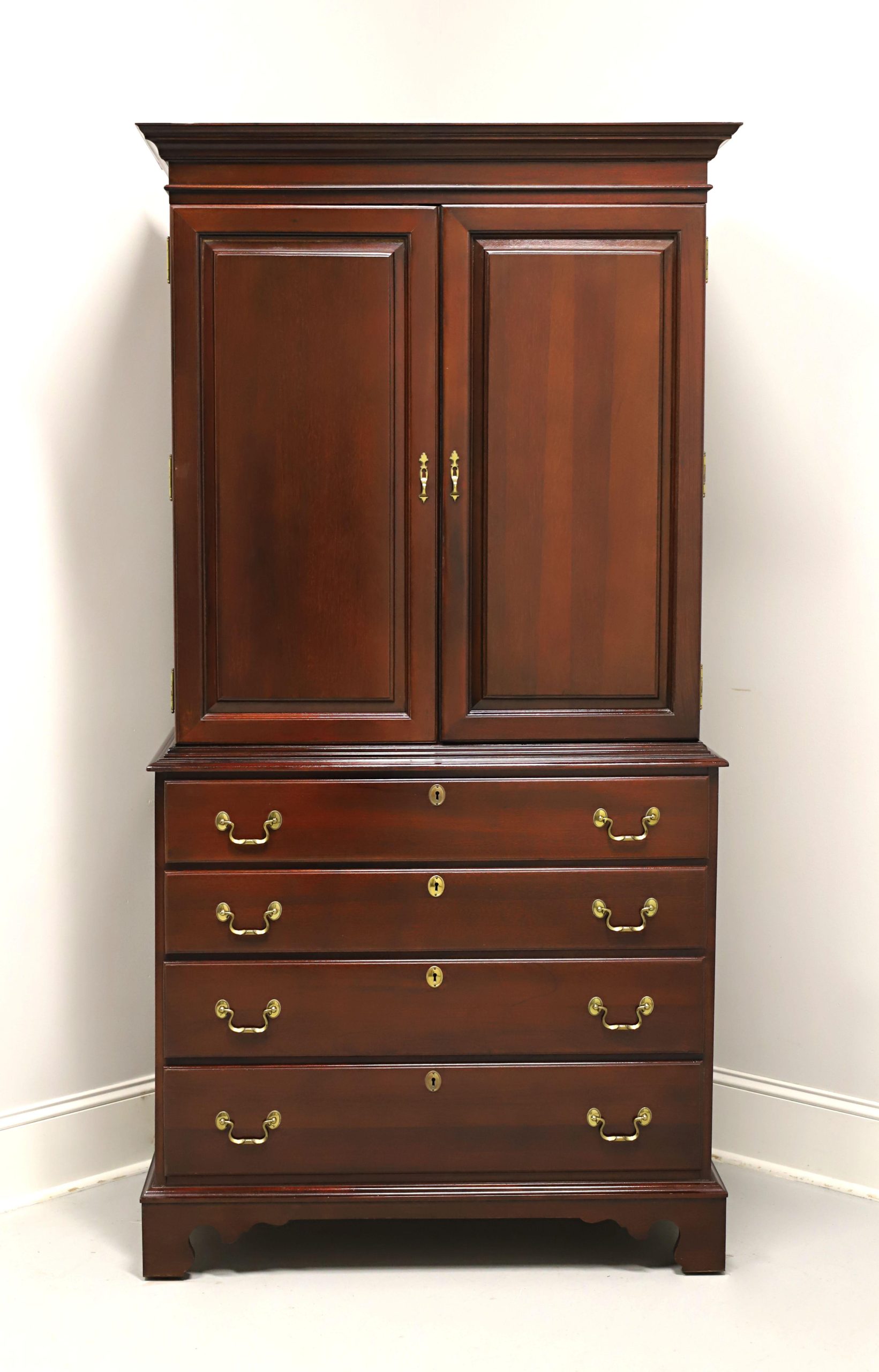
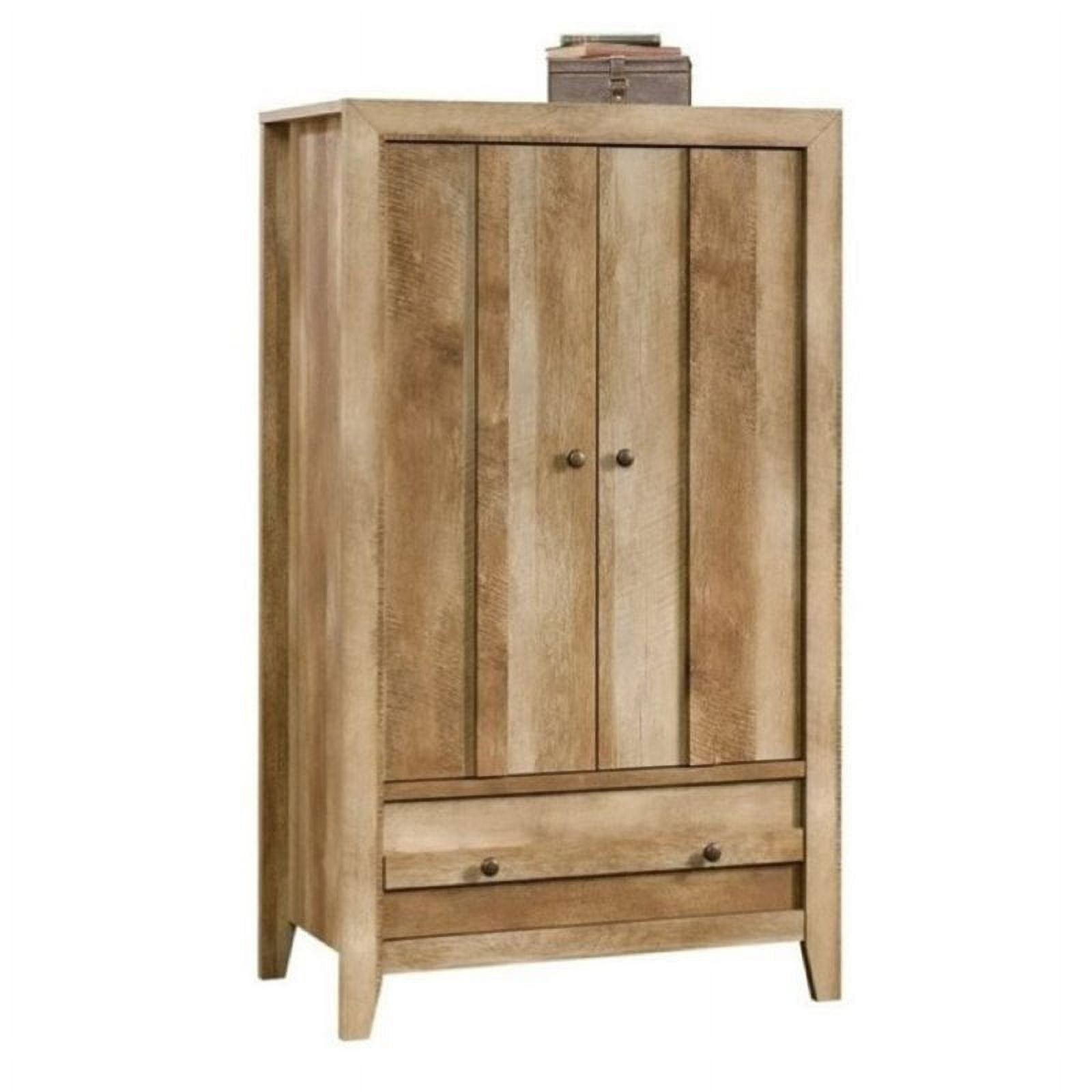
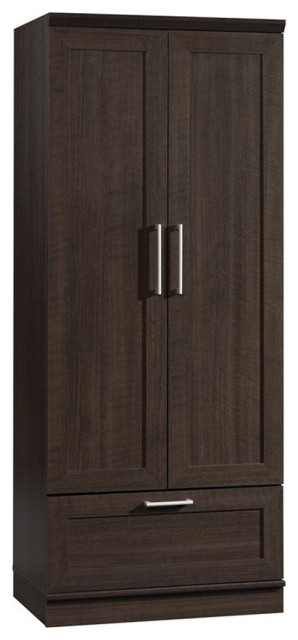
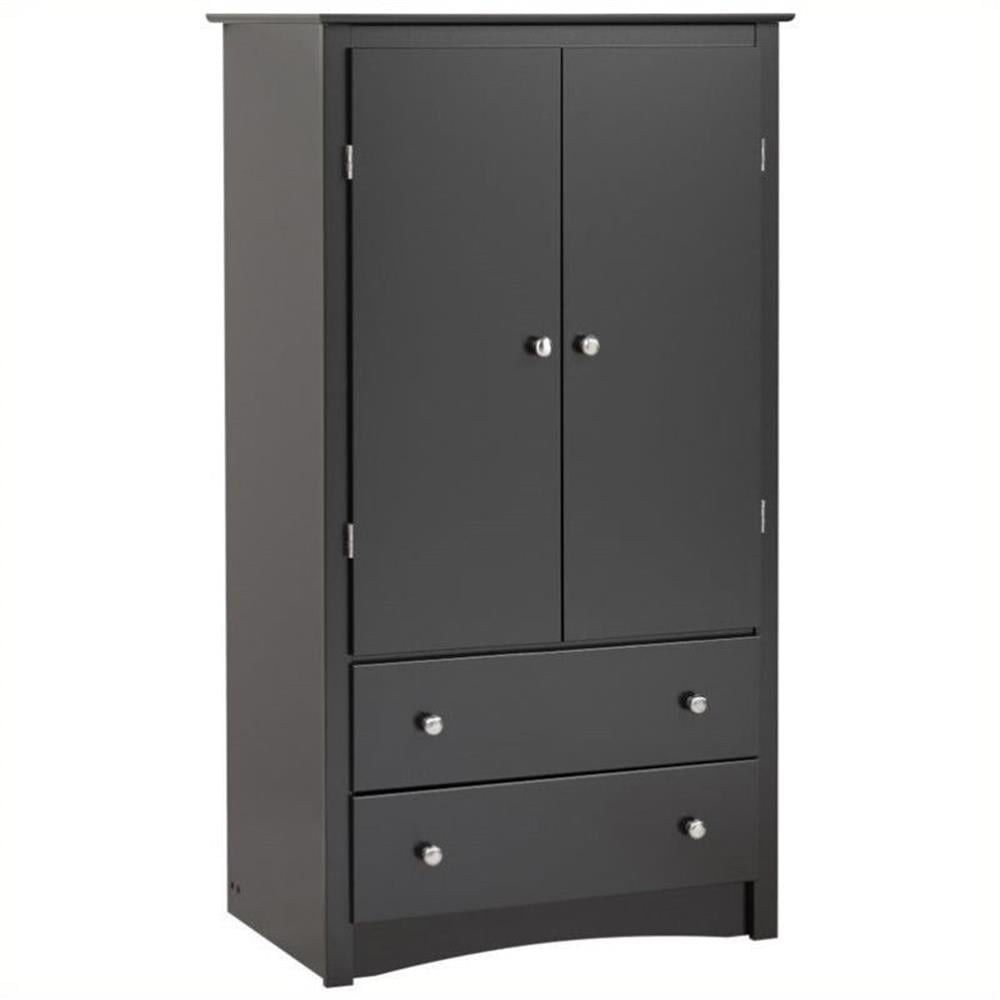
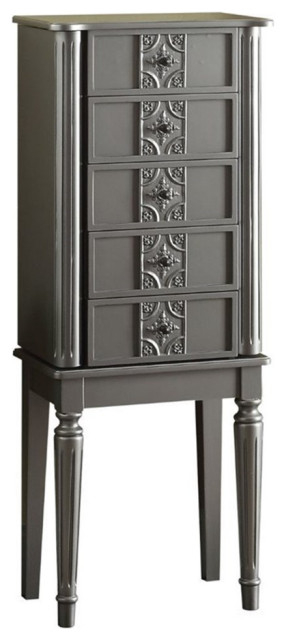
Ever looked at a piece of furniture and just felt its story. Like it wasn't just slapped together, but carefully, lovingly made. That's the vibe you get with the Bowery Hill Armoire. It’s not just a place to stash your clothes or linens; it's a statement, a nod to timeless design and solid, dependable construction. But what really goes into making something like this? What are the hidden details and decisions that elevate it from ordinary to extraordinary?
In a world often filled with fleeting trends and mass-produced items, finding something that truly stands the test of time, both in style and durability, feels like a real win. The Bowery Hill Armoire is one such gem. It’s a piece that whispers tales of traditional woodworking, yet it’s designed for the demands of today's homes. We're going to peel back the layers and explore the craftsmanship that makes this armoire so special. From the wood selection to the joinery, every element plays a part in its enduring charm and practical appeal.
The Foundation: Selecting the Right Materials
It all starts with the materials, doesn't it? For an armoire like the Bowery Hill, you’re not just picking any old wood. You’re looking for timber that not only looks good but will also hold up for years, even decades. Think about it: a piece this substantial needs a strong backbone. Often, you'll find a blend of solid woods and engineered wood products. Why both, you ask? Solid wood, like oak or pine, provides that wonderful, natural grain and incredible strength for structural components – things like the frame and the door panels. Then, engineered wood, like MDF or particle board, often gets used for larger, flat surfaces, maybe the back panel or interior shelving. This isn't a shortcut; it's a smart design choice. It helps to keep the armoire stable, less prone to warping with changes in humidity, and often more budget-friendly without sacrificing too much on quality. The key is how these materials are combined and finished. You want to see consistent color, a nice, smooth finish that highlights the wood’s natural beauty, and no visible imperfections. It's about finding that perfect balance of resilience and visual appeal.
The Heart of the Matter: Joinery Techniques
This is where the true craftsmanship shines through. Good joinery is what holds a piece of furniture together, literally and figuratively. You can have the prettiest wood in the world, but if it’s poorly joined, it won’t last. For a sturdy armoire, you’d expect to see things like dado joints, mortise and tenon, or even dovetail joints in the drawers. Dado joints, where one piece fits into a groove in another, are fantastic for shelves and fixed panels, offering excellent support. Mortise and tenon joints, a classic for centuries, involve a 'tenon' (a projection) fitting into a 'mortise' (a hole), creating an incredibly strong and durable connection – perfect for the main frame. And dovetail joints, those interlocking 'fingers' you see on drawer boxes, are the gold standard for drawer construction. They’re super strong and prevent the drawer from pulling apart under repeated use. When you see these kinds of joints, it tells you someone took the time to build something that isn't just pretty, but truly built to endure the daily grind. It's a sign of quality that often gets overlooked, but it's vital.
Smooth Moves: Drawer and Door Mechanisms
What's an armoire without functional drawers and doors, right? The feel of a drawer gliding open effortlessly or a door swinging shut with a satisfying thud is a small detail, but it speaks volumes about quality. For the Bowery Hill Armoire, you’d expect to find smooth-gliding drawer slides. Are they metal? Do they have a soft-close feature? Ball-bearing slides are a big plus, as they allow drawers to open fully and smoothly, even when loaded with heavy items. They also tend to be more durable than their simpler counterparts. As for the doors, look for sturdy hinges that allow for a wide opening and don't sag over time. Are they concealed hinges for a cleaner look, or exposed for a more traditional feel? The choice of hardware – the handles, pulls, and knobs – also plays a huge role. They should feel substantial in your hand, be securely attached, and complement the overall design. These aren't just decorative bits; they’re the points of interaction, and their quality directly impacts your daily experience with the armoire.
The Final Touch: Finishes and Aesthetics
The finish is like the clothing for the armoire; it protects the wood and gives it its character. A good finish isn't just about looking nice; it also seals the wood, protecting it from moisture, scratches, and everyday wear and tear. For a piece like the Bowery Hill Armoire, you'd likely see a multi-step finishing process. This might involve sanding, staining to achieve the desired color, and then several coats of a protective lacquer or varnish. Each layer builds up, creating a durable and attractive surface. You want to see an even application, no drips or runs, and a finish that lets the natural beauty of the wood grain show through. Beyond the finish, the overall aesthetic is key. How do the proportions feel? Does it have decorative elements like raised panels, carved details, or unique hardware that give it a distinct personality? The Bowery Hill Armoire often strikes a balance between classic lines and a touch of something modern, making it versatile enough to fit into various home decors. It’s about creating a piece that feels both familiar and fresh.
Practicality Meets Panache: Internal Configuration
An armoire isn't just a pretty face; it’s meant to be functional. The internal configuration is crucial for its utility. Does it have adjustable shelves? A clothing rod? Maybe some hidden drawers or cubbies? The best armoires offer flexibility, allowing you to customize the interior to suit your needs. If you’re using it for clothing, a sturdy rod for hanging garments and a few shelves for folded items are essential. If it’s for linens, more shelving might be ideal. Some armoires are even designed to house entertainment systems, with cutouts for cables and ventilation. The thoughtful design of the interior shows that the makers considered how people would actually use the piece in their daily lives. It’s about making sure that beauty isn't just skin deep, and that the armoire is as practical as it is pleasing to the eye. This attention to internal detail is where the Bowery Hill Armoire truly shines, offering solutions for modern storage challenges.
So, when you look at a piece like the Bowery Hill Armoire, it's more than just wood and hardware. It's a culmination of careful choices, skilled hands, and a dedication to creating something that lasts. From the selection of each timber plank to the precise joinery, the smooth operation of its drawers, and the final, protective finish, every step is a testament to thoughtful craftsmanship. It’s about building furniture that doesn’t just fill a space, but enhances it, becoming a reliable and beautiful part of your home for years to come. It's a reminder that sometimes, the true beauty lies in the details you don't immediately see, but definitely feel, every single day.