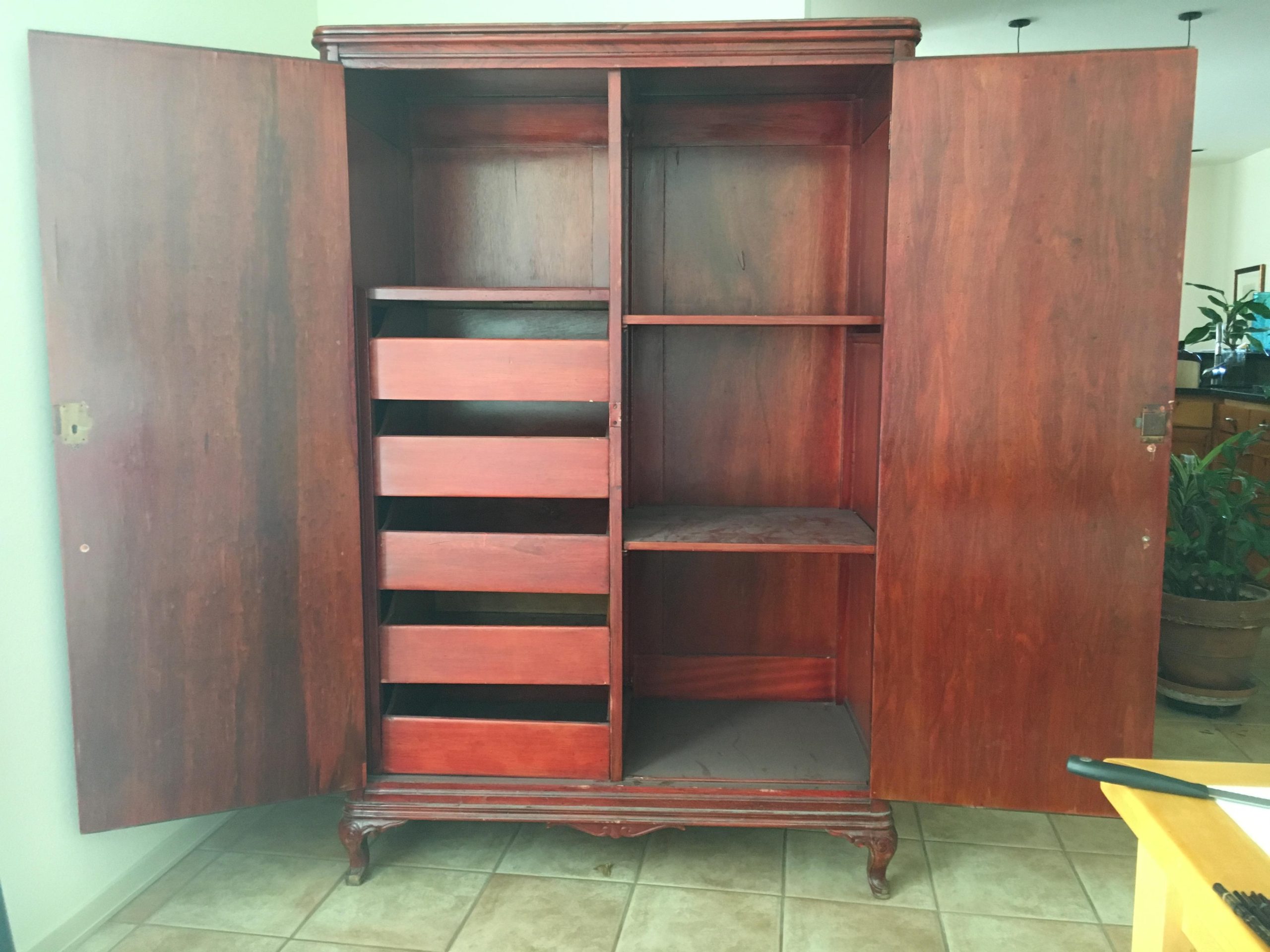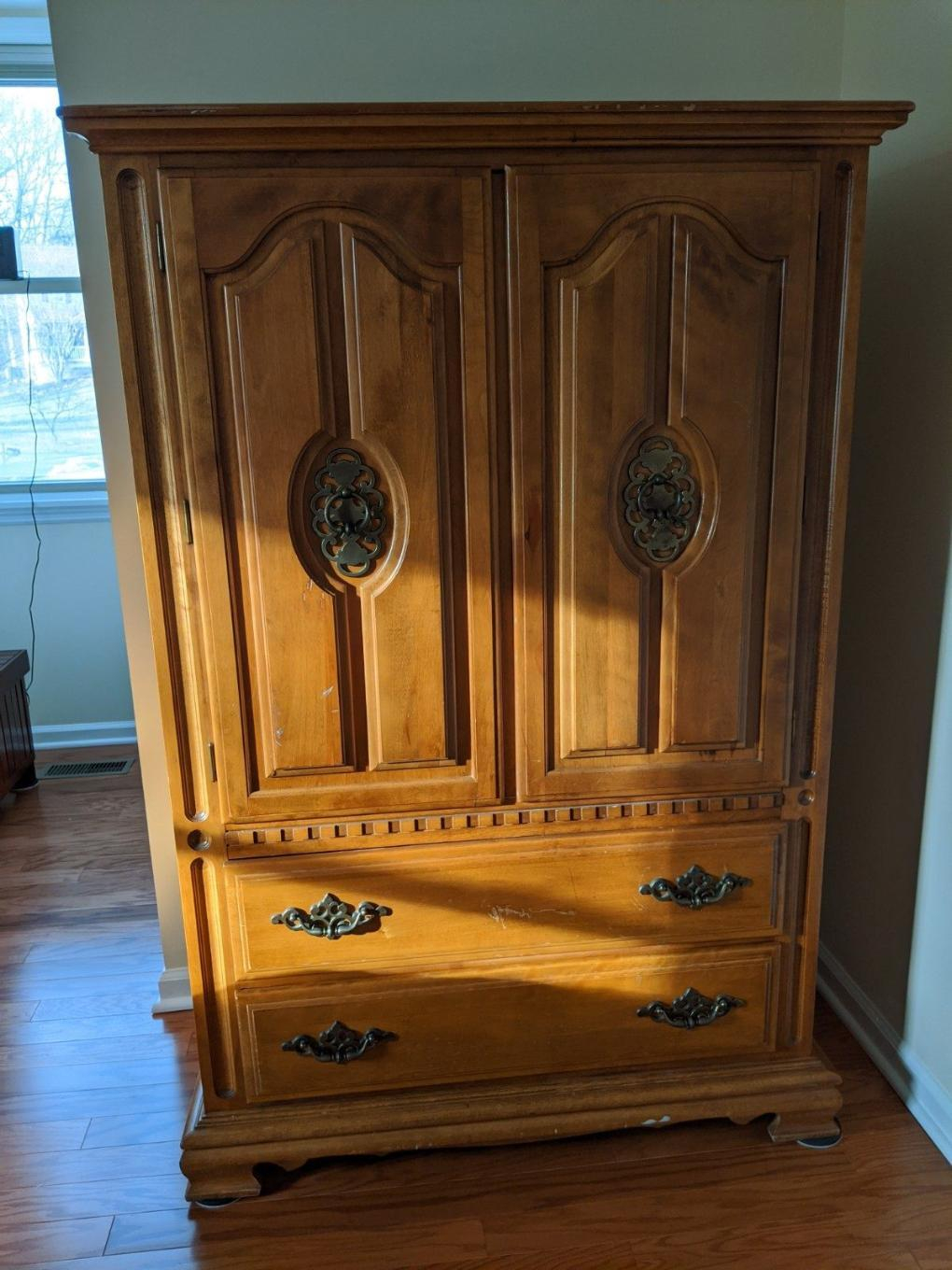
Ah, the venerable antique armoire. A piece of furniture that often holds more than just clothes – it holds stories, history, and a certain mystique. As someone who has spent decades immersed in the world of antique furnishings, particularly those grand, often imposing, and always intriguing armoires, I can tell you that valuing them, especially when consigned, is a nuanced art, not a simple science. It's about understanding the whispers of the past and the demands of the present. This isn't just about price tags; it's about appreciating true worth, the kind that resonates with collectors and enthusiasts alike.
Welcome, fellow aficionados, to a journey into the heart of antique armoire valuation. If you're considering consigning one of these magnificent pieces, or perhaps acquiring one, you know it's not as straightforward as an online search might suggest. The market for antique armoires is dynamic, influenced by a myriad of factors that can make a difference between a modest sum and a significant investment. My goal here is to demystify this process, offering insights gleaned from years of practical experience and countless hours spent examining, researching, and yes, even admiring, these historical titans of furniture. We'll explore the key elements that truly dictate an armoire's value, helping you navigate the consignment landscape with confidence and a discerning eye.
Provenance, Period, and Craftsmanship: The Holy Trinity of Value
When we talk about antique armoires, the first things that spring to mind for a seasoned expert are provenance, the period of creation, and the sheer quality of the craftsmanship. These three elements form the bedrock of any sensible valuation. Provenance, simply put, is the armoire's history of ownership. Did it belong to a notable family? Was it custom-made for a grand estate? A solid, documented provenance can significantly boost a piece's value. Think of it like a pedigree for furniture.
Next, the period. An 18th-century French armoire, perhaps Louis XV or Directoire, will naturally command a different value than a Victorian-era piece from England. Each period has its distinct styles, materials, and construction methods, and understanding these is crucial. For instance, a true Queen Anne armoire, with its graceful lines and cabriole legs, is a world away from a more robust and ornate Gothic Revival piece.
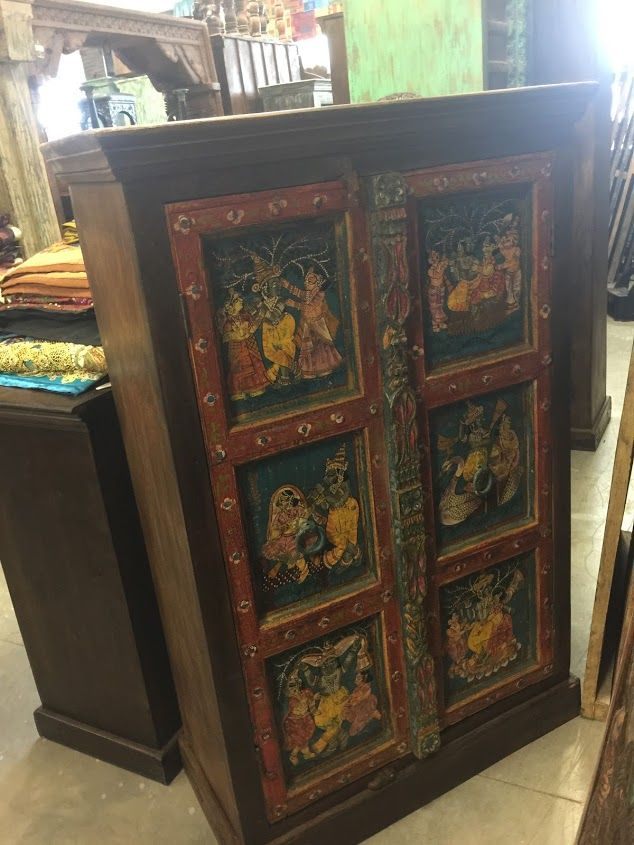
Finally, craftsmanship. This is where the true artistry shines through. Look for dovetail joints, hand-carved details, original hardware, and fine wood selections. Is the wood solid or veneered? Are the carvings crisp and deep, or shallow and mass-produced? A master craftsman's touch is unmistakable and always adds significant worth. Sometimes, you'll find a small, almost imperceptible detail, like a unique lock mechanism or a hidden compartment, that speaks volumes about the skill of its maker. These aren't just details; they're signatures of excellence.
Condition and Originality: The Unvarnished Truth
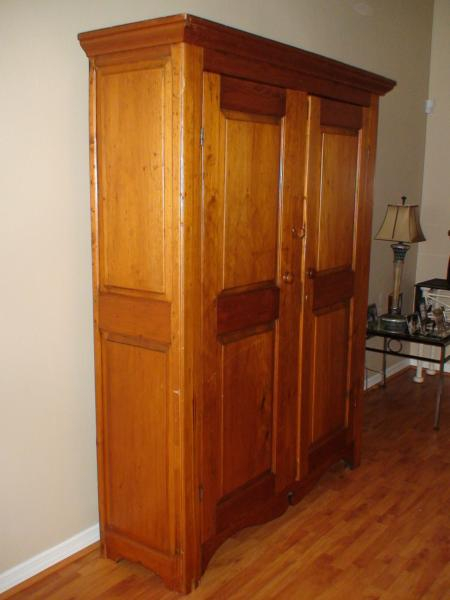
No matter how historically significant or beautifully crafted an armoire is, its condition and originality are paramount. A piece in excellent, original condition will always be more valuable than one that has suffered significant damage or undergone extensive restoration. Think about it: a painting is worth more if it hasn't been overpainted, and the same principle applies here.
Originality refers to how much of the armoire remains as it was originally made. Are the hinges original? The pulls? The interior shelving? Have any parts been replaced or altered? While some minor repairs or sympathetic restorations are acceptable, extensive alterations can dramatically reduce value. For example, replacing all the original brass hardware with modern reproductions is a big no-no.
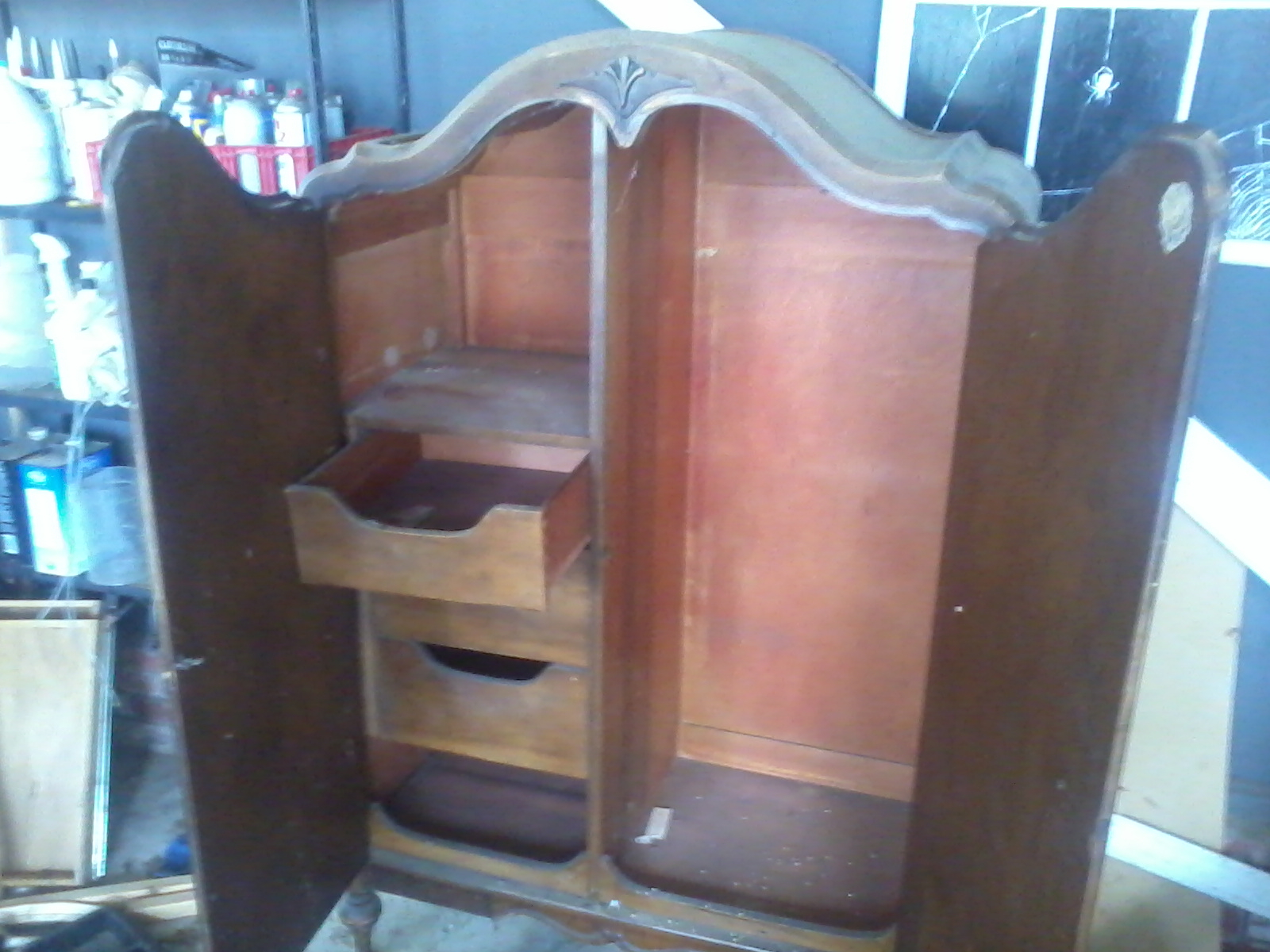
Damage, of course, is a major factor. Deep scratches, missing veneers, significant woodworm (though often treatable, it's a concern), or structural instability will all detract. A good conservator can work wonders, but even the best repair leaves a trace. And remember, sometimes a bit of 'patina' – the natural wear and tear from age and use – is desirable, as it tells a story and adds character. It's about discerning between charming age and outright damage. A little wear on the edges, that’s character. A gaping hole, that’s a problem.
Market Trends and Geographical Demand: The Shifting Sands of Value
The antique market, like any other, is subject to trends and shifts in demand. What was highly sought after a decade ago might be less popular today, and vice-versa. For armoires, we've seen a move away from excessively large, dark pieces in smaller modern homes. However, there's a resurgence of interest in pieces that offer both beauty and practical storage solutions, especially those with unique features or adaptable interiors.
Geographical demand also plays a huge role. An armoire highly prized in, say, the American South might not fetch the same price in Scandinavia. Different regions have different collecting tastes and cultural connections to certain styles. For instance, a large, ornate German armoire might be more appealing to buyers in parts of Europe than in, say, coastal California, where lighter, more minimalist aesthetics often dominate.
Staying abreast of these trends requires constant observation, attending auctions, reading industry publications, and engaging with other dealers and collectors. It's not just about what was valuable, but what is valuable, and what will be valuable. Sometimes, a piece that's a bit out of fashion today could be a sleeping giant for tomorrow. It's truly like a dance, a slow, elegant waltz with the whims of public taste.
Practicalities of Consignment: Fees, Visibility, and the Right Partner
Once you've got a handle on the armoire's inherent value, the practicalities of consignment come into play. Consignment typically involves placing your item with a dealer or auction house who sells it on your behalf, taking a percentage of the final sale price as their fee. These fees vary wildly, from 20% to 50% or even more, depending on the item's value, the venue, and the services provided. Always get a clear, written agreement detailing all costs.
Visibility is key. Where will your armoire be displayed? Will it be featured online, in a prominent showroom, or in an important auction catalogue? The more exposure your piece gets to the right audience, the better its chances of achieving its true value. A reputable consignee will have an established client base and effective marketing strategies. They should be able to articulate how they plan to present your armoire to potential purchasers.
Choosing the right consignment partner is perhaps the most critical step. Look for someone with a proven track record, specific expertise in antique furniture (especially armoires!), and a transparent business model. Ask for references, examine their past sales, and trust your gut feeling. A good partner isn't just a salesperson; they're an advocate for your piece, understanding its history and communicating its worth effectively. Don't be afraid to interview a few places. It's your precious armoire, after all, and you want it in the best hands. A bad pairing here can lead to a lot of frustration and a lower sale price, which is a shame given the effort you've put in.
Documentation and Research: Building a Compelling Case
To truly maximize the value of your consigned armoire, comprehensive documentation and thorough research are indispensable. This isn't just about providing information; it's about building a compelling case for your piece's significance and worth. Start by gathering any existing paperwork: original purchase receipts, appraisal documents, photographs from earlier periods, or letters that mention the armoire. Every scrap of paper can add to its story.
Next, undertake a bit of your own research. Can you identify the specific wood species? The construction techniques used? Are there any maker's marks or labels? Even a small, obscure mark can open up a treasure trove of information about the armoire's origin. Knowledge of furniture history, regional styles, and notable cabinetmakers will be invaluable here. Look for similar pieces that have sold recently at auction or through reputable dealers to get a sense of current market prices.
Presenting this information clearly and concisely to your consignee will empower them to market your armoire more effectively. It provides talking points for potential buyers and substantiates the asking price. Remember, a well-documented piece inspires confidence and often fetches a higher price because buyers feel more secure in their acquisition. It takes a bit of effort, but the payoff is often substantial. Think of yourself as a detective, piecing together the narrative of this magnificent object.
The Art of the Deal: Negotiation and Realistic Expectations
Finally, we arrive at the art of the deal. When consigning an antique armoire, it's vital to have realistic expectations about its potential sale price. While we all hope for that record-breaking auction, the reality is often more grounded. Your consignee should provide you with an estimated selling range, and it's important to understand the factors influencing that range.
Negotiation is part of the process, both with your consignee regarding their fees and, indirectly, with potential buyers. Be open to offers, especially if they are within the agreed-upon range. Sometimes, a slightly lower offer is better than no offer at all, especially if the piece has been on the market for a while. However, don't undersell a truly exceptional piece.
It's a delicate balance between patience and pragmatism. The right buyer for a unique antique armoire might not appear overnight. Sometimes it takes time for the perfect match to be made. Trust your consignee's expertise, but also know when to hold firm and when to be flexible. Ultimately, the goal is a sale that feels fair and satisfying to all parties involved, ensuring that your beautiful armoire finds a new home where it will be cherished for generations to come. And that, my friends, is the true reward.
Valuing and consigning an antique armoire is a journey that blends historical appreciation with modern market savvy. It's a testament to the enduring appeal of quality craftsmanship and timeless design. By understanding the nuances of provenance, condition, market trends, and the practicalities of consignment, you're not just selling a piece of furniture; you're participating in the continuation of its story. Each armoire holds a unique narrative, and with the right approach, you can ensure its next chapter is as grand as its past. It's been a pleasure sharing these insights with you, and I hope this guide empowers you to approach the world of antique armoires with newfound knowledge and confidence. Happy valuing, and may your armoires always find their perfect resting place.