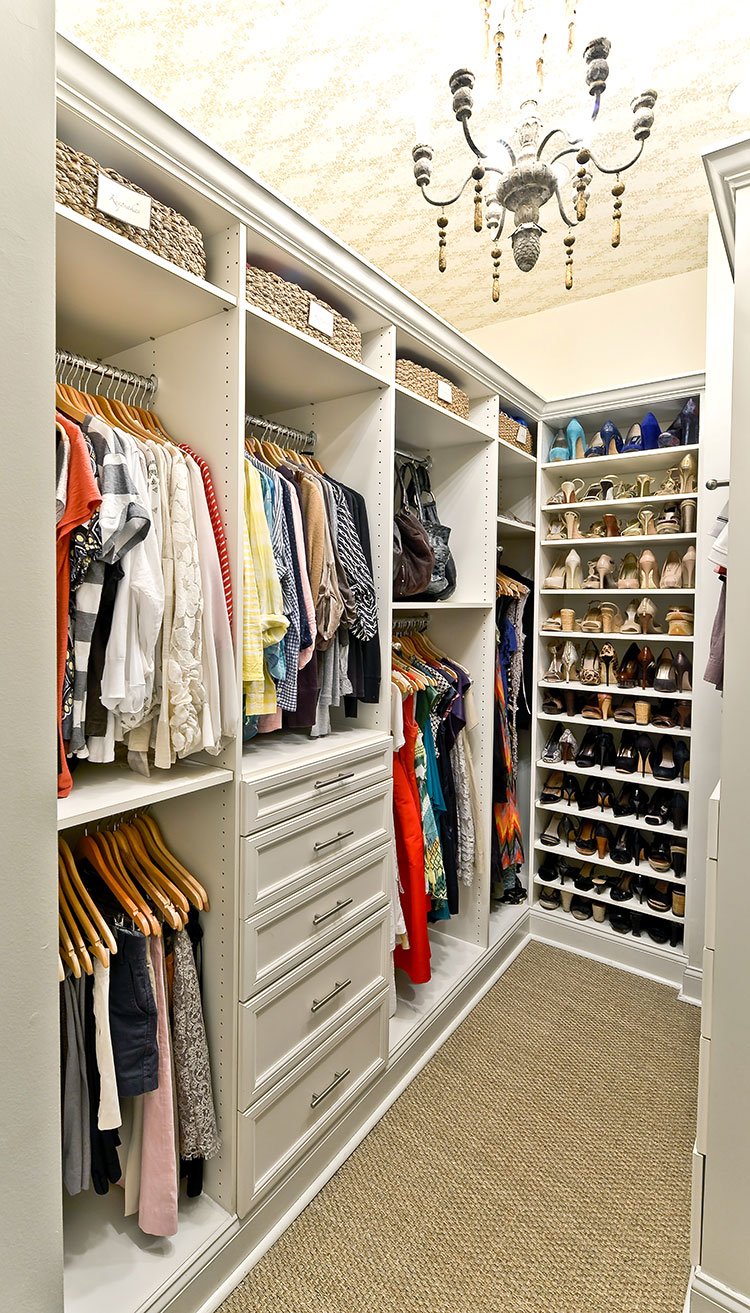
Ever stared into your closet, feeling like you're playing a game of Jenga with your clothes. It's a common struggle, believe me. But what if I told you that achieving that perfectly organized, functional, and even beautiful closet isn't just a dream. It's totally within reach, especially when you're thinking about sectional closet planning. This isn't just about putting things away; it's about creating a system that works for you, your lifestyle, and your ever-evolving wardrobe.
For years, I've seen countless folks grapple with their closets. The biggest mistake? Treating it like a black hole where clothes simply disappear. A sectional closet, however, changes that narrative entirely. It's about breaking down your storage space into dedicated 'zones' or 'sections' for different types of items. This isn't just a fancy term; it's a fundamental shift in how you approach organization. Imagine having a specific spot for your work attire, another for casual wear, one for accessories, and even a dedicated area for seasonal items. This level of intentional design eliminates clutter, saves time, and frankly, makes getting dressed a much more enjoyable experience. It's like having a personal stylist and a professional organizer rolled into one, all within the confines of your own home.
Step 1: The Great Purge – Declutter Before You Design
Before you even think about measurements or fancy shelving, you absolutely must declutter. This is the foundational step, and honestly, the most liberating. Go through every single item in your existing closet. Ask yourself: 'Have I worn this in the last year?' 'Does it fit?' 'Does it make me feel good?' Be ruthless, but also be kind to yourself. If something holds sentimental value but you never wear it, maybe it belongs in a memory box, not prime closet real estate. Don't underestimate the power of letting go. A smaller, more curated wardrobe means less to organize and a clearer vision for your new sectional layout. Trust me, trying to design a system for a mountain of clothes you don't even like is a recipe for failure.
Step 2: Assess Your Wardrobe Habits and Needs
This is where the 'practical' really kicks in. What kind of clothes do you own the most of. Do you have a lot of long dresses or suits that require ample hanging space. Or are you more of a t-shirt and jeans person, needing more shelving or drawers. Do you have a vast collection of shoes, handbags, or ties. Understanding your current wardrobe composition and your daily habits is crucial. For example, if you're always rushing in the mornings, having your everyday essentials easily accessible is key. If you work from home and only dress up occasionally, your 'work' section might be smaller. Sketch out your typical outfits and how you interact with your clothes. This insight will directly influence the types and sizes of sections you'll need.
Step 3: Measure Twice, Cut Once – The Blueprint for Success
Now for the nitty-gritty: measurements. Get a good tape measure and be precise. Measure the height, width, and depth of your closet space. Don't forget to account for any obstructions like baseboards, crown molding, or sloped ceilings. Also, consider the door swing if you have a traditional hinged door. Sketch out a rough diagram of your closet, noting all dimensions. This blueprint will be invaluable when you start looking at ready-made systems or consulting with a designer. Knowing your exact space constraints prevents costly mistakes and ensures everything fits perfectly. It's like building a house; you wouldn't start hammering without a plan, would you. The same applies here.
Step 4: Designing Your Sections – The Art of Zoning
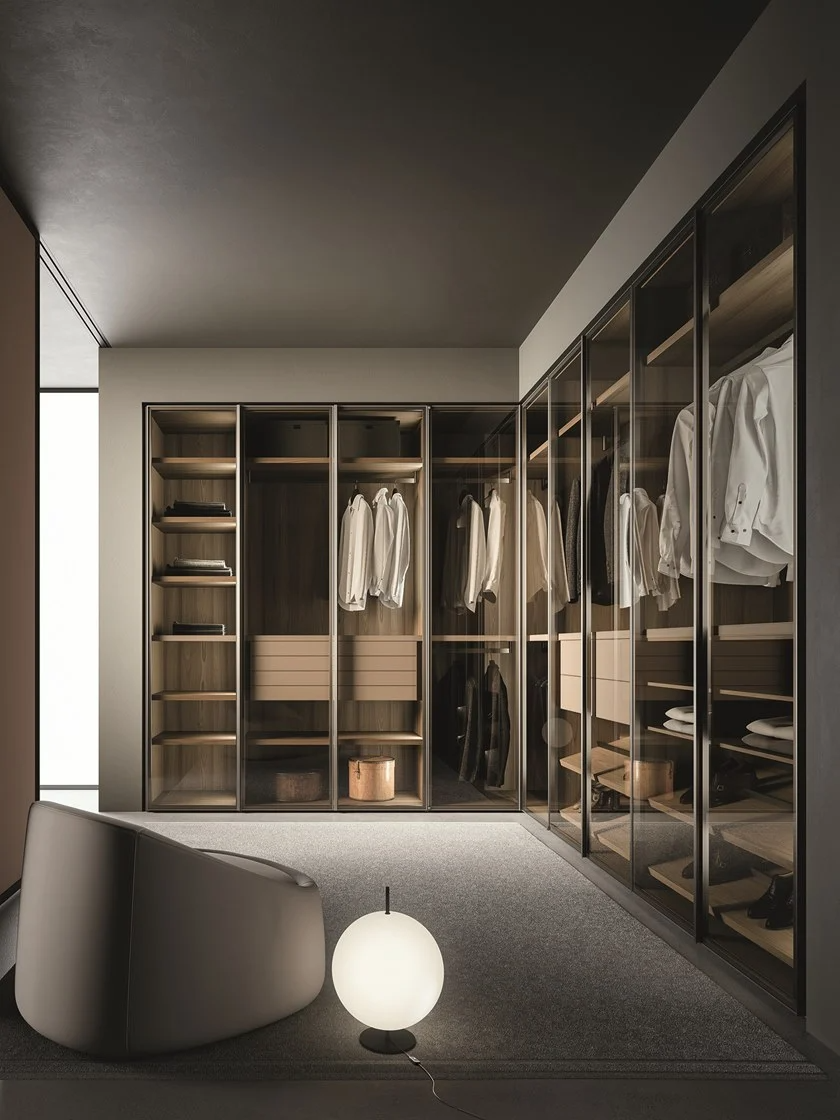
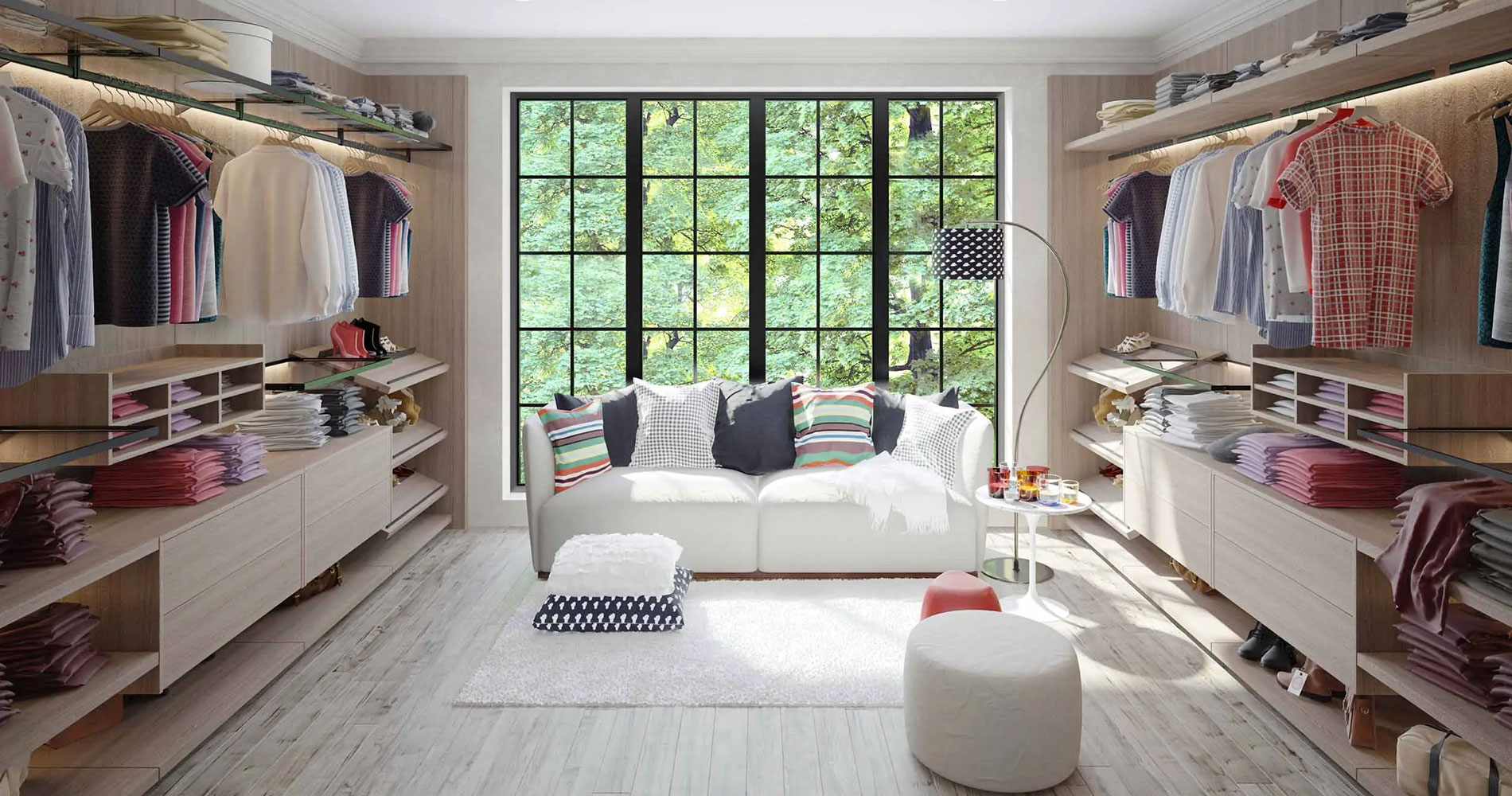
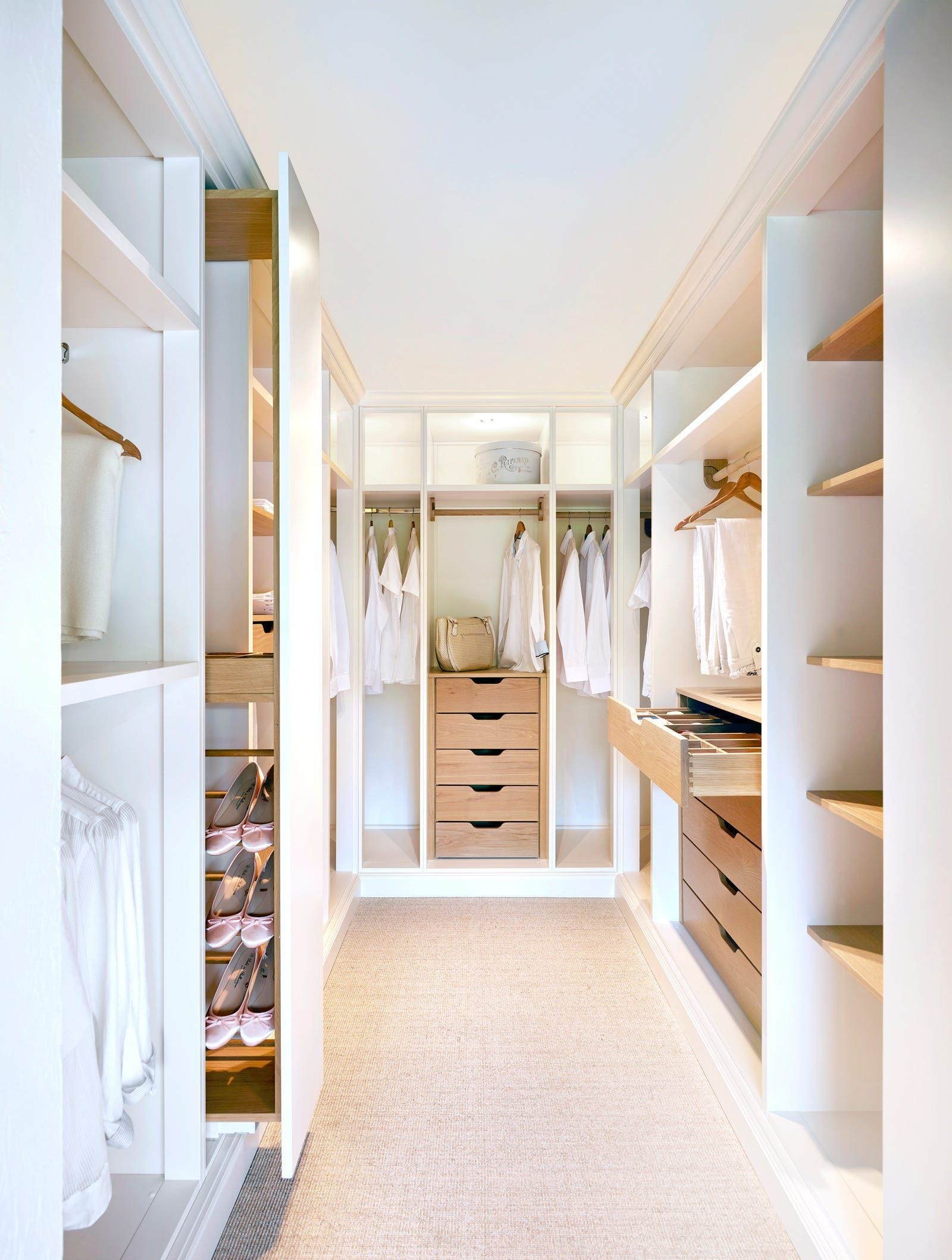
This is the fun part. Based on your decluttering and needs assessment, start to allocate zones. Common sections include: long hanging (dresses, coats), short hanging (shirts, skirts, pants folded over), shelving (sweaters, folded items), drawers (underwear, socks, activewear), and specialized storage (shoes, bags, accessories like belts and scarves).
Think vertically: Don't waste vertical space. Adjustable shelving and double-hanging rods are your best friends.
Consider accessibility: Items you use daily should be at eye-level or easily reachable. Off-season items can go higher up or in less accessible spots.
Flexibility is key: Life changes, and so does your wardrobe. Look for systems that allow for adjustments, like movable shelves or rods. While a custom built-in is wonderful, many modular or DIY systems offer fantastic flexibility.
Step 5: Material Matters and Budgeting
Sectional closet systems come in a range of materials and price points. From simple wire shelving to laminate, melamine, and solid wood, each has its pros and cons. Wire systems are often the most affordable and easy to install, but might not offer the most polished look or support heavy loads. Laminate and melamine offer a good balance of durability and aesthetics at a mid-range price. Solid wood is beautiful and long-lasting, but also the most expensive.
Set a realistic budget before you start shopping. This will help narrow down your options significantly. Don't forget to factor in installation costs if you're not doing it yourself, and any additional accessories like hangers, baskets, or lighting. Sometimes, investing a bit more upfront in a durable, well-designed system saves money and headaches in the long run. Remember, this is an investment in your daily peace of mind.
Step 6: Accessorize and Optimize – The Finishing Touches
Once the main structure is in place, it's time to fine-tune. Accessories can make a huge difference in optimizing your space and keeping things tidy. Think about:
Drawer dividers: For socks, underwear, or small accessories.
Shoe racks or cubbies: To keep footwear organized and visible.
Pull-out hampers: A convenient spot for dirty laundry.
Tie and belt racks: To prevent tangles and wrinkles.
Hooks: For robes, bags, or frequently used items.
Lighting: Good lighting, especially LED strips, can transform a dark closet into a bright, inviting space.
These small additions can dramatically improve functionality and the overall user experience. Don't overlook them. They're the cherry on top of your perfectly planned sectional closet.
Planning a perfect sectional closet might seem like a daunting task, but by breaking it down into these manageable steps, it becomes an achievable and even enjoyable project. It's more than just organizing clothes; it's about creating a system that supports your lifestyle, reduces stress, and adds a touch of calm to your daily routine. So, take a deep breath, grab your tape measure, and embark on this journey. You'll be amazed at the practical difference a well-planned sectional closet can make in your life. It's not just a closet; it's your personal sanctuary of style and order.