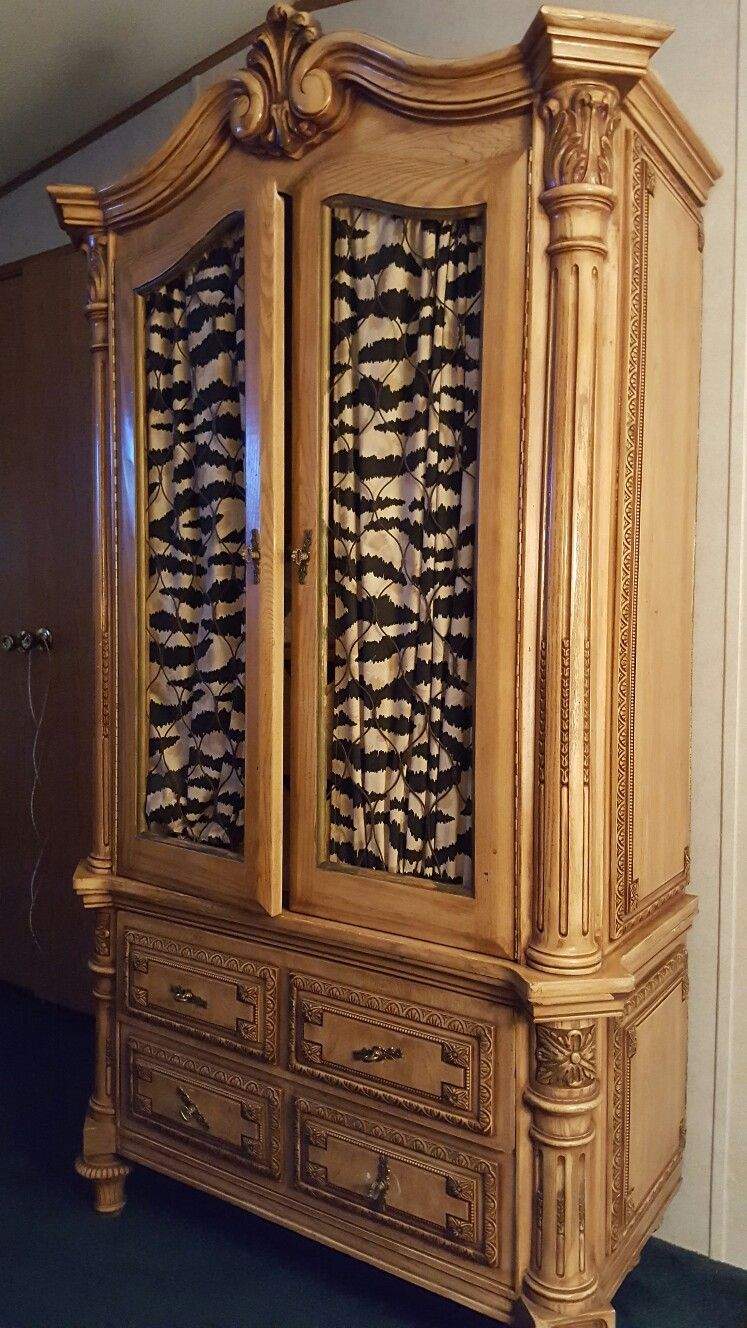
The chifferobe, that beautiful blend of a wardrobe and dresser, has graced bedrooms for generations. It's more than just a place to store clothes; it's a statement piece, a historical artifact, and a testament to smart design. From its humble beginnings to its current prominence, the chifferobe's journey is as interesting as the piece itself. Let’s explore the chifferobe, its evolution, and how it continues to captivate interior designers and homeowners alike.
In the world of bedroom furniture, certain pieces stand the test of time. The chifferobe is definitely one of them. Combining the best features of a closet and a chest of drawers, it offers a unique solution for storage and style. But what makes this piece so special? Why has it remained a favorite for so long? This article is your comprehensive guide to understanding everything about the chifferobe – its history, its design, its uses, and how to incorporate it into your own space. Prepare to be charmed and informed. It's a piece of furniture that has a lot of history, and a lot of uses.
The Chifferobe's History: From Humble Beginnings to Bedroom Icon
The chifferobe's story begins in the early 20th century, as a response to the need for more efficient storage in smaller homes. It emerged as a clever hybrid, combining the hanging space of a wardrobe with the drawers of a dresser. Early chifferobes were often made of solid wood, reflecting the craftsmanship of the era. They quickly gained popularity, especially in the American South, where they became a staple in many homes. Think of it as a precursor to the modern, space-saving furniture we love today. The chifferobe, in its own way, was a revolutionary design.
Decoding the Design: Understanding the Chifferobe's Anatomy
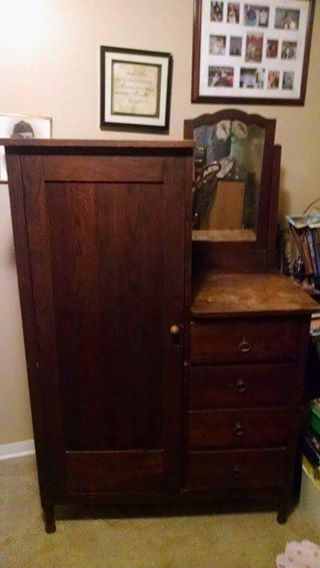
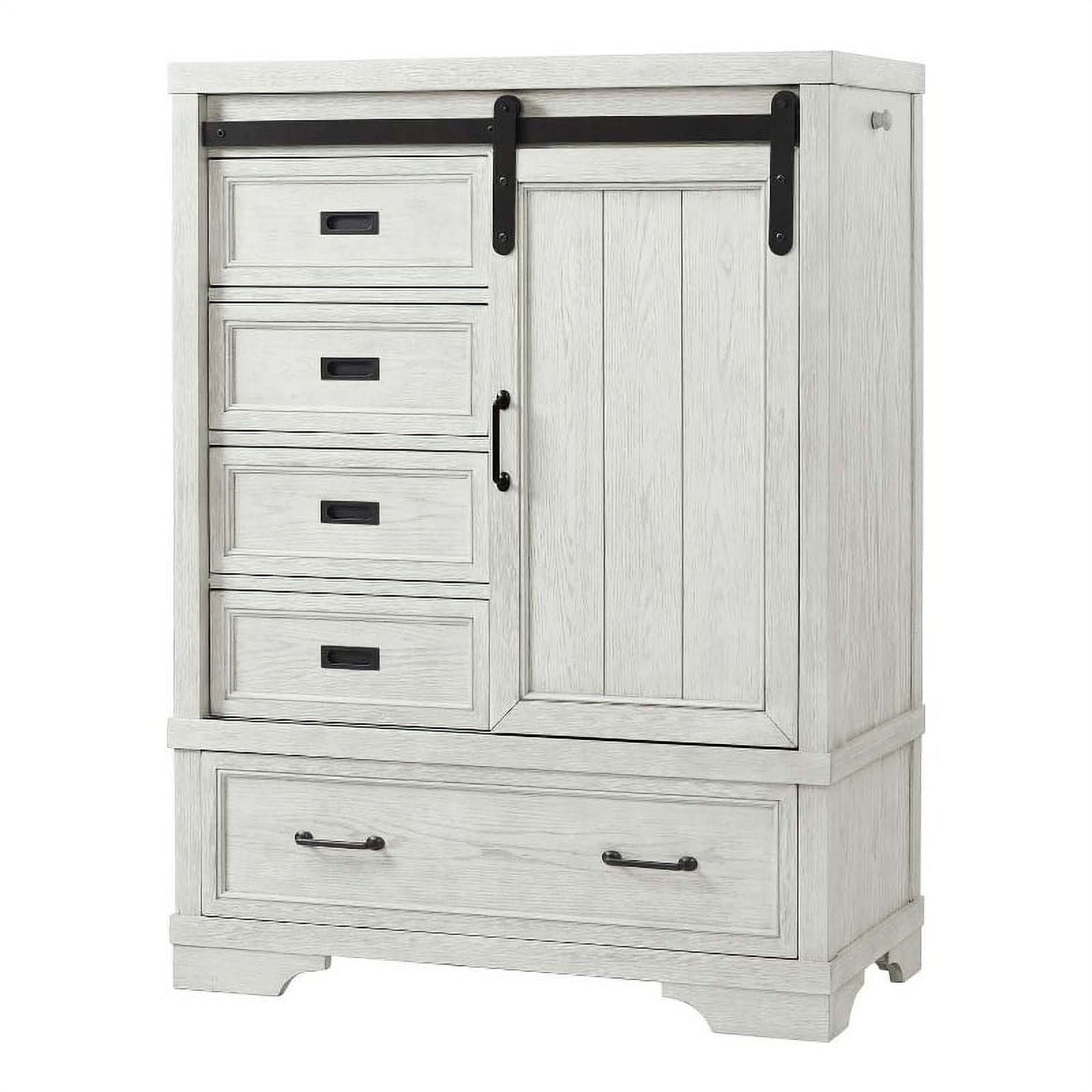
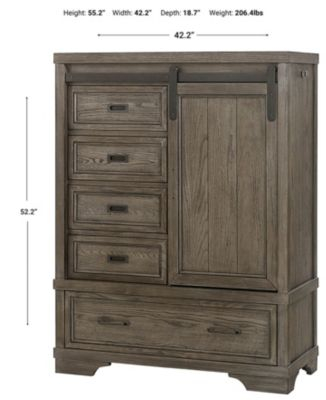
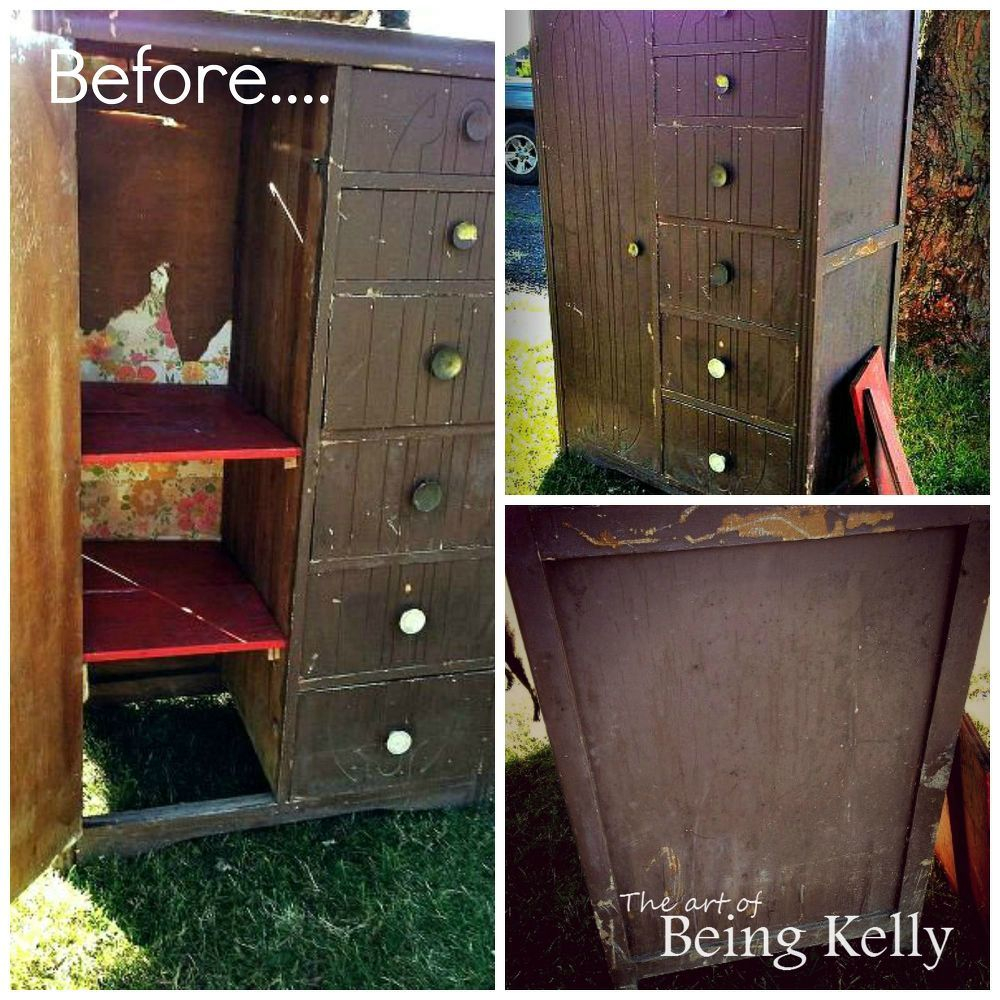
So, what exactly is a chifferobe? Typically, it features a tall, vertical design. One side usually includes a hanging rod for clothing, similar to a small closet. The other side is dedicated to drawers, providing ample space for folded items, accessories, and other belongings. The design can vary, of course. Some have mirrors, others have additional shelves, and the materials used range from classic hardwoods like oak and cherry to more modern materials. It's this flexibility that makes it so adaptable to different design styles. You can find a chifferobe to match almost any aesthetic.
Chifferobes and Interior Design: How to Style This Versatile Piece
The chifferobe is a true chameleon when it comes to interior design. In a traditional setting, a dark wood chifferobe with intricate carvings can add a touch of elegance. In a minimalist bedroom, a sleek, modern chifferobe with clean lines provides functional storage without overwhelming the space. Consider the size of your room, the existing color palette, and the overall style you're trying to achieve. A chifferobe can be a focal point, a supporting player, or anything in between. It all depends on how you use it. Don't be afraid to experiment.
Finding the Right Chifferobe: Considerations for Your Space
Choosing the right chifferobe involves several important factors. First, consider the size of your room and the available space. A large chifferobe can dominate a small bedroom, while a smaller one might not provide enough storage. Think about your storage needs. Do you need more hanging space or more drawers? Also, take into account the style of your existing furniture. You'll want a chifferobe that complements the other pieces in your room. Finally, don't forget the material and quality. A well-made chifferobe will last for years to come and can even become an heirloom.
Beyond the Bedroom: The Chifferobe's Adaptability
While traditionally a bedroom staple, the chifferobe's versatility extends beyond the sleeping quarters. It can be used in a guest room to provide storage for visitors. In a home office, it can serve as a storage solution for files, office supplies, and even a small printer. In a hallway, it can function as a linen closet or a place to store seasonal items. The possibilities are endless. Think outside the box and consider how a chifferobe could solve storage challenges in other parts of your home. This is what makes it a classic.
Caring for Your Chifferobe: Tips for Longevity
Proper care and maintenance will ensure your chifferobe remains a beautiful and functional piece of furniture for many years. Dust it regularly with a soft cloth to prevent the build-up of dust and debris. Avoid placing it in direct sunlight or near heat sources, as this can damage the finish. If you have a wooden chifferobe, consider using furniture polish periodically to protect the wood and keep it looking its best. For any mechanical parts, like drawers and hinges, ensure they're well-lubricated to prevent sticking or damage. A little care goes a long way in preserving this classic piece.
The chifferobe's enduring popularity speaks to its practicality, its timeless design, and its adaptability. It's a piece of furniture that provides both storage and style, making it a valuable addition to any home. Whether you're drawn to its historical charm, its functional design, or its ability to fit seamlessly into various interior styles, the chifferobe is a bedroom classic for a reason. It's a piece that tells a story, offers practicality, and continues to evolve with our changing needs. It's not just a piece of furniture; it's a piece of history, a design statement, and a trusted companion for the modern home.