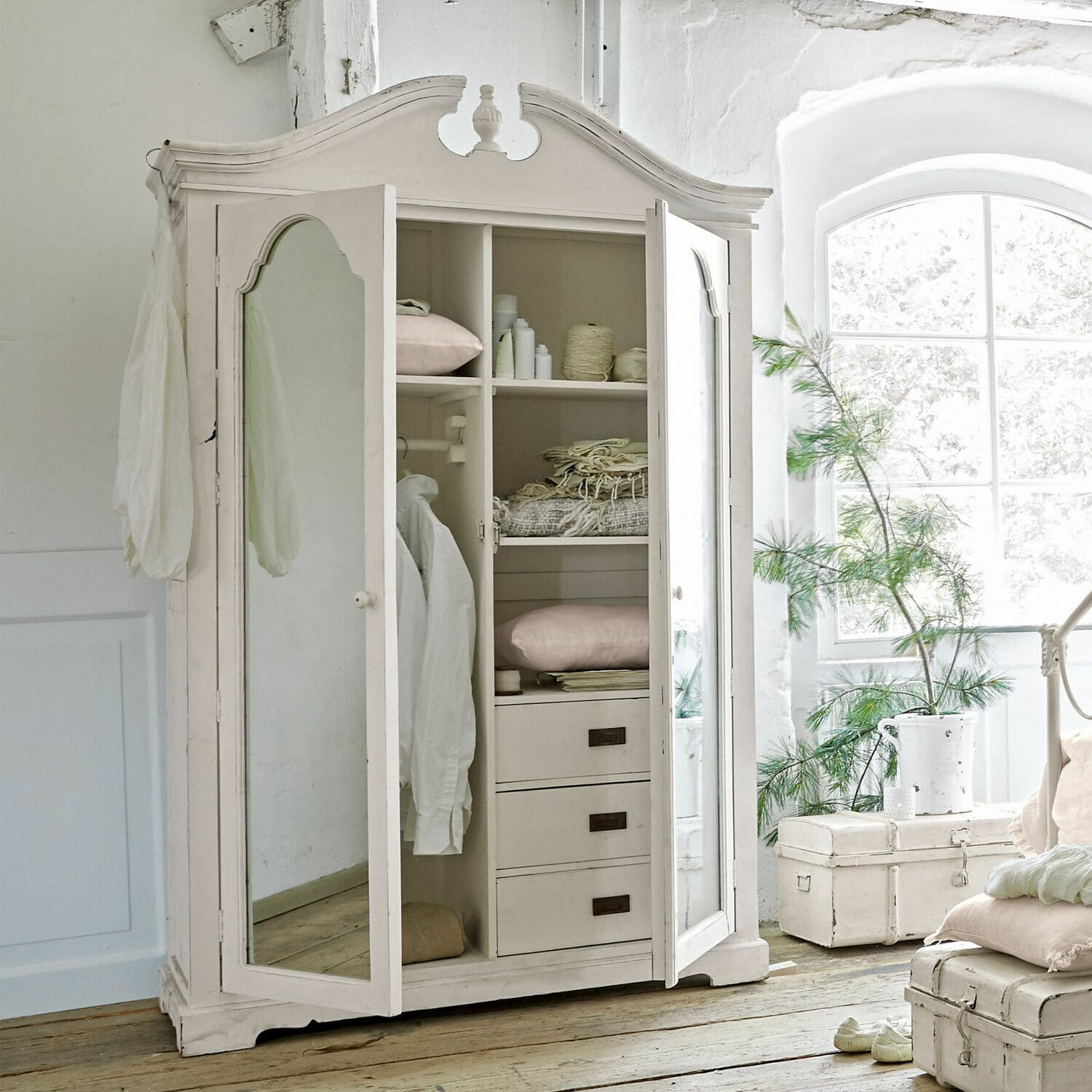
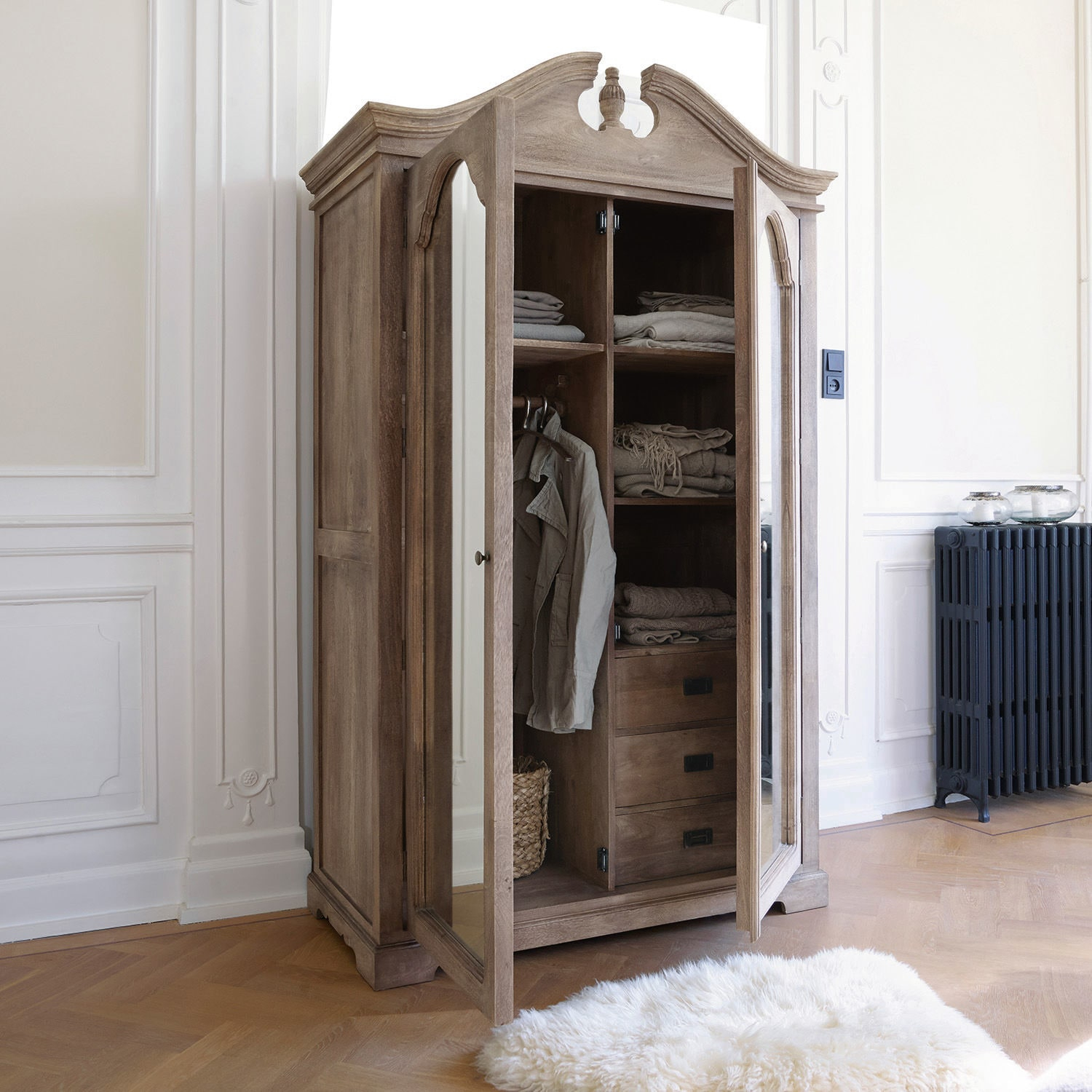
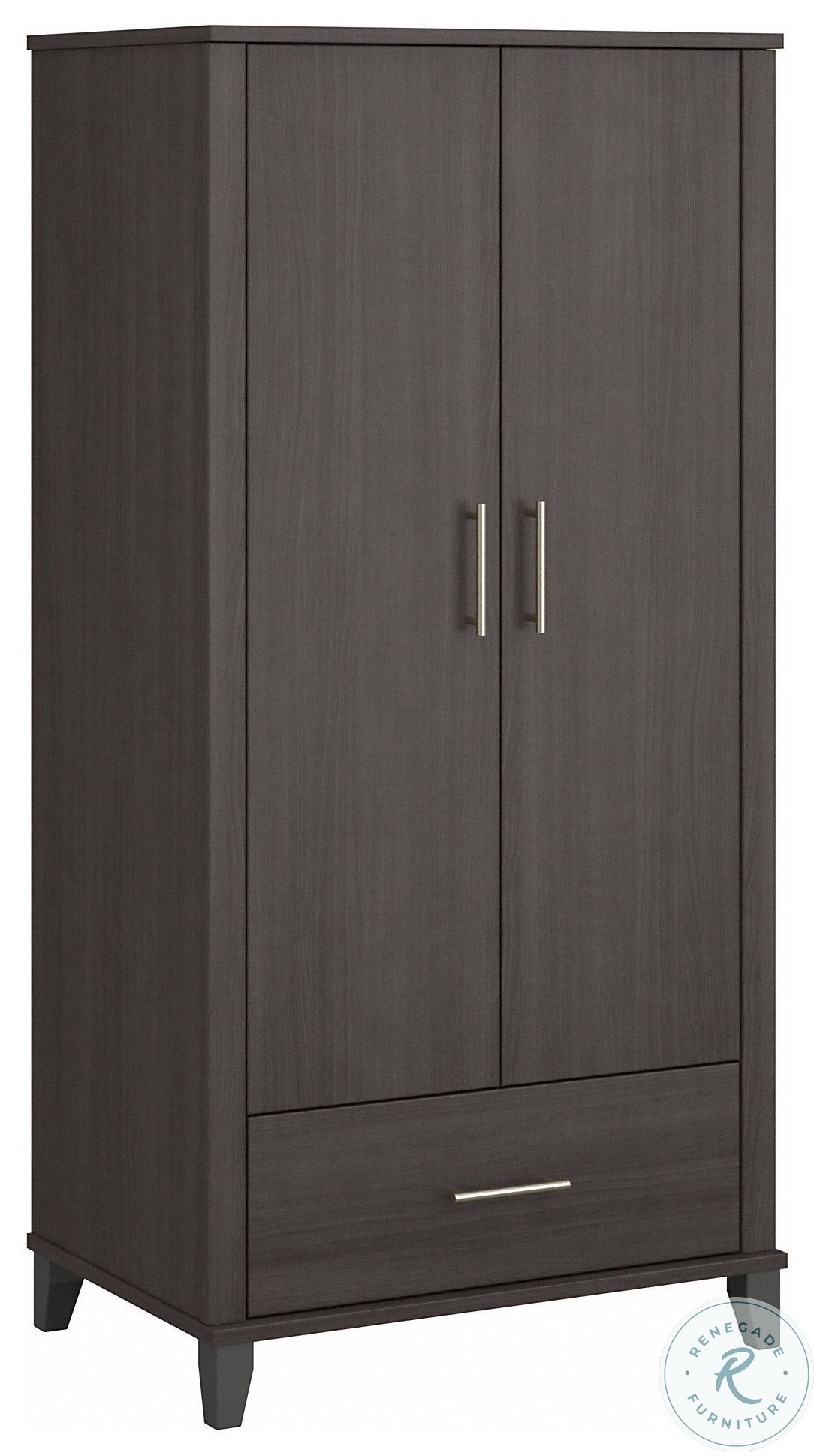
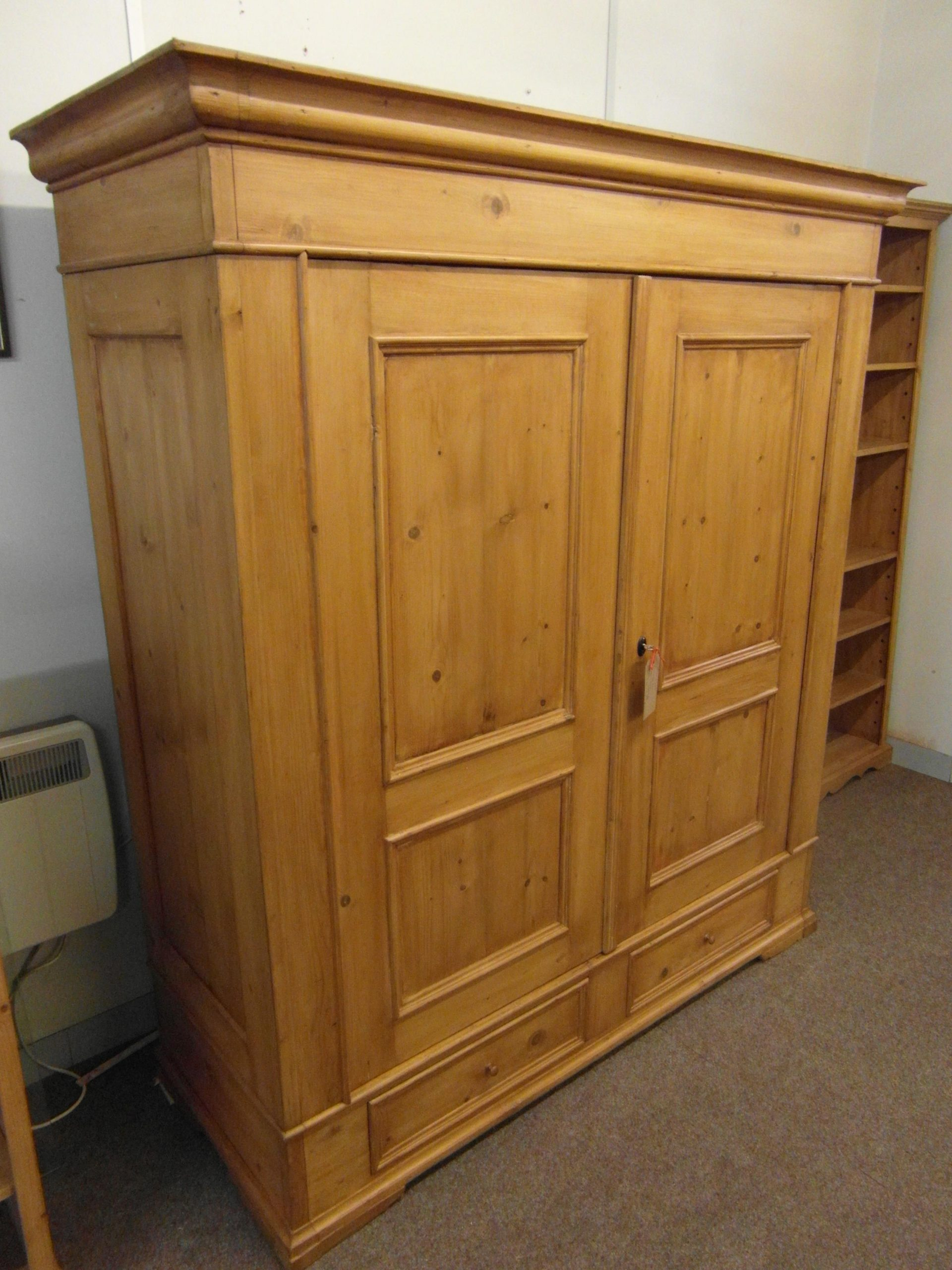
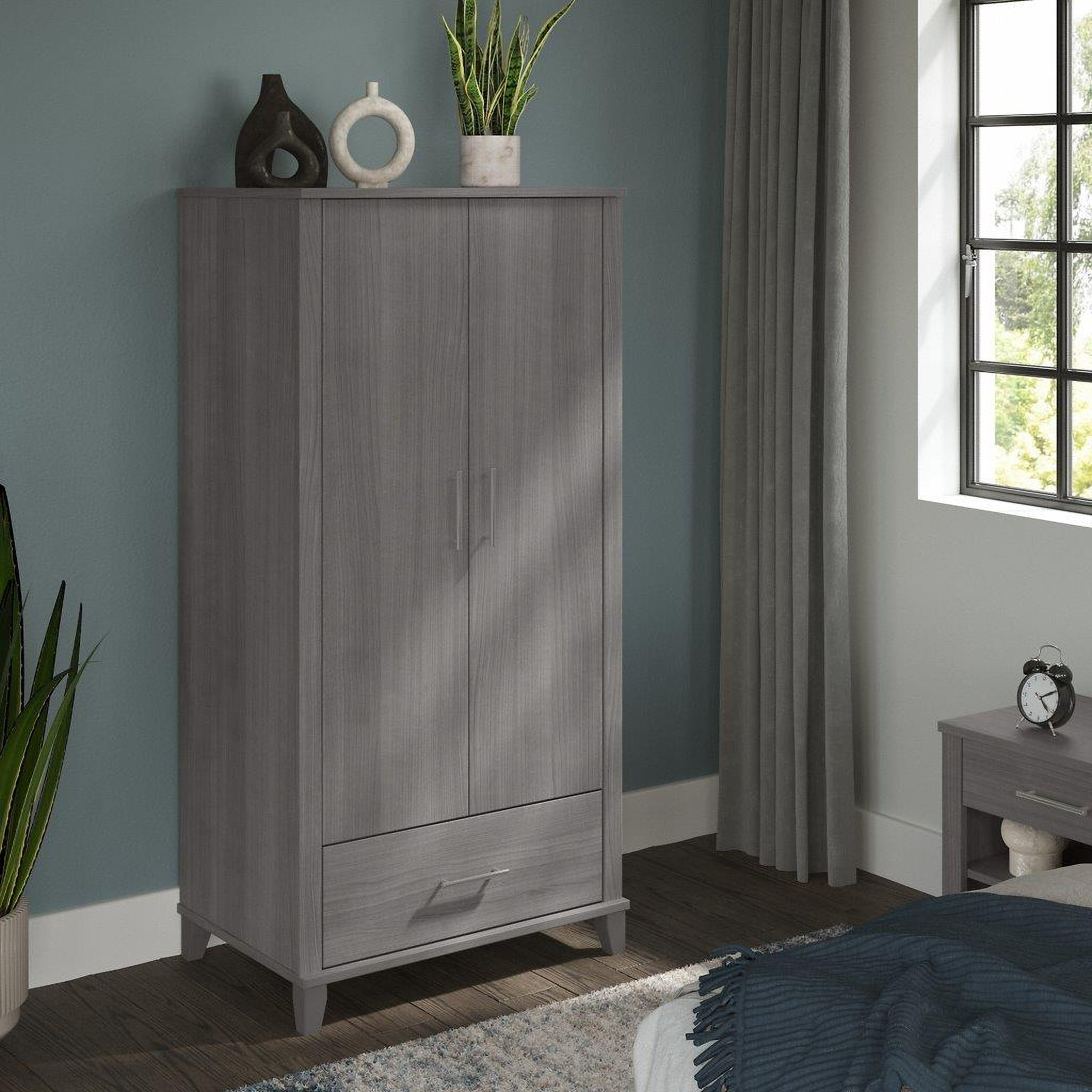
Somerset armoires, with their rich history and enduring appeal, represent more than just storage solutions; they are pieces of art, testaments to craftsmanship, and often, valuable investments. But how do you tell a genuine Somerset armoire from a modern imitation or a cleverly disguised piece? This guide delves into the world of Somerset armoires, providing you with the know-how to identify authenticity, appreciate their beauty, and avoid common missteps. This is a deep dive, and you'll be well-prepared to navigate the market and make informed decisions. It is a fascinating journey. Let's begin!
The allure of a Somerset armoire is undeniable. The sturdy construction, elegant design, and the promise of ample storage have made them a beloved furniture item for generations. But the popularity of these pieces has, unfortunately, led to a surge of reproductions and imitations, making it a challenge for even seasoned collectors to distinguish the authentic from the fake. This article will serve as your comprehensive guide, equipping you with the knowledge and insights needed to confidently identify a genuine Somerset armoire. We'll explore the key characteristics, common pitfalls, and the subtle details that separate the real deal from a pretender. Get ready to become a Somerset armoire expert!
Understanding the Somerset Armoire's History and Design
Before diving into the specifics of authentication, it's crucial to grasp the essence of the Somerset armoire. These armoires, typically originating from the Somerset region of England, often date back to the 18th or 19th centuries. Key design elements include:
- Construction: Usually crafted from solid oak or walnut, known for its durability and beautiful grain.
- Style: Often feature a simple, elegant design, sometimes with carved details, moldings, and a paneled door. The style is generally influenced by Georgian or Regency periods.
- Hardware: Original hardware, such as hinges, locks, and pulls, are made of iron or brass and are indicators of age and authenticity. The construction is all about strong, long-lasting quality.
Knowing these foundational aspects is the first step in your authentication journey. It helps you set the stage for what you're looking for and what to expect from a genuine piece.
Examining the Wood: The Tell-Tale Signs
The wood itself can tell you much about an armoire's pedigree.
- Wood Type: Authentic Somerset armoires are almost always made of solid, high-quality wood. Look for oak or walnut, the woods most commonly used during the period. Be wary of armoires made from particleboard or veneer, which are telltale signs of modern manufacturing or a low-quality restoration.
- Grain Pattern: Examine the grain pattern carefully. The grain should be consistent throughout the piece, with variations that reflect the natural growth of the wood. Modern pieces often have less variation, with a more uniform appearance.
- Wear and Tear: Genuine armoires will show signs of age, such as minor scratches, dents, and imperfections. These are not flaws; they are proof of its history. Be cautious of armoires that appear to be in pristine condition; they may have been overly restored or are possibly new.
- Color and Patina: The wood's color and patina (the sheen that develops over time) are important indicators. The color should be rich and deep, with a warm, aged glow. The patina should be even and consistent, showing that it has been loved for years. It's important to remember that age brings with it a certain beauty.
Keep in mind that wood can be refinished, so don't discount a piece outright based on its finish alone, but consider it a key factor in your overall assessment.
Dissecting the Construction and Joinery
The way an armoire is put together speaks volumes about its age and authenticity.
- Joinery Techniques: Look for traditional joinery methods like dovetails, mortise and tenon joints, and pegged construction. These techniques were common in the 18th and 19th centuries and are a sign of skilled craftsmanship. Modern pieces often use screws, staples, and other mass-production methods.
- Hand-Cut vs. Machine-Made: Inspect the edges and corners of the armoire. Hand-cut details will often show slight imperfections, while machine-made parts are more precise. Be alert for signs of hand-planing on the surfaces.
- Interior Details: Examine the interior of the armoire, including the back panels, shelves, and drawers. These elements should be consistent with the overall construction and materials used. A mismatch can be a red flag.
The construction is where the true craftsmanship is visible. Take your time and look carefully at how the armoire was constructed.
Scrutinizing the Hardware
Hardware is a critical element in determining authenticity.
- Material: Authentic Somerset armoires typically feature hardware made of iron or brass. The hardware should show signs of age and wear, such as oxidation or pitting.
- Style: The style of the hardware can provide clues to the armoire's age and origin. Research the typical hardware styles used during the period when the armoire was purportedly made.
- Originality: Check if the hardware appears to be original to the piece. Replacement hardware can be a sign of restoration, but it doesn't necessarily mean the piece is not authentic. It’s important to assess the quality and style of the replacement parts.
Hardware can often be replaced, so evaluate it in context with other clues.
Identifying Common Red Flags
Be aware of these warning signs:
- New Smells: A strong smell of chemicals or fresh varnish could indicate a recent refinishing or restoration.
- Uniform Appearance: An armoire that looks too perfect, without any signs of age or wear, is a cause for suspicion.
- Inconsistent Materials: Mixing modern materials, such as particleboard, with older elements.
- Poor Joinery: The use of screws, staples, or other mass-production techniques.
- Unusual Features: Any design elements or construction methods that are not typical for the Somerset region or the period.
Knowing these red flags will help you avoid making a costly mistake and assist you in making an informed decision.
Seeking Expert Opinions and Documentation
When in doubt, always seek expert advice.
- Appraisers: Consult with a qualified antique appraiser who specializes in furniture. They can provide an unbiased assessment of the armoire's authenticity and value.
- Auction Houses: Reputable auction houses often have experts on staff who can authenticate and provide details about pieces.
- Documentation: If possible, try to find documentation, such as receipts, provenance, or previous appraisals. This can provide valuable information about the armoire's history.
Don't hesitate to seek professional help. It's a smart investment that can protect you from purchasing a fake.
Identifying an authentic Somerset armoire requires a keen eye, a willingness to learn, and a bit of detective work. By understanding the armoire's history, design, construction, and materials, you can significantly increase your chances of recognizing the real deal. Remember to examine the wood, the joinery, and the hardware carefully, and be aware of the common red flags. If you are unsure, don't hesitate to seek expert opinions and documentation. With this knowledge, you're well-equipped to navigate the exciting world of Somerset armoires and find a beautiful piece that will be treasured for generations. The journey of discovery is half the fun. Happy hunting, and enjoy the beauty of these amazing antiques!