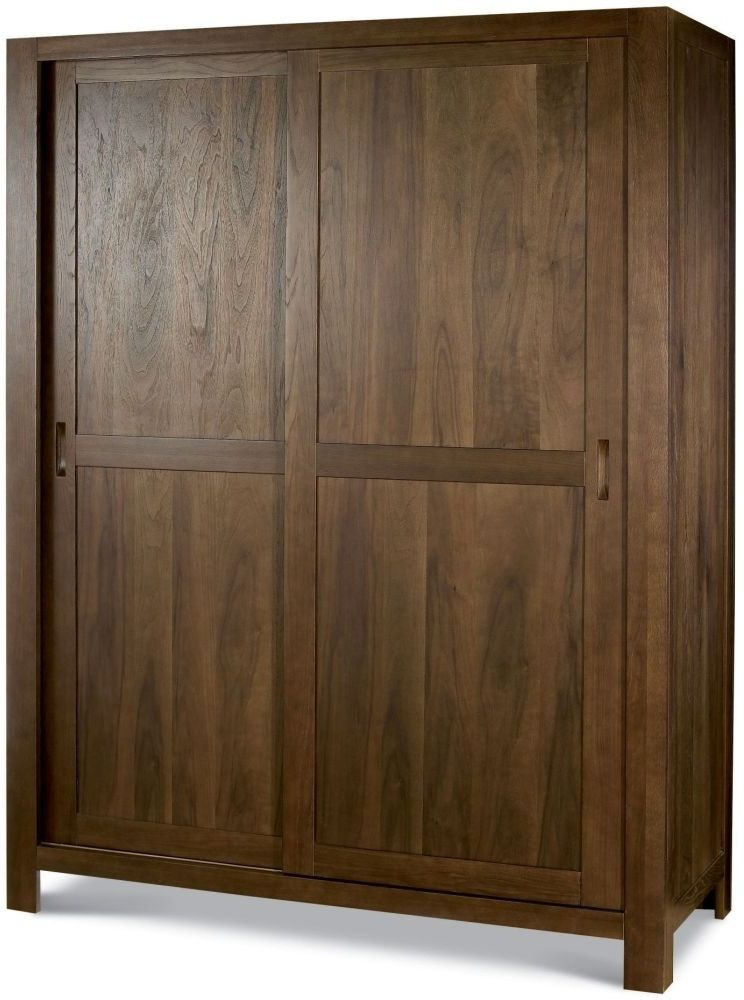
For generations, the black walnut wardrobe has stood as a symbol of sophistication, strength, and enduring value. More than just a place to store clothes, it’s a statement piece, a family heirloom, and a testament to the artistry of woodworking. This article delves into the heart of what makes these wardrobes so special, from their origins and construction to their care and the stories they tell. Let's explore the world of black walnut wardrobes together, shall we?
Imagine opening a wardrobe, not just to retrieve a suit or a dress, but to connect with history. That’s the experience a black walnut wardrobe can offer. These pieces are not just furniture; they are repositories of craftsmanship, reflecting a legacy of skill and an appreciation for the natural beauty of wood. From the rich, dark tones to the intricate grain patterns, a black walnut wardrobe brings a sense of warmth and elegance to any space. In the following sections, we'll unpack the story behind these magnificent pieces, offering insights into their construction, the unique qualities of the wood, and how to care for them so they last for generations to come. It's a journey through time, design, and the enduring charm of a truly remarkable material and craft.
The History and Heritage of Black Walnut
The story of the black walnut wardrobe begins with the tree itself. Juglans nigra, the American black walnut, is native to North America, where it has been prized for its beauty, strength, and workability for centuries. Early American craftsmen quickly recognized the wood’s exceptional qualities, utilizing it in everything from gunstocks to furniture. The wood's deep, chocolate-brown hue and close grain made it ideal for fine woodworking, and its resistance to warping and decay ensured its longevity.
During the 18th and 19th centuries, black walnut became a favorite choice for high-end furniture, including wardrobes. The wood was often used for the visible surfaces of the wardrobe, while other, less expensive woods might be used for the internal framework. This practice, along with the skill of the artisans, contributed to the durability and prestige of these pieces. Consider the craftsmanship involved, from the careful selection of the wood to the intricate joinery techniques employed to assemble the wardrobe. These pieces were built to last, and many of them are still gracing homes today and that's a testament to the lasting quality and design.
Understanding the Craft: Construction and Design
The making of a black walnut wardrobe is a labor of love and skill. The construction process typically begins with the careful selection of walnut boards, paying close attention to the grain pattern and the absence of imperfections. Craftsmen use various joinery techniques, such as dovetails, mortise and tenon, and tongue and groove, to ensure the wardrobe's structural integrity. Dovetails, for example, are a hallmark of quality, providing exceptional strength and resistance to pulling forces.
The design of a black walnut wardrobe can vary widely, from simple, Shaker-inspired pieces to elaborate Victorian creations. Common features include:
- Doors: Single or double doors, often with raised panels or decorative carvings.
- Drawers: Constructed using dovetail joints for durability.
- Shelves and Hanging Rods: Offering versatile storage options.
- Hardware: Handles, hinges, and locks, often made of brass or other durable metals.
Consider the design, a well-made wardrobe provides ample storage space while also serving as a focal point in the room. The design reflects the prevailing styles of the era in which it was created, offering a glimpse into the history of furniture design.
The Unique Qualities of Black Walnut Wood
What sets black walnut apart? Several factors contribute to its desirability:
- Color: The rich, dark brown color of the wood deepens with age, adding to its beauty.
- Grain: The grain pattern of black walnut is typically straight, but can also be figured with swirls, burls, and other unique characteristics, making each piece one-of-a-kind.
- Strength and Stability: Black walnut is a strong and stable wood, resistant to warping and shrinking, making it ideal for furniture that needs to withstand daily use.
- Workability: The wood is relatively easy to work with, allowing craftsmen to create intricate details and complex designs.
These qualities, combined with the wood's natural beauty, make black walnut a prized material for furniture makers and collectors alike. The wood's density and durability also mean that black walnut wardrobes are built to last, often becoming cherished family heirlooms.
Caring for Your Black Walnut Wardrobe: Preservation and Maintenance
Proper care is essential to preserving the beauty and longevity of your black walnut wardrobe. Here are some tips:
- Dusting: Dust regularly with a soft cloth to remove dirt and debris. Avoid abrasive cleaners, which can scratch the surface.
- Cleaning: For more thorough cleaning, use a mild soap and water solution. Always test the solution in an inconspicuous area first.
- Polishing: Apply a quality furniture polish periodically to protect the finish and enhance the wood's natural luster. Follow the manufacturer's instructions.
- Sunlight Protection: Avoid placing the wardrobe in direct sunlight, as this can cause the wood to fade or discolor over time.
- Humidity Control: Maintain a consistent humidity level in your home to prevent the wood from drying out or absorbing moisture, which can lead to warping or cracking. A humidifier or dehumidifier may be necessary depending on your climate.
- Professional Restoration: If your wardrobe is damaged or shows signs of wear and tear, consider consulting a professional furniture restorer. They can assess the damage and recommend appropriate repair or restoration methods.
By following these guidelines, you can ensure that your black walnut wardrobe remains a source of beauty and enjoyment for many years to come.
Spotting Authentic Black Walnut: Identifying and Evaluating Wardrobes
Identifying an authentic black walnut wardrobe requires a keen eye and a bit of knowledge. Here's what to look for:
- Wood Grain and Color: Examine the grain pattern and color of the wood. Black walnut has a distinctive dark brown hue and typically exhibits a straight or slightly wavy grain.
- Construction: Look for high-quality joinery techniques, such as dovetails, mortise and tenon joints, and a solid, well-built frame.
- Hardware: Original hardware, such as handles, hinges, and locks, can be a good indicator of authenticity. Research the typical hardware used during the period the wardrobe is believed to have been made.
- Finish: The finish should be consistent and even, with no signs of bubbling, cracking, or peeling.
- Age and Provenance: Research the history of the piece, if possible. Knowing its origin and previous owners can add to its value and authenticity.
If you are considering purchasing a black walnut wardrobe, it’s always a good idea to consult with a furniture appraiser or expert. They can assess the piece's authenticity, condition, and value.
Black Walnut Wardrobes Today: Value, Investment, and Finding Your Piece
Black walnut wardrobes remain highly sought after by collectors and those seeking to add a touch of elegance and history to their homes. The value of a black walnut wardrobe depends on several factors, including its age, condition, design, and provenance. Fine examples from the 18th and 19th centuries can command significant prices, especially if they are in excellent condition and have a known history.
If you're interested in acquiring a black walnut wardrobe, here are some options:
- Antique Shops and Dealers: These establishments often have a selection of antique furniture, including black walnut wardrobes.
- Auctions: Auction houses specializing in antiques and fine art frequently offer black walnut wardrobes.
- Online Marketplaces: Websites like eBay and Etsy can be good resources for finding antique furniture, but be sure to carefully review the seller's reputation and the item's description and photos.
- Estate Sales: Estate sales can be a great way to find unique and valuable items, including black walnut wardrobes.
When purchasing a black walnut wardrobe, take your time, do your research, and don't be afraid to ask questions. With a little patience, you can find a piece that you'll cherish for years to come, a piece that will not only serve a functional purpose but also tell a story.
The black walnut wardrobe is more than just a piece of furniture; it's a testament to craftsmanship, a repository of history, and a symbol of enduring beauty. From its origins in the American forests to its place in homes today, the black walnut wardrobe has captivated generations. Understanding its construction, appreciating the unique qualities of the wood, and knowing how to care for it are key to preserving its legacy. Whether you're a collector, a history enthusiast, or simply someone who appreciates fine craftsmanship, the black walnut wardrobe offers a unique opportunity to connect with the past and bring a touch of timeless elegance to your life. So, open the doors of a black walnut wardrobe, and step into a world of history, artistry, and enduring charm. The story it tells is one that will continue to inspire for many years to come.