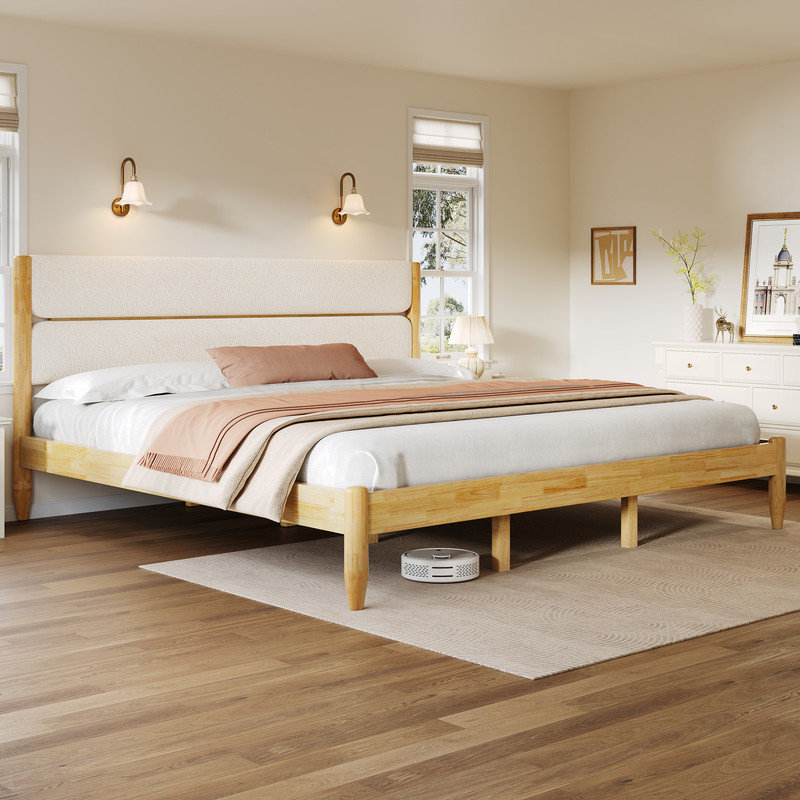
Ever stare at your king-size bed and feel like something’s missing? It’s huge. It’s luxurious. But it can also feel a bit... empty. Or maybe you’re propped up against a stack of standard pillows that keeps collapsing every time you try to read. We’ve all been there. The solution isn’t just more pillows. It’s the right pillow. Specifically, a bolster.
But here’s the kicker: not all bolsters are created equal. Throw a tiny decorative tube on a massive king mattress, and it looks lost. Pick one that’s too thick, and it feels like sleeping on a log. Getting the size right is less about following rigid rules and more about understanding how your body moves and how your eye travels across the room. In 2026, the approach to bedding has shifted. It’s no longer just about looking good for guests. It’s about creating a functional, cozy haven that supports your back, your neck, and your sanity.
Let’s dive into the nitty-gritty of bolster sizes. We’ll break down the dimensions that actually work for a king bed, explore why diameter matters just as much as length, and give you practical ways to style them so they don’t just sit there—they earn their keep. Whether you’re a side sleeper needing knee support or a design lover wanting that hotel-luxury vibe, there’s a perfect fit waiting for you. And honestly? It’s simpler than you think.
Decoding the Dimensions: Length Matters Most

When we talk about bolster pillows for king beds, length is the first thing that jumps out. Why? Because a king bed is wide—76 inches to be exact. A short pillow gets swallowed up by that expanse. According to recent guides from sources like Amerisleep and Puffy, the sweet spot for a king-size bolster usually starts at 36 inches. That’s three feet of supportive goodness. It’s long enough to span a good portion of the bed without looking comically small.
But don’t stop at 36 inches if you want maximum impact. Many designers and sleep experts in 2026 are leaning toward longer options, ranging from 48 to even 54 inches. Sara Ingrassia, a noted designer, suggests using 4-foot lengths for king beds to create a balanced look. These longer bolsters act almost like a headboard extension or a full-back support system. If you love to sit up in bed to read or watch TV, a 48-inch bolster gives you a solid wall to lean against. It doesn’t shift around as easily as shorter ones. It stays put.
However, context is key. If your king bed is pushed against a wall or has a tall, upholstered headboard, a super-long bolster might feel redundant. In those cases, a 36-inch version offers enough visual weight without overcrowding the space. Think about the negative space. You want the bolster to complement the bed, not compete with it. Measure your mattress width. Subtract the space you want left on either side. That remaining number is your ideal length range. Simple math, big difference.
The Diameter Debate: Thickness vs. Comfort

Length grabs attention, but diameter dictates comfort. This is where people often go wrong. They buy a bolster because it looks nice, only to realize it’s as hard as a rock or too thin to provide any real support. For king beds, the recommended diameter typically falls between 8 and 12 inches. Mattress Miracle notes that large bolsters in this range serve as excellent body pillow alternatives for side sleepers. That thickness allows you to hug the pillow or rest your leg over it without feeling like you’re straining your hip.
Why does this matter? Well, a 6-inch diameter might look sleek, but it’s often better suited for queen beds or as a lumbar accent. On a king, it can disappear visually. Conversely, a 12-inch diameter is substantial. It creates a bold statement piece. It’s plush. Inviting. But be warned: thicker isn’t always better if you’re petite or prefer a flatter sleep surface. A 9-inch diameter, as suggested by Mattress Review, is often cited as the "Goldilocks" size—just right for both support and aesthetics on a king frame.
Consider your primary use case. Are you using this for decoration? Go thinner, maybe 6-8 inches. It’s easier to style and layer. Are you using it for pain relief, back support, or side sleeping? Go thicker. An 8-10 inch diameter provides the loft needed to align your spine properly. It fills the gap between your waist and the mattress when you’re on your side. It’s a small detail that can change your entire night’s sleep. Don’t skimp on the girth if comfort is your goal.
Function First: Support for Every Sleeper

Let’s get real for a second. Bolsters aren’t just pretty tubes. They’re tools. For back sleepers, a medium-length bolster (around 20-30 inches) placed under the knees can relieve lower back pressure. It flattens the spine slightly, reducing strain. But on a king bed, you might want two of these, or one longer one that both partners can share. Imagine both of you kicking your legs up after a long day. That shared comfort? Priceless.
Side sleepers have different needs. As mentioned earlier, a large, long bolster (36+ inches, 8-12 inches thick) works wonders. You can hug it to keep your shoulders open, preventing that hunched-forward posture that leads to morning stiffness. You can also throw one leg over it to keep your hips aligned. It’s like a customizable orthopedic device that looks like high-end decor. In 2026, the line between medical support and interior design is blurrier than ever. You don’t have to choose between looking good and feeling good.
Then there’s the stomach sleepers. Rare, but they exist. For them, a thinner, softer bolster under the hips can prevent the lower back from arching too much. A 6-inch diameter, soft-fill bolster works best here. It’s subtle. It doesn’t force the body into an unnatural angle. The key is versatility. A king bed offers enough real estate to experiment. Try different positions. See what alleviates your aches. Your body will tell you what works faster than any chart can.
Styling Strategies: Creating Visual Balance

Okay, so you’ve got the size. Now, how do you make it look intentional? Styling a king bed with a bolster is an art form. The most common mistake is centering it perfectly and leaving it alone. Boring. Instead, think layers. Start with your Euro shams (those big square pillows) against the headboard. Then your standard king pillows. Then, place the bolster in front. This creates depth. It draws the eye in.
For a modern, minimalist look, choose a bolster in a contrasting texture. If your sheets are crisp cotton, go for a chunky knit or velvet bolster. The 36-48 inch length works best here, running horizontally across the foot of the bed or just in front of the sleeping pillows. It adds a pop of color or pattern without overwhelming the space. Arianna Belle’s guide emphasizes this layering technique for a luxurious feel. It’s about mixing materials. Silk, linen, wool. Let them talk to each other.
If you’re going for a maximalist vibe, don’t be afraid to mix sizes. Use a long 54-inch bolster as the base, then layer smaller lumbar pillows or decorative neck rolls on top. This works particularly well if you have a low-profile headboard. The bolster adds height and grandeur. Just remember the rule of odds. Three pillows look better than two. Five look better than four. Odd numbers create dynamic tension. They feel more natural to the human eye. Play with asymmetry. Slide the bolster slightly to one side. Break the perfection.
Material and Fill: The Hidden Variables

Size isn’t everything. What’s inside counts. A 36-inch bolster filled with cheap polyester fiberfill will flatten out in a month. It’ll look sad and lumpy. For king beds, where the pillow is a focal point, invest in quality fill. Down and feather blends offer that sink-in luxury. They mold to your body. But they require fluffing. If you’re low-maintenance, look for high-density memory foam or shredded latex. These hold their shape. They provide consistent support night after night.
The cover material matters too. King beds are touched daily. The fabric needs to be durable yet soft. Cotton percale is breathable. Great for hot sleepers. Linen gets softer with every wash. It has that relaxed, lived-in charm that’s so popular in 2026. Velvet adds warmth and richness, perfect for colder climates or winter styling. Avoid synthetic blends that pill easily. You’ll regret it when you’re trying to enjoy your beautiful bed and the pillow feels scratchy.
Also, consider removability. Life happens. Spills. Sweat. Pet hair. Make sure your bolster has a zippered cover that’s machine washable. If it’s dry-clean only, ask yourself: are you really going to do that? Probably not. So it’ll stay dirty. Practicality enhances beauty. A clean, fresh-smelling bolster invites you to relax. A stained one repels you. It’s simple hygiene, but it impacts how much you enjoy your space. Choose wisely.
Even with all this info, mistakes happen. One big one? Ignoring scale. Putting a tiny 18-inch bolster on a king bed is like wearing a child’s hat. It looks accidental. It diminishes the grandeur of the bed. Always err on the side of larger. You can always layer smaller items on top, but you can’t make a small pillow bigger. Another pitfall is matching too perfectly. If your bolster is the exact same fabric and color as your duvet, it disappears. Create contrast. Use complementary colors.
Don’t forget about the headboard. If you have a tall, ornate headboard, a thick bolster might look cluttered. Opt for a slimmer profile. If your headboard is low or non-existent, a thick, long bolster adds necessary height and structure. It acts as a visual anchor. Context changes everything. Also, avoid stiff, overly firm bolsters if you plan to lean against them. You want some give. Some bounce. A brick-like pillow is uncomfortable and defeats the purpose of relaxation.
Lastly, don’t set it and forget it. Styles change. Trends shift. In 2026, we’re seeing a move towards organic shapes and earth tones. Maybe your bright blue bolster from five years ago doesn’t fit the vibe anymore. That’s okay. Swap the cover. Rotate the pillow. Keep the energy fresh. Your bedroom should evolve with you. It’s a living space, not a museum exhibit. Stay flexible. Experiment. Have fun with it.
Getting the right bolster size for your king bed is a journey, not a destination. It’s about balancing the 36-54 inch length with an 8-12 inch diameter to suit your specific needs. It’s about choosing fills that support your body and fabrics that soothe your senses. It’s about styling it in a way that makes you smile when you walk into the room.
Remember, there’s no single "correct" answer. Your body is unique. Your taste is unique. Use these guidelines as a starting point, not a law. Test out different lengths. Feel the difference in diameters. See how the light hits the textures. You’ll find what works. And when you do, that king bed won’t just be a place to sleep. It’ll be a retreat. A sanctuary. A place where comfort and style finally shake hands.
So go ahead. Measure that bed. Check those dimensions. And treat yourself to the support you deserve. After all, you spend a third of your life there. Might as well make it comfortable, right?