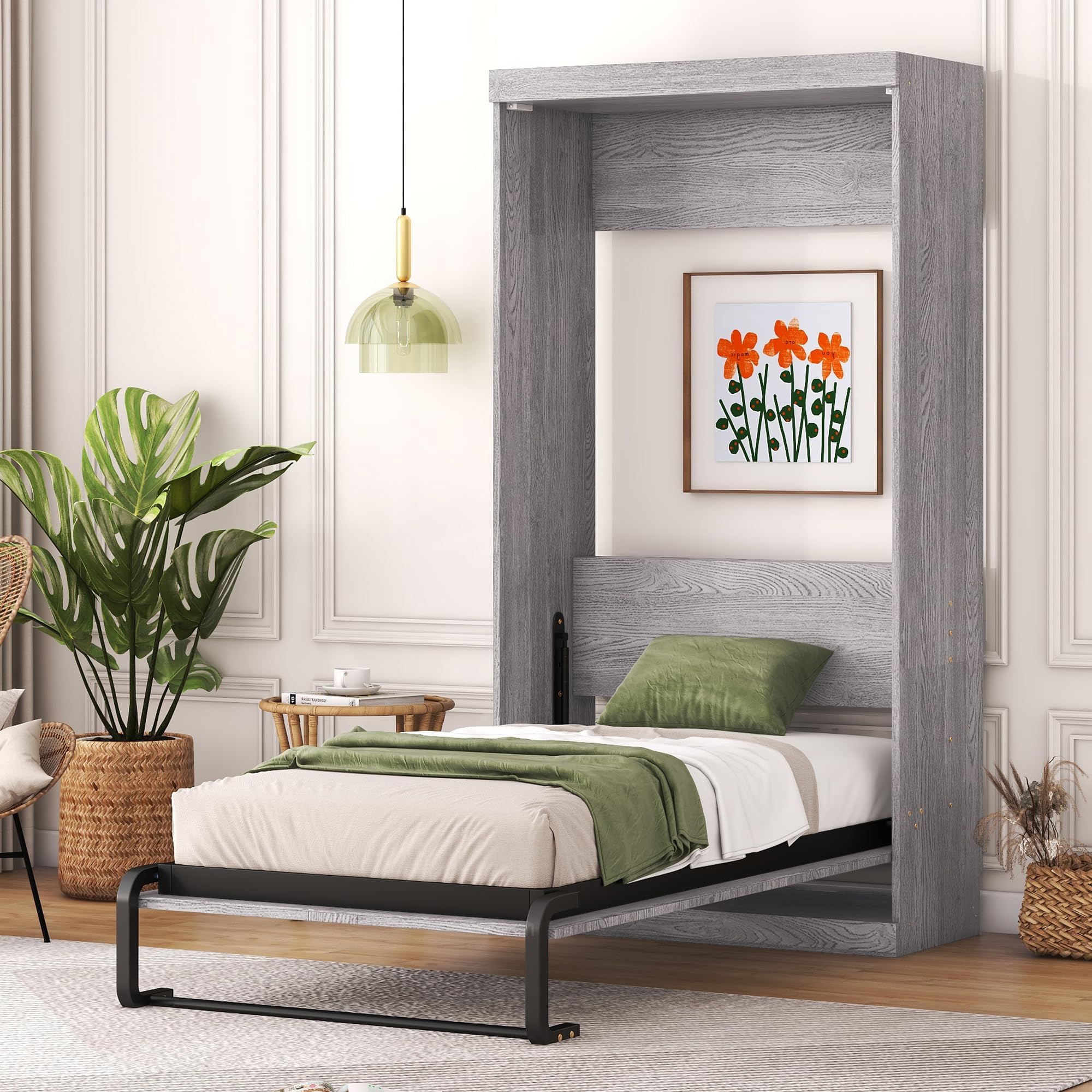
There’s something deeply grounding about a solid wood bed. It’s not just furniture; it’s an anchor. In a world that feels increasingly digital and fleeting, sinking into a frame crafted from real timber feels like a return to basics. But let’s be honest—buying a king-size bed frame is a big deal. It’s expensive. It’s heavy. And if you get it wrong, you’re stuck with a squeaky, wobbly monster in the middle of your sanctuary for years.
You might think it’s simple. Wood is wood, right? Wrong. The difference between a frame that lasts a decade and one that lasts a lifetime often comes down to the joinery, the type of wood, and how well it supports that massive mattress you’ve invested in. We’ve seen trends come and go, but in 2026, the demand for authentic, sturdy craftsmanship is higher than ever. People are tired of flat-pack frustration. They want heirlooms. This guide isn’t about selling you the most expensive option; it’s about helping you find the right one. The one that fits your room, your budget, and your need for a good night’s rest.
Measuring Twice and Living Once
Before you even look at stain colors or headboard styles, you need to face the reality of your floor space. A king-size bed is a beast. It measures roughly 76 inches wide by 80 inches long. That’s huge. But the frame itself adds bulk. Many modern designs have thick posts or extended footboards that can add another four to six inches to each side. If you don’t account for this, you’ll end up with a bed that blocks your closet door or leaves no room for your nightstand.

Start by measuring your room, but don’t stop at the walls. Think about flow. Can you walk around the bed comfortably? Experts recommend at least 24 to 30 inches of clearance on the sides and foot of the bed for easy movement. It sounds like a lot, but when you’re carrying laundry or trying to make the bed, you’ll thank yourself. Also, check your doorways and stairwells. Solid wood frames often arrive in large pieces or require assembly in the room. If you live in a fourth-floor walk-up with narrow halls, a one-piece solid oak headboard might never make it inside. Measure those tight corners twice. It saves the headache of returning a 200-pound piece of furniture later.
Don’t forget the vertical space either. High-profile frames look majestic, but they can overwhelm a room with low ceilings or small windows. Conversely, low-profile platform beds can make a small room feel larger and airier. Consider the visual weight. A dark, heavy walnut frame will dominate a small space, while a lighter ash or oak might feel more open. It’s all about proportion. You want the bed to feel like a centerpiece, not an obstacle. Take a tape measure, mark out the footprint on the floor with painter's tape, and live with it for a day. Walk around it. Sit on the imaginary edge. Does it feel cramped? If so, scale back. Your comfort matters more than the catalog photo.
Knowing Your Woods and Grains
Not all wood is created equal. When shopping for a solid wood frame, you’ll encounter a mix of hardwoods and softwoods, and knowing the difference is crucial for longevity. Hardwoods like oak, maple, cherry, and walnut are dense and durable. They resist dents and scratches better than softwoods. Oak, for instance, is a classic choice for 2026 because it’s incredibly strong and has a prominent grain that hides minor imperfections well. It’s workhorse wood. Maple is harder and smoother, offering a cleaner, more modern look, but it can be pricey.

Then there’s walnut. It’s the darling of mid-century modern design, prized for its rich, dark chocolate tones. It’s softer than oak, so it shows wear easier, but many people love that patina. It tells a story. On the other end of the spectrum, you have pine and other softwoods. They are cheaper and lighter, which is great if you move often. But they dent easily. If you have kids or pets who jump on the bed, pine might look battered within a year. It’s not "bad," it’s just different. You have to match the wood to your lifestyle.
Be wary of terms like "solid wood veneer" or "engineered wood." While high-quality veneers over plywood can be stable and beautiful, they aren’t the same as solid lumber. Veneers can peel or chip if damaged, whereas solid wood can be sanded and refinished. If the price seems too good to be true for a "solid oak" king frame, it probably is. It might be rubberwood (a sustainable but softer hardwood) or a mix of solids and composites. Ask questions. Look at the underside of the rails. Check the joinery. Real quality doesn’t hide. It invites you to look closer. And remember, wood moves. It expands and contracts with humidity. A good frame is built to handle this natural breathing without cracking or warping.
The Skeleton Inside: Slats and Support
The prettiest headboard in the world won’t save you if the support system underneath is weak. This is where many budget frames fail. A king-size mattress is heavy, especially if it’s a hybrid or memory foam model. If the support slats are too far apart or too thin, the mattress will sag in the middle. This not only ruins the comfort of your sleep but also voids most mattress warranties. You need a foundation that distributes weight evenly across the entire surface.

Look for closely spaced slats. Ideally, they should be no more than 2.5 to 3 inches apart. This provides a near-solid surface that supports every coil and foam layer in your mattress. Some frames come with a bunkie board—a thin sheet of plywood or particleboard—but wooden slats are generally better for ventilation. They allow air to circulate under the mattress, which reduces moisture buildup and prevents mold and mildew. This is especially important if you live in a humid climate or tend to sweat at night. A breathable bed is a healthier bed.
Crucially, check for a center support beam. For a king-size frame, this is non-negotiable. A single beam running down the middle, supported by one or two legs that touch the floor, prevents the side rails from bowing outward under pressure. Without it, the frame can twist or collapse over time. Some high-end frames use a double center rail or a grid system for extra rigidity. Don’t be shy about asking the manufacturer about the weight capacity. A sturdy king frame should easily support 600 to 800 pounds or more. If the specs are vague, look elsewhere. Stability isn’t a luxury; it’s a requirement for peace of mind.
Joinery and Construction Quality
How the pieces fit together determines how long the bed lasts. Avoid frames that rely solely on screws or staples. These can loosen over time, leading to the dreaded squeak. Instead, look for traditional joinery techniques like mortise and tenon or dovetail joints. These interlocking methods create a mechanical bond that gets tighter with use. They are hallmarks of quality craftsmanship. If you can’t see the joints, ask to see a diagram or a sample. A reputable maker will be proud to show you how their frames are built.

Hardware matters too. High-quality bolts, washers, and inserts make assembly easier and the structure stronger. Cheap metal strips or plastic connectors are red flags. They strip easily and don’t hold up to the constant shifting and weight of two adults. Also, consider the finish. It shouldn’t just look good; it should protect the wood. Oil-based finishes penetrate the wood and enhance the grain, while lacquers provide a harder, more protective shell. Both are valid, but ensure the finish is non-toxic and low-VOC, especially since you’ll be breathing near it every night.
Another detail to check is the leveling. Floors are rarely perfectly flat. Good frames have adjustable levelers on the feet or legs. This allows you to stabilize the bed even if your bedroom floor slopes slightly. A wobbly bed is a restless bed. Test the stability in the showroom if you can. Shake it. Push on the corners. It should feel solid, like a rock. If it flexes or creaks under moderate pressure, it won’t handle the dynamic load of sleeping partners tossing and turning. Build quality is invisible until it fails, so pay attention to these details now.
Style Meets Function in 2026
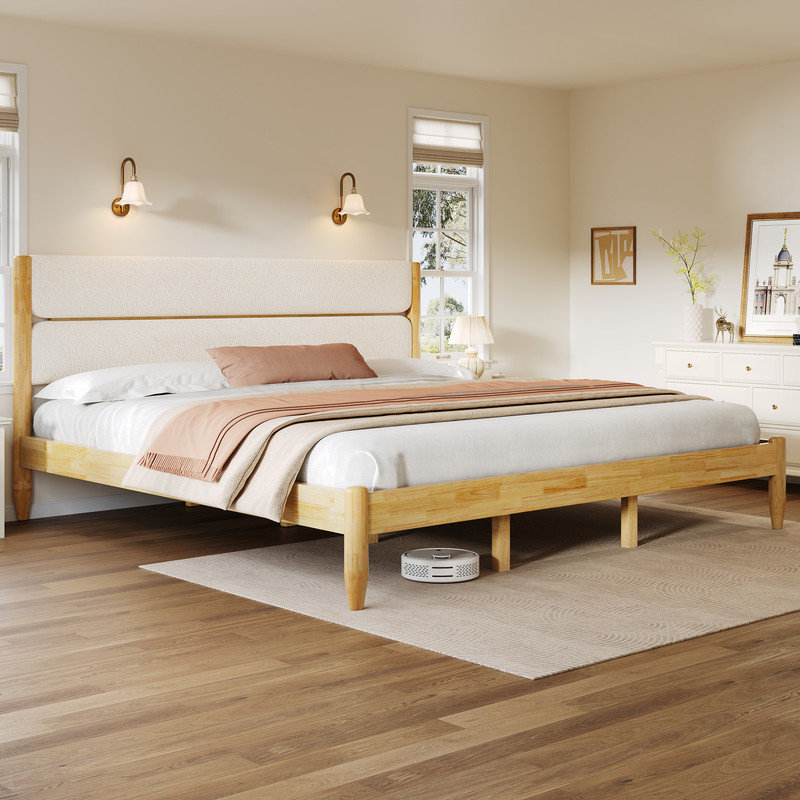
Trends in 2026 are leaning towards warmth and authenticity. The cold, industrial looks of the early 2020s are giving way to softer, more organic shapes. Curved headboards, rounded posts, and natural, matte finishes are popular. People want their bedrooms to feel like retreats, not showrooms. A solid wood frame fits this vibe perfectly. Whether you prefer the clean lines of Scandinavian design or the rustic charm of farmhouse style, wood offers versatility. It can be stained dark for drama or left natural for lightness.

Consider the height of the headboard. A tall headboard makes a bold statement and provides a comfortable backrest for reading in bed. But it also requires more wall space and can make a room feel smaller. A low-profile or no-headboard platform bed creates a minimalist, zen-like atmosphere. It’s great for small rooms or for those who prefer a sleek, uncluttered look. Think about how you use your bed. Do you sit up and read? Do you watch TV? Your habits should dictate the form. Don’t choose a style that looks great in a magazine but functions poorly in your daily life.
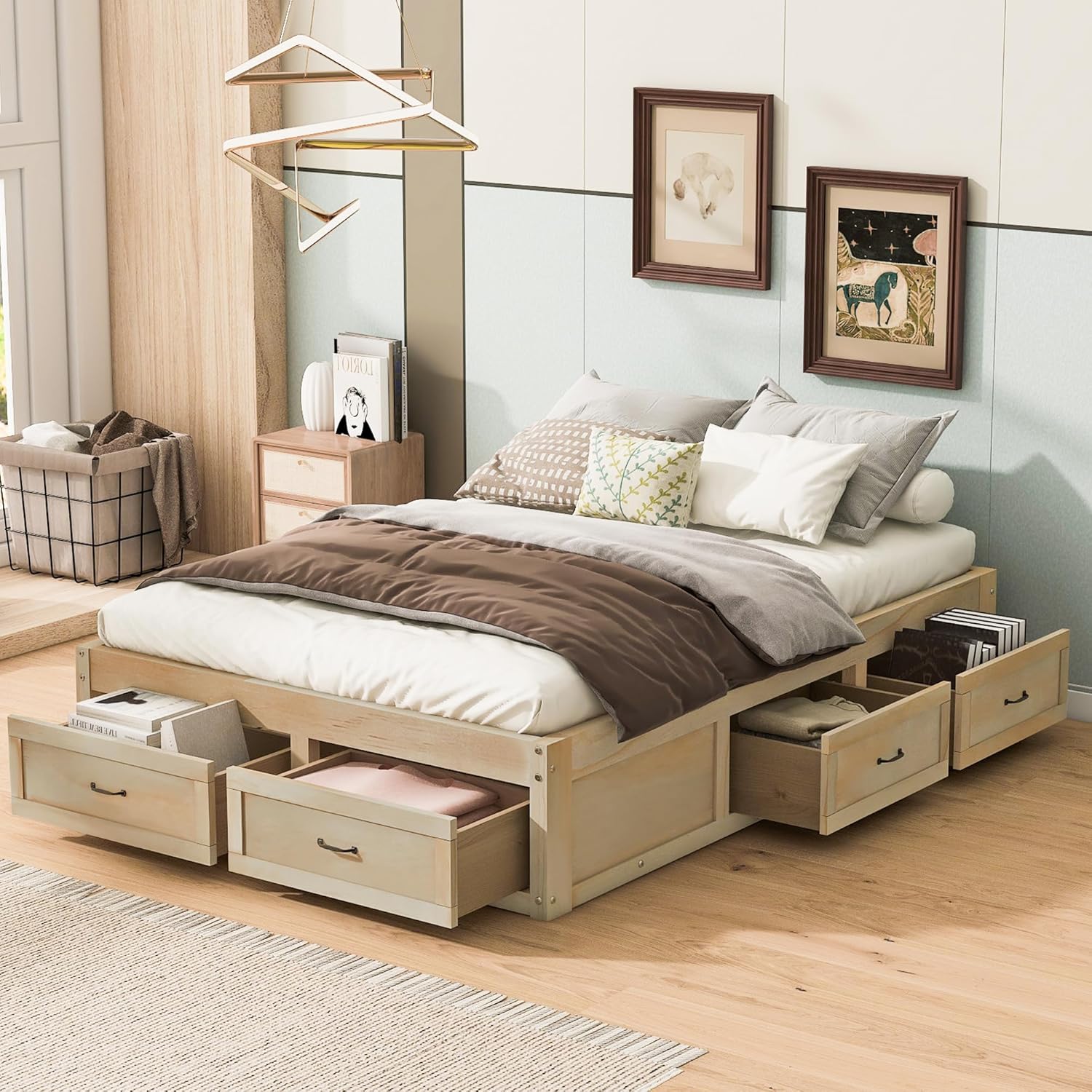
Storage is another functional aspect to consider. Some solid wood frames come with built-in drawers or lift-up storage compartments. These are fantastic for maximizing space in smaller apartments. However, ensure the mechanisms are smooth and durable. Cheap drawer slides can jam or break. If you opt for a platform bed with storage, make sure the wood is thick enough to support the weight of stored items without sagging. Alternatively, you can keep the frame simple and use under-bed storage bins. This keeps the aesthetic clean and allows for flexibility. The key is intentionality. Every design choice should serve a purpose, whether it’s visual harmony or practical utility.
A solid wood bed is an investment, and like any investment, it needs care. But don’t worry, it’s not complicated. Dust it regularly with a soft, dry cloth. Avoid harsh chemical cleaners that can strip the finish. If you spill something, wipe it up immediately. Wood is porous, and liquids can leave stains or cause swelling if left too long. For deeper cleaning, use a damp cloth with a mild soap solution, then dry it thoroughly. Once or twice a year, you might want to apply a wood conditioner or polish, depending on the finish. This keeps the wood hydrated and prevents it from drying out and cracking.
Check the hardware periodically. Even the best-built frames can loosen slightly over time due to temperature changes and movement. Tighten any bolts or screws every six months or so. It takes five minutes and can prevent major issues down the road. If you notice a squeak, identify the source. It’s usually a loose joint or friction between two pieces of wood. A little beeswax or furniture wax on the contact points can silence it instantly. Don’t ignore small noises; they are early warning signs.
Finally, protect the wood from extreme environmental changes. Direct sunlight can fade the color of the wood over time. If your bed is in front of a sunny window, consider using curtains or blinds during the peak hours. Similarly, avoid placing the bed directly next to radiators or air conditioning vents. Rapid changes in temperature and humidity can cause the wood to warp or crack. Keep the room at a consistent, comfortable level. With basic care, a solid wood king frame can last for decades. It might even outlive you, becoming a cherished piece passed down through generations. That’s the beauty of buying well. It’s not just a purchase; it’s a legacy.
Choosing the right solid wood king bed frame is about more than just aesthetics. It’s about creating a foundation for rest, health, and comfort. By measuring carefully, understanding your wood options, prioritizing support and joinery, and matching the style to your life, you can find a frame that serves you well for years to come. Don’t rush the process. Take your time. Ask questions. Feel the weight of the wood. Your future self, waking up refreshed and pain-free, will thank you. Sleep well.