Is your sleep quality suffering because of an old or uncomfortable mattress? You're not alone. Many people struggle with back pain, tossing and turning, and restless nights – all symptoms that might point to a less-than-ideal sleeping surface. If you've been considering upgrading to a queen size memory foam mattress, you're making a smart move toward better rest. These mattresses offer unique benefits that can transform your nightly routine. But how do you choose the right one?
Memory foam mattresses have become increasingly popular over the past few decades, especially among those seeking personalized comfort and support. In 2026, they continue to dominate the market with new innovations and improved designs. A queen size mattress offers plenty of room for two people, making it ideal for couples or anyone who likes to stretch out while they sleep.
The key lies in understanding what makes a memory foam mattress truly effective. Not every brand or model is created equal. Some offer superior pressure relief, while others focus on temperature regulation. Some provide excellent motion isolation, which helps reduce disturbances when your partner moves during the night. Choosing wisely means knowing what features matter most for your lifestyle and sleep needs.
Let’s explore practical advice and expert insights that will guide you through the process of selecting the perfect queen size memory foam mattress.
First Main Point
Understanding Memory Foam Density and Its Impact on Comfort
Memory foam is made from polyurethane with added chemicals that make it viscoelastic – meaning it responds to both heat and pressure. This property allows it to mold closely around your body, offering customized support and reducing pressure points. The density of memory foam plays a crucial role in determining how well it performs.
Density is measured in pounds per cubic foot (pcf). Higher-density foams tend to be more durable and supportive, while lower-density options may feel softer but wear out faster. For queen size mattresses, experts recommend looking for densities between 4 and 6 pcf for a good balance of comfort and longevity.
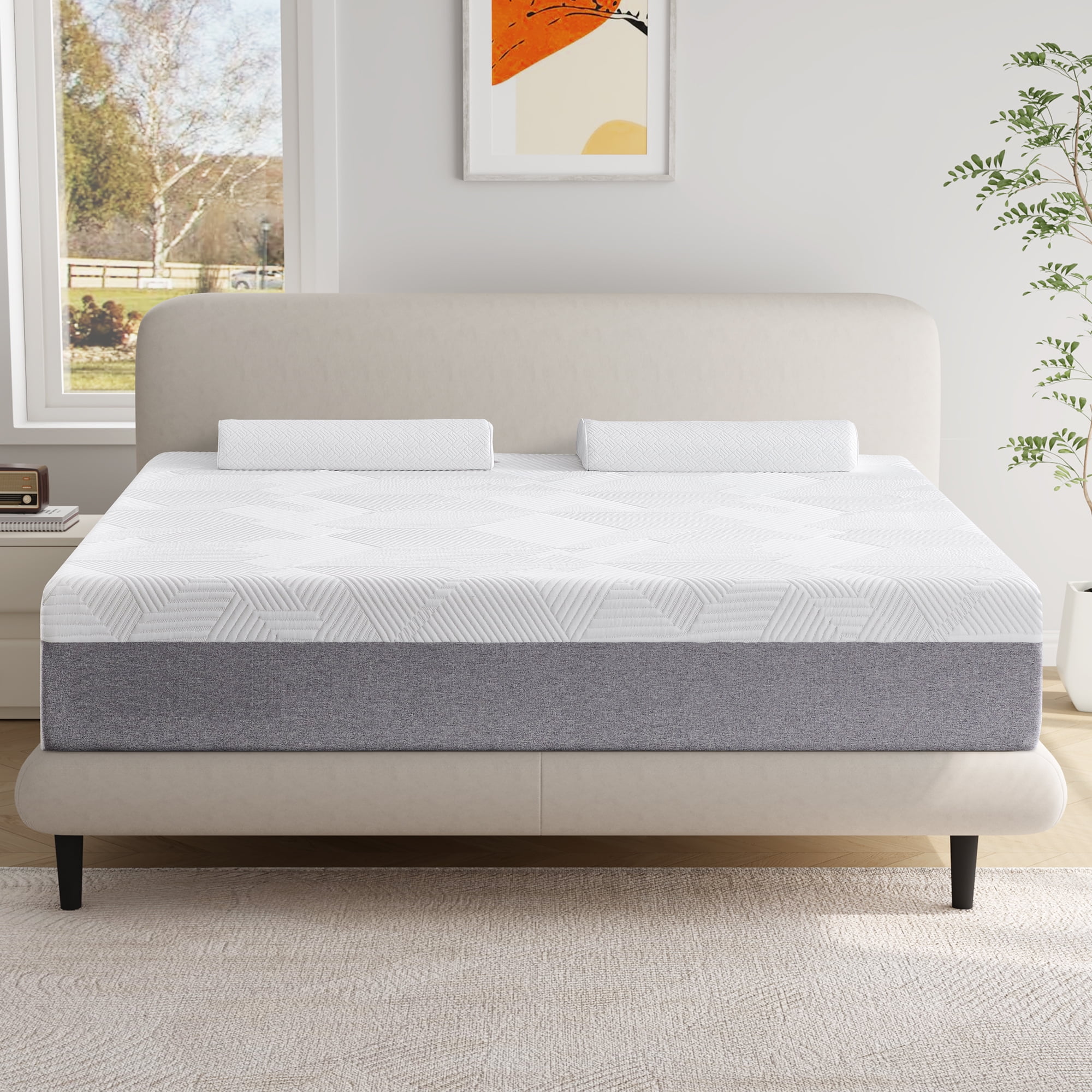
A 5 pcf memory foam mattress provides enough firmness for side sleepers while still offering the contouring support many people desire. It's also less likely to sag over time compared to lower-density models.
Consider also whether the mattress uses open-cell or closed-cell construction. Open-cell structures allow better airflow and heat dissipation, which can prevent overheating during hot summer months.
Second Main Point
Temperature Regulation: Why It Matters More Than You Think
One common complaint about memory foam mattresses is that they trap heat, leading to uncomfortable nighttime sweating. While this used to be a major issue, manufacturers have made significant improvements in recent years.
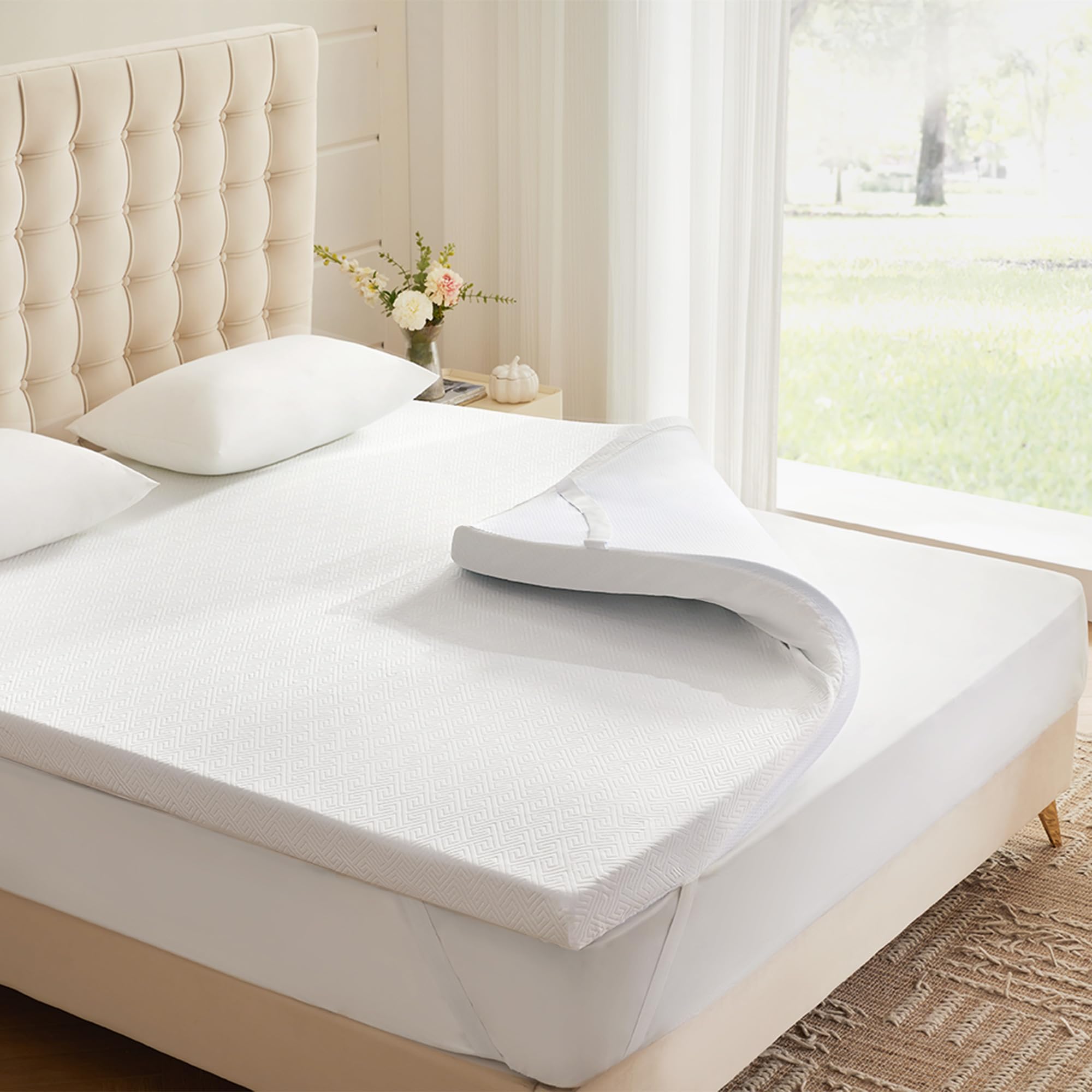
In 2026, newer memory foams incorporate cooling technologies such as gel infusions, breathable cover materials, and phase-change materials that absorb excess body heat. These innovations help regulate temperature throughout the night.
If you're prone to overheating or live in a warm climate, look for mattresses labeled as cooling or temperature-regulating. Some even feature ventilation channels or airflow systems built directly into the foam layers.
For example, a queen mattress with a gel-infused top layer combined with a breathable cotton blend cover can significantly improve thermal comfort. Also consider perforated foam layers, which allow air to circulate freely.
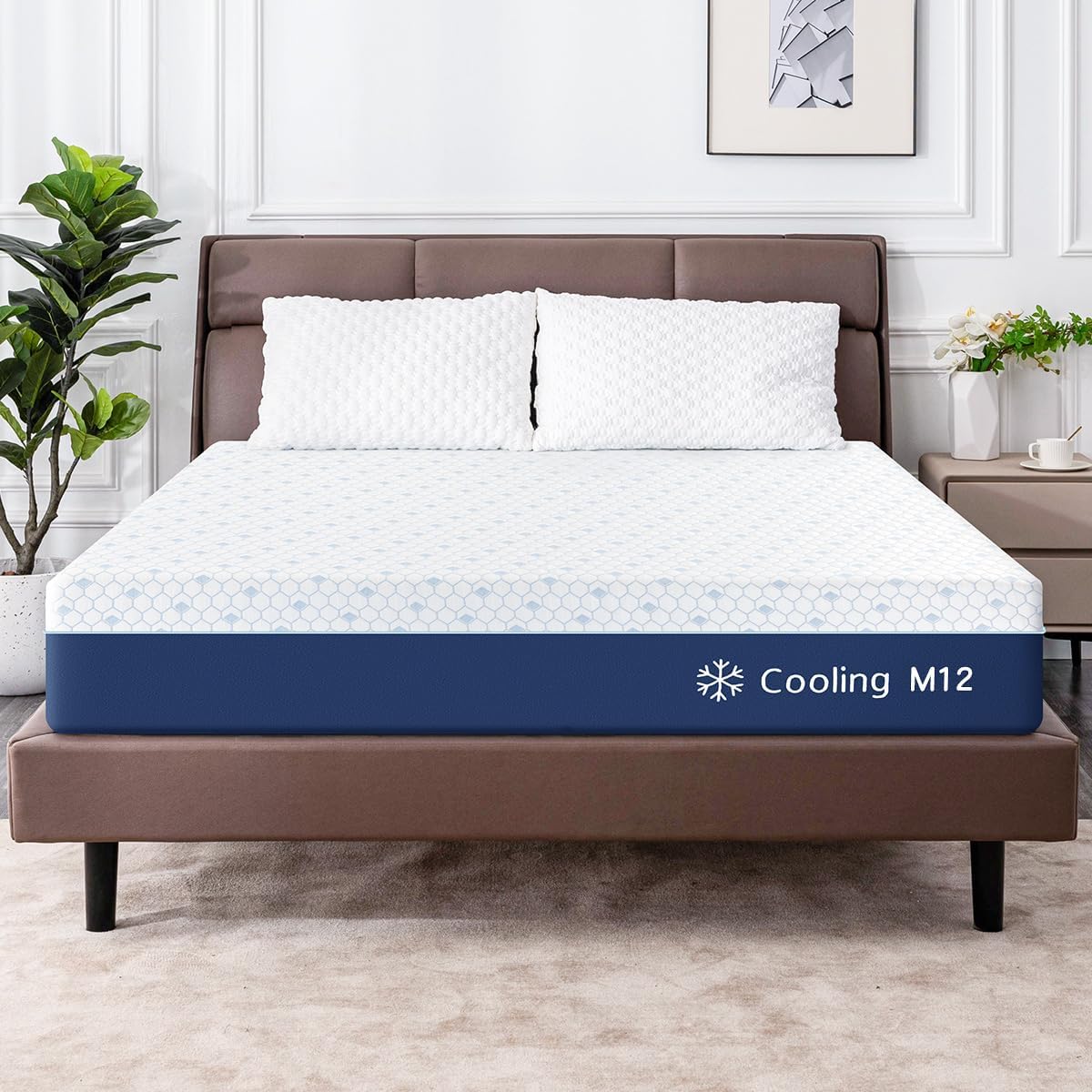
Try testing the mattress before buying if possible. Lie down on it for at least ten minutes to see how your body reacts to the temperature. If you start feeling too warm, it might not be the best fit for you.
Third Main Point
Motion Isolation: A Game-Changer for Couples
Couples often find themselves disturbed by their partner’s movements during sleep. Whether it’s rolling over, getting up, or even just shifting position slightly, these small motions can disrupt sleep quality.
Memory foam mattresses excel in motion isolation, meaning that movement on one side of the bed won’t wake someone on the other side. This is particularly important for couples with different sleep schedules or those who prefer to sleep separately despite sharing a bed.
Look for mattresses with multi-layer construction that includes separate foam zones designed to minimize motion transfer. Some brands use independent coil systems within the memory foam layers to enhance this effect.
Some high-end models even come with motion-dampening technology that further reduces vibrations and movement across the surface. These features are especially beneficial for parents with young children or anyone who sleeps lightly.
If you’re a light sleeper or share your bed with another person, investing in a memory foam mattress with strong motion isolation capabilities could dramatically improve your sleep experience.
Fourth Main Point
Size and Space Considerations for Your Bedroom Setup
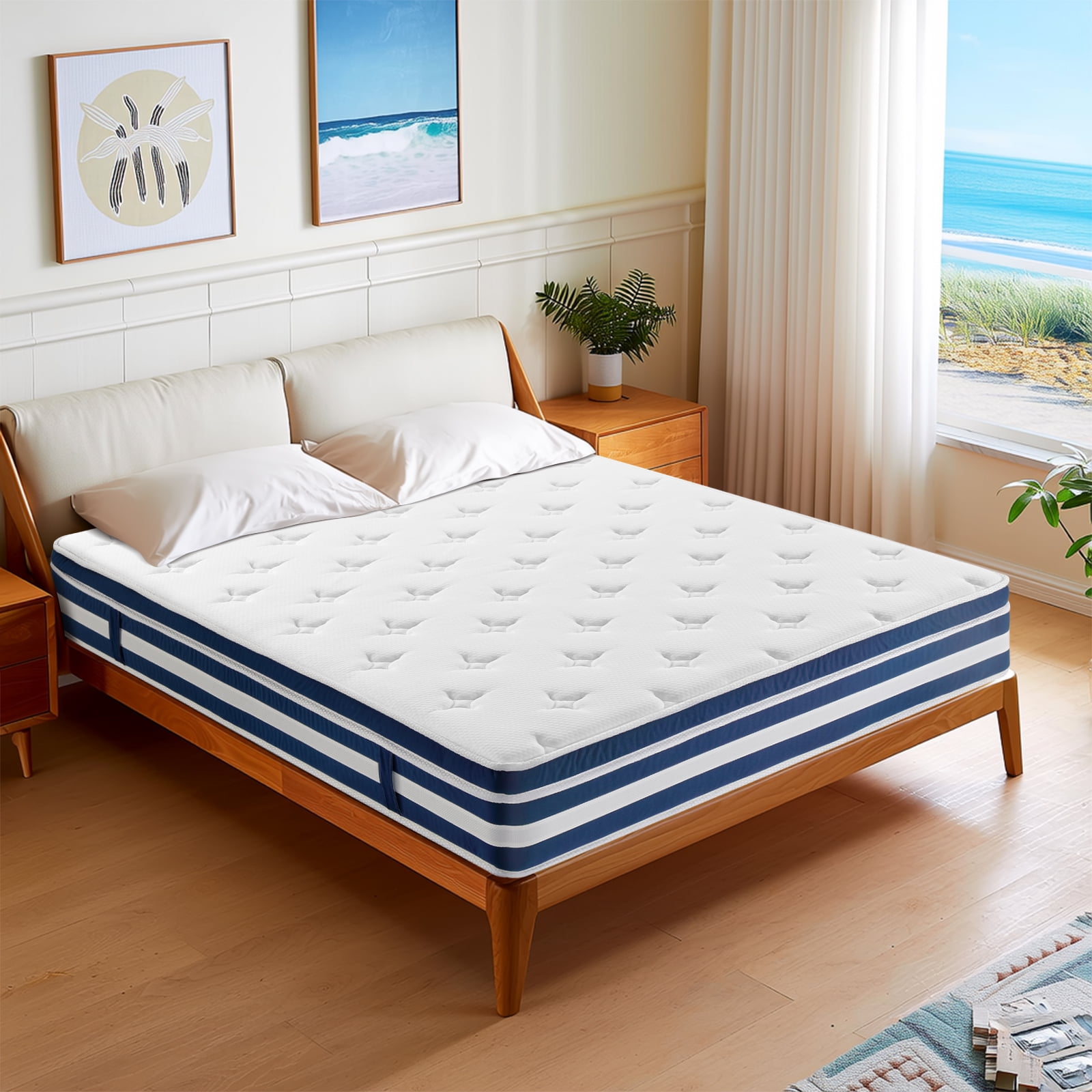
Choosing a queen size mattress isn't just about comfort – it's also about fitting your space properly. A queen mattress measures 60 inches wide and 80 inches long, giving you more room than a full-size bed but less than a king.
Before purchasing, measure your bedroom carefully. Ensure there’s at least 3 feet of clearance around the bed for easy access and movement. Also consider how the mattress will fit into your existing furniture – like dressers, nightstands, and wardrobes.
Keep in mind that some people prefer the extra width of a queen over a full, especially if they enjoy stretching out or sharing the bed with a partner. However, if your room is small or cramped, a smaller mattress might work better.
Also think about future needs. Will you be sleeping alone or with someone else? Are you planning to have guests stay over regularly? A queen gives you flexibility in these scenarios.
When shopping, check if the mattress comes with a box spring or foundation. Many modern memory foam mattresses are designed to work with adjustable bases, which can add another layer of comfort and functionality.
Fifth Main Point
Durability and Longevity: What to Expect from Quality Memory Foam
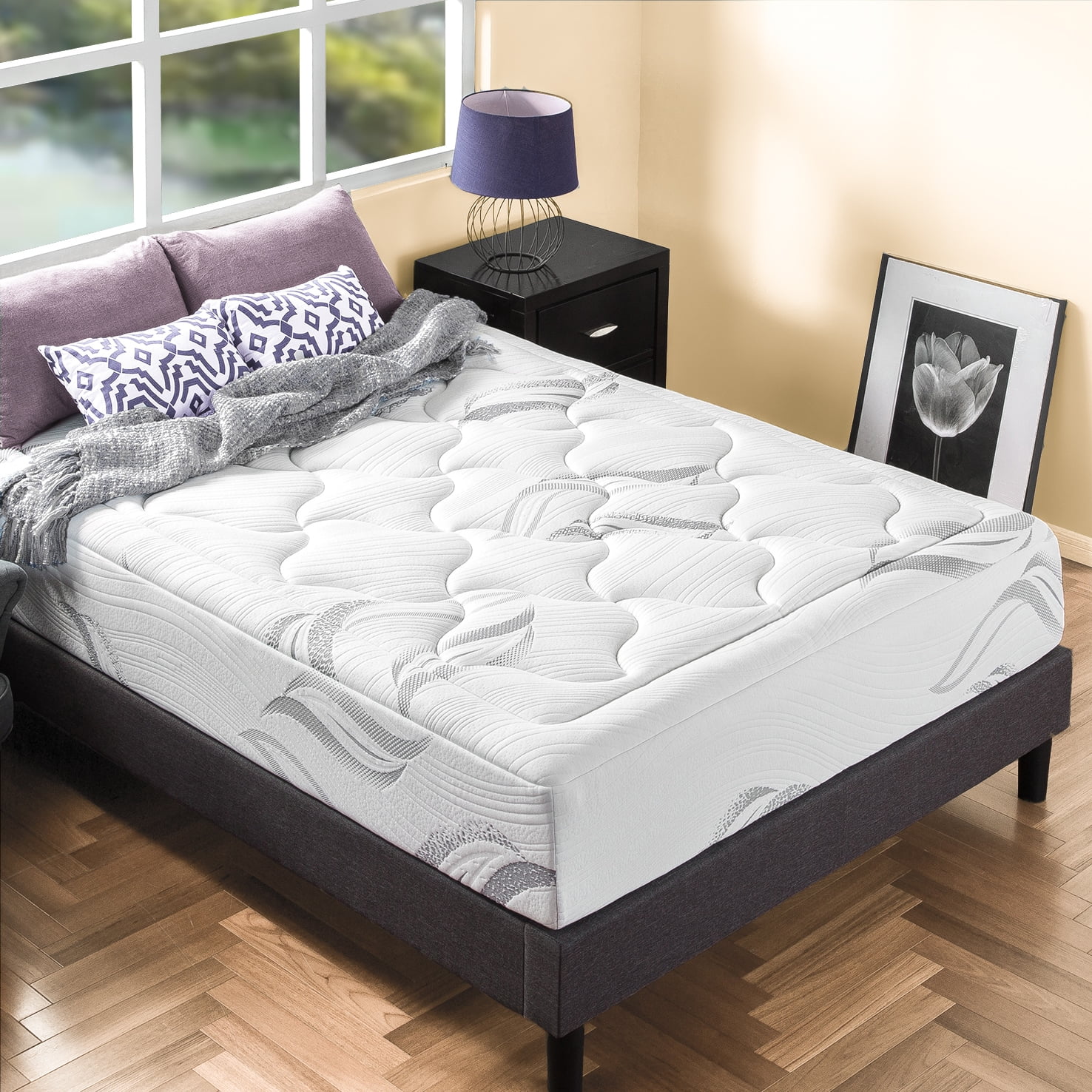
A good memory foam mattress should last between 8 to 12 years, depending on usage and care. But durability isn't just about lifespan – it's also about maintaining comfort and support over time.
Look for mattresses with warranties ranging from 10 to 20 years. Reputable brands often offer extended coverage for issues like sagging or loss of support. Some even provide free replacement services after a certain number of years.
The materials used in the foam itself play a big role in longevity. High-quality memory foam resists degradation better than cheaper alternatives. Look for certifications like Greenguard Gold or Certified Green Label Plus, which indicate low chemical emissions and environmental safety.
Avoid mattresses that promise extremely low prices unless they come with transparent details about their construction and materials. Cheaper options might save money upfront but end up costing more in replacement costs later.
Investing in a quality brand with solid reviews and return policies ensures peace of mind. Many retailers now offer sleep trials lasting up to 100 days, allowing you to test the mattress in your own home before committing.
Sixth Main Point
Budget Tips and Where to Shop Smartly
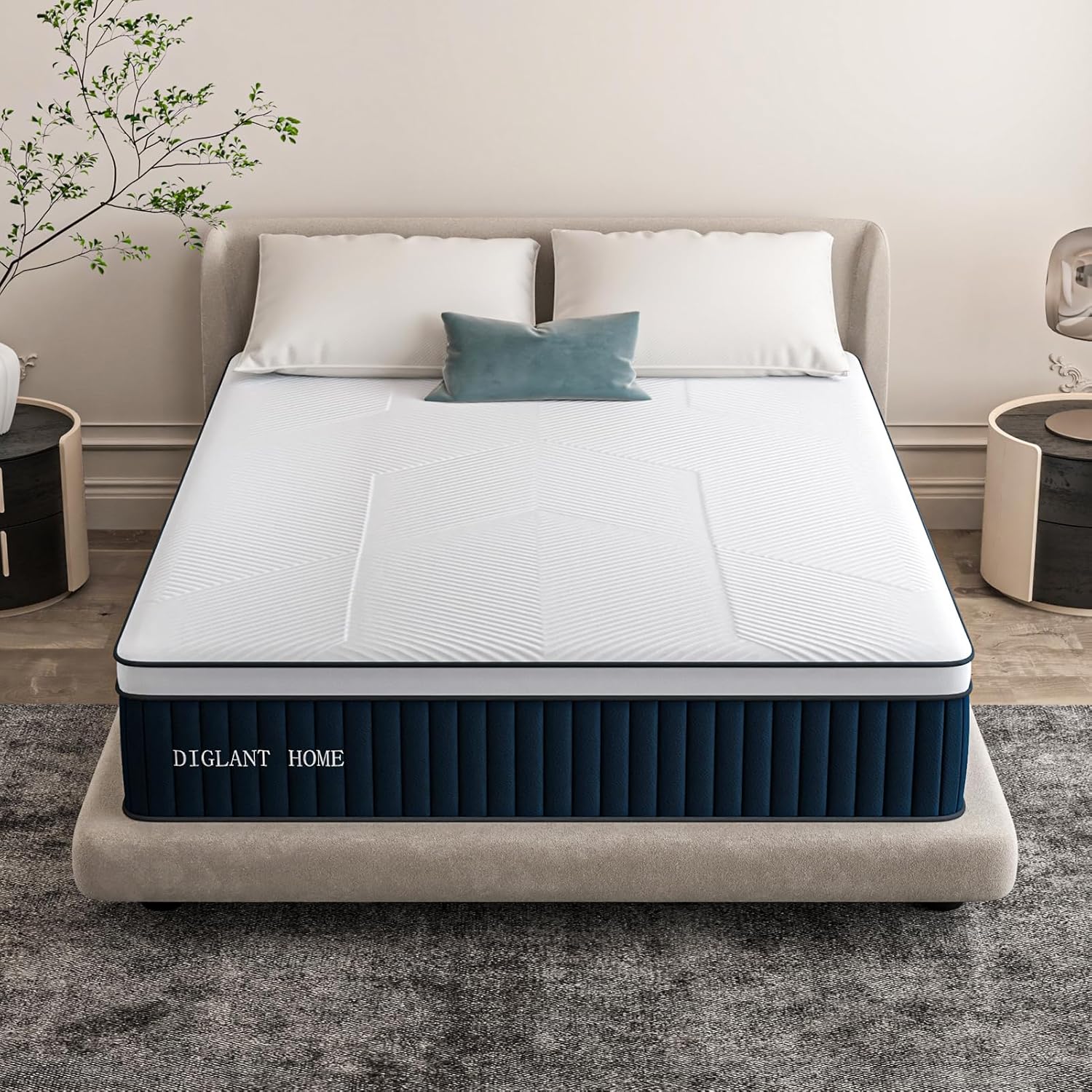
Buying a queen size memory foam mattress can range from $500 to $3,000+, depending on the brand, materials, and features. But there are ways to get the best value without sacrificing quality.
Start by setting a realistic budget based on what you can afford. Then research the top-rated models in that price range. Compare features, customer reviews, and warranty terms. Don't always go for the cheapest option – sometimes spending a little extra pays off in long-term satisfaction.
Many online retailers offer direct-to-consumer pricing, cutting out middlemen and saving you hundreds. Brands like Tempur-Pedic, Saatva, and Purple have gained popularity for combining affordability with performance.
Check for seasonal sales, especially during holidays like Black Friday or Memorial Day. Retailers often offer deep discounts or bundle deals that can make a premium mattress more affordable.
Also consider subscription plans or flexible financing options offered by some companies. These can spread payments over several months, making the purchase more manageable.
Finally, don't forget to factor in shipping and setup fees, which can vary widely between retailers. Some offer white-glove delivery, including assembly and removal of old mattresses.
Choosing a queen size memory foam mattress is more than just picking something soft or comfortable. It's about finding a product that supports your body, regulates temperature, minimizes disruptions, and lasts for years to come. By understanding key factors like density, cooling properties, motion isolation, and durability, you can make an informed decision tailored to your specific needs.
Take time to research and try out different options. Every person's sleep preferences are unique, so what works for someone else might not work for you. But with the right approach, you’ll soon discover a mattress that helps you wake up refreshed and ready for the day ahead.
Whether you're a couple looking for peaceful nights together or a solo sleeper wanting personal comfort, investing in a quality queen size memory foam mattress is one of the best decisions you can make for your health and happiness. Sweet dreams!