Every great kitchen starts with a great sink. But how do you choose the right one when there are so many options? It's not just about looks or price – it's about functionality, durability, and fitting perfectly into your daily routine.
Think about it – you use your kitchen sink every single day. Whether you're washing dishes, preparing meals, or just rinsing vegetables, that little basin under your counter is actually doing a lot of work. Yet most people never really think about what makes a sink good or bad. What if the sink you've had for years is actually holding you back? What if choosing the right one could make your kitchen life so much easier? Let's explore the ins and outs of picking the perfect sink for your home.
Size Matters More Than You Think
The first thing to consider is how big your sink needs to be. Measure your kitchen space carefully before you even start looking. A standard double bowl sink might be perfect for a family of four, but if you live alone, a single large basin could work better. Some people prefer a huge sink to fit multiple pots and pans at once, while others want to save counter space. Consider the size of your cooking habits too. If you often cook large meals, you'll want enough room to wash everything without moving things around. And don't forget about the depth. Deep basins can be great for soaking dishes, but shallow ones are easier to clean. Sometimes the best choice isn't the biggest or smallest, but the one that fits your exact needs.
Material Choices and Their Real-World Impact
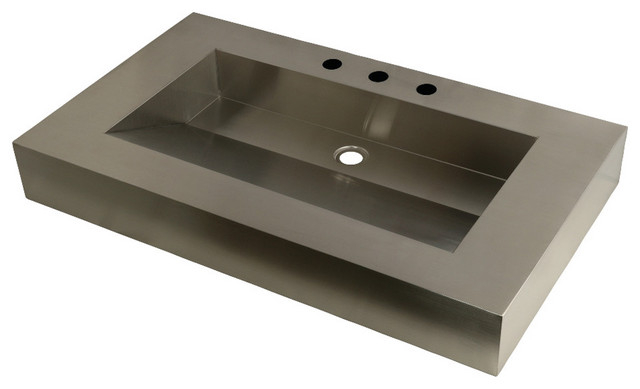
Different materials have different personalities and practical benefits. Stainless steel is probably the most popular because it's durable, easy to clean, and won't rust. It also resists stains well, which is handy when dealing with tomato sauce or coffee spills. On the other hand, granite composite sinks offer a more premium look and feel. They're resistant to scratches and heat, but they can be more expensive. Cast iron sinks are heavy-duty and very quiet when things hit them, but they take up more space and require more maintenance. Ceramic sinks are beautiful and come in lots of colors, but they're fragile and can chip easily. Glass sinks are modern and eye-catching, but they show fingerprints and water marks all the time. Each material comes with its own set of trade-offs, so think about what matters most to you in terms of durability, appearance, and cost.
Bowl Design: Single or Double?
This is where things get interesting. Do you want one big bowl or two smaller ones? Double bowl sinks give you options – one side for washing dishes and another for rinsing or soaking. Many people find this helpful when cooking because they can keep their prep area separate from cleaning. Single bowls are simpler and often larger, which means you can wash bigger items like pots and pans without worrying about overflow. Some people love the convenience of a single large bowl for everything, while others appreciate having dedicated spaces for different tasks. Think about how you actually use your sink. If you're constantly washing dishes and cooking simultaneously, double bowls might make your life easier. If you mostly handle small jobs, one big bowl might suit you better.
Installation Options: Drop-In vs. Undermount
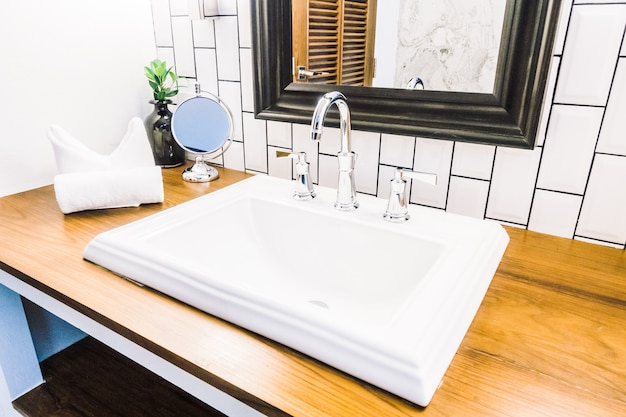
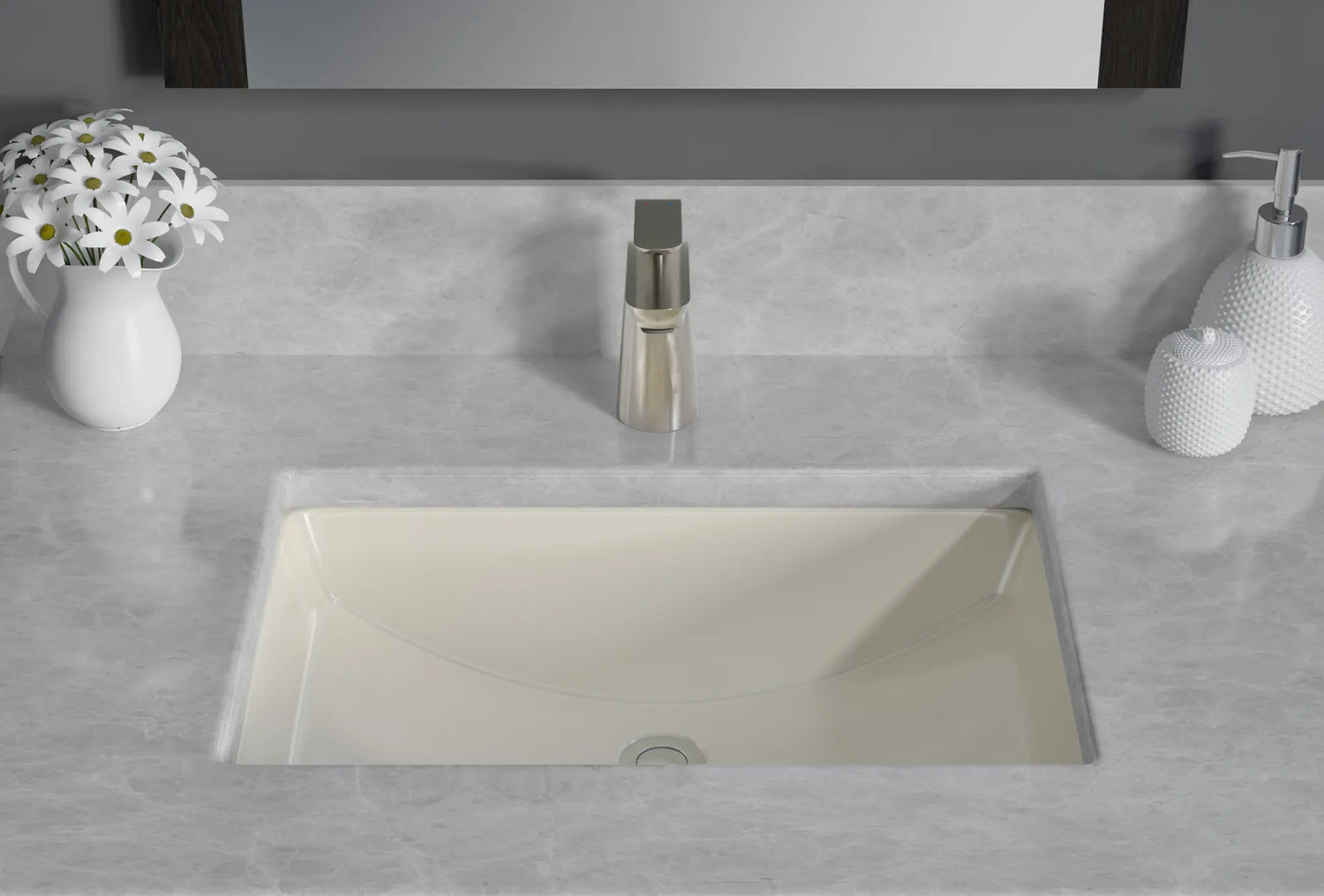
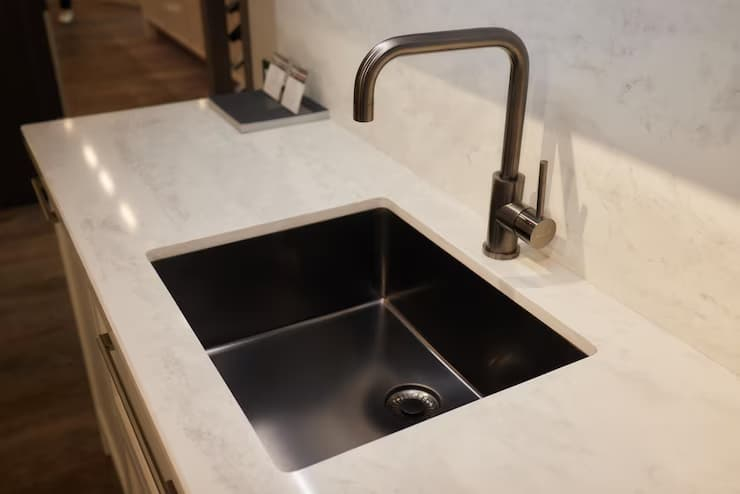
There are two main ways to install a sink – drop-in and undermount. Drop-in sinks sit on top of the countertop, which makes installation simpler and cheaper. These are great if you're doing a DIY project or replacing an old sink quickly. However, they can be harder to clean around the edges. Undermount sinks go underneath the countertop, creating a seamless look. They're easier to wipe down and give your kitchen a sleeker appearance. But they require more complex installation and usually cost more. You'll also need to ensure your countertop is strong enough to support the weight. Both options have pros and cons, and the decision often depends on whether you want something quick and simple or a more polished final result.
Budget Considerations and Long-Term Value
You might be surprised to learn that the cheapest sink isn't always the best choice. Yes, you can find sinks for less than $50, but those often lack durability and features. A mid-range sink between $100 and $300 usually offers the best balance of quality and price. High-end sinks can cost several hundred dollars, but they often come with warranties and last decades. Factor in the cost of installation too – some sinks require professional help, which adds to the total. Also consider ongoing costs like cleaning products or repairs. A well-made sink will save you money over time, especially if it handles daily wear and tear without breaking down. So, yes, spend a bit more upfront if it means fewer headaches later.
Special Features That Can Improve Your Daily Routine
Modern sinks aren't just functional anymore – they come with extra features that can change how you interact with your kitchen. Drain boards help keep your hands dry after washing dishes. Soap dispensers built right into the sink are super convenient. Some sinks have built-in cutting boards or colanders that let you do more in one place. Others feature noise reduction technology, which is helpful if you have young children or live in a small apartment. If you're someone who loves cooking, look for sinks with good drainage and plenty of space for ingredients. And don't overlook the importance of faucet compatibility – make sure your new sink works well with your existing faucet or plan to upgrade both together.
Choosing the right sink isn't just about aesthetics – it's about creating a space that works with your lifestyle. Every element matters: size, material, design, and even installation method. Take time to assess what you really need rather than what looks cool in a showroom. A good sink can make your daily kitchen tasks easier, more enjoyable, and more efficient. Don't rush into a purchase. Think about how you use your kitchen and what would make your life better. With the right sink, you'll notice the difference every single day. After all, your sink is part of your kitchen's heart – it deserves to be chosen wisely.