Have you ever wondered why some bathroom fixtures just feel right while others seem off? It's not just about aesthetics or price tags. There's a whole system behind what makes a bathroom work perfectly. This isn't just about pretty designs or catchy marketing slogans. It's about something deeper - the actual rules that govern how bathroom collections function together.
When we think about bathrooms, we often focus on what looks good or how much it costs. But there's a sophisticated world happening beneath the surface. The WS Bath Collections Cosa 48I03 standard specifications represent more than just technical requirements. They're the invisible glue that holds together a complete bathroom experience. These aren't just numbers and measurements. They're the foundation that ensures every component works harmoniously. Think of them like the blueprint for a well-orchestrated symphony. Every instrument must play its part correctly for the whole piece to sound beautiful. That's exactly what these standards accomplish for bathroom installations.
What Are Standard Specifications?
Standard specifications might sound like something out of a technical manual, but they're really about creating consistency. When manufacturers follow these guidelines, they're essentially saying 'we've all agreed on what makes sense.'
These specifications cover everything from dimensions to materials to performance expectations. Imagine trying to build a house where each piece had different measurements - it wouldn't work properly, right? The same principle applies to bathroom collections.
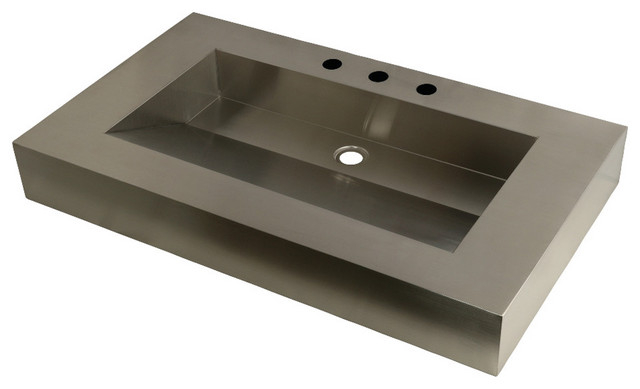
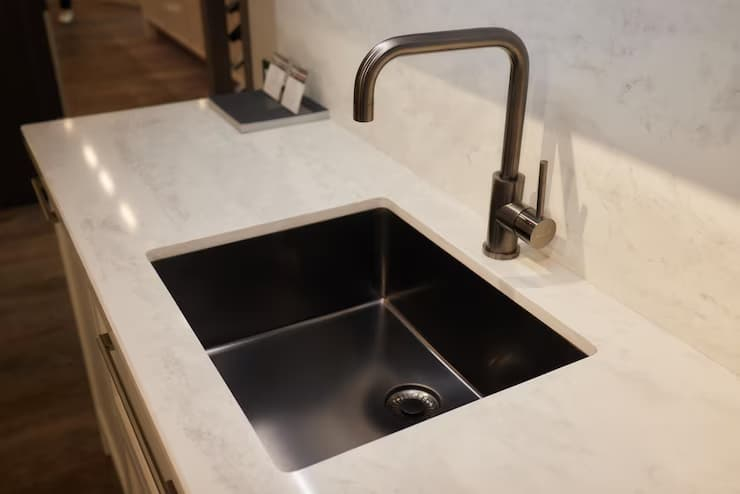
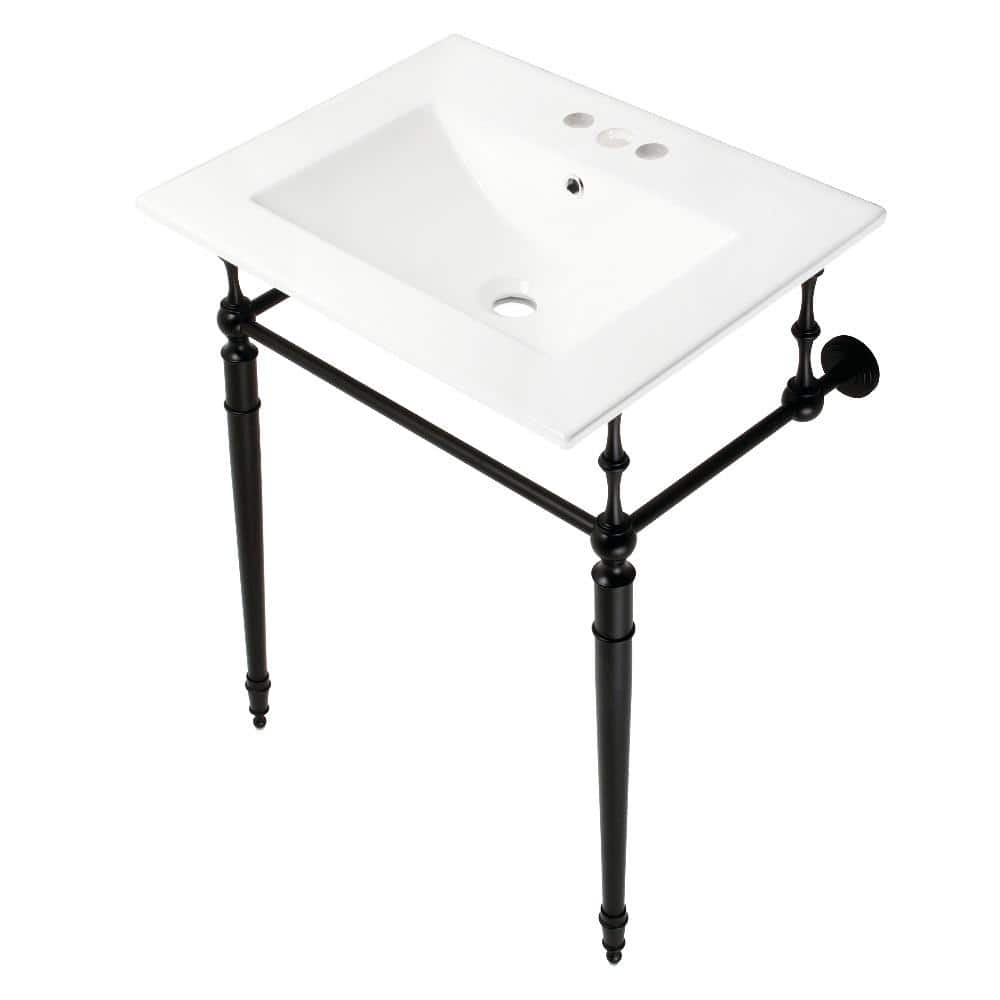
For instance, when a faucet meets a sink, they need to fit together seamlessly. If one is slightly larger or smaller than expected, everything becomes problematic. That's where these standards come in. They create a universal language that everyone speaks. Whether you're a designer, contractor, or homeowner, these specifications provide a common reference point.
The Cosa 48I03 standard specifically addresses certain aspects of bath collection systems. It's not just about making things look pretty. It's about ensuring functionality and compatibility across different components.
Key Components of Cosa 48I03
The Cosa 48I03 standard breaks down into several important elements:
• Mounting configurations - How fixtures attach to surfaces • Connection types - The way water lines connect • Dimensional requirements - Precise measurements for fitment • Material specifications - What substances are acceptable • Performance criteria - How well things should work
Each of these categories has specific rules. For example, mounting configurations tell us exactly where holes should go and how far apart they should be. Connection types ensure that water pipes match up properly without leaks.
Let's take a moment to consider why this matters. When you buy a bathroom fixture, you expect it to work with existing plumbing. Without standardized measurements, every installation becomes a puzzle that needs solving. The Cosa 48I03 specification eliminates most of that guesswork.
Real-world impact: A plumber working on a renovation project won't waste time measuring every single component if they know the standard specifications. They can trust that compatible pieces will fit together correctly.
Why Compatibility Matters
Think about your kitchen. You probably have a set of pots and pans that work together. They're designed to complement each other. Bathroom collections should work the same way. When everything fits properly, installation becomes much simpler.
Compatibility reduces errors during installation. It prevents situations where a new faucet doesn't align with the existing sink hole. It stops problems with water pressure or drainage issues caused by mismatched components.
Consider this scenario: A homeowner buys a fancy new bathtub but discovers it won't fit in their existing space because the drain configuration doesn't match. That's exactly what these standards aim to prevent. They create a framework where buyers can confidently purchase individual pieces knowing they'll work together.
The ripple effect extends beyond just fitting together. Properly matched components often perform better too. Water flow remains consistent, pressure stays balanced, and maintenance becomes easier when everything is designed to work as a unit.
Benefits for Homeowners
Homeowners benefit tremendously from standardized specifications:
• Easier shopping experience - You know exactly what to look for • Reduced installation headaches - Everything fits as expected • Better long-term performance - Components designed to work together • Increased resale value - Well-coordinated collections look professional • Simplified repairs - Replacement parts are readily available
Imagine you're renovating your bathroom. You don't want to spend hours figuring out whether a new showerhead will work with your existing pipes. With standardized specifications, you can make confident decisions.
The financial advantages are real too. When installations go smoothly, labor costs stay reasonable. You avoid expensive mistakes that could happen with incompatible pieces.
Another advantage: peace of mind. When you know that your bathroom components meet industry standards, you can trust that they'll last longer and function properly. It's like having a warranty that covers not just individual items but their interactions.
Industry Impact and Professional Benefits
For professionals in the construction and design fields, these standards bring significant advantages:
• Streamlined workflow - No more re-measuring or custom fitting • Reduced waste - Fewer returns due to fitment issues • Enhanced reputation - Consistent quality builds trust • Faster project completion - Less time spent troubleshooting • Cost efficiency - Lower material and labor expenses
Designers especially appreciate that these standards allow them to create cohesive visions without worrying about technical conflicts. They can focus on creativity rather than problem-solving.
Contractors find that projects run more smoothly when they know what to expect. Instead of spending extra time on site resolving fitment problems, they can concentrate on finishing touches. The result is better customer satisfaction and more profitable jobs.
The industry-wide adoption of these specifications also means better training opportunities. When everyone follows the same rules, education programs become more effective. New workers learn faster because they're working with familiar parameters.
Common Misconceptions
There are several misunderstandings about these specifications:
• Misconception #1: These standards limit creativity • Misconception #2: They're only important for large-scale projects • Misconception #3: Smaller businesses don't need to follow them • Misconception #4: They're just for professionals • Misconception #5: They make everything too rigid
None of these beliefs are accurate. In fact, these standards actually enhance creativity by removing technical barriers. When you don't have to worry about fitment problems, you can focus on aesthetic choices.
Small businesses benefit just as much as large companies. In fact, they often see the biggest improvements because they're more likely to encounter fitment issues without proper standards.
The flexibility comes in how you apply the standards. They don't prevent innovation - they provide a reliable foundation for it. Think of them like musical notes. You can create beautiful compositions using standard notes, but the freedom to compose comes from understanding those basic building blocks.
Implementation Best Practices
To get the most from these specifications, consider these practices:
• Start early in planning - Incorporate standards from the beginning • Verify compatibility before purchasing - Double-check measurements • Train team members - Everyone should understand the standards • Keep documentation updated - Standards may evolve over time • Use certified products - Look for official compliance markings
Many successful installations begin with careful planning. Teams review the specifications thoroughly before ordering any components. This proactive approach prevents costly mistakes later.
Training is crucial. When installers understand the reasoning behind the standards, they're more likely to follow them correctly. It's not just about memorizing numbers - it's about understanding why those numbers matter.
Documentation helps track changes and updates. Standards don't remain static forever. Keeping records of what was used helps with future renovations or repairs.
Future Trends and Developments
The bathroom industry continues evolving, and these standards adapt accordingly:
• Smart technology integration - How digital features interact with physical components • Sustainability focus - Water conservation and eco-friendly materials • Health and wellness considerations - Features that support user wellbeing • Universal accessibility - Design for all users regardless of ability • Energy efficiency improvements - Better performance with less resource use
The Cosa 48I03 standard isn't static. It evolves with changing needs and technologies. As smart home features become more common, these specifications are adapting to accommodate new possibilities.
Environmental concerns are driving changes too. New versions of the standard increasingly emphasize sustainable materials and energy-efficient designs. This reflects broader industry shifts toward responsible manufacturing.
Accessibility is another growing area. Standards now consider how fixtures can work for people with different physical abilities. This creates more inclusive bathroom environments for everyone.
The WS Bath Collections Cosa 48I03 standard specifications represent more than just technical guidelines. They're the backbone of functional, beautiful bathroom spaces. Whether you're a homeowner, designer, or contractor, understanding these standards creates better outcomes for everyone involved.
These specifications don't stifle creativity or limit options. Instead, they provide a solid foundation that allows for innovation and excellence. When everything works together properly, the results speak for themselves. A bathroom that flows naturally from one element to the next - that's what these standards enable.
The investment in understanding these specifications pays dividends in time saved, money saved, and overall satisfaction. Every person who uses a well-designed bathroom benefits from thoughtful adherence to these principles. It's a simple concept made complex by our modern world, but the core idea remains the same: when things work together properly, everything improves. The future of bathroom design depends on continuing to embrace these standards while pushing boundaries in creative ways.