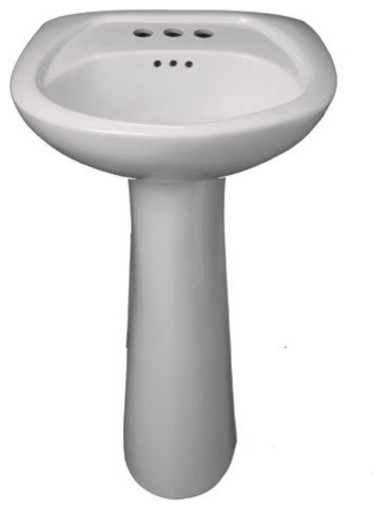
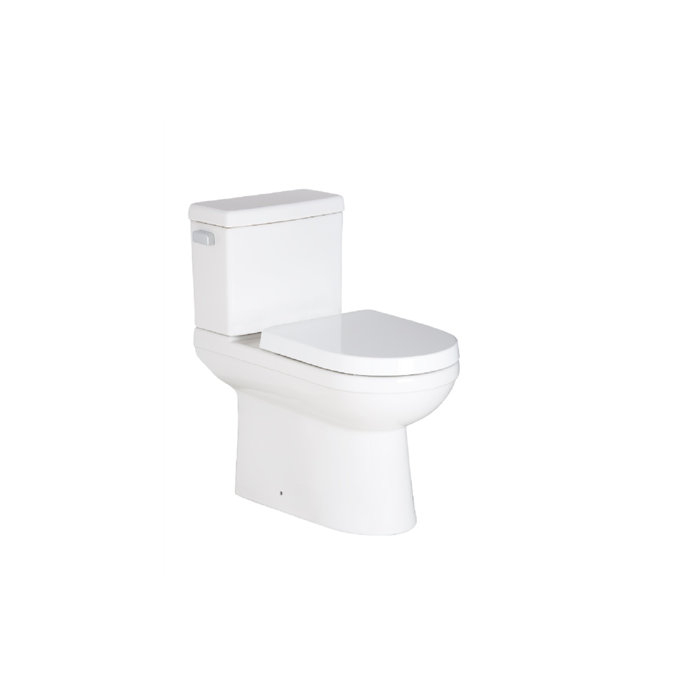
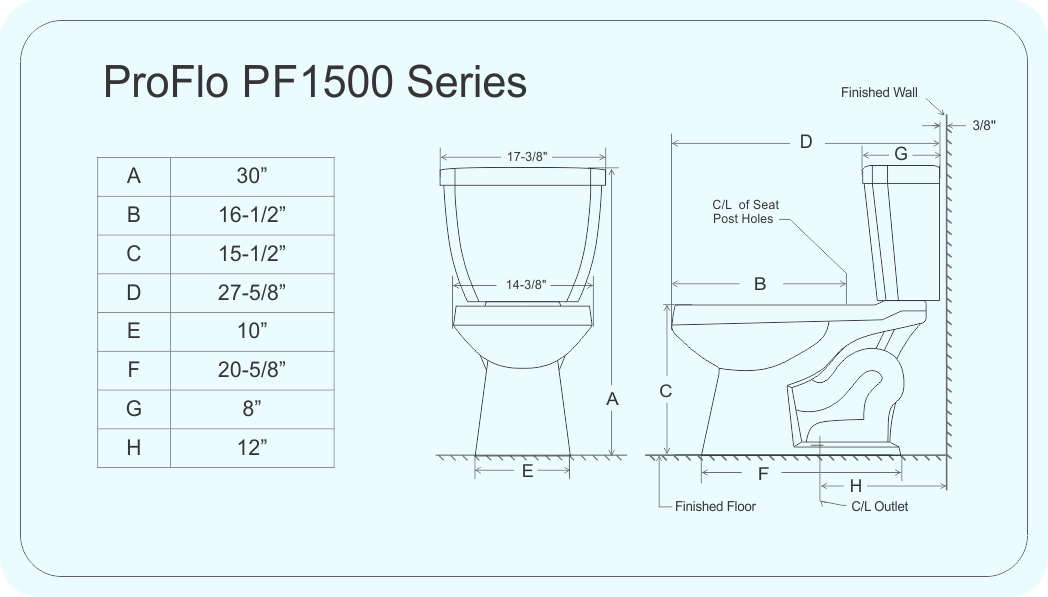
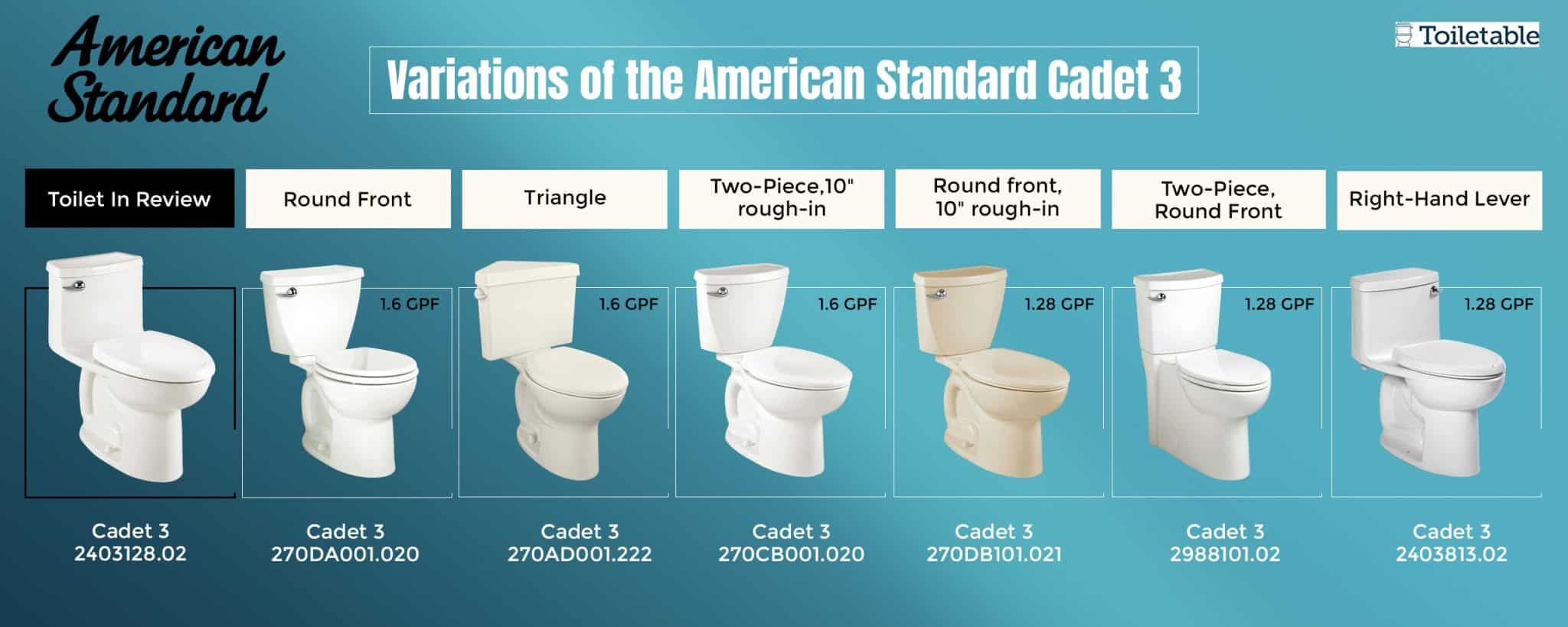
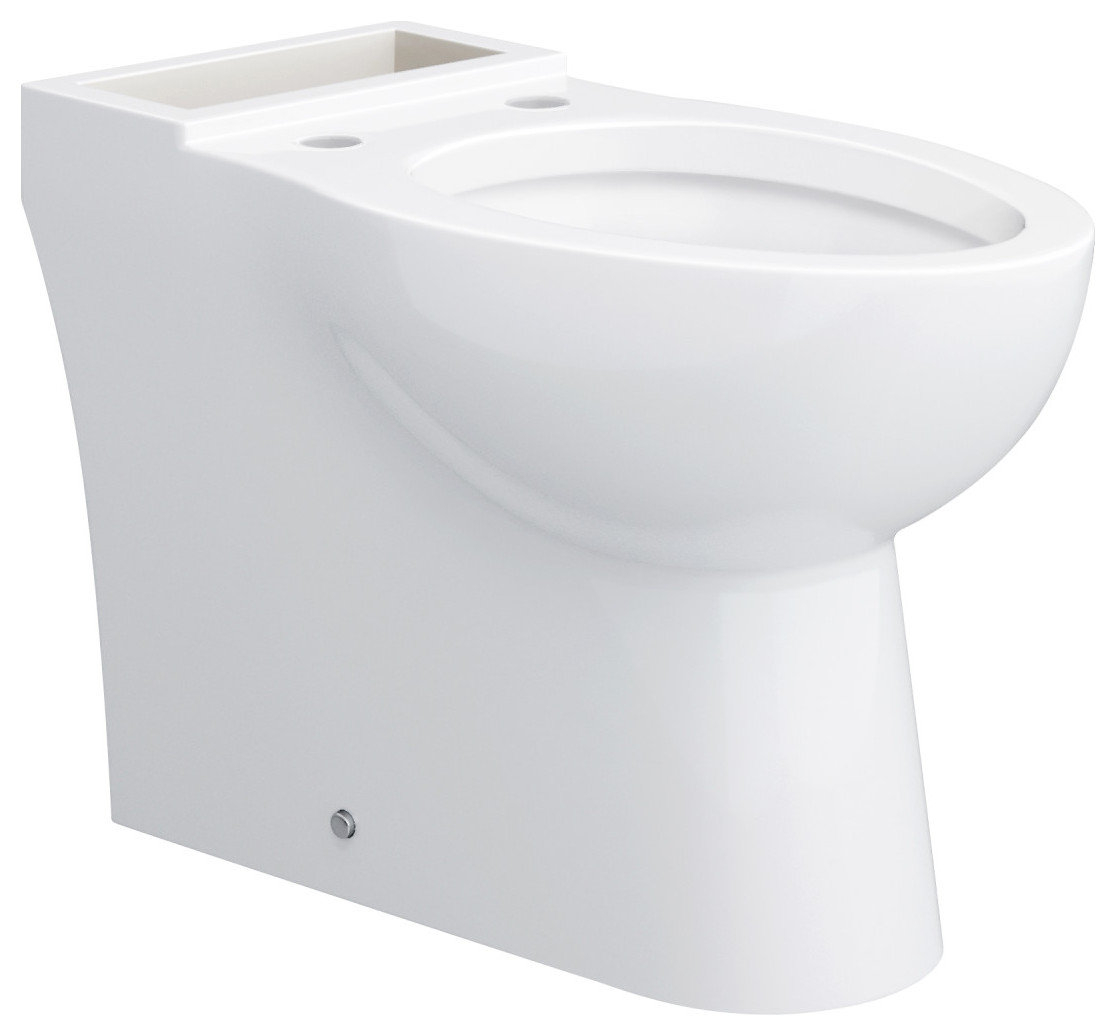
Imagine walking into a bathroom and seeing something so simple yet so effective that it's become a standard in homes and businesses worldwide. That something is the pedestal toilet system. It might look like just another bathroom fixture, but its story is filled with innovation, necessity, and a whole lot of human ingenuity.
When you think about toilets, you probably picture the traditional bowl sitting directly on the floor. But there's another type that's quietly revolutionized bathroom design – the pedestal toilet. These elegant fixtures have been around for decades, but their evolution tells a compelling story about how we've reimagined bathroom spaces. What started as a practical solution to a common problem has transformed into a design statement that balances function with aesthetics. The journey of the pedestal toilet isn't just about plumbing – it's about how we've learned to make our bathrooms more efficient, comfortable, and visually appealing.
The Birth of a Design Solution
Pedestal toilets didn't appear overnight. Their roots trace back to the early 1900s when architects and designers were starting to think differently about bathroom layouts. The idea was simple yet brilliant: elevate the toilet bowl off the ground using a sturdy base. This wasn't just about making things look nice – it addressed real problems. Consider the practical advantages: easier cleaning, better airflow, and reduced risk of water damage to flooring. Early versions were basic affairs, often made from ceramic or porcelain. The pedestal itself was usually a solid column or base that supported the bowl. What really made these toilets special wasn't just their appearance but their functionality. They offered a cleaner look than floor-mounted toilets while solving some fundamental issues with traditional setups. In fact, many early models were specifically designed for public restrooms where maintenance and hygiene were top priorities. The simplicity of the design meant fewer places for dirt to accumulate and easier access for cleaning staff.
The Rise of Materials and Manufacturing
As manufacturing techniques evolved, so did the materials used in pedestal toilet construction. Where once everything was made from fired clay, new possibilities emerged. Plastic became a game-changer, offering lighter weight and more affordable production methods. However, the most significant advancement came with composite materials that combined strength with aesthetic appeal. These modern compositions allowed for more intricate designs while maintaining durability. Steel and aluminum began appearing in high-end models, bringing both longevity and sleekness to the table. The manufacturing process also improved dramatically. Precision casting and molding techniques meant that each piece could be made to exact specifications, ensuring consistent quality across different brands and models. Today's manufacturers can produce complex shapes and finishes that would have been impossible in earlier decades. The variety of options available now includes everything from classic white to bold colors, textured surfaces, and even wood-grain finishes that blend seamlessly with different interior styles. What's remarkable is how these advances have made premium features accessible to more consumers than ever before.
Design Aesthetics and Style Evolution
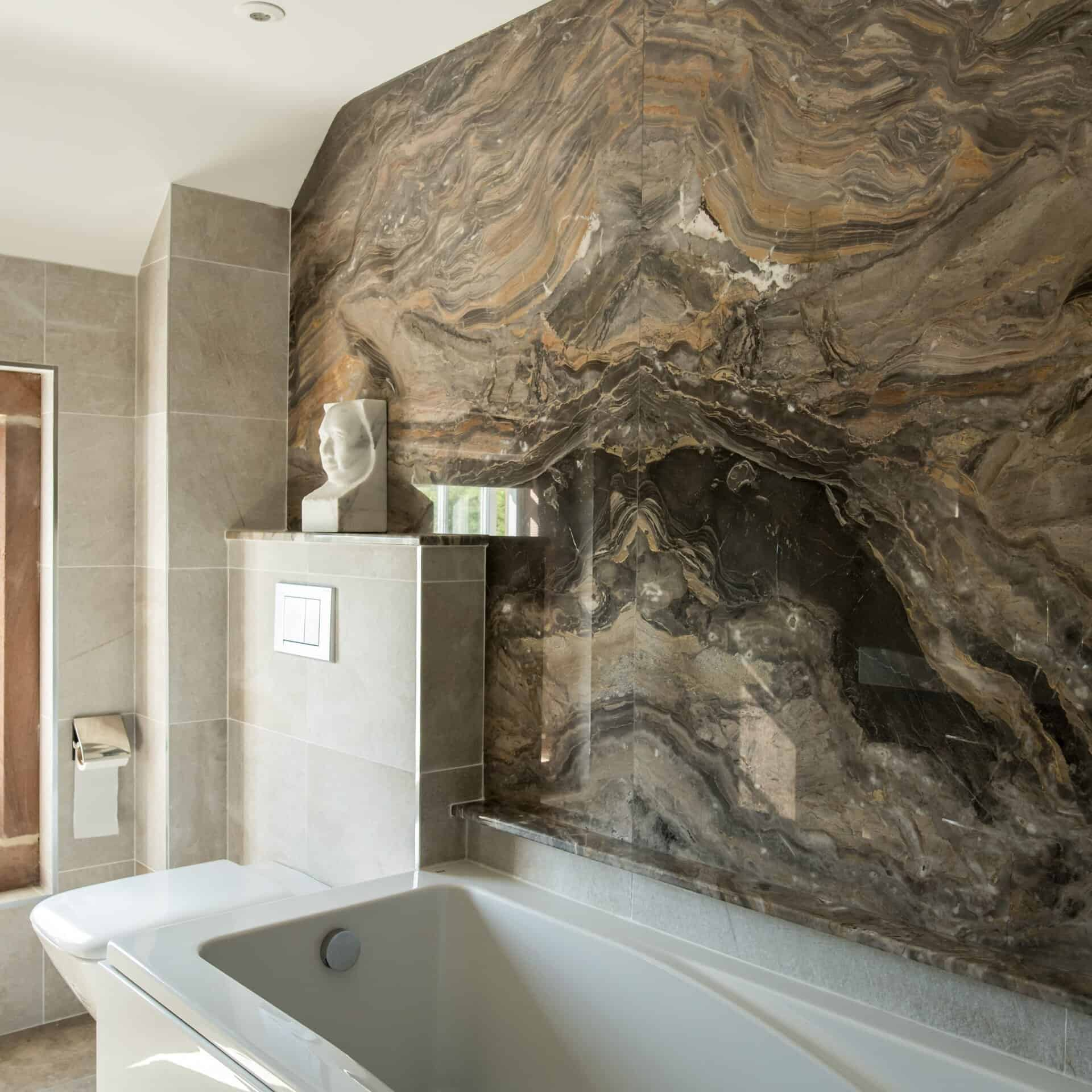
The visual appeal of pedestal toilets has undergone a complete transformation over the past several decades. In the 1960s and 70s, they were typically straightforward and utilitarian, focusing purely on function. Fast forward to today, and you'll find toilets that serve as focal points in bathroom design. Contemporary designs feature clean lines, geometric shapes, and innovative surface treatments. The concept of minimalism has heavily influenced modern pedestal toilet design. Clean, uncluttered forms dominate the market, with emphasis on subtle curves and smooth transitions. Some manufacturers have even introduced artistic elements, creating toilets that look like sculptures rather than mere fixtures. Color palettes have expanded far beyond traditional white, incorporating earth tones, metallic finishes, and even abstract patterns. The trend toward customization means that homeowners can choose from numerous options to match their personal style and existing décor. Whether you prefer a minimalist approach or want to make a bold statement, there's a pedestal toilet design that fits your vision. The evolution shows how functional design can also be beautiful, challenging the old notion that form must always follow function.
Technological Integration and Smart Features
Modern pedestal toilets aren't just about looks anymore – they incorporate technology that enhances user experience. Integrated features like automatic flushing mechanisms, seat warmers, and even built-in bidets have become increasingly popular. Some models feature touchless operation, reducing the need for physical contact and improving hygiene. Water efficiency has also improved significantly, with many newer models using less water per flush while maintaining strong performance. Smart sensors can detect usage patterns and alert users to potential maintenance issues. The integration of technology extends to installation as well, with some models featuring modular components that make setup easier. These innovations represent more than just convenience – they reflect changing consumer expectations and environmental consciousness. Many modern toilets include water-saving features that help reduce utility bills while contributing to sustainability efforts. The smart toilet movement has shown that traditional fixtures can embrace digital advancements without losing their essential purpose. Users appreciate the added comfort and the peace of mind that comes with knowing their toilet is working efficiently.
Installation and Space Optimization
One of the major benefits of pedestal toilets is their ability to optimize space, especially in smaller bathrooms. Unlike floor-mounted toilets that require substantial clearance, pedestal models can fit into tighter spaces while still providing adequate room for users. This makes them particularly popular in condos, apartments, and bathrooms with limited square footage. The design allows for creative layout solutions, enabling architects to maximize every inch of available space. Installation considerations have also evolved to accommodate these unique fixtures. Modern mounting systems are designed to handle the weight distribution differently than traditional toilets, requiring specialized hardware and installation techniques. The pedestal structure itself offers opportunities for hidden storage or integrated features that weren't possible with conventional setups. For renovating older homes, pedestal toilets provide a way to update the bathroom without major structural changes. Their versatility means they can work in various configurations, whether as standalone fixtures or part of a larger bathroom renovation project. The space-saving aspect has made them particularly attractive to homeowners looking to improve their bathroom functionality.
Maintenance and Longevity Considerations
Proper maintenance is crucial for ensuring the longevity of pedestal toilet systems. The elevated design actually makes cleaning easier in many ways, since there's no floor contact to worry about. However, this also means that the pedestal structure needs regular attention to prevent buildup and maintain appearance. Most manufacturers recommend specific cleaning products and procedures to preserve both the bowl and pedestal surfaces. The materials used affect maintenance requirements significantly – ceramic and porcelain are generally easier to clean than some synthetic alternatives. Regular checks for loose connections, proper water pressure, and seal integrity are essential for preventing costly repairs. The design also impacts how often certain parts may need replacement, with some components lasting much longer than traditional floor-mounted toilets. Many modern models come with extended warranties that reflect confidence in their durability. Understanding the specific maintenance needs of your particular model helps ensure optimal performance over time. Proper care not only extends the life of the fixture but also maintains its appearance and functionality.
The evolution of pedestal toilet systems represents more than just a change in bathroom fixtures – it's a reflection of how society has changed its relationship with comfort, design, and functionality. From their simple beginnings as practical solutions to their current status as sophisticated design elements, pedestal toilets have proven their worth time and again. What started as a clever way to elevate a basic necessity has grown into a category of fixtures that balance traditional functionality with modern innovation. Today's pedestal toilets demonstrate how thoughtful design can transform everyday objects into sources of pride and satisfaction. Whether you're considering a bathroom renovation or simply curious about how this fixture has evolved, understanding its journey reveals how small changes can lead to big improvements in our daily lives. The story continues to unfold as new materials, technologies, and design philosophies emerge, promising even more exciting developments in the future.