Think about your favorite bathroom. What makes it feel special? Is it the way light plays across tiles, or perhaps the elegant curve of a vanity? These details often draw from centuries-old design wisdom that continues to shape today's bathroom spaces.
Bathrooms have come a long way from their utilitarian roots. Today's spaces blend functionality with artistry, creating environments that are both practical and visually stunning. Yet something fascinating happens when we look closely at these modern marvels – they're filled with nods to the past. Classic design principles aren't just relics of history; they're the foundation upon which today's most beautiful bathrooms are built. From the symmetry of classical proportions to the warmth of traditional materials, these timeless elements continue to guide designers and homeowners alike in creating spaces that feel both fresh and familiar.
The Enduring Appeal of Symmetry
Symmetry has been a cornerstone of design since ancient times. In bathrooms, this principle manifests in balanced layouts, matching fixtures, and evenly spaced elements. When you walk into a well-designed bathroom, you often notice how everything feels perfectly aligned. This isn't accidental – it's the result of centuries of understanding that symmetrical arrangements create a sense of calm and order. Think about the classic bathroom with two sinks flanking a central mirror, or a bathtub positioned precisely in the middle of a room. These arrangements feel right because they tap into our deep-seated appreciation for balance. Modern bathrooms often embrace this same concept, even when they incorporate asymmetrical elements elsewhere. The secret lies in creating visual equilibrium somewhere in the space, whether through mirrored fixtures, matching hardware, or carefully placed decorative elements. This approach works because it addresses our fundamental need for harmony, even in spaces where we might otherwise expect chaos.
Traditional Materials That Never Go Out of Style
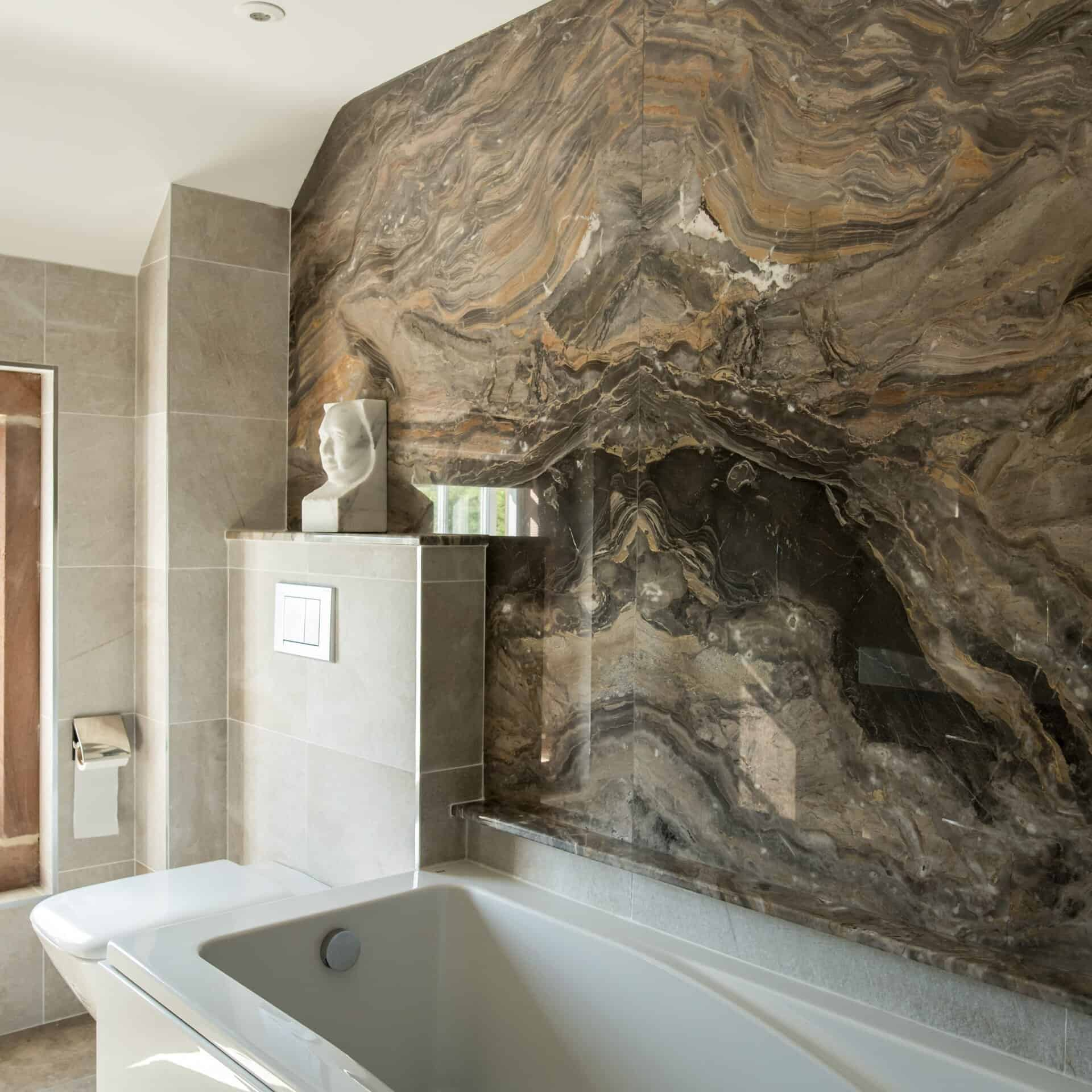
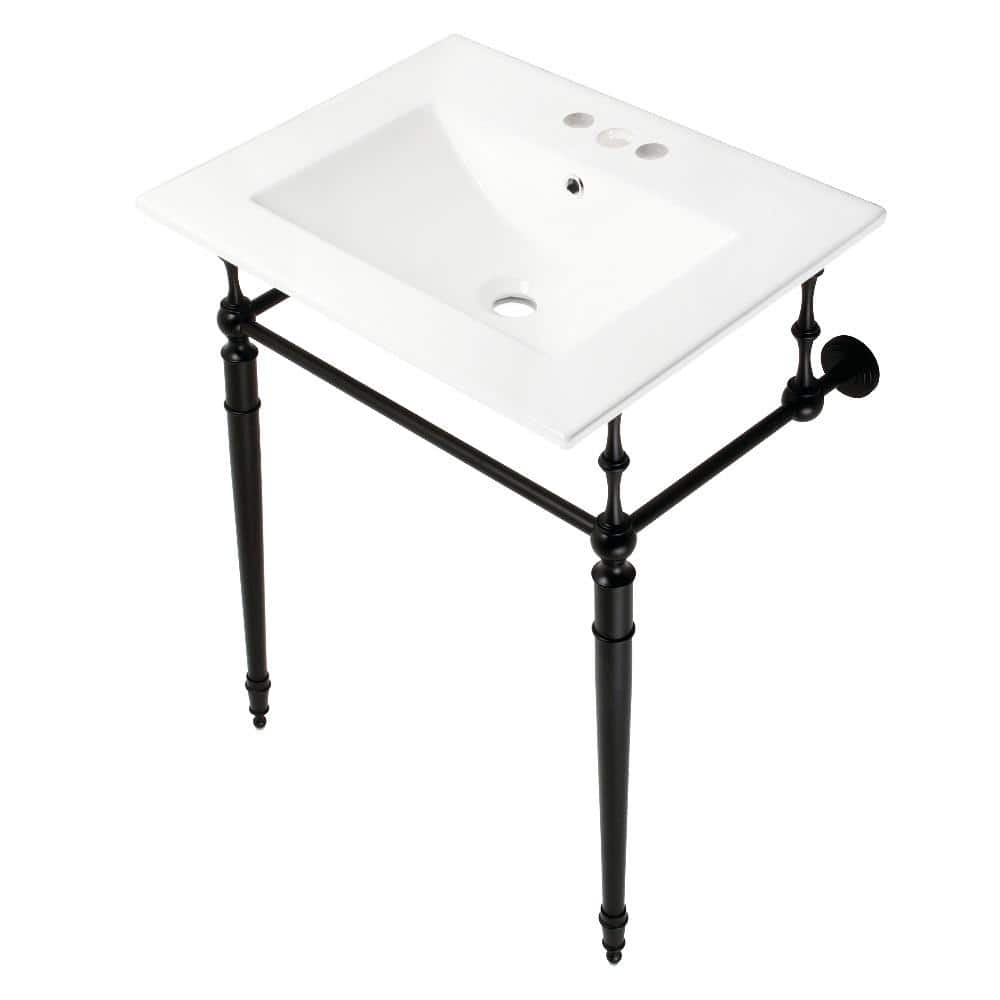
The choice of materials in any bathroom tells a story about its character and timelessness. Natural stone, wood, and ceramic have been used in bathroom design for generations, and their popularity hasn't waned. Marble, for instance, brings a touch of luxury and sophistication that transcends trends. Even when modern bathrooms feature sleek, minimalist designs, they often incorporate marble elements like vanities or accent walls. Wood adds warmth and organic texture that can make even the most industrial-looking bathroom feel inviting. The key is knowing how to integrate these traditional materials thoughtfully. A wooden vanity doesn't need to look like it belongs in a Victorian parlor to work in a contemporary space. Sometimes, it's the subtle application of traditional materials that makes all the difference. Think of how a small mosaic tile pattern or a classic pedestal sink can transform a modern bathroom into something that feels both current and enduring.
Classic Color Palettes That Work Every Time
Colors in bathroom design have evolved dramatically, but certain combinations remain consistently popular. Neutral tones like white, beige, and soft grays provide a clean canvas that allows other design elements to shine. These colors also make spaces feel larger and more open, which is particularly important in smaller bathrooms. However, the real magic happens when you add pops of color that echo historical preferences. Deep blues reminiscent of traditional maritime aesthetics, warm terracotta shades, or rich greens that speak to garden-inspired designs all find their place in modern bathrooms. The trick is balancing these colors so they enhance rather than overwhelm. Consider how a navy blue bath mat or a terracotta tile accent can create a focal point without disrupting the overall harmony. These classic color choices work because they've been tested across decades and cultures, proving their ability to create spaces that feel both sophisticated and comfortable.
Timeless Lighting Solutions
Lighting in bathrooms has always been crucial, but classic approaches to illumination still hold tremendous power in modern design. The idea of layered lighting – combining ambient, task, and accent elements – dates back centuries. Today's bathrooms often feature this same philosophy, though with more sophisticated technology. Traditional fixtures like chandeliers or sconces can add elegance to a modern space, while the classic concept of providing adequate light for tasks like grooming remains essential. What's interesting is how the quality of light matters as much as its placement. Warm, soft lighting creates a spa-like atmosphere, while brighter, cooler lights serve functional purposes. Many successful modern bathrooms combine both, using dimmable fixtures that allow for different moods throughout the day. The classic principle of avoiding harsh shadows while ensuring good visibility still applies, making these timeless lighting concepts invaluable for today's designers and homeowners.
Functional Beauty Through Classic Layouts
The arrangement of bathroom elements follows principles that have remained largely unchanged for centuries. The classic separation of wet and dry areas, for example, continues to define successful bathroom layouts. This isn't just practical – it's also aesthetically pleasing. When you see a bathroom where the shower area is clearly separated from the sink and toilet zones, it feels organized and easy to navigate. Modern bathrooms often borrow from these classic layouts while adding contemporary touches like open floor plans or integrated storage solutions. The key is maintaining the logical flow that makes spaces comfortable to use. Think about how a traditional bathroom layout – with the toilet against one wall, sink near another, and shower/bath in a third area – provides a natural workflow. Even in today's trend toward larger, more open spaces, this fundamental understanding of functional zoning remains essential. It's the classic approach to creating spaces that feel both beautiful and useful.
Artistic Details That Elevate Everyday Spaces
The finishing touches in bathroom design often make the difference between a functional space and a truly memorable one. Decorative elements like moldings, trim work, and ornamental details bring personality and character to modern bathrooms. These aren't necessarily expensive additions – sometimes, a simple decorative tile border or a well-chosen towel rack can transform a room. The beauty of incorporating classic artistic elements lies in their ability to add sophistication without overwhelming the space. Consider how a vintage-style faucet with intricate detailing can become a focal point in a contemporary bathroom, or how a simple hand-painted tile backsplash can create visual interest. These elements connect us to craftsmanship traditions that span generations, reminding us that even in our digital age, there's still great value in handmade beauty and careful attention to detail.
The marriage of classic design elements and modern bathroom aesthetics isn't just about nostalgia – it's about creating spaces that feel both timeless and current. When we incorporate traditional principles like symmetry, natural materials, and thoughtful color choices, we're not just following old rules; we're tapping into universal human preferences for beauty, function, and comfort. These classic elements provide a solid foundation upon which modern innovations can build. Whether you're designing a new bathroom or renovating an existing one, understanding how these timeless principles work can help you create a space that will continue to please for years to come. The most successful bathrooms often strike a delicate balance between honoring the past and embracing the future, resulting in spaces that feel both familiar and fresh.